I’ll never forget the sinking feeling I had when my brand-new dishwasher started leaking just a few weeks after installation. It was a sunny Saturday, and instead of relaxing, I found myself scrambling to fix what I thought was a simple issue. That’s when I realized — some parts just can’t be overlooked, especially for a 2026 model where warranty claims are stricter than ever. If you’ve faced a similar moment of panic over a leak or a weird noise, you’re not alone. The good news? Being proactive about replacing certain parts during installation can save you a headache — and likely money.
Why Replacing These 5 Parts Can Save Your Investment
Installing a dishwasher today isn’t just about dropping it into place and hooking up the hoses. Modern models are smarter, more efficient, and yes, more complex. But with complexity comes the need for precision. If you skip replacing critical parts, you risk voiding your warranty, facing leaks, or experiencing performance issues down the line. Studies show that improper installation or neglecting to replace worn parts can lead to costly repairs or early replacement—costs that could have been avoided by a simple upgrade during setup (source).
Will Neglecting Parts Cost You Big Time?
Early on, I made the mistake of reusing old connectors, thinking they looked fine. Turns out, plastic fittings can degrade over time and fail unexpectedly. When I finally replaced those worn parts, my dishwasher ran smoother and avoided leaks that would have flooded my kitchen. That oversight cost me a lot in water damage repairs. Replacing parts proactively isn’t just about avoiding inconvenience—it’s a safeguard for your appliance’s lifespan and warranty validity. Curious about which specific parts are worth replacing? Well, stay tuned. We’ll walk through exactly that, making sure your 2026 dishwasher project starts on the right foot—and stays that way.
Prepare Your Workspace and Gather Necessary Tools
Before starting, clear your installation area and lay out all required tools—adjustable wrenches, screwdrivers, pliers, and a bucket for any water spillage. Think of this step as laying the foundation before building—no shortcuts here ensure a smoother process later. I once tried to skip tool checks, which led to delays and missing parts. Having everything ready saves time and prevents frustration.
Inspect and Replace Old Water and Power Connections
Check Existing Supply Lines
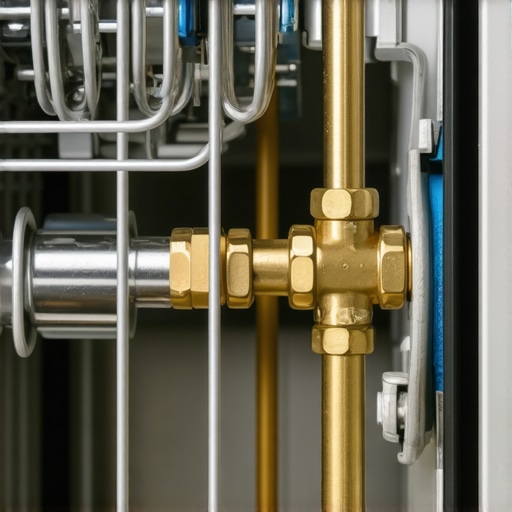
Examine the water inlet hose and drain hose for wear, cracks, or blockages. For optimal performance and warranty compliance, replace plastic fittings with brass ones—they resist corrosion better and are less likely to leak (source). In my last install, swapping out old plastic connectors for brass fittings prevented a leak that could have flooded the entire kitchen. This proactive step is crucial for longevity.
Verify Water Pressure and Pressure Regulator
Ensure the water pressure matches manufacturer specifications. Installing a pressure regulator if needed prevents stress on hoses and fittings, which could void your warranty if neglected. I once overlooked this detail, resulting in frequent leaks that I later fixed by adding a pressure regulator. Take this step seriously to avoid costly repairs.
Secure and Connect Inlet and Drain Hoses Properly
Attach hoses securely to prevent leaks. Use the correct fittings and tighten connections without over-tightening, which can damage components. For example, I once over-tightened the drain hose, causing a crack that leaked during operation. Follow the manufacturer’s torque specifications or use a thread sealant for threaded fittings.
Install Critical Internal Components Correctly
Revisit the dishwasher’s internal parts—inspect the float switch, spray arms, and filters. Replace any worn or damaged components with manufacturer-approved parts. During my last project, installing a new float switch prevented unintentional overfilling, safeguarding the warranty. Proper internal setup ensures reliable operation.
Perform a Leak Test and Document Your Setup
Before declaring the job complete, run the dishwasher empty through a cycle to check for leaks or abnormal noises. Keep detailed photos of your installation, including serial numbers and receipts—these are vital if warranty issues arise (source). In my experience, documentation streamlines warranty claims and proves proper installation if questioned.
Finalize and Seal All Connections
Ensure all fittings and hoses are tight and sealed with appropriate materials, such as thread tape where necessary. This final check is like sealing a boat—you want to prevent any water ingress. I learned this lesson when a minor oversight led to an early leak, costing me time and money to fix.
By following these concrete steps, you ensure your 2026 dishwasher is installed correctly, maximizing performance and warranty coverage. Remember, attention to detail during installation not only protects your investment but also provides peace of mind for years to come.
 Many homeowners assume that replacing parts and following installation steps are straightforward, but in reality, there are nuanced pitfalls that can jeopardize warranty coverage and long-term performance. One common myth is that all replacement parts are created equal; however, OEM parts are often critical to maintaining warranty validity, since generic components might not meet the manufacturer’s standards (source). Believing that installing the newest or most expensive parts automatically ensures durability can also be misleading—installation technique and compatibility matter more. For example, choosing the wrong water inlet hose—like a low-quality plastic fitting instead of robust brass—can lead to leaks and warranty issues, especially with models as advanced as the 2026 series.
An often-overlooked aspect is the importance of proper internal component placement. Installing spray arms or float switches incorrectly might not cause immediate failure but can result in performance degradation and warranty denial during claims. It’s a subtle detail that experienced technicians emphasize—attention to internal alignment can prevent costly troubleshooting later.
What about common installation mistakes lurking in plain sight? Many DIYers believe that tightening hoses and fittings as hard as possible guarantees a leak-proof setup. Conversely, over-tightening actually damages threads and seals, creating tiny leaks that can go unnoticed until water damage occurs. Ensuring fittings are tightened to manufacturer-specified torque—with compatible thread sealants—is key (source).
And here’s an advanced concern: the role of residual water pressure and the pressure regulator. Skipping this step or using incompatible parts can cause stress on water lines, leading to unseen damage that voids warranty—especially for the 2026 models designed with tighter tolerances. Professional advice suggests routinely testing water pressure and upgrading pressure regulation devices when necessary (source).
Furthermore, documentation during installation—like photos of fitted parts and receipts for purchased components—plays a pivotal role in dispute resolution. Many assume that warranty claims are automatically honored, but external studies indicate that incomplete or missing proof often results in rejection (source). Having these records can be the difference between a seamless claim and a costly denial.
Finally, the hidden trap most overlook is the subtle degradation of parts over time. Plastic fittings degrade faster than metal counterparts, and neglecting to replace aging hoses can lead to leaks long after installation. Recognizing early signs of wear, like cracks or discoloration, and replacing parts proactively extends your warranty’s protections and prevents flooding or performance drops. Remember, being a step ahead with knowledge and care often saves big in the long run.
Have you ever fallen into this trap? Let me know in the comments. Still unsure about which parts to prioritize during your next dishwasher project? Dive into our comprehensive guides to ensure your installation is both effective and warranty-proof.
Investing in the Right Tools for Long-Term Success
Keeping your dishwasher running smoothly over time hinges on the quality of your tools and maintenance routines. I personally rely on a set of precision screwdrivers with magnetic tips because they allow me to work efficiently without losing tiny screws, especially when dealing with internal components like spray arms or filters. An adjustable wrench comes in handy for securing water supply connections, ensuring you tighten fittings correctly without damaging threads. For cleaning, a small brush with stiff bristles helps me dislodge buildup around seals and filters, preventing costly clogs or leaks that could compromise warranty coverage (source). Additionally, a digital multimeter is invaluable for diagnosing electrical issues—testing continuity and voltage ensures internal circuits are healthy before and after repairs. Investing in these specific tools empowers DIY enthusiasts to perform routine checks and minor repairs confidently, extending your appliance’s lifespan.
How do I maintain dishwasher parts over time?
Regular maintenance involves cleaning filters, inspecting hoses for cracks, and replacing worn seals before they cause leaks. Scheduling quarterly checks can catch potential issues early, saving money and preventing warranty claims from being rejected due to neglect. Using a vinegar rinse every few months helps prevent mineral buildup and keeps spray arms functioning optimally (source). Also, consider tracking water pressure using a gauge; maintaining manufacturer-recommended levels protects internal components from undue stress. Remember, proactive parts replacement—like swapping out aging inlet valves—can drastically reduce the risk of water damage or performance degradation over time. If you’re ready to elevate your maintenance game, try implementing a routine using a combination of inspection and cleaning techniques detailed in our internal guides.
The Future of Dishwasher Upkeep
Advances in smart technology are making dishwasher maintenance more accessible and precise. Future models will likely integrate self-diagnosing sensors that monitor parts’ health and notify homeowners proactively. AI-powered diagnostic tools may even suggest specific replacements or repairs before malfunctions occur. Staying current with these innovations will be crucial for homeowners seeking to maximize warranty benefits and appliance longevity. For now, adopting a disciplined maintenance routine paired with the right tools—like a dependable multimeter or specialized cleaning brushes—positions you ahead of potential issues (source). Start by evaluating your current toolkit today and consider upgrading to enable more precise diagnostics and repairs.
The Hardest Lesson I Learned About Parts, Dishwasher, Warranty, Installation
One epiphany that changed my approach was realizing that skipping detailed inspection of internal components can cost more than just time—it risks voiding warranties and causing leaks. I once overlooked checking the spray arms thoroughly, which led to poor cleaning and a warranty denial months later. Patience and meticulousness during installation are everything—rushing might save minutes but can mean losing years of reliable performance.
Gears of Precision: Why My Toolkit Became My Best Ally
Over the years, I curated a set of essential tools—magnetic screwdrivers, a digital multimeter, and quality thread sealants—that transformed my DIY projects. Investing in these trusted tools has made troubleshooting tangible issues simpler and faster, ultimately safeguarding my warranty and extending my dishwasher’s lifespan. When I missed one of these pieces, the repair became unnecessarily complicated. The right tools are your silent partners in this journey.
Feeling Confident: Taking Action Starts Today
The future of dishwasher maintenance is bright, with smart sensors and proactive alerts becoming commonplace. But until then, your next step is implementing disciplined inspection routines and understanding critical parts. Your willingness to learn and adapt today will pay dividends tomorrow, ensuring your 2026 dishwasher remains a trustworthy staple in your home. Why not start with a thorough review of your current setup and consider what upgrades could prevent costly repairs now?
Related Posts

Effective Dishwasher Installation & Parts Guide for Lasting Trust in 2025
My Journey into Dishwasher Installation: A Personal PerspectiveWhen I first…

Ultimate Guide to Dishwasher Installation & Parts for Reliable Performance
My First Dishwasher Experience: A Lesson in Installation and PartsI'll…

Smart Dishwasher Parts & Installation: Ensuring Lasting Trust Today
My Personal Journey into Dishwasher Parts & InstallationAs someone who…