
If you’ve recently finished a floor renovation and suddenly find yourself facing a stubborn dishwasher door that won’t latch, you’re not alone. I remember the sinking feeling when I realized my brand-new kitchen was now home to a dishwasher that refused to close properly. It was frustrating, especially because I was proud of my DIY flooring project and didn’t want this hiccup to ruin my enthusiasm. That lightbulb moment led me down a path of investigation and learning, and today, I want to share what I discovered so you can get back to smooth, hassle-free dishwashing.
Why Your Dishwasher Door Won’t Latch After a Floor Makeover
Back when my floor was tearing up and being replaced, I thought I had covered every detail—wiring, leveling, securing the unit—but I overlooked something crucial: the relationship between the new flooring and the dishwasher’s latch mechanism. The problem was simple yet elusive. The door wouldn’t stay closed, and I feared a major repair or calling in a pro. But here’s the thing—this is a surprisingly common issue that often has an easy fix, once you know what to look for.
The key reason behind this problem is that the new floor or subfloor can subtly shift the position of the dishwasher or interfere with the latch alignment. In my case, I realized the floor had slightly raised one corner, causing the unit to tilt just enough so that the latch couldn’t engage securely. A misaligned dishwasher door can lead to water leaks, cycle errors, and even damage if ignored. Diagnosing such issues early is crucial to prevent costly repairs down the line.
I’ve learned from experience and community stories that many homeowners make the mistake of assuming the problem is with the latch itself or the door hinges—what I call the early mistake. Instead, I found that checking the placement and the levelness of the entire unit is your first move. If your dishwasher was perfectly fine before, but now it’s acting up after a renovation, the culprit is often related to adjustments in your flooring or subfloor height.
In this guide, we’ll explore practical steps to identify whether misalignment, obstructions, or damaged parts are causing your door to remain stuck. By the end, you’ll be equipped with everything you need to fix the issue or know when it’s time to call a professional—saving you time, money, and the headache of a non-functional dishwasher. So, have you faced this specific problem after your renovation? If yes, keep reading. If not, stay tuned—your turn might be coming!
Assess and Level the Dishwasher
Begin by checking if your dishwasher is perfectly level. Use a carpenter’s level across the top and sides. If it tilts, adjust the leveling feet by unscrewing or screwing them in to achieve a flat position. I once found my unit tilted slightly after a flooring upgrade, which caused the latch to miss alignment. Correcting the level restored proper closure and prevented leaks.
Inspect the Floor’s Impact on Alignment
Even minor flex or unevenness in the floor can tilt the dishwasher. Visually verify if the appliance sits flush with the cabinetry or counter. Use shims under the front or back legs if needed. My experience involved slipping thin wooden shims under the rear foot, which stabilized the unit and aligned the door properly.
Identify and Remove Obstructions
Look inside the door and around the latch area for debris, adhesives, or warped components that could hinder closure. Clean any residue with a damp cloth. During my troubleshooting, I noticed a tiny bit of adhesive on the latch—removing it allowed the latch to engage fully.
Check the Door Hinges and Springs
Examine hinges for wear, damage, or misalignment. Open and close the door manually; observe if it moves smoothly. If hinges are loose or bent, tighten or replace them. I replaced worn hinges that caused the door to hang unevenly, restoring proper latch engagement.
Adjust Door Latch and Strike Plate
Loosen screws holding the latch and strike plate; then reposition them slightly to the left or right as needed. Tighten once aligned. During one repair, slight repositioning of the strike plate fixed the misalignment, and the door closed securely.
Test and Confirm Proper Closure
Close the door firmly, ensuring it latches with a satisfying click. Run a short cycle to verify watertight sealing and cycle integrity. I always double-check after adjustments; once, I discovered the door still didn’t seal properly, prompting a recheck of the latch position.
Evaluate and Consider Replacement
If after these steps the latch or door remains misaligned, consider the age and condition of the parts. Sometimes, replacing the latch assembly or door hinges is more pragmatic, especially if heavily worn. Knowing the warranty coverage and the availability of OEM parts can save money; learn more about understanding dishwasher parts.
When it comes to dishwasher maintenance and repairs, many homeowners rely on common wisdom that isn’t always accurate. One widespread misconception is that using generic or third-party replacement parts always voids your warranty. In reality, as highlighted in expert guides, choosing OEM (Original Equipment Manufacturer) parts is essential for warranty compliance, but not every aftermarket part will jeopardize your coverage if it meets quality standards. An overlooked nuance is that some warranties are surprisingly flexible—*if* you can prove you used certified parts, your claim stands protected. However, the trap here is assuming all parts are interchangeable, which isn’t true for high-tech or sensitive components. For example, a damaged moisture sensor may seem simple to replace, but installing a counterfeit or incompatible sensor could lead to warranty denial, especially during the critical first year.
Are you aware of the fine print in your dishwasher’s warranty that could trip you up during a claim?
Research by appliance specialists shows that improper part selection or installation errors are leading causes of warranty denial, mainly because homeowners underestimate the importance of compatibility and proper testing. Always consult manufacturer guidelines and consider professional diagnosis, especially since some repairs—like replacing control boards or sensors—can be complex. Remember, maintaining thorough documentation of part purchases, installation procedures, and service logs increases your chances of a successful warranty claim. Don’t assume that DIY fixes or using off-brand parts won’t impact your coverage—it’s a nuanced area worth understanding. For deeper insights on warranty protocols, visit our comprehensive guide to dishwasher parts and warranty considerations. Have you ever fallen into this trap? Let me know in the comments.
Stay Ahead with Precise Tools for Dishwasher Maintenance
Maintaining your dishwasher’s performance over time requires the right equipment. I personally rely on a high-quality digital multimeter, like the Fluke 117, to diagnose electrical issues accurately. Its quick response time and auto-ranging feature allow me to identify faulty switches or control boards efficiently, saving time and preventing unnecessary part replacements.
Another indispensable tool is a set of fine-tipped, insulated screwdrivers. These help me access internal components without risking electrical shock or damaging sensitive connectors. I prefer the Wiha Precision Screwdriver Set because of its durability and precise tips, which make delicate adjustments easier, especially when repositioning the latch or strike plate during installation or repair.
A reliable dishwasher door alignment gauge is not commonly thought of but incredibly useful. This simple tool helps ensure your door is perfectly aligned, which is crucial for long-term durability. I’ve found that even slight misalignments can lead to water leaks or cycle errors, especially after a renovation that might have shifted cabinetry or flooring.
Incorporating these tools into your maintenance routine helps catch issues early and prolongs your appliance’s lifespan, reducing the need for costly repairs. Regular diagnostics with precise instruments ensure you stay ahead of potential failures, which is especially important in the context of high-tech models that require accurate troubleshooting techniques.
Automation and Software: The Future of Dishwasher Care
Looking ahead, I predict that smart diagnostic tools integrated with your smartphone will become standard. Imagine apps that interface directly with your appliance, providing real-time error logs and maintenance alerts without needing to open the panel. Systems that record and analyze cycle performance data could predict failures before they happen, making maintenance proactive rather than reactive. Currently, some brands already offer remote monitoring, but this trend is poised for growth, bringing greater convenience and cost savings.
How do I keep my dishwasher in peak condition over time?
Implement a routine that includes regular inspections of filters, spray arms, and seals. Utilize diagnostic tools to perform periodic checks on electrical components and control boards. Staying proactive with software updates and firmware, when available, can also optimize performance and prevent bugs that might disrupt operation. For comprehensive guidance, review our detailed article on diagnosing dishwasher parts during warranty and ensure your maintenance practices align with manufacturer recommendations.
One advanced tip I recommend trying is using a combined appliance diagnostic app with your multimeter. These apps can interpret readings from your digital meter, guiding you through complex troubleshooting procedures step-by-step. This approach not only speeds up repairs but also enhances your understanding of the appliance’s internal workings, making maintenance more effective and less intimidating.
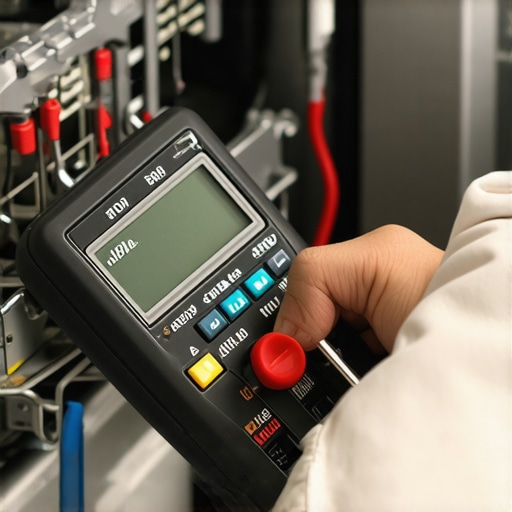
Equip yourself with these precise tools and stay ahead of potential issues. Proper maintenance isn’t just about fixing problems—it’s about preventing them. Try integrating a diagnostic app into your routine to revolutionize your approach and keep your dishwasher operating flawlessly for years to come.
,
The Hardest Lesson I Learned About parts,warranty,dishwasher,installation
One of the most valuable lessons I gained was the importance of examining the entire installation process, especially how new flooring can subtly shift appliance positioning without obvious signs. Assuming that a level floor guarantees proper door alignment proved false—small adjustments made all the difference in ensuring the latch engaged perfectly.
Additionally, I realized that vendor advice often emphasizes replacing parts like the latch or hinges without considering underlying misalignments caused by flooring changes. This oversight can lead to repetitive repairs and warranty claims that could have been avoided with a holistic assessment.
My experience taught me that patience during adjustments and a keen eye for detail are more valuable than rushing to replace components. Sometimes, the right repositioning can extend the lifespan of your dishwasher and preserve your warranty coverage.
My Essential Toolkit for Dishwasher Troubleshooting
Over the years, I’ve curated a set of tools that make diagnosis straightforward: a high-accuracy digital multimeter for electrical tests, a set of precision screwdrivers for delicate adjustments, and a quality level to ensure perfect alignment. These tools have saved me time and money by catching issues early and allowing me to perform precise repairs myself.
Investing in a good leak detection spray has also been invaluable—it helps identify small but critical leaks that indicate misaligned or worn-out seals, preventing bigger problems later. Remember, the right tools are crucial in ensuring your dishwasher’s warranty remains intact and your repairs effective.
Keep Moving Forward with Confidence
Every challenge with dishwasher installation or repair is an opportunity to become more knowledgeable. Embrace the learning process, and don’t hesitate to experiment with adjustments—sometimes a tiny tweak makes everything work smoothly again. Staying proactive in maintenance and attentive to detail can save you from costly repairs and keep your appliance operating at peak performance for years to come.
Are you ready to take your dishwasher maintenance into your own hands? Share your experiences below—I’d love to hear how you have tackled similar issues or what tools you’ve found indispensable in keeping your appliance in top shape!
Related Posts
Why Your Inlet Valve Is Leaking Behind the Cabinet Unnoticed
Ever opened your kitchen cabinet only to find a tiny…

Stop Ignoring the High-Pitched Squeal in Your Machine
Ever had that moment where you're standing in your kitchen,…
Why Your Floating Switch is Stuck and How to Free It
Ever had your dishwasher suddenly stop mid-cycle, water pooling at…
Comments are closed.