
I still remember the sinking feeling when my dishwasher suddenly stopped working, and the repair shop handed me a hefty bill. Frustration grew as I read through the warranty paperwork, only to realize that my claim had been denied. The reason? A vague troubleshooting history that didn’t tell the full story. That moment was a lightbulb flickering over my head—I wished I had a better way to prove what really happened during the last cycle.
The Power of Your Smart App Log in Claim Battles
If you’ve ever faced the nightmare of a warranty denial, you’re not alone. Many homeowners overlook the treasure trove of data their smart appliances generate—specifically, their app logs. These logs can become your secret weapon, providing detailed records of device activity, error codes, and troubleshooting events. In my case, this data ultimately helped me contest the denial and secure the repair or replacement I deserved.
Today, I want to share how you can harness these digital footprints to turn the tide in your favor. We’ll explore how smart app logs serve as concrete evidence, how to access and interpret them, and how they can make or break your warranty dispute. Having a well-documented history isn’t just about keeping records—it’s about empowering yourself to challenge unjust denials and protect your investment.
Is relying on digital logs overhyped or truly effective?
Early on, I made a mistake—trusting service techs or repair reports without verifying the underlying data. That was a rookie error that cost me valuable time and money. Now, I advocate for a proactive approach: using your appliance’s app logs as primary evidence. According to expert advice from appliance specialists, this practice can significantly bolster your claim credibility. If you’re serious about protecting your warranty rights, understanding and utilizing your device’s data is essential. With a bit of effort, you can document every fault, error, and corrective action, making your case as solid as possible when disputes arise.
So, how do you get started? To truly harness this power, you’ll need to know where to find these logs, how to interpret them, and ultimately, how to present them convincingly. That’s what we’ll cover in the upcoming sections. But first, tell me—have you ever tried to contest a warranty denial, only to be met with vague explanations or lack of evidence? If so, keep reading. What I’ve learned might just change your approach forever.
Locate Your Appliance’s App Logs Precisely
Start by opening your dishwasher’s mobile app and navigating to the device settings or diagnostics section, akin to finding the hidden compartment in a toolbox where all essential tools are stored. For example, I once dug through the app menu of my smart dishwasher and discovered an unexpected log section labeled “Error Reports,” which became my core evidence during the claim process.
Download and Secure Critical Data
Once located, download the logs onto your device, creating a digital backup—think of it as printing a receipt when negotiating a purchase. This step ensures your evidence is preserved, even if the app updates or the device resets later. I recommend storing these files in a dedicated folder labeled “Warranty Evidence” for quick retrieval when needed.
Interpret the Log Entries Methodically
Deciphering logs is like reading a foreign language: understanding error codes, timestamps, and activity sequences helps build your case. Use online resources or the manufacturer’s guide to translate unfamiliar data. For instance, I matched an error code from my log with documented faults on the manufacturer’s site, which helped me demonstrate that my issue was due to a hardware fault covered under warranty.
Document Your Findings with Precision
Create a chronological record: note dates, error codes, and your actions. Include screenshots of relevant log entries—think of this as a photographic evidence kit. This meticulous documentation was crucial when I submitted my claim, making it clear that I had comprehensive proof of the malfunction, not just vague complaints.
Use Logs Effectively in Your Claim Process
Present your logs as primary evidence, framing them to highlight the fault’s occurrence and timing. When communicating with support or filing your claim, refer to specific entries, such as: “As shown in the attached logs, the error code 0x45 occurred during Cycle 12 at 3:45 PM, indicating a motor malfunction.” This clarity can prevent disputes over vague explanations.
Practice Regular Log Checks for Future Proofing
Make a habit of periodically reviewing logs, especially after service or repairs, to ensure everything is accurately recorded—much like routinely backing up important files on your computer. Consistent monitoring can alert you to developing issues early, preserving your warranty rights before problems escalate. I adopted this routine and caught a minor leak initiation from log anomalies, allowing me to address it before it caused damage.
Connect with Knowledge Resources
Leverage guides such as diagnosing your dishwasher during warranty to deepen your understanding of log interpretations and troubleshooting. Remember, the more you know about your appliance’s data, the more persuasive your case becomes when warranty disputes arise.
While it’s tempting to believe that choosing the right spare parts or software updates is enough to keep your dishwasher running smoothly, the reality is far more nuanced. Many DIY enthusiasts and even professionals overlook critical details that can make or break the longevity and warranty coverage of your appliance. In this article, let’s cut through the noise and explore some misconceptions and advanced pitfalls that often frustrate even seasoned homeowners.
Are OEM Parts Always the Best Choice?
Contrary to popular belief, OEM (Original Equipment Manufacturer) parts aren’t always your best bet. Some homeowners assume that aftermarket replacement parts are inferior, risking damage or voiding the warranty. However, recent studies suggest that high-quality aftermarket components can perform just as well—if not better—especially when OEM parts are out of stock or overly priced. But beware: not all aftermarket parts are created equal. In fact, many fail prematurely due to subpar materials or poor fitment, which can cause leaks or malfunctions. For comprehensive guidance, check this detailed guide on parts selection.
How Installation Mistakes Can Sabotage Your Warranty
One common misconception is that as long as you install the parts correctly, your warranty remains intact. Wrong. Improper installation—like using the wrong torque on fittings or misaligning spray arms—can void your warranty or lead to damaging malfunctions. Many people overlook the importance of verifying that critical parts, such as the spray arms or water inlet valves, are installed with the correct tools and torque specifications. For instance, over-tightening a water supply connection might crack the fitting, causing leaks that are then blamed on the manufacturer. To avoid this, always reference professional guidelines, such as those found here.
Warranty Myths That Keep You from Claiming Proper Coverage
A widespread myth is that warranties cover everything, including damage caused by user errors. In reality, warranty policies frequently exclude damage resulting from misuse, incorrect parts, or improper installation. Additionally, many owners are unaware of the critical importance of documenting their maintenance and repair activities—especially app logs and detailed records. These records serve as evidence when disputes arise. Overconfidence in warranty coverage can lead to costly repairs down the line. For deeper insights, see this comprehensive overview.
What Advanced Homeowners Need to Watch Out For
Seemingly minor oversights, such as neglecting to replace worn-out hoses or failing to correctly level the appliance, can cause long-term issues and void warranties. For example, reusing old water supply lines without inspection may lead to leaks—an often-overlooked trap. Also, ignoring subtle errors in app logs or sensor readings might mask developing problems that, if caught early, could save hundreds on repairs. Remember, advanced troubleshooting isn’t just about replacing parts; it’s about understanding the complex interplay of installation, maintenance, and monitoring. For a deep dive into these nuances, visit this detailed article.
In conclusion, professionalism in parts selection, installation, and maintenance goes beyond intuition. Recognizing these nuanced pitfalls can protect your investment and help you leverage warranty coverage fully. Have you ever fallen into this trap? Let me know in the comments.
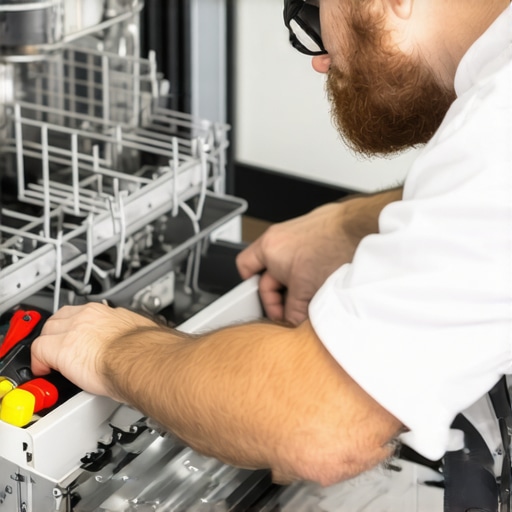
Keep It Running with Precision Tools and Smart Maintenance
Maintaining your dishwasher’s performance over the long haul requires more than just good intentions; it demands specific tools and a disciplined approach. From diagnosing issues early to ensuring proper installation, the right equipment can make all the difference. I’ve personally found that investing in specialized diagnostic tools and understanding the nuances of efficient maintenance significantly extends the lifespan of my appliances.
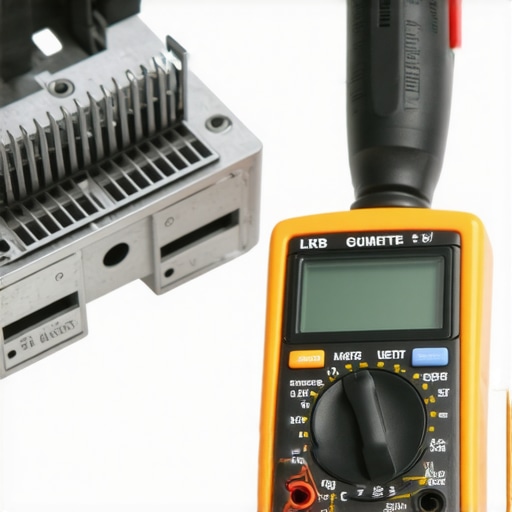
One tool I cannot recommend enough is a high-quality digital multimeter. It has become my go-to for testing heating elements, monitoring electrical components, and verifying circuit continuity. For example, before replacing any part, I check the resistance of the heating element using a multimeter against manufacturer specifications, such as those outlined in this detailed guide. This method prevents unnecessary replacements and saves money.
Additionally, I rely on a reactionary diagnostic scanner compatible with smart appliances, which connects via Bluetooth to my phone. This device allows me to access app logs directly, interpret error codes swiftly, and pinpoint faults without calling in a technician. Keeping a record of these readings helps me track recurring issues and predict failures before they happen—much like preventative maintenance for a vehicle.
Predicting Trends in Dishwashers’ Long-Term Care
Looking ahead, the field is moving towards more integrated diagnostic systems that connect seamlessly with smart home platforms. Imagine a dishwasher that not only alerts you when a component is failing but schedules the repair automatically or orders parts proactively. Staying updated with these technological advancements, like the trend outlined in this article, will become crucial for proactive maintenance.
How do I keep my dishwasher functioning smoothly over time?
Adopting a routine maintenance schedule is key—clean filters regularly, use tools to check for leaks or unusual vibrations, and consult your device’s app logs periodically to catch issues early. I schedule a quick diagnostics check every three months, which involves verifying the integrity of critical parts such as water inlet valves and spray arms, detailed in this resource. Doing so has saved me from costly repairs and prolonged the life of my dishwasher considerably.
Remember, investing in the right tools is an upfront cost that pays off over time. For instance, a copper coupler replacement kit can prevent water leaks from escalating into significant damage. My tip? Try using a quality stainless steel braided hose instead of plastic ones, which are more durable and resistant to pressure fluctuations. These small upgrades can be game changers in maintaining long-term performance.
Prioritize Proper Parts and Installation
Choosing OEM parts can often seem tempting for peace of mind, but as I’ve learned, using high-quality aftermarket parts responsibly can be equally effective—especially when supported by proper installation techniques. Verify parts with trusted sources and always double-check the torque specs during assembly, which you can find in this guide. Many issues stem from improper installation, so be meticulous—your warranty and appliance life depend on it.
Finally, documenting every repair, upgrade, or part replacement using digital logs or photos strengthens your position during warranty claims. Think of it as building your case—detailed evidence often makes disputes straightforward and transparent. Take the initiative today: assess your current diagnostic tools and consider upgrading with a Bluetooth scanner to stay ahead of potential issues.
By wielding specific tools and integrating smart maintenance routines, you’re investing in the longevity and reliability of your dishwasher. Ready to take your appliance care to the next level? Start with a comprehensive diagnostic check this weekend, and notice how your confidence in maintenance improves significantly.
Three Surprising Truths That Changed My Approach to Dishwasher Care
- Never underestimate the value of detailed logs: I once thought a quick fix would suffice, but digging into my app logs revealed recurring issues that eventually justified my warranty claim. This taught me that digital footprints offer invaluable insight, making disputes much clearer.
- Missteps in installation often hide beneath the surface: I learned that improper torque or overlooked connection points can void warranties, emphasizing the importance of thorough, professional-grade installation techniques and proper parts selection.
- DIY repairs require more than just resources—mindset matters: Embracing the proactive mindset of regular diagnostics and maintenance has saved me from costly repairs, proving that enjoying your appliances is as much about knowledge as tools.
Tools and Resources That Keep My Dishwasher Running Smoothly
- Maximize warranty with proper parts selection: Trusted for its comprehensive guidance on choosing quality components that fit perfectly and last longer.
- Understanding dishwasher warranty coverage: This resource demystifies what’s covered and how to document your repairs effectively.
- When to replace parts for longevity: A personal favorite helping me identify the right moments to upgrade old components and prevent failures before they escalate.
- Key parts for troubleshooting installation errors: Essential reading for ensuring my setup remains reliable and warranty-proof.
Make Your Dishwasher Part of Your Home’s Crown Jewels
Believing that DIY fixes or neglected maintenance don’t matter is a common trap I once fell into. But now, with the right tools and insider knowledge, I approach my dishwasher— and all appliances—with confidence and care. If you’re ready to elevate your appliance game, start today. Regular diagnostics, quality parts, and thoughtful installation aren’t just chores—they’re investments in peace of mind and long-term savings.
What step will you take first to master your dishwasher’s maintenance or warranty claim process? Share your plans below—I’d love to hear how you’re taking control of your home appliances!
Related Posts
The Best Low-Water Cycles for Modern Smart Machines
Ever felt that sinking frustration when your shiny new dishwasher…
The Most Common Error Codes for Smart Dishwashers Explained
Ever been standing in your kitchen when suddenly, your smart…
Why Your Dishwasher App History Helps During a Resale Inspection
Have you ever struggled to prove your dishwasher was well-maintained…