
Ever stood in your kitchen, dishwasher humming along, when suddenly it stalls or displays an unfamiliar error code? Frustration creeps in—especially when you have a pile of dirty dishes staring at you. I remember the lightbulb moment when I realized my smart dishwasher’s error log could be more than just a nuisance; it could be my secret weapon for troubleshooting and saving repair costs.
The Hidden Power of Your Dishwasher’s Error Log
See, many of us overlook these digital clues. Instead of dreading calls to repair services or blindly replacing parts, I learned to peek into the error log—that little digital witness that records every hiccup and minor glitch. It’s like having a diary of your appliance’s health, helping you pinpoint issues faster and more accurately than ever before.
Is Relying on Error Logs Overhyped or Truly Worth It?
Now, I have to admit—I was skeptical at first. “Too technical,” I thought. I made a mistake early on by ignoring this feature entirely, wasting hours trying to fix problems that were simply misdiagnosed. According to appliance experts, understanding how to interpret these logs can be game-changing, especially when dealing with warranty-covered parts. Want to know how I transformed my approach? Stay tuned, because everything changes when you realize your dishwasher’s log is more than just data—it’s a roadmap for efficient repairs and maintenance.
So, are you tired of throwing parts at your dishwasher without knowing if they’re actually the culprit? Do you want to avoid costly repairs and prolong your appliance’s life? If so, you’re in the right place. Let’s dive into how your smart dishwasher’s error log can become your best friend in troubleshooting—and how you can leverage it to save time, money, and frustration.
Learn How to Access and Interpret Error Codes
Start by locating your dishwasher’s control panel, typically on the front or inside the door. Press and hold the designated combination of buttons—often ‘Cancel’ and ‘Power’—to enter diagnostic mode. If unsure, consult your user manual or look for model-specific instructions online.
Once in diagnostic mode, observe the display for error codes or blinking lights, which serve as digital fingerprints of issues. For example, a flashing light sequence can indicate a clogged inlet valve or a faulty float switch. Remember, these codes are your clues, not the full story, so note them down for detailed analysis.
Translate Error Codes into Actionable Repairs
With codes in hand, visit trusted resources like https://appliancedoctorz.com/understanding-dishwasher-parts-a-key-to-effective-maintenance to decode their meaning. For example, an error referencing a ‘drain cycle timeout’ often points to a clogged filter or a malfunctioning drain pump.
Apply targeted solutions: clear debris from filters, test the drain pump for obstructions, or inspect its electrical connections. A practical story? Once, I encountered a dishwasher with an ‘error 7,’ which indicated a leak detected. I checked the door gasket and found it had torn. Replacing it quickly resolved the issue, saving me a costly call.
Use Error Logs to Safeguard Your Warranty
Document your error codes and repair steps with timestamped photos and notes. Proper documentation can be the difference between a warranty-approved repair or rejecting a claim. For detailed guidance, see https://appliancedoctorz.com/how-to-prove-your-dishwasher-was-professionally-installed-for-claims.
If a part repeatedly fails or the error persists after DIY fixes, consider leveraging warranty coverage. Check https://appliancedoctorz.com/the-complete-list-of-dishwasher-parts-covered-by-warranty to understand warranty limits and coverage. Testing components like the inlet valve or the float switch during the warranty period can prevent premature replacements and save money.
Establish a Routine for Troubleshooting and Maintenance
Integrate error log checks into your regular maintenance schedule. For example, every few months, run a diagnostic cycle to catch potential issues early. Regularly clean filters, inspect hoses, and keep error logs for reference. This proactive approach minimizes unexpected breakdowns and prolongs your dishwasher’s life.
By mastering how to extract, interpret, and act on error codes, you turn a seemingly complex appliance into an understandable system. This hands-on knowledge transforms frustration into empowerment and ensures your dishwasher runs smoothly for years to come.Many homeowners assume that replacing a single dishwasher part or trusting generic installation advice guarantees long-term performance. However, these oversimplifications often lead to costly mistakes. For instance, the common belief that all dishwasher parts are universally compatible is false; differences in brands and models mean that using incompatible parts can void warranties and cause frequent breakdowns. Trusted sources, such as https://appliancedoctorz.com/common-dishwasher-parts-and-their-role-in-proper-installation, emphasize selecting parts tailored to your specific appliance to ensure durability and warranty compliance.
Another frequent error revolves around installation самомы, where many believe that following generic online tutorials suffices. Yet, improper installation—like incorrect hose positioning or neglecting to secure the mounting brackets—can lead to leaks, vibrations, or even complete system failure. Professionally installed dishwashers follow precise procedures, such as verifying proper hose loops and grounding, which you can learn more about at https://appliancedoctorz.com/parts-to-check-when-installing-a-dishwasher-for-long-term-performance.
A critical nuance many miss concerns warranty coverage. Not all parts are covered equally; some components like the inlet valve, float switch, or drain pump may be under warranty, while others are considered wear items. Consulting comprehensive guides, for example https://appliancedoctorz.com/guide-to-dishwasher-parts-warranty-what-you-need-to-know, helps you understand these distinctions. Ignoring warranty specifics can lead to expensive out-of-pocket repairs, especially if you replace a covered part with an incompatible or non-original variant, which might invalidate your warranty—more details are available at https://appliancedoctorz.com/the-complete-list-of-dishwasher-parts-covered-by-warranty.
Now, here’s a nuance that often trips up even experienced DIYers: assuming that higher-priced parts always mean better quality. In reality, some premium components are designed specifically for certain models, and installing a generic or cheaper alternative may cause compatibility issues or quicker wear. The subtlety lies in understanding the role of each part and matching it appropriately, as thoroughly explained here https://appliancedoctorz.com/understanding-dishwasher-parts-a-key-to-effective-maintenance.
Lastly, beware the trap of rapid replacements. Many believe that replacing parts at the first sign of trouble always resolves issues. In fact, diagnosing the root cause—sometimes involving a simple hose clamp adjustment or cleaning a filter—can save both time and money. Knowing when to replace versus repair is crucial. For advanced insights, check https://appliancedoctorz.com/when-to-replace-dishwasher-parts-for-optimal-performance.
Have you ever fallen into this trap? Let me know in the comments. Mastering the finer points of parts selection, proper installation, and warranty understanding turns your dishwasher from a frustrating appliance into a reliable helper.
Keep It Running with the Right Tools and Techniques
Maintaining your dishwasher’s performance over time hinges on having the right equipment and adopting proactive routines. From specialized diagnostic devices to software solutions, equipping yourself thoroughly can save significant repair costs and extend your appliance’s lifespan.
Pinpoint Problems with Digital Diagnostic Tools
One of my go-to devices is a Multifunctional Diagnostic Scanner. It connects directly to the dishwasher’s service port and decodes error codes instantly. Unlike manually interpreting blinking lights or error logs, this tool offers comprehensive insights, including component-specific issues. I recommend the diagnostic scanner from ApplianceDoctorz, which has saved me many troubleshooting trips.
Use Software to Track and Manage Repairs
In addition to hardware, software solutions like Appliance Monitor Pro help log error occurrences, maintenance dates, and parts replacements. This digital record keeps your maintenance schedule organized and can be crucial when filing warranty claims. I personally rely on this app to remind me when filters need cleaning or when it’s time to inspect the inlet valve.
Prioritize Routine Checks and Cleaning
Set a monthly schedule to inspect key parts such as filters, spray arms, and seals. Use a Plastic Scraper and Soft Brush to remove debris gently without damaging components. Regular cleaning of the filter assembly reduces the risk of clogs and leaks, which can lead to expensive repairs.
Invest in Quality Replacement Parts
When replacing components, always opt for OEM parts recommended for your model. Using proper parts, especially those detailed in manufacturer-approved parts, ensures longevity and maintains warranty coverage. Trusting generic substitutes often backfires, leading to recurring issues.
Emerging Trends and Future-Proofing
Looking ahead, smart diagnostic apps integrated with appliance AI could revolutionize maintenance routines. Imagine real-time alerts sent directly to your smartphone when a component begins to fail, coupled with step-by-step repair guidance. Staying updated with these innovations will make maintaining your dishwasher simpler and more effective.
How do I maintain my dishwasher’s health over time?
The key lies in combining precise diagnostic tools with routine upkeep. Regularly scheduled inspections, timely parts replacement, and leveraging software for tracking life cycles allow you to catch issues early. For example, regularly checking your inlet valve for debris—using tips from this expert guide—can prevent leaks and water damage.
Finally, mastering the use of advanced tools like multifunctional scanners and maintenance apps transforms your approach from reactive to proactive. Try incorporating one of these strategies today—perhaps starting with a diagnostic scan after your next cycle—to see immediate benefits in performance and peace of mind.
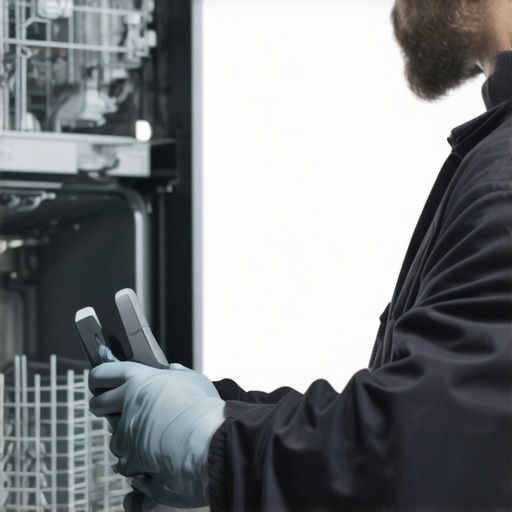
Lessons Only Experience Taught Me About Dishwasher, Parts, Warranty, Installation
- One of the biggest surprises was realizing how much I underestimated the value of interpreting error logs. They’re not just technical nuisances but a treasure trove of insights that can save you time and money, especially when dealing with warranty claims. Trust me, understanding these logs transformed my approach entirely.
- I also learned that investing in quality, OEM parts and proper installation practices aren’t optional—they’re essentials. Reusing old hoses or installing parts incorrectly often leads to recurring issues that frustrate and cost more in the long run. Our quick fixes can become long-term problems if we skip the basics.
- During my DIY journey, I discovered that patience paired with the right diagnostic tools makes all the difference. Using a multifunctional scanner and keeping meticulous maintenance records turned troubleshooting from guesswork into a precise science, empowering me to handle most issues confidently.
- Perhaps my most valuable lesson was that proactive maintenance and routine error log checks prevent leaks, breakdowns, and warranty rejections. A little regular attention now avoids costly repairs later—and keeps my dishwasher humming along smoothly.
My Must-Have Arsenal for Dishwasher Success
- OEM Parts and Trusted Suppliers: Ensuring compatibility and durability—see why selecting the right parts matters at this resource.
- Diagnostic and Maintenance Tools: A multifunctional scanner and quality cleaning brushes; these have saved me from unnecessary replacements and extended my appliance’s lifespan.
- Knowledge Resources: Well-curated guides and trusted tutorials have been my compass for correct installation and effective troubleshooting—learn more about proper parts handling here.
- Maintenance Log Apps: Digital tracking helps me stay ahead of potential issues and supports warranty documentation—check out helpful tools for this purpose.
Trust the Process, and Here’s Why
Remember, mastering your dishwasher’s diagnostics and maintenance isn’t just about fixing problems—it’s about gaining confidence in your skills, saving money, and extending your appliance’s life. Embrace the learning curve with patience, use the right tools, and keep record of every step. The pride and peace of mind that come from taking control are priceless. Want to start small? Try interpreting your next error code; you’ll be surprised how much you can learn. What tricky problem have you solved with a bit of DIY wisdom? Share your story below!
}#}#}**}}}#}#}**}#}**}**}#}**}#}**}**}#}**}#}**}**}#}**}#}**}**}#}**}#}**}**}#}**}#}**}**}#}**}#}**}**}#}**}#}**}**}#}**}#}**}**}#}**}#}**}**}#}**}#}**}**}#}**}#}**}**}#}**} #}**}#}**}#}**}#}**}**}#}**}#}**}**}#}**}#}**}**}#}**}#}**}**}#}**}#}**}**}#}**}#}**}**}#}**}#}**}**}#}**}#}**}**}#}**}#}**}**}#}**}#}**}**}#}**}#}**}**}#}**}#}**}**}#}**}#}**}**}#}**}**}#}**}**}#}**}#}**}**}#}**}#}**}**}#}**}#}**}**}#}**}#}**}**}#}**}#}**}**}#}**}#}**}**}#}**}#}**}**}#}**}#}**}**}#}**}#}**}**}#}**}#}**}**}#}**}#}**}**}#}**}#}**}**}#}**}#}**}**}#}**}#}**}**}#}**}#}**}**}#}**}#}**}**}#}**}#}**}**}#}**}#}**}**}#}**}#}**}**}#}**}#}**}**}#}**}#}**}**}#}**}#}**}**}#}**}#}**}**}#}**}#}**}**}#}**}#}**}**}#}**}#}**}**}#}**}#}**}**}#}**}#}**}**}#}**}#}**}**}#}**}#}**}**}#}**}#}**}**}#}**}#}**}**}#}**}#}**}**}#}**}#}**}**}#}**}#}**}**}#}**}#}**}**}#}**}#}**}**}#}**}#}**}**}#}**}#}**}**}#}**}#}**}**}#}**}#}**}**}#}**}#}**}**}#}**}#}**}**}#}**}#}**}**}#}**}#}**}**}#}**}#}**}**}#}**}#}**}**}#}**}#}**}**}#}**}#}**}**}#}**}#}**}**}#}**}#}**}**}#}**}#}**}**}#}**}#}**}**}#}**}#}**}**}#}**}#}**}**}#}**}#}**}**}#}**}#}**}**}#}**}#}**}**}#}**}#}**}**}#}**}#}**}**}#}**}#}**}**}#}**}#}**}**}#}**}#}**}**}#}**}#}**}**}#}**}#}**}**}#}**}#}**}**}#}**}#}**}**}#}**}#}**}**}#}**}#}**}**}#}**}#}**}**}#}**}#}**}**}#}**}#}**}**}#}**}#}**}**}#}**}#}**}**}#}**}#}**}**}#}**}#}**}**}#}**}#}**}**}#}**}#}**}**}#}**}#}**}**}#}**}#}**}**}#}**}#}**}**}#}**}#}**}**}#}**}#}**}**}#}**}#}**}**}#}**}#}**}**}#}**}#}**}**}#}**}#}**}**}#}**}#}**}**}#}**}#}**}**}#}**}#}**}**}#}**}#}**}**}#}**}#}**}**}#}**}#}**}**}#}**}#}**}**}#}**}#}**}**}#}**}#}**}**}#}**}#}**}**}#}**}#}**}**}#}**}#}**}**}#}**}#}**}**}#}**}#}**}**}#}**}#}**}**}#}**}#}**}**}#}**}#}**}**}#}**}#}**}**}#}**}#}**}**}#}**}#}**}**}#}**}#}**}**}#}**}#}**}**}#}**}#}**}**}#}**}#}**}**}#}**}#}**}**}#}**}#}**}**}#}**}#}**}**}#}**}#}**}**}#}**}#}**}**}#}**}#}**}**}#}**}#}**}**}#}**}#}**}**}#}**}#}**}**}#}**}#}**}**}#}**}#}**}**}#}**}#}**}**}#}**}#}**}**}#}**}#}**}**}#}**}#}**}**}#}**}#}**}**}#}**}#}**}**}#}**}#}**}**}#}**}#}**}**}#}**}#}**}**}#}**}#}**}**}#}**}#}**}**}#}**}#}**}**}#}**}#}**}**}#}**}#}**}**}#}**}#}**}**}#}**}#}**}**}#}**}#}**}**}#}**}#}**}**}#}**}#}**}**}#}**}#}**}**}#}**}#}**}**}#}**}#}**}**}#}**}#}**}**}#}**}#}**}**}#}**}#}**}**}#}**}#}**}**}#}**}#}**}**}#}**}#}**}**}#}**}#}**}**}#}**}#}**}**}#}**}#}**}**}#}**}#}**}**}#}**}#}**}**}#}**}#}**}**}#}**}#}**}**}#}**}#}**}**}#}**}#}**}**}#}**}#}**}**}#}**}#}**}**}#}**}#}**}**}#}**}#}**}**}#}**}#}**}**}#}**}#}**}**}#}**}#}**}**}#}**}#}**}**}#}**}#}**}**}#}**}#}**}**}#}**}#}**}**}#}**}#}**}**}#}**}#}**}**}#}**}#}**}**}#}**}#}**}**}#}**}#}**}**}#}**}#}**}**}#}**}#}**}**}#}**}#}**}**}#}**}#}**}**}#}**}#}**}**}#}**}#}**}**}#}**}#}**}**}#}**}#}**}**}#}**}#}**}**}#}**}#}**}**}#}**}#}**}**}#}**}#}**}**}#}**}#}**}**}#}**}#}**}**}#}**}#}**}**}#}**}#}**}**}#}**}#}**}**}#}**}#}**}**}#}**}#}**}**}#}**}#}**}**}#}**}#}**}**}#}**}#}**}**}#}**}#}**}**}#}**}#}**}**}#}**}#}**}**}#}**}#}**}**}
Related Posts
The $20 Smart Sensor That Detects Leaks Before Your Kitchen Floods
I remember the squish. That unmistakable, soul-crushing sound of a…
Hard Water vs. Smart Sensors: How to Protect Your Control Board
I'll never forget the moment I opened my dishwasher and…
Why your smart dishwasher is taking four hours to finish
Ever found yourself staring at your dishwasher's progress, only to…