
I remember the squish. That unmistakable, soul-crushing sound of a wet cotton sock hitting a hardwood floor that should be bone-dry. It was 3 AM, I just wanted a glass of water, and instead, I found myself standing in a lake. My dishwasher had developed a tiny, pinhole leak in the supply line—the kind of slow drip that stays hidden behind the kickplate until your subfloor is already ruined. If I had spent twenty bucks on a simple Wi-Fi sensor back then, I wouldn’t have been frantically Googling how to salvage a flooded kitchen after a supply line failure. Today, I’m going to show you how a tiny piece of tech can prevent this nightmare from ever happening to you. We’re going to look at why these sensors are the most important part of your kitchen setup and how to place them so they actually work.
Stop Waiting for the Puddle to Appear
Early in my DIY journey, I made a massive mistake. I assumed that because I followed a diy dishwasher installation step-by-step guide to the letter, my kitchen was invincible. I thought internal sensors were enough. But here is the reality: many internal sensors only detect leaks *inside* the machine’s pan, not a burst hose or a slow drip from a loose water inlet valve. Most people don’t realize that standard policies often have gaps; in fact, what your dishwasher warranty doesn’t cover can include the very flooring damage a $20 sensor prevents. According to the Insurance Institute for Business & Home Safety (IBHS), water damage is one of the most common and costly causes of home insurance claims, with average costs often exceeding $10,000 per incident. A smart sensor is essentially a cheap insurance policy that never expires. Have you ever noticed a mysterious damp spot under your sink and just hoped it was condensation?
Will a cheap sensor actually catch a real leak?
It is totally normal to be skeptical. I used to think these little plastic pucks were just toys for tech nerds. I worried they’d give me false alarms or, worse, stay silent while my kitchen flooded. The truth is, modern sensors are incredibly sensitive. I once had one go off because of a humid afternoon, which led me to discover why your smart sensors are giving you dirty readings in the first place. But that ‘false alarm’ actually taught me exactly where the water pools first. By the time you see water on your kitchen floor, it’s already too late for your cabinets. We need to catch the moisture the second it touches the ground. In the next section, I’ll show you the three ‘dead zones’ under your dishwasher where you must place these sensors to get a notification before the first floorboard warps.
Find the Hidden Gaps Under Your Unit
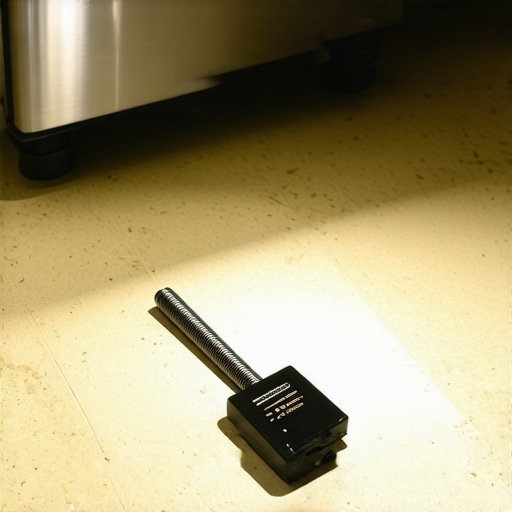
Think of your dishwasher like a submarine. It is a pressurized environment designed to keep water contained, but even the best hulls have weak points. To get the most out of your sensors, you have to place them in what I call the “first-touch” zones. This is where gravity pulls the first drop of a leak. Usually, this is directly beneath the water inlet valve or at the very back of the cabinet where the supply line enters the floor. I once ignored the area behind the toe kick, thinking the floor was level. It was not. Water traveled along a slight dip in the subfloor, bypassing my sensor entirely. That is why you should use the best way to test for a slow leak behind the kickplate before you even drop the sensor into place. Knowing the “grade” of your floor ensures you are not placing your defense on a hill while the water pools in the valley behind it.
Swap the Weak Links Before They Snap
A smart sensor is a great alert system, but it should not be your only line of defense. Think of it like a smoke detector; it is better to never have the fire. Many leaks happen because people reuse old, brittle plastic lines during a diy dishwasher installation step-by-step guide. I highly recommend upgrading to the most durable braided steel hoses for long-term safety. These hoses are like body armor for your plumbing—they are significantly harder to puncture or burst under pressure. While you are back there, take a hard look at your inlet valve. There is a massive difference between oem and generic water inlet valves. The generic ones often use thinner plastic housings that can hairline-crack after a few years of heat cycles. Spending an extra ten dollars on an OEM part is the cheapest insurance you will ever buy.
How I Caught a Pinhole Leak Before My Subfloor Rotted
Two years ago, I was installing a new unit and decided to be thorough. I placed one sensor near the drain pump and another right under the main supply connection. Three months later, my phone started screaming at 10 PM. I pulled the kickplate and found a tiny, rhythmic drip coming from the valve. It was not a flood, but it would have been if I had left it for a week. Because I knew how to replace a faulty water inlet valve in 15 minutes, I had the water off and the part swapped before my wife even finished her coffee the next morning. If I had not been monitoring parts to check when installing a dishwasher for long-term performance, that moisture would have wicked into the drywall and turned into a mold farm.
Get Your Setup Right the First Time
The secret to a leak-free kitchen is not just about the tech; it is about the physical layout. You need to ensure there are no “shadow zones” where water can hide. When you are looking at common dishwasher parts and their role in proper installation, remember that the drain hose is just as likely to leak as the supply line. If that hose is not secured with a proper clamp, it can vibrate loose during a high-pressure drain cycle. This is one of those essential parts for troubleshooting dishwasher installation issues that pros never skip. Always dry-run a cycle while watching the connections with a flashlight. It feels tedious, but seeing a dry floor during that first rinse is the only way to sleep soundly. Also, do not forget that maximizing your dishwashers warranty through proper parts selection starts with documented, correct installation steps, so your sensor is not just a warning—it is proof you did the work right.
We often think that buying a high-end machine and using OEM parts is enough to guarantee a decade of worry-free washing. But let’s dig deeper. In my years of fixing these machines, I’ve realized that the physical machine is only half the battle. The other half is the paperwork trail and the environment you put it in. Most people believe that a warranty is a shield, but without the right documentation, it’s just a piece of paper. I’ve seen homeowners lose thousands because of the risks of skipping the professional installation receipt. If you can’t prove the unit was installed to code, many manufacturers will simply walk away from a claim, regardless of whether the part itself was faulty.
The receipt that matters more than the machine
Here is a contrarian take: DIY installation is great for your ego, but it can be terrible for your wallet. While I love a good weekend project, understanding dishwasher warranty policies for peace of mind means acknowledging that some companies require a licensed tech signature to keep the “lifetime” tub warranty active. According to a study by the Association of Home Appliance Manufacturers (AHAM), nearly 25% of service calls for new appliances are actually related to installation errors rather than manufacturing defects. This is exactly why how to get your warranty claim approved on the first try often starts with having a pro check your work or doing it yourself with obsessive attention to the manufacturer’s specific requirements.
Can my local water quality actually kill my coverage?
This is the nuance most homeowners completely overlook. If you have hard water and aren’t using a softener or specific descalers, you might be slowly killing your machine and your coverage simultaneously. Many people don’t realize the impact of hard water on your warranty eligibility. If a heating element burns out because it’s coated in three millimeters of calcium, the manufacturer may classify that as “consumer neglect” rather than a defect. It is vital to learn the easiest way to clean calcium from your heating element to prevent this buildup before an inspector ever knocks on your door.
One tiny mistake that voids a lifetime guarantee
The “Oops” Factor is real. The most common trap I see is the reuse of old components to save twenty bucks. For example, why your professional installer refused your old cord isn’t just about them wanting to sell you a new part—it’s about safety and liability. An old cord can have micro-fissures in the insulation that lead to a surge, and why your warranty doesn’t cover power surges is a lesson you don’t want to learn the hard way. Always check parts to check when installing a dishwasher for long-term performance before you slide that unit into the cavity for the last time. Have you ever fallen into this trap? Let me know in the comments.
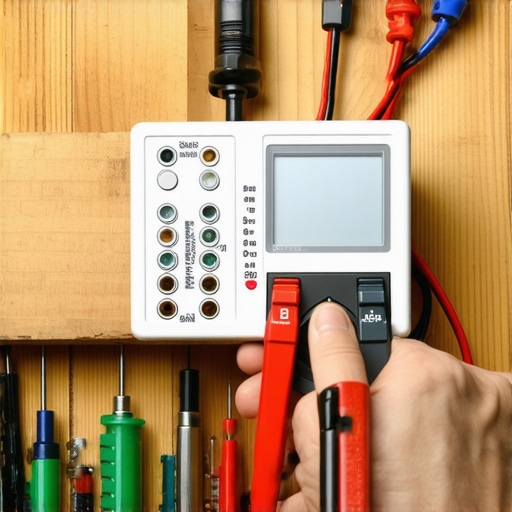
If you really want to graduate from ‘hopeful DIYer’ to ‘home maintenance pro,’ you need to stop guessing. I used to spend hours swapping parts based on a hunch, only to realize the issue was a three-dollar fuse. Now, I never open the kickplate without my digital multimeter. It is the single most important tool in my kit. Learning how to test your thermal fuse with a basic multimeter will save you more money than any coupon ever could. When you can verify continuity, you stop throwing parts at a problem and start solving it with data. This is the difference between a frustration-filled Saturday and a 15-minute fix.
How do I keep my dishwasher running like new for years?
Maintenance isn’t a one-time event; it is a rhythm. Beyond just cleaning the filter, you need to think about the ‘brain’ of your machine. We are entering an era where software matters as much as hardware. I’ve found that keeping your unit updated is becoming mandatory. If you don’t know how to update the firmware on your kitchen wi-fi module, you might find your machine behaving erratically for no physical reason. According to the Association of Home Appliance Manufacturers (AHAM) Service Technician Training Manual, nearly 15% of performance issues in modern smart units are resolved simply by a software patch rather than a mechanical repair. This trend is only going to accelerate. Within five years, I predict your dishwasher will use AI to adjust spray arm pressure automatically as it detects wear in the essential parts every dishwasher owner should know about.
Stop the shimmy and save your door seal
One of the most overlooked aspects of long-term care is the physical stability of the unit. If your dishwasher isn’t perfectly level, gravity is working against your gaskets every single time you run a load. I’ve seen brand-new units leak within months just because the legs weren’t adjusted properly. That’s why professional leveling prevents your door from leaking and keeps the tub from warping under heat. If your unit is installed in a tight cabinet, you should also look into the easiest way to install a side-mounting bracket kit. This prevents the machine from tipping forward when you have both racks fully loaded—a common cause of broken hinges and misaligned latches. Regularly checking these physical points is a key to effective maintenance that keeps your kitchen dry and your machine silent.
Verify the health of your components before they fail
I always tell my readers to be proactive. Don’t wait for the machine to stop mid-cycle. Use your diagnostic mode once every six months to check for error codes. This allows you to perform dishwasher part diagnostics during warranty periods, ensuring that if something is starting to fail, the manufacturer picks up the tab while you’re still covered. If you notice the water isn’t getting as hot as it used to, or the cycle is dragging on, it’s time to check when to replace dishwasher parts for optimal performance. My best advice? Grab a multimeter this weekend and try the most reliable way to test a thermal fuse just to get comfortable with the process. It’s a low-stakes way to build a high-value skill that will protect your home for a lifetime.
The Price of Skipping the Small Stuff
Reflecting on my early mistakes, I realized that modern appliances are far more fragile than the heavy-duty steel tanks our parents owned. One major lightbulb moment for me was discovering that a sensor is completely useless if your floor slopes the wrong way, allowing water to pool in a different corner. I also learned that keeping a digital folder of every professional receipt is just as vital as the physical maintenance itself. If you take away anything from my journey, let it be this: proactive monitoring is the only way to beat the high odds of water damage. It is about building a defensive system, not just plugging in a machine and crossing your fingers. You can find more expert advice on dishwasher installation troubleshooting to help you avoid these common pitfalls before they start.
#IMAGE_PLACEHOLDER_E#
Gear That Actually Saves Your Subfloor
If you are serious about protecting your home, you need a toolkit that goes beyond the basic manual. I rely on three specific items every single time I inspect a unit: a high-quality digital multimeter for checking electrical continuity, a set of high-grade braided steel hoses to replace the factory plastic ones, and a dedicated smart home hub for real-time alerts. When you are selecting the right parts for dishwasher installation, never settle for the ‘universal’ kits that feel flimsy or lightweight. I also highly suggest bookmarking the complete list of dishwasher parts covered by warranty so you know exactly what is protected before a component fails. These tools transform you from a reactive homeowner into a proactive guardian of your property.
Your Path to a Stress-Free Kitchen
You do not need to be a master plumber to keep your kitchen dry and your machine running like a dream. It starts with a simple shift in mindset—viewing your dishwasher as a complex system that needs a little bit of tech-savvy love and regular check-ups. By focusing on high-quality components and maximizing your dishwashers warranty coverage today, you are buying yourself years of peace of mind and significantly lower repair bills. Don’t wait for the unmistakable squish of a wet sock to take action. Have you ever had a smart sensor save you from a major home repair? Let me know in the comments below!
Related Posts

Why Your Touchscreen Controls Aren’t Responding to Your Finger
I'll never forget the moment I desperately tapped my dishwasher's…

The Hidden Reason Your Smart App Can’t Find Your Kitchen Hub
If you've ever stood in your kitchen, desperately trying to…
The Hidden Reason Your Smart Dishwasher Keeps Dropping Wi-Fi
Let me paint you a quick scene. There I was,…