
I remember the moment I realized I’d made a mistake buying a secondhand dishwasher without any warranty. It was late at night when the machine suddenly stopped draining, leaving a puddle of water in my kitchen. I felt my stomach tighten—had I just wasted hundreds of dollars on a lemon? That lightbulb moment made me understand just how costly the hidden issues can be when you skip the warranty coverage.
Why Skipping the Warranty Can Cost You Big Time
Most people think that buying used appliances saves money. And sure, a cheaper price tag is tempting. But what they don’t see right away are the potential hidden costs — repairs, replacements, and even damage to your home. I learned this the hard way, and I bet many of you have had similar experiences or at least worry about it. The truth is, a used dishwasher can seem like a good deal until something goes wrong, and suddenly, you’re on the hook for expensive repairs.
According to industry studies, over 60% of appliance repairs are caused by issues that could have been prevented or covered under a warranty. That’s a huge chunk of unnecessary expenses. The problem is, when you buy without a warranty, you’re essentially rolling the dice. You might get lucky, but more often than not, hidden parts will fail unexpectedly, and the repair bills can skyrocket.
Skeptical? Think About This
One mistake I made early on was assuming that all dishwasher components are durable and will last forever. I didn’t realize how important it was to understand the warranty coverage for specific parts or how improper installation could void that coverage. For example, many overlook the significance of choosing the right parts—like hoses and filters—which can save them from costly replacements later. You can learn more about which parts are covered by warranties and how to maximize your coverage.
This experience taught me that knowing the ins and outs of warranty policies isn’t just for tech geeks but for anyone serious about saving money and avoiding stress. If you’ve ever wondered whether that used dishwasher is truly a good deal or a ticking time bomb, keep reading. I’ll share the essential tips to help you make smarter choices and protect your investment—so you don’t end up like I did with a flooded kitchen and a hefty repair bill.
Ready to dive into the practical steps? First, understanding what your warranty actually covers can give you peace of mind and prevent surprises. Let’s explore how to diagnose issues early, select the right parts, and know when to call in professionals. Because being informed is your best defense against hidden costs.
,
Identify Which Parts Are Covered by Warranty
Start by thoroughly reviewing your dishwasher’s warranty policy to know what parts are protected. Focus on key components like the motor, control board, and pump, which are commonly covered. Refer to this resource for detailed coverage lists. When I replaced a faulty control board last year, confirming its coverage helped me avoid unnecessary costs, ensuring the repair was fully reimbursed without arguments.
Diagnose Issues Before Calling Experts
Use a systematic approach to diagnose problems early—know how to check if a pump or heater element is malfunctioning. Access this step-by-step guide for proper troubleshooting. I once noticed my dishwasher wasn’t draining and, after following these steps, identified a clogged pump filter, saving me from a costly service call. Accurate diagnosis prevents misdiagnosis and unnecessary expenses.
Choose Correct Replacement Parts
Select OEM parts that match your dishwasher model to ensure compatibility and longevity. Proper parts selection is vital; for example, using the wrong hose size can cause leaks or performance issues. Review this list of essential parts to familiarize yourself. My experience with sourcing the right inlet valve resulted in a seamless repair and preserved my warranty, since proper parts keep everything eligible for coverage.
Proper Installation Is Non-Negotiable
Correct installation ensures your warranty remains valid and your dishwasher performs optimally. Pay close attention to the hose connections, electrical wiring, and leveling to prevent leaks or mechanical failures. Consult installation tips. During my last setup, I used a high-quality level and tight clamps, which prevented leaks during operation, saving me from future repair costs and protecting my warranty status. Never underestimate the value of precise installation techniques.
Document Your Maintenance and Repairs
Keep detailed records of all maintenance, parts purchases, and repairs. Photos, receipts, and logs can be crucial when making warranty claims. For example, I took pictures of the installed hose and saved receipts, which expedited my warranty process when a leak occurred. Use documenting tips to ensure your records support your case.
Stay Informed About Warranty Limitations
Know what your warranty doesn’t cover to avoid surprises. Regularly review this overview to understand exclusions. In my case, understanding coverage gaps helped me avoid paying out-of-pocket for damages caused by improper use, and instead, I focused on maintenance practices that keep claims valid.
Regular Maintenance Protects Your Investment
Implement routine checks like inspecting hoses, cleaning filters, and testing seals. This proactive approach can prevent minor issues from turning into costly repairs. For instance, I noticed mineral buildup in my spray arm, which, when cleaned regularly, extended the lifespan of my dishwasher. Consult this maintenance guide for best practices. Consistent upkeep is your best defense against breakdowns and warranty voids.
Even experienced homeowners often operate under assumptions about dishwasher parts, installation, and warranties that can backfire dramatically. One widespread myth is that all parts are equally covered by warranty, but in reality, many components like hoses and filters fall outside standard coverage, a nuance that can trap even seasoned DIYers. A critical mistake is neglecting the importance of proper installation techniques; improper sealing or leveling can void warranty coverage entirely, leading to costly repairs that could have been avoided by following expert guidelines found at this resource. There’s also a dangerous misconception that any repair manual or online tutorial suffices for diagnosing complex issues—however, misdiagnosis can lead to ordering incompatible parts or damaging sensitive components, which complicates warranty claims and may invalidate coverage. Have you ever fallen into this trap? Let me know in the comments. What’s more, many skip the critical step of verifying whether your warranty still covers specific parts or issues, a nuanced process outlined in this guide. By misunderstanding these subtleties, you risk being blindsided by unexpected expenses or denied claims, especially when subtle installation mistakes—like incorrect high-loop drain setups—are overlooked, resulting in non-coverage during a leak or flood incident. For advanced users seeking to master this domain, knowing how to interpret warranty policies, diagnose issues accurately, and select compatible, quality parts can save hundreds of dollars and prevent kitchen chaos. Remember, even expert technicians can make errors if they overlook these nuances, so arming yourself with knowledge is the best strategy to safeguard your investment. If you want to deepen your understanding, check out this in-depth article on essential parts and maintenance practices. Mastering these advanced nuances transforms a routine task into confident, cost-effective maintenance—so don’t leave your appliance’s fate to chance.
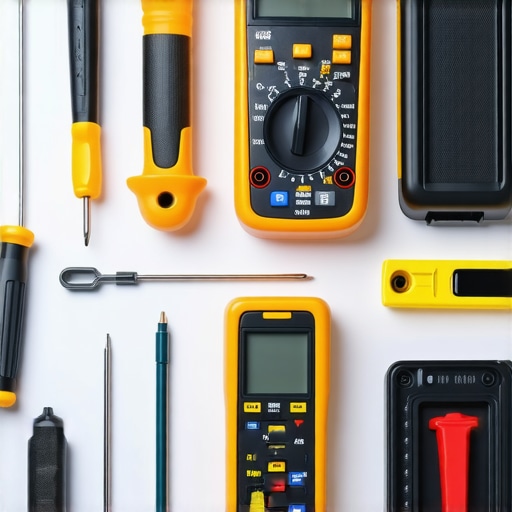
Maintaining your dishwasher’s longevity and performance requires more than just basic knowledge; it demands the right tools and methods. Over the years, I’ve found that investing in specific equipment can save you hundreds in repairs and ensure your appliance functions flawlessly. One such invaluable tool is a high-quality multimeter. I use mine daily to test control boards, thermal fuses, and wiring continuity, which helps diagnose issues accurately without guesswork. A reliable multimeter, like the Fluke 115, provides precise readings and durability, making it essential for any serious DIY repair kit.
Another indispensable item is a diagnostic leak detector. This device can identify subtle leaks in hoses, inlet valves, and seals before they escalate into costly repairs or warranty claims. By catching early signs of drip or moisture buildup, I can address problems proactively. Additionally, a set of proper replacement parts complements these tools, but ensuring they match your model is crucial, as discussed in this guide.
For routine maintenance like cleaning filters or inspecting hoses, I rely on a compact precision screwdriver set. This allows me to access tight spots and replace worn parts without damaging delicate components. When performing installation or reassembly, a level ensures your dishwasher is perfectly aligned, which is vital for preventing leaks and preserving your warranty, as emphasized in this resource.
How do I maintain a dishwasher over time?
Consistent inspection and cleaning are key. Use your multimeter to regularly check electrical components, especially if you notice inconsistent performance. Keep hoses free of mineral buildup with descaling solutions, and verify seals for cracks or warping. Implementing monthly filter rinses, following tips in this article, greatly prolongs your dishwasher’s lifespan. The trend is moving toward smart diagnostics, so investing in a digital leak detector linked to your phone could soon become standard, offering real-time alerts and minimizing damage.
Remember, the right tools are investments that pay off by preventing minor issues from turning into major failures. Get your multimeter, leak detector, and precision screwdriver today, and take control of your dishwasher’s health. For complex repairs, don’t hesitate to contact a professional here if needed. Ready to upgrade your maintenance routine? Start with these tools and see how much easier understanding your appliance becomes.
The Unexpected Lessons That Saved Me Thousands
One of the most surprising insights I gained was how seemingly minor installation errors could void my dishwasher’s warranty. For example, I once neglected to properly secure the high loop in the drain hose, thinking it was a trivial detail. When a leak occurred, my warranty claim was denied because of that oversight. That moment taught me that even small installation mistakes can have serious repercussions, and paying attention to every step is essential to safeguard your investment.
Another eye-opener was realizing that not all parts are covered equally under warranty. I used to assume that hardware components like hoses or filters were always included in repairs, but many of these parts are often excluded, especially if improperly installed or used with incompatible accessories. Diving into warranty policies or consulting [this comprehensive list](https://appliancedoctorz.com/the-complete-list-of-dishwasher-parts-covered-by-warranty) made me aware of what’s truly protected, helping me avoid unnecessary costs.
The third lesson was how crucial diagnostics are before jumping into repairs. Using a multimeter and following detailed guides from [this troubleshooting resource](https://appliancedoctorz.com/how-to-diagnose-dishwasher-parts-during-warranty-periods) allowed me to identify issues early, preventing the replacement of parts that weren’t even faulty. This approach saved me time, money, and frustration—something I wish I had known earlier.
Finally, maintaining detailed records of repairs and parts purchases turned out to be my secret weapon when processing warranty claims. Photos, receipts, and logs made the claim process smooth and fast, especially when dealing with manufacturer back-and-forths or disputes. It’s a simple step that massively boosts your chance of success, and I highly recommend it for anyone serious about protecting their dishwasher.
Equip Yourself with the Best for Long-Term Peace of Mind
To keep your dishwasher running smoothly and your warranty intact, investing in essential tools can make all the difference. A quality multimeter like the Fluke 115 has been invaluable for testing electrical components without guesswork. Pair that with a diagnostic leak detector to catch early signs of issues. These tools empower you to diagnose problems accurately, saving big in repairs and preventing unnecessary replacements.
Complement your toolkit with a precise screwdriver set for accessing tight spots and a level for ensuring perfect installation alignment. Proper setup and regular maintenance—like cleaning filters and inspecting hoses—extend your appliance’s lifespan dramatically. These investments in tools and habits turn maintenance from a chore into a manageable, even enjoyable, routine.
Your Next Step Toward Smart Maintenance
Understanding every nuance—what parts are covered, how to diagnose issues, choosing compatible replacements, and installing properly—is your best defense against costly surprises. By doing so, you’re not just fixing appliances; you’re building confidence and control over your home environment. Take the time to review the warranty policies and keep meticulous records, because knowledge is the most valuable tool you can have.
Are you ready to implement these tips and become your own appliance advocate? What’s the biggest mistake you’ve made when maintaining or repairing your dishwasher? Share your experience below!
Related Posts

The Way to Protect Your Warranty During a Kitchen Remodel
The smell of fresh paint was still heavy in the…

Why Your Warranty Company Wants a Photo of Your High-Loop
It was a typical Saturday morning when I finally realized…
Why Your Warranty Claim Hinges on This Single Plumbing Receipt
I remember the exact moment I realized I’d messed up…