
It was late one evening when I first experienced it—an ominous grinding noise coming from my dishwasher drain pump, echoing through my kitchen like a tiny construction site no one asked for. I frantically pressed pause, heart pounding, wondering if my brand-new appliance was already giving up the ghost. That unsettling sound persisted, disrupting both my peace and the quiet I cherished at home. If you’ve ever faced a similar battle with that deafening grind, you know exactly what I mean: a small annoyance that refuses to go away, dragging down your patience and, frankly, your enjoyment of a simple wash cycle.
Why It’s Crucial to Silence That Dingy Sound Before It Gets Worse
When your drain pump starts making that relentless grinding, it’s more than just an irritating noise—it’s a warning sign, a little alarm bell ringing that something isn’t sitting right. Ignoring it, hoping it will go away, is a recipe for bigger headaches, including potential leaks or pump failure that might leave you stranded with a flooded kitchen. I learned this the hard way early on. My first instinct was to tinker myself, which led to a costly mistake: I replaced parts without understanding the root cause, only to find the problem persisted or, worse, worsened. For reliable, long-lasting dishwasher performance, it’s better to conquer that noise at its source and understand the underlying cause. This journey into troubleshooting and fixing is simpler than you might think, and I’ll walk you through the core secrets I wish I knew from the start.
Is There Really a Quick Fix or Is This Just Hype?
Honestly, I was skeptical at first. Could something so seemingly minor as a grinding drain pump really be fixed with a few simple steps? Early mistakes taught me that rushing into parts replacement without proper diagnosis only wastes time and money. According to professional appliance technicians, understanding the specific cause—be it debris, worn-out impeller blades, or a clogged filter—can often resolve the issue without expensive repairs. You can check out common dishwasher parts to get familiar with the components involved. Don’t make the same mistake I did by assuming all grinding sounds are the same—each situation calls for a tailored approach. With proper troubleshooting, you can silence that grinding and extend your dishwasher’s life, saving yourself both frustration and money.
If your dishwasher’s drain pump has started grinding again or just refuses to shut up, don’t despair. The solutions are often straightforward once you understand what’s going wrong. Ready to learn how to quiet that noisy culprit and keep your dishwashing chores peaceful? Let’s dive into the exact steps to troubleshoot and fix your grinding drain pump before it turns into a bigger, more expensive headache.
Turn Off Power and Access the Pump
Start by unplugging your dishwasher or switching off the circuit breaker to ensure safety. Remove the lower panel or kickplate, usually secured with screws, to expose the pump assembly. Use a screwdriver to carefully detach the panel, keeping track of all screws for reassembly. When I did this during a busy weekend, I found that a simple power shutoff prevented any accidental electrical mishaps and made the process smoother.
Inspect and Clear Debris from the Pump and Impeller
Remove the Pump Cover Carefully
Locate the drain pump, typically a circular or oval-shaped component with a few hoses attached. Unscrew the pump cover to access the impeller—the small, rotating part responsible for moving water. Use a flat-head screwdriver if needed. My initial mistake was forcing the cover without checking for stubborn debris, which caused further damage. Gentle loosening is key.
Clear Out Obstructions
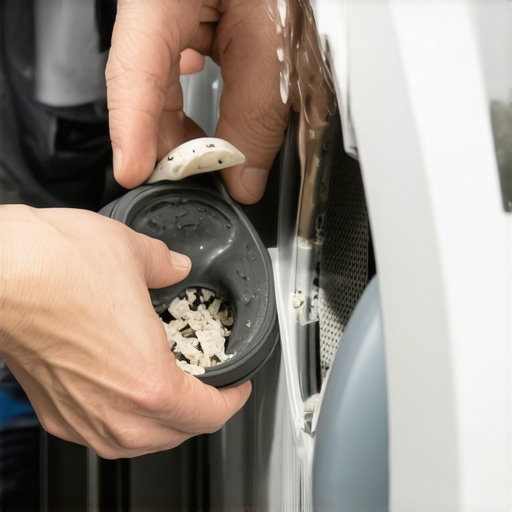
Check for any stuck debris, food particles, or foreign objects that might be causing the grinding sound. Use a pair of needle-nose pliers or a soft brush to gently remove debris. During my first attempt, a piece of hair caught in the blades was the culprit. Removing it immediately silenced the noise and restored normal function.
Examine the Impeller and Replace if Needed
Inspect the impeller blades—look for cracks, chips, or wear that could cause imbalance and noise. If blades are damaged, replace the entire pump assembly for a reliable fix. I learned this the hard way when a worn impeller caused persistent grinding even after clearing debris; replacing the pump resolved the issue definitively.
Check and Clean the Filter and Hoses
Follow the steps outlined in the common dishwasher parts guide to inspect the filters and hoses for blockages. Disconnect hoses carefully, clear any clogs, and reattach securely. Proper cleaning prevents future backups that could strain the pump and cause grinding.
Reassemble and Test
Replace the pump cover, secure the panel, and restore power. Run a short cycle to confirm if the grinding noise has stopped. If noise persists, recheck for loose fittings or consider replacing the pump. I often find that these straightforward steps can save hundreds compared to professional repairs, especially when assisted by good diagnostic practices.
Remember, always verify that your replacement parts are compatible with your dishwasher model. For long-term warranty coverage, see the warranty and parts selection guide. If unfamiliar with electrical repairs, consulting a professional might be safer, but this step-by-step approach covers most common issues effectively. Regular maintenance, including inspecting the parts outlined in installation parts checklist, helps keep your dishwasher running smoothly and quietly.Many homeowners assume that installing a dishwasher is a straightforward task and that parts compatibility and warranties are foolproof. However, even seasoned DIYers often get caught up in misconceptions that can lead to costly mistakes. Have you ever fallen into this trap? Let me know in the comments.
A common myth is that any replacement part will do as long as it fits physically. In reality, compatibility extends beyond size—it encompasses voltages, materials, and even the brand’s design standards. Choosing a generic or non-original part might seem tempting for saving money, but it often voids warranties and can cause performance issues. For instance, understanding the role of specific dishwasher parts helps ensure you select the right components for longevity and efficiency.
Another overlooked nuance involves warranties. Many believe that registering their appliance guarantees coverage, but manufacturers often specify precise installation and maintenance procedures required for warranty validity. Ignoring these can result in denied claims when repairs become necessary. To maximize your coverage, consult the warranty and parts selection guide. It’s a small step that can save hundreds in the long run.
Misconceptions also extend to professional installation practices. For instance, using third-party hoses or installing drain loops improperly can lead to leaks, backups, or even void your warranty. The industry’s best practices emphasize the importance of high-quality materials and correct routing, which many overlook. For detailed guidance, the expert tips for seamless installation provide invaluable insights.
And let’s not forget the importance of understanding when to replace parts. Waiting until a component completely fails might cause collateral damage, affecting other parts or leading to extensive water damage. Regular inspection and proactive replacements—guided by the preemptive maintenance checklist—are keys to long-term success.
Making informed decisions about parts, installation, and warranty terms isn’t just about fixing problems faster; it’s about optimizing your appliance’s lifespan and avoiding unnecessary expenses. Remember, a well-maintained dishwasher with correctly selected parts is quieter, more efficient, and ultimately, more reliable. Curious about the most overlooked installation pitfalls? Dive into these common troubleshooting tips to stay ahead.
By digging deeper into these nuances, you empower yourself to make smarter choices and prevent future headaches. Have you learned anything surprising here? Share your experiences or questions below!
Essential Tools for Reliable Dishwasher Maintenance
Over the years, I’ve found that having a few high-quality, specific tools makes all the difference in maintaining and repairing dishwashers efficiently. A digital multimeter is indispensable for diagnosing electrical issues, ensuring that components like thermostats and switches are functioning correctly. I personally use a Fluke 115 because of its accuracy and durability, which gives me confidence when testing control boards and wiring continuity. For mechanical inspections, a set of precision screwdrivers—preferably magnetic—helps in disassembling panels without risking damage or losing tiny screws. Additionally, a cordless, compact rotary tool simplifies cleaning impeller blades or removing stubborn grime from pump housings. Investing in these tools has saved me countless trips to the repair shop and reduces downtime.
Smart Software and Diagnostic Apps
Besides physical tools, leveraging diagnostic software has become a game changer. Some modern dishwashers are compatible with manufacturer apps or can be connected via Bluetooth modules, allowing you to read error codes directly to your phone. I recommend tools like the manufacturer diagnostic apps for your specific model. They guide you through troubleshooting steps and often suggest parts to replace before complete failure occurs. This proactive approach helps extend the life of your machine and ensures you’re not caught off-guard by unexpected breakdowns.
The Power of Preventative Maintenance
Routine checks and preventive actions can dramatically improve long-term performance. Regularly inspecting water inlet valves, filters, and hoses—using the parts to check during installation—ensures they’re clear and corrosion-free. I personally schedule bi-annual maintenance sessions, during which I run a vinegar cycle to descale and clean sensors, and replace worn hoses or seals. Keeping the warranty in mind (see warranty specifics) emphasizes the importance of using certified parts and avoiding shortcuts. Consistent maintenance not only prevents costly repairs but significantly improves energy efficiency.
Scaling Your Appliance Care
If your dishwasher serves a busy household, scaling maintenance practices becomes essential. Setting up a maintenance schedule with detailed checklists—focusing on key parts like impellers, seals, and control panels—can prevent issues before they happen. Advanced sealing kits or high-quality replacement parts, often favored by serious DIY enthusiasts, ensure a snug fit and prevent leak-related warranty claims (for extensive part info, check essential parts guide). Incorporating these practices into your routine offers peace of mind, reduces downtime, and keeps your dishwasher performing at its best for years to come.
Future Trends in Dishwasher Maintenance
Looking ahead, I predict integration of IoT devices and AI-powered diagnostics will become standard, enabling smarter maintenance schedules and real-time alerts for potential failures. These innovations will make troubleshooting more precise and efficient, possibly reducing the need for manual inspections. For now, mastering the tools and practices mentioned above provides an excellent foundation for keeping your dishwasher in top shape. Don’t hesitate to test the latest diagnostic apps or implement a routine inspection—these advanced tactics can save you time and money. Want to make a difference today? Try setting up a bi-annual vinegar cleaning cycle and note its effects on cycle smoothness and sensor accuracy. Your future self will thank you for it.
What I Wish I Knew About Installation and Warranty Traps
One of the biggest lessons I learned was never to assume that generic parts or DIY shortcuts won’t affect your warranty or the washer’s longevity. Small details, like proper hose routing and using manufacturer-approved components, can prevent voiding warranties and costly repairs down the line.
Choosing the right parts isn’t just about fitting—it’s about understanding compatibility, material quality, and brand standards. I once replaced a pump with a non-original part, which led to noise and early failure. Remember, high-quality, OEM parts ensure durability and maintain warranty coverage, as explained in this guide.
Another insight: professional installation practices matter. Proper leveling, secure connections, and correct electrical wiring aren’t just recommendations—they’re requirements that protect your investment. Avoiding shortcuts here saved me from unexpected leaks and breakdowns.
Lastly, paying attention to manufacturer-specific maintenance routines can make all the difference. Regular inspections, cleaning filters, and proactive part replacements extend your dishwasher’s lifespan and performance. For detailed info, check this resource.
Tools and Tips That Changed My Repair Game
Over the years, I found that equipping myself with essential tools like a digital multimeter, precision screwdrivers, and a quality fan brush can significantly speed up troubleshooting and repairs. These tools help diagnose issues accurately, saving time and money. For recommended options, I trust this explanation of key components.
Smart diagnostics have also revolutionized DIY repairs. Connecting your dishwasher to manufacturer apps or using Bluetooth modules enables real-time error code reading, empowering you to tackle issues proactively. I’ve used these diagnostic tools with great success.
Creating a maintenance routine tailored to your household load—like seasonal filter checks and vinegar descales—prevents unexpected failures and keeps your dishwasher running quietly. Incorporating these practices, backed by resources like this checklist, offers peace of mind and better performance.
Your Next Step: Take Control of Dishwasher Care
Now that you’re armed with insider wisdom, it’s time to implement these tips. Regular maintenance, correct part selection, and proper installation practices not only fix issues faster but also prolong your dishwasher’s life. Remember, a quiet, reliable kitchen starts with informed choices and proactive care. Are you ready to dive into your next repair project with confidence?
Have you ever run into a specific installation or warranty challenge that surprised you? Share your story below and let’s learn together!
Related Posts

The Easiest Way to Clean Calcium From Your Heating Element
I’ll never forget the sound of my dishwasher screaming for…
How to Swap a Grungy Door Seal Without Removing the Unit
I remember the smell first. It was a damp, swampy…

Why Hard Water Is the Enemy of Your Smart Sensor
It was a quiet Sunday afternoon when I first noticed…