
I remember the sinking feeling when I opened my dishwasher and found dirty dishes staring back at me, despite running a cycle. It was one of those mornings when I realized that a simple part had failed, turning my reliable kitchen helper into a frustrating paperweight. That moment sparked my journey into understanding dishwasher parts and how to replace them myself. If you’ve ever faced a similar surprise, you know how overwhelming it can be to figure out what’s wrong and whether you should call a pro or try fixing it yourself. Today, I want to share what I’ve learned about common dishwasher parts and, more importantly, how you can confidently replace them without unnecessary headaches.
Detach the Dishwasher Carefully
Start by unplugging your dishwasher to avoid electrical hazards. Then, remove the lower kick plate or panel using a screwdriver, just like taking off a cover to access the inner workings of a machine. I remember the first time I did this; I struggled a bit with the clips but managed to get it off after a few tries. This step exposes the internal components, making it easier to locate the faulty part.
Identify the Faulty Part
Next, examine the parts for visible damage such as cracks, corrosion, or clogs. For example, if your dishes aren’t drying properly, the heating element might be the culprit. Comparing what you see with the list of Essential Parts Every Dishwasher Owner Should Know About can help pinpoint the issue. Remember, a bad float switch can cause drainage problems, which is just as common as a worn-out pump.
Remove the Damaged Part
Loosen any screws or clips holding the part in place. For instance, replacing a drain valve involves unscrewing it from the sump area. I once replaced mine without much prior experience, and although it was messy, I managed to remove the old valve successfully. Keep track of all screws and small parts so you don’t lose them during reassembly.
Prepare the Replacement Part
Before installing the new part, compare it with the old one to ensure correct fit. Some parts, like door seals, are flexible, but others, like timers or motors, have specific orientations. If you’re unsure, consult the manufacturer’s manual or DIY Dishwasher Installation: Step-by-Step Guide for detailed instructions. I always test the new part outside the machine first to check for proper operation.
Install the New Part
Secure the new part with screws or clips, making sure everything is tight but not over-tightened to prevent damage. Reconnect any hoses or wires, ensuring they snap into place securely. When I replaced my dishwasher’s pump, I carefully followed this step, which prevented leaks later on. Reassemble the panel or kick plate, and plug the dishwasher back in.
Test the Repair
Run a short cycle to verify that the new part works correctly. Check for leaks, proper drainage, and heating. If issues persist, double-check connections or revisit the faulty part. Remember, regular maintenance and knowing the Common Dishwasher Parts and How to Replace Them Effectively can save you time and money in the long run.
<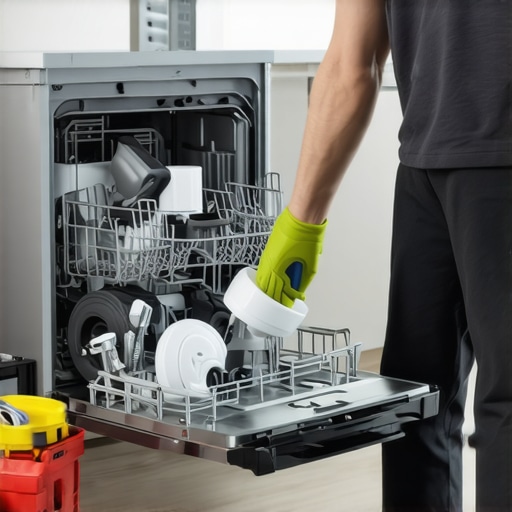 >Many homeowners assume that replacing common dishwasher parts is as straightforward as swapping out a component and calling it a day. However, this oversimplification can lead to costly mistakes and recurring issues. One critical misconception is the belief that all parts are interchangeable or that generic replacements will suffice. In reality, using non-manufacturer-approved parts might save you money upfront but can compromise performance and void your warranty. For example, a poorly fitting door seal can cause leaks, while a mismatched pump might not handle the water flow properly, leading to inefficient cleaning. Make sure to verify part compatibility by checking the model number and consulting the manufacturer’s specifications, which is often overlooked but essential for effective repairs. “Essential Parts Every Dishwasher Owner Should Know About” offers detailed insights on selecting the right components.Maintaining your dishwasher and its parts over time requires the right tools and a proactive approach. I personally rely on a few key tools that make troubleshooting and repairs much easier, saving me both time and money. For example, a high-quality multimeter is essential for diagnosing electrical issues, especially when testing components like the heating element or motor. I prefer a multimeter with auto-ranging capabilities and a robust build, such as the Fluke 117, because it provides accurate readings quickly and withstands the occasional drop or bump in my workshop. Another tool I keep handy is a set of precision screwdrivers, which are perfect for working with small screws found in dishwasher components. I recommend choosing screwdrivers with magnetic tips to prevent losing tiny fasteners inside the machine. When replacing parts like door seals or filters, a plastic pry tool can help remove panels without damaging the surface. I suggest investing in a quality set that includes various shapes to access tight spots easily.
Regularly cleaning and inspecting parts like spray arms, filters, and the drain pump can extend your dishwasher’s lifespan. I do this every few months, removing and soaking components to prevent clogs caused by mineral buildup or debris. For tougher cleaning tasks, I use a vinegar-based descaling solution, which is effective and eco-friendly. Keeping a detailed maintenance log can also help identify recurring issues early, especially if your dishwasher is still under warranty. Knowing the manufacturer’s recommended maintenance schedule—often found in the user manual or on their website—can prevent costly repairs down the line.
Looking ahead, I believe the trend toward smart dishwashers with diagnostic capabilities will grow. These models can alert you to issues via smartphone apps, making maintenance even more straightforward. However, even with advanced tech, having a set of reliable tools and basic knowledge about your appliance remains invaluable.
How do I maintain my dishwasher parts over time? Beyond just cleaning, I recommend periodically testing electrical components with a multimeter to catch problems early. Also, keep spare parts like door seals and filters on hand, so you can replace worn pieces before they cause larger issues. This proactive approach minimizes downtime and helps your dishwasher operate at peak efficiency. If you want to get more out of your DIY repairs, check out Top Tips for Seamless Dishwasher Installation in 2025 for advanced strategies. Remember, the key to long-term performance is regular care with the right tools and a bit of preventive maintenance.
The Hardest Lesson I Learned About Dishwasher Parts
One of the most valuable lessons I learned was that not all parts are created equal. Using generic replacements might seem like a good idea initially, but I found out the hard way that they often don’t fit properly or last as long. Always verify part compatibility with your model number to avoid wasted time and money.
3 Myths About Dishwasher Maintenance That Held Me Back
I used to believe that running the dishwasher more often would keep it clean and prevent breakdowns. False. Overusing it without proper maintenance actually causes more wear. Regularly inspecting and cleaning parts like spray arms and filters is more effective and saves you from unexpected failures.
What Experts Won’t Tell You About Replacing Dishwasher Parts
Many professionals keep certain tips to themselves, but I’ve learned that patience and attention to detail are key. For example, testing electrical components with a multimeter before installing a new part can prevent future headaches. Investing in good tools is essential for smooth repairs.
My Essential Toolkit for Dishwasher Repairs
I rely on a high-quality multimeter, precision screwdrivers, and plastic pry tools. These tools have made troubleshooting and replacing parts much simpler. I trust brands like Fluke for multimeters because they provide reliable readings, which is crucial when diagnosing electrical issues.
Where to Go from Here
Now that you know the basics, consider keeping spare parts like door seals and filters on hand. Regular checkups and maintenance can extend your dishwasher’s lifespan significantly. For advanced tips, check out Top Tips for Seamless Dishwasher Installation in 2025 and stay proactive with your appliance care.
Your Turn to Try
Taking on dishwasher repairs can be empowering and cost-effective. Remember, understanding your dishwasher’s parts and knowing how to replace them opens up a new level of confidence in home maintenance. Keep learning, stay patient, and don’t be afraid to get your hands dirty.
What’s the first part you plan to replace on your dishwasher? Share your thoughts below!