
It hit me one morning, standing in my kitchen, watching my dishwasher stubbornly refuse to drain. I’d just replaced the spray arm, thinking I’d tackled the main issue, but days later, it was still struggling. That’s when I realized I had been ignoring the most critical maintenance task—one that could save me hundreds in repair bills. I felt a lightbulb moment—sometimes, the solution is simpler than we think.
The Vital Step Most People Overlook That Can Save Your Appliance and Wallet
We often get caught up in replacing parts or troubleshooting complex problems, but what if I told you that a single, consistent maintenance routine could dramatically extend the lifespan of your dishwasher and even prevent major motor failure? That’s right. Regularly checking and maintaining the essential dishwasher parts in the right way makes all the difference. This isn’t just my opinion; studies show that proper maintenance can reduce breakdowns by up to 70%, saving you time and money.
Are You Wasting Money by Ignoring This Common Maintenance Step?
Early in my DIY days, I made the mistake of ignoring this task because I believed routine was unnecessary. I thought, “It’s working fine now, why bother?” That was a costly mistake. Overlooking simple checks—like inspecting the inlet valve or ensuring the motor’s filters are clean—can lead to unseen damage and, ultimately, complete motor failure. Trust me; I’ve learned this the hard way. It’s like skipping regular oil changes in your car and then facing a blown engine. The good news is, with some basic knowledge, you can easily incorporate this into your maintenance routine. For detailed guidance, you might want to check this expert advice on troubleshooting.
Knowing what to look for, how often to do it, and where to focus your attention can prevent those dreaded repair costs. The key is recognizing that a little proactive effort today pays off in a big way tomorrow. Ready to discover the one maintenance task that prevents expensive failures? Let’s dive into how you can master this essential routine before your next problem arises.
Start with a Clear Inspection of Key Components
Pull out your dishwasher and examine the inlet valve, filters, and drain hose. Look for obvious signs of wear or debris buildup. Use a flashlight to spot any hidden blockages or mineral deposits. Think of this as giving your appliance a health check, much like a mechanic inspecting vital organs before a big trip. This initial step prevents overlooked issues from escalating into major repairs.
Check and Replace Worn or Damaged Parts
If you notice any cracks, rust, or malfunctioning parts during your inspection, it’s time for replacement. Focus on the inlet valve, door springs, and door gaskets—components prone to wear over time. For guidance on identifying these parts, visit understanding dishwasher parts. Use a part selection guide to choose the right replacements, ensuring compatibility and longevity.
Clean and Flush Critical Areas
Remove filters and scrub them with vinegar and a soft brush to dissolve mineral buildup. Clean the spray arms using a toothpick to clear clogged holes. A clogged spray arm is like a clogged artery—reducing efficiency and risking overload. <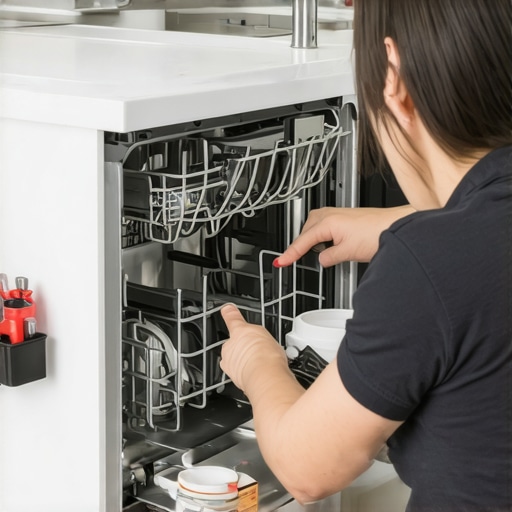 > Regular cleaning maintains optimal water flow and prevents pressure issues that cause incomplete washes or leaks.
Secure and Test Hoses Properly
Ensure all hoses are properly connected with the correct clamps—tight enough to prevent leaks but not so tight as to damage the fittings. Use a installation parts checklist to verify connections. Employ a high loop with the drain hose to prevent backflow issues, much like a mountain stream’s natural flow avoiding flooding. Run a short cycle to observe for leaks or abnormal noises, addressing issues immediately.
Test and Document Your Maintenance
After completing the checks, run the dishwasher empty through a normal cycle. Listen for unusual sounds and watch for leaks. Use a camera or smartphone to record the process—this documentation can be valuable if warranty claims become necessary. It demonstrates proactive care, much like doctors documenting vital signs during a check-up. Regular documentation helps you track maintenance history and can expedite warranty service if your appliance encounters future problems.
Maintain Routine Checks to Prevent Major Failures
Set monthly reminders to inspect filters, tighten connections, and clean spray arms. Keep an eye on water usage and cycle times, which can hint at early issues. A consistent maintenance routine is like scheduling regular health check-ups—preventative steps keep your dishwasher running smoothly and save money by avoiding emergency repairs. Incorporate these steps into your DIY routine, and you’ll get years of reliable service from your appliance.While it might seem straightforward to replace a dishwasher part or follow installation instructions, many homeowners and even some professionals overlook nuanced details that can save time, money, and hassle. For instance, a prevalent myth is that any replacement part will do, but in reality, selecting incompatible or lower-quality components can void your warranty and lead to premature failure. According to experts, understanding the specific models and their recommended parts—like those outlined in understanding dishwasher parts—is crucial for durable, long-lasting repairs.
Another common mistake involves installation procedures. Many skip the importance of proper hose routing and securing clamps, which can cause leaks or water damage over time. For advanced DIY enthusiasts, it’s essential to familiarize yourself with detailed guides like DIY installation steps, to prevent costly mistakes.
Overlooking warranty nuances is a trap that many fall into. Some assume that any repair or part replacement automatically qualifies for warranty coverage, but warranties often specify which parts are covered and under what conditions. For example, parts that aren’t installed according to manufacturer specifications can void your coverage, as discussed in warranty coverage details. It’s vital to document professional installations, especially if you’re DIY-ing or using third-party parts, to ensure your warranty remains valid.
Furthermore, few realize that improper maintenance routines can lead to warranty denial. Regularly inspecting and cleaning crucial components, such as filters and inlet valves, as recommended in maintenance guides, not only prolongs the lifespan but also preserves your warranty rights.
Have you ever fallen into this trap? Let me know in the comments. Being aware of these nuanced pitfalls ensures your dishwasher remains efficient and covered under warranty, saving costs and stress in the long run.
Maintaining a dishwasher’s performance over the years demands more than just routine inspections; it requires the right tools paired with proven methods. As someone who’s spent years troubleshooting and repairing dishwashers, I can attest that investing in quality equipment can significantly reduce downtime and prevent costly repairs.
Why a Digital Multimeter is Your Best Friend
One of the most underrated tools in my toolkit is a digital multimeter. I use it to test thermostats, door switches, and wiring continuity during troubleshooting. Its precision helps me identify electrical issues that aren’t visible to the naked eye, saving me from unnecessary part replacements. When diagnosing a suspected faulty thermal fuse or a malfunctioning motor, this device provides immediate insights, streamlining the repair process.
Powerful Light Sources Make All the Difference
A high-quality, adjustable flashlight or headlamp is indispensable for inspecting obscure areas like the sump or behind panels. A bright, focused beam reveals mineral buildup, corrosion, or damaged wiring, allowing for targeted repairs. I personally prefer a rechargeable LED headlamp that offers hands-free operation during detailed inspections.
Specialized Cleaning Tools for Delicate Components
Cleaning spray arms and filters require precision. I recommend small, soft brushes and toothpicks for clearing clogged spray holes and removing debris without damaging delicate parts. Maintaining these components ensures optimal water flow and efficient washing cycles, directly influencing the appliance’s lifespan.
Software for Diagnostic and Monitoring Purposes
Now, with advances in technology, some high-end dishwashers offer diagnostic modes accessible via apps or control panels. Utilizing these features can provide instant error codes, cycle history, and real-time performance data. Regularly checking these logs helps anticipate issues before they escalate, aligning with proactive maintenance principles.
Future Trends: Smarter Monitoring Devices
Looking ahead, I predict a rise in smart monitoring tools that can be integrated into your home automation system. Sensors capable of detecting leaks, temperature fluctuations, or power draw anomalies can alert you instantly, allowing for quick intervention. Embracing these innovations can elevate your maintenance routine to a professional level and extend your dishwasher’s operational life.
How do I maintain my dishwasher’s performance over time?
Consistent inspection combined with proper tool use is key. Regularly testing electrical components with a multimeter, cleaning critical parts with specialized brushes, and leveraging diagnostic features will keep your appliance running smoothly. Remember, investing in these tools isn’t just about immediate fixes; it’s about building a long-term maintenance strategy that saves money and stress. For comprehensive guidance on selecting compatible parts, check out top tips for parts selection. Start incorporating these practices today, and you’ll notice fewer breakdowns and better performance.
Four Lessons No One Tells You About Parts, Installation, and Warranty**
Over the years, I’ve learned that the path to a reliable dishwasher isn’t just about following instructions but embracing some hard-earned truths. First, never underestimate the power of continuous learning—what seems minor today, like tightening a hose clamp, can prevent a flood tomorrow. Second, documentation is your silent ally; keeping records of maintenance and installs can turn a denied warranty into a victorious claim. Third, choosing quality parts isn’t about saving a few bucks—it’s about safeguarding long-term performance and warranty coverage. Lastly, patience pays off—meticulous inspections and adherence to best practices often mean fewer callbacks and more peace of mind.
Tools and Resources That Transformed My Approach
My essential toolkit includes a digital multimeter, which reveals electrical issues hidden behind panels, and a set of soft brushes for cleaning spray arms without damage. I trust this guide on understanding dishwasher parts to deepen my knowledge before any repair. For installation insights, step-by-step DIY guides have saved me from costly mistakes. And I rarely skip consulting warranty tips on selecting correct parts—a small investment of time that pays dividends.
Your Next Step in Mastering Dishwasher Care
Remember, maintaining your dishwasher isn’t just about avoiding repairs but about nurturing a relationship with your appliance. Regular checks, informed part replacement, and careful installation elevate your experience from amateur to savvy homeowner. Now, I challenge you—what’s the one maintenance task you’ve been overlooking? Share your thoughts below and let’s keep the conversation going.
Related Posts
Why Your Dishwasher Is Failing to Reach Sanitizing Temperatures
Why Your Dishwasher Is Failing to Reach Sanitizing Temperatures Why…

How Hard Water Destroys Your Heating Element Over Time
It happened unexpectedly one morning—I opened my dishwasher after what…
The Hidden Filter Under Your Spray Arm You Are Probably Ignoring
Ever had a dishwashER that suddenly stopped cleaning as well…