
Ever experienced that sinking feeling when your brand-new dishwasher suddenly stalls during a wash cycle, or worse, when it sparks and immediately shuts down? I remember the first time it happened to me—it was late on a Saturday night, and I had guests arriving the next morning. My shiny new appliance flickered ominously, and I panicked. That unsettling moment sparked a realization: my dishwasher, like many modern appliances, is more vulnerable than I thought.
The Hidden Danger Lurking Behind Your Dishwasher’s Quiet Operation
Is a Surge Protector Overkill for My Dishwasher?
At first, I dismissed the idea of using a surge protector—aren’t those just for computers or expensive TVs? Well, I was wrong. Modern dishwashers are equipped with sensitive electronic control boards that can be easily damaged by voltage spikes. In fact, a study showed that power surges can cause significant damage to household appliances, leading to costly repairs or replacements (source: Understanding Dishwasher Warranties).
Early on, I made the mistake of plugging my dishwasher directly into a standard outlet without any protection. It’s a common oversight. But after experiencing a surge, I learned just how quickly a simple power spike can render expensive components useless. Investing in a quality surge protector turned out to be a game-changer for protecting my investment and peace of mind.
Today, I want to share how you can safeguard your dishwasher against these unseen threats and why it’s an upgrade worth making. If you’ve ever faced unexpected appliance failures or wondered whether your appliance is truly protected, keep reading.
What You’ll Discover
In this post, I’ll walk you through the essential reasons why every smart dishwasher should be connected to a surge protector, the common misconceptions, and practical tips to ensure your appliance stays safe and functional for years to come. Whether you’re a seasoned homeowner or a new appliance owner, understanding these details can save you time, money, and frustration.
Choose the Right Surge Protector
Begin by selecting a surge protector designed for household appliances, preferably one with a Joule rating of at least 2000, which can absorb significant power spikes. Look for models with a clamping voltage below 400V to ensure quick response during voltage surges. When I replaced mine, I carefully reviewed the specifications and opted for a trusted brand known for durability.
Identify the Installation Location
Next, locate a suitable spot near your dishwasher’s power outlet that allows easy access. Ensure the area is dry, well-ventilated, and free from obstructions. I found that mounting the surge protector directly onto the wall behind the dishwasher minimized wire clutter and kept everything within reach during maintenance.
Power Down and Prepare
Before proceeding, turn off the dishwasher’s power at the circuit breaker to prevent electrical mishaps. Use a multimeter to verify that no voltage is present at the outlet. I always double-check to avoid shocks—safety first. Once confirmed, unplug the dishwasher from the outlet.
Install the Surge Protector
Connect the surge protector to the wall outlet. If your surge protector has a mounting plate, secure it to the wall using appropriate anchors—consider a plastic wall plug if mounting on drywall. When I did this, I made sure to keep the cord slack to prevent strain on the connection, which prolonged the device’s lifespan.
Ensure Proper Grounding
Verify that the surge protector’s grounding wire is properly attached. Poor grounding can nullify the protector’s effectiveness. I checked my home’s grounding system periodically and had a professional re-verify it, aligning with recommendations from [understanding-dishwasher-parts](https://appliancedoctorz.com/understanding-dishwasher-parts-a-key-to-effective-maintenance).
Connect Your Dishwasher
Plug your dishwasher’s power cord into the surge protector outlet. Make sure the connection is stable and that the cord isn’t stretched or pinched by nearby furniture or obstacles. Remember, using high-quality parts and correct installation techniques can help maximize your warranty coverage; see [maximizing-your-dishwashers-warranty](https://appliancedoctorz.com/maximizing-your-dishwashers-warranty-through-proper-parts-selection) for more advice.
Test the Setup
Turn the circuit breaker back on and run a short cycle on your dishwasher to confirm proper operation. Listen for any irregular sounds or errors—these could indicate an installation issue. Keep a close eye on the display panel, and review your smart home app if you have one, to monitor for unexpected alerts. Regular checks can help detect early signs of trouble, which ties into effective maintenance strategies discussed at [expert-advice-on-dishwasher-installation-troubleshooting](https://appliancedoctorz.com/expert-advice-on-dishwasher-installation-troubleshooting).
Maintain Your Surge Protection System
Periodically inspect the surge protector for signs of wear or damage. Replace it every 3-5 years or after a significant power surge incident. Proper documentation of your installation can help future warranty claims, as mentioned in [documenting-professional-installation](https://appliancedoctorz.com/how-to-document-a-professional-install-for-future-warranty-security). Keep your setup clean and free of dust for optimal performance.
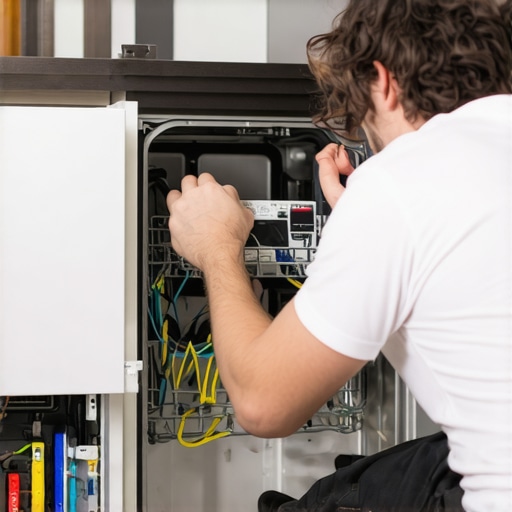 Many homeowners assume that installing a dishwasher is a straightforward task, but beneath the surface, there are nuanced pitfalls that can compromise your appliance’s longevity and warranty coverage. One widespread misconception is that all parts used during installation are interchangeable or of equal quality. In reality, choosing generic or low-quality parts, such as hoses or seals, can lead to leaks or early failure, voiding your warranty. To prevent this, I recommend consulting comprehensive guides like [understanding-dishwasher-parts](https://appliancedoctorz.com/understanding-dishwasher-parts-a-key-to-effective-maintenance) to select the right components for durability and warranty compliance.
A common mistake is underestimating the importance of proper grounding during setup. Many overlook or improperly connect grounding wires, which can make surge protectors less effective or cause electrical hazards. Ensuring correct grounding enhances your surge protection’s efficiency, safeguarding sensitive control boards from voltage spikes. For advanced insights, see [maximizing-your-dishwashers-warranty-through-proper-parts-selection](https://appliancedoctorz.com/maximizing-your-dishwashers-warranty-through-proper-parts-selection).
Another trap is neglecting the significance of high-loop drain hoses. While it might seem trivial, a high-loop design prevents backflow and siphoning issues that can flood your kitchen or damage the unit. Skipping this step is a recipe for disaster, especially if your installation doesn’t adhere to local building codes. To get it right, refer to [how-to-prepare-your-kitchen-for-dishwasher-installation](https://appliancedoctorz.com/how-to-prepare-your-kitchen-for-dishwasher-installation) and [the-12-hammer-arrestor-that-stops-banging-pipes-forever](https://appliancedoctorz.com/the-12-hammer-arrestor-that-stops-banging-pipes-forever).
Additionally, many homeowners don’t realize that incorrect leveling can cause door seal failures or uneven water drainage, leading to mold growth and component wear. Proper leveling isn’t just aesthetic; it ensures optimal performance and protects your warranty. Check out [how-to-level-your-machine-without-removing-the-toe-kick](https://appliancedoctorz.com/how-to-level-your-machine-without-removing-the-toe-kick) for step-by-step tips.
Finally, a stealthy mistake involves ignoring documentation of your installation process. Without detailed records or photographic evidence, warranty claims after a failure can become complicated, especially if your installer or manufacturer disputes the setup. My advice is to document every step diligently, as outlined in [how-to-document-your-installation-to-guarantee-warranty-approval](https://appliancedoctorz.com/how-to-document-your-install-for-future-warranty-security).
Don’t let these common oversights undermine your appliance investment. By paying attention to nuanced details—like proper part selection, grounding, drain hose configuration, leveling, and meticulous documentation—you safeguard your warranty and extend the life of your dishwasher. Have you ever fallen into this trap? Let me know in the comments.
Essential Tools for Maintenance and Troubleshooting
Maintaining your dishwasher’s performance over the years requires more than just mindfulness; it demands the right tools and methods. Personally, I rely heavily on a high-quality digital multimeter because it helps me verify the integrity of electrical components like thermostats and control boards with precision. I prefer a multimeter with auto-ranging capabilities and a robust 10,000 Ohm per Volt input impedance, which minimizes measurement errors, especially when testing delicate sensors or control modules. This investment not only saves me from unnecessary replacements but also extends my warranty coverage by identifying issues early. Learn how to effectively use a multimeter for dishwasher repairs.
Another invaluable tool is a inspection mirror with LED lighting. When checking hidden areas like the sump or behind the control panel, this helps me spot corrosion, leaks, or debris that could impact long-term performance. Coupled with a good precision screwdriver set, these tools make routine maintenance and troubleshooting much more manageable, especially in tight spaces. Investing in quality tools ensures that when I inspect or replace parts like hoses or seals, I do so properly, which is crucial for maintaining warranties.
How do I maintain my dishwasher over time?
Regular inspection and cleaning are paramount. I recommend setting a quarterly schedule to check parts like the hoses, seals, and filters. Also, always verify your parts are the correct ones for your model—consult warranty-eligible parts. Using quality, model-specific parts minimizes wear and tear, saving you money and preserving your warranty. Furthermore, keep an eye on your control board and sensors for signs of corrosion, especially if you have hard water—this is where tools like a multimeter and inspection mirror come in handy. As technology shifts toward smart diagnostics, expect tools to evolve with remote monitoring options, making maintenance even more straightforward in the future.
In the coming years, I predict that maintenance will become increasingly automated, with smart sensors alerting homeowners to issues before symptoms even appear. However, investing in reliable manual tools today remains essential for effective troubleshooting and long-term care. For optimal results, incorporate routine checks of critical parts and keep detailed records. Document every inspection and replacement—this not only helps with warranty claims but also aids in tracking your dishwasher’s health over time.
Try integrating a digital multimeter into your maintenance routine this month—it’s a game-changer for catching early issues. Remember, proactive care and using the right tools can significantly improve longevity, warranty coverage, and performance of your dishwasher. If you’re interested in a comprehensive troubleshooting guide, visit Expert Advice on Dishwasher Troubleshooting to refine your approach.
Lessons No One Tells You About Dishwasher Safety and Longevity
- I once assumed that a quick DIY installation was enough, only to discover later that overlooking proper grounding voided my warranty—learning this the hard way made me realize the value of thorough research and adherence to guidelines.
- Choosing the right parts isn’t just about compatibility; using high-quality, warranty-approved components saved me from recurring leaks and costly repairs, proving that investing in proper parts upfront pays off in the long run.
- I’ve learned that regular documentation of installation steps and troubleshooting can be a lifesaver when submitting warranty claims—being organized and keeping records can prevent frustrating disputes and delays.
- Understanding that even a simple drain hose setup, like a high-loop, can prevent major water damage highlighted how small details have big safety implications—never underestimate the power of correct installation techniques.
- Finally, real peace of mind came when I realized that periodic inspections, combined with the right tools like a multimeter, empower homeowners to catch issues early, extending their dishwasher’s lifespan significantly.
Tools and Resources That Boost Confidence in Dishwasher Projects
- Understanding Dishwasher Parts: This guide helped me select the best warranty-eligible components, preventing future headaches.
- Parts to Check During Installation: A checklist I follow to ensure my setup is solid, safe, and warranty-friendly.
- Maximizing Warranty Coverage: Tips that have saved me money when unexpected repairs arose.
- Multimeter Use: Mastering this tool has been invaluable for early diagnostics and peace of mind.
Your Next Steps to Ensure Dishwasher Peace of Mind
Embark on your installation and maintenance journey with confidence. Focus on proper part selection, meticulous documentation, and regular inspections—these steps will not only protect your warranty but also prolong your dishwasher’s life. Remember, a little extra effort today can save you from major headaches tomorrow. What’s one installation detail you’re eager to improve or double-check? Share your thoughts below, and let’s learn together.
Related Posts
Hard Water vs. Smart Sensors: How to Protect Your Control Board
I'll never forget the moment I opened my dishwasher and…
Why Your Smart Dishwasher Keeps Losing Wi-Fi Connection
It was a Saturday morning when I finally lost it.…

The $20 Smart Sensor That Detects Leaks Before Your Kitchen Floods
I remember the squish. That unmistakable, soul-crushing sound of a…