
You know that moment when your dishwasher suddenly stops mid-cycle, and you can’t help but wonder if something’s wrong—and whether your app’s history can tell you more than just the cycle times? I vividly remember installing my first smart dishwasher, excited to monitor every wash via the app. But when it started showing irregular activity and inconsistent cycle logs, I felt a sinking feeling of doubt. Was I neglecting maintenance? Did I forget to replace a worn part? Or worse, was I risking my warranty by ignoring these digital clues?
Understanding the Dishwasher App Log: Your Personal Care Indicator
It’s easy to overlook the significance of your dishwasher’s app history. Those logs aren’t just data; they are a reflection of how well you’re caring for your appliance. From cycle durations to error messages, every entry can reveal underlying issues lurking beneath the surface. Early on, I made the mistake of dismissing a few readings, thinking they were minor glitches. Trust me, ignoring these details can lead to costly repairs or voided warranties. Recognizing patterns in your app history can be a game-changer, helping you catch minor problems before they escalate.
Is Relying on App Data Actually Worth the Hype?
One common skepticism is whether digital logs are reliable indicators of appliance health. I initially wondered if I was overanalyzing simple cycle retries or whether these logs were just superficial. The truth is, when properly interpreted, app data can save you a lot of headaches. For instance, frequent error codes might indicate worn-out parts like the inlet valve or clogged filters, which, if addressed early, extend your dishwasher’s lifespan. Early in my journey, I made the mistake of waiting until the dishwasher completely failed before consulting a technician, only to realize that monitoring app logs could have alerted me to needed maintenance sooner. For practical insights on frequent issues and how to prevent them, check out [this comprehensive guide](https://appliancedoctorz.com/understanding-dishwasher-parts-a-key-to-effective-maintenance).
Identify the Issue Clearly Before Replacing Parts
Start by observing the error codes and symptoms displayed in your app or at the control panel. For example, a persistent error related to water intake might point to a faulty inlet valve. Recall a situation where I noticed my dishwasher wasn’t draining properly; checking the app logs revealed frequent drain error codes. This initial assessment directs you to the specific part that needs attention, saving time and avoiding unnecessary replacements.
Gather the Necessary Tools and Compatible Parts
Having the right tools—such as screwdrivers, pliers, and multimeters—is essential. Use the links essential parts for troubleshooting and common dishwasher parts to identify compatible replacements. I once ordered the wrong spray arm because I didn’t verify compatibility; double-checking saved me from wasting a second order. Make sure to verify if the part is covered under warranty to avoid additional costs.
Disconnect Power and Water Supplies Safely
Before beginning any repair, turn off the dishwasher and shut off water supply to prevent leaks or electrical shocks. For guidance, consult DIY installation guide. When I replaced my water inlet valve, disconnecting the power was crucial to avoid damaging the control board, which can be easily fried without proper precautions.
Access the Faulty Component Without Damage
Remove the panels carefully, keeping track of screws and connectors. Use the appropriate screwdriver or drill bits as described here. During my repair, I used a plastic pry tool to open the panel without cracking it, preventing additional repair costs. Be cautious of fragile wiring and leverage diagrams or videos to avoid mishandling.
Diagnose the Part with a Multimeter
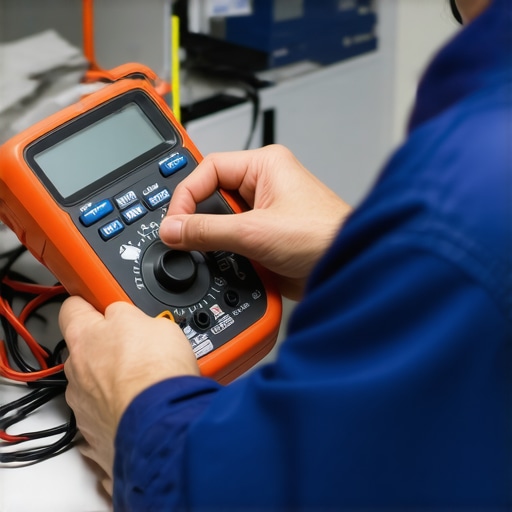
Test electrical components like the motor, heater, or sensors with a multimeter, following test procedures. I once suspected a faulty heater, but testers showed it was fine; the issue was actually a clogged filter. Proper diagnostics prevent unnecessary part replacements. Ensure your appliance is unplugged before testing to prevent electrical hazards.
Replace the Faulty Part Correctly
Follow manufacturer instructions or trusted guides for installation. Use step-by-step replacement guides to ensure proper fitting. When replacing the water inlet valve, I made sure the connections were tight and checked for leaks afterward, similar to how proper compression fitting techniques prevent leaks. If new gaskets or seals are included, replace old ones to maintain a watertight setup.
Test Your Repair and Confirm Proper Operation
Reconnect power and water, then run a test cycle to verify the repair. Observe app logs or control panel messages during the test. My experience with replacing the drain pump involved diligent testing, which revealed no leaks or error codes, confirming a successful repair. Be attentive to unusual noises or water pooling, indicating possible installation issues such as improper alignment or loose connections.
Document and Maintain Your Work for Future Reference
Keep a record of parts replaced and steps taken, which aids warranty claims and future troubleshooting. Take photos of the installation process, especially if you’ve upgraded to higher-quality parts like popular performance-enhancing parts. A simple log helped me prove proper installation during warranty service queries, avoiding refusals due to installation errors. Regular maintenance and monitoring app logs will keep your dishwasher running efficiently long-term.Many homeowners believe that warranties fully cover all repair costs and parts replacements, but the reality is far more complex. A common misconception is that a valid warranty guarantees free repairs for any issue—however, manufacturers often specify what is and isn’t covered, and the fine print can leave gaps for costly surprise expenses. For example, damage caused by improper installation or neglecting routine maintenance may void your warranty, even if the issue appears to be a defect. To avoid this trap, understand the specifics of your warranty before facing repairs, and always document your installation and maintenance efforts through detailed records and photos, as outlined in this guide.
Why Do So Many Get Installation Wrong and How Can It Affect Warranty Claims?
Installing a dishwasher isn’t just about plugging it in. Many assume that professional installation guarantees warranty coverage, but improper setup—such as incorrect leveling, poor sealing, or using incompatible parts—can lead to early failure or leaks that void your warranty. For example, using third-party hoses or failing to secure the unit properly can cause issues that aren’t covered. It’s essential to follow manufacturer instructions closely and verify part compatibility through sources like this troubleshooting resource. Remember, a proper setup is an investment in long-term warranty validity, which is why I always double-check my work at every step.
Be cautious about relying solely on app logs or superficial checks; these don’t substitute for correct installation and maintenance. If you’re unsure about your installation quality or warranty coverage, consulting with a professional or reviewing this in-depth guide can prevent future headaches. Don’t fall for the myth that warranties are a catch-all; in reality, they only work in your favor when you understand and adhere to the specific conditions. Stay ahead by regularly inspecting your parts and installation quality, especially after repairs or upgrades.
Have you ever fallen into this trap? Let me know in the comments.
Investing in Precision Tools for Long-Term Success
When it comes to maintaining your dishwasher, possessing the right tools isn’t optional—it’s essential. I personally rely on a high-quality digital multimeter for accurate diagnostics of electrical components. A multimeter allows me to verify the resistance of sensors or confirm proper voltage across motors, which is critical before replacing costly parts. I recommend a multimeter with both analog and digital displays, as it provides versatility and ease of interpretation, especially when troubleshooting complex circuitry described in this detailed guide. Additionally, a set of precision screwdrivers ensures access to tight spots without damaging plastic panels, preserving warranty integrity. In my experience, investing in quality tools results in fewer mishaps during repairs and extends the lifespan of your appliance.
Leveraging Software for Predictive Maintenance
Beyond physical tools, I’ve found that smart diagnostic apps integrated with your dishwasher can provide invaluable insights. These apps track cycle logs and error codes over time, alerting you to early signs of wear—like a subtle change in cycle duration or error frequency. As these technologies evolve, predictive analytics will become even more accurate, allowing homeowners to perform maintenance proactively rather than reactively. For instance, a surge in drain error codes might indicate a clogged filter or beginning failure of the drain pump, which, if caught early, can be addressed with proper part replacement. I foresee a future where AI-driven diagnostics will become standard, making consistent long-term performance more attainable for everyone.
How do I maintain my dishwasher over time?
Consistency is key. Regularly inspecting key components—such as door seals, spray arms, and filters—can prevent small issues from transforming into costly repairs. For example, cleaning the filter monthly prevents buildup that can impair water circulation, a common culprit in poor cleaning results or cycle failures. When replacing parts, always choose high-quality, manufacturer-approved components. You can verify compatibility and maintain warranty coverage by consulting resources like this guidance. Remember, proper installation using the right tools, like torque-specific wrenches for compression fittings, reduces leaks and ensures optimal operation. Take the time to document your maintenance routines, as detailed in this article, which can be a lifesaver during warranty claims or future troubleshooting.
Predicting the Future of Dishwasher Maintenance
Looking ahead, I believe the integration of IoT sensors and AI diagnostics will revolutionize appliance care. Sensors that monitor water quality, cycle efficiency, and component wear will provide real-time alerts and even suggest specific parts to replace, reducing downtime and repair costs. This shift will empower consumers to adopt a truly proactive approach, extending the life cycle of their dishwashers well beyond current standards. To stay ahead, I recommend adopting smart maintenance practices now—beginning with a reliable multimeter and staying informed through educational resources like this comprehensive guide.
Three Lessons I Learned That Changed How I Handle Dishwasher Repairs
– Don’t underestimate the power of app logs; they’re more than just history—they’re your early warning system. I once ignored an unusual cycle time fluctuation, and it led to a costly repair. Trust your digital records to guide proactive maintenance.
– Rushing to replace parts without proper diagnostics wastes money and time. Using a multimeter and following trusted guides, like the ones at this resource, ensures you address the real issue instead of chasing symptoms.
– Your warranty isn’t a free pass; it’s a contract that requires adherence. Failing to follow installation instructions or neglecting maintenance can void coverage. Keep detailed records and photos, as recommended in this guide, to strengthen your case if needed.
Gear Up with My Must-Have Tools for Dishwasher Troubleshooting
– A quality digital multimeter is essential for accurately diagnosing electrical components—trust me, it’s a game-changer. For durability and ease of use, I recommend models explained thoroughly at this site.
– Precision screwdrivers save you from stripping delicate screws and panels. Use a set that’s rated for electronics to ensure safe, damage-free access.
– A leak detection kit can alert you early to water issues, preventing extensive damage and warranty pitfalls. Pair these tools with regular inspections for best results.
Your Next Move Starts Now
Embarking on dishwasher maintenance or repair can feel daunting, but with the right knowledge and tools, it becomes manageable—and even rewarding. Remember, attention to detail today prolongs the life of your appliance and keeps your warranty intact. Take charge, stay informed, and enjoy the satisfaction of a well-maintained kitchen asset. How have you used app logs or diagnostic tools to solve a dishwasher problem? Share your experience below!
Related Posts
Why Your Smart Dishwasher Won’t Start Without an Update
I still remember the moment when my brand-new smart dishwasher…
How to Use Your App History to Prove Proper Maintenance for Resale
Have you ever stood in front of a potential buyer,…

How to Set Up Your App for Off-Peak Energy Savings
I will never forget the Tuesday I realized I was…