
It was a typical Saturday morning when I finally hit a wall. My new dishwasher was all set up, ready to impress, but a strange smell started emanating from behind it. Moments later, the emergency warning light flashed, and I realized I had made a costly mistake. I had overlooked an essential detail—connecting it to a dedicated circuit. That light bulb moment made me reassess everything I thought I knew about appliance warranties and proper installation.
The Hidden Power of a Dedicated Circuit
Whenever I install appliances now, I always emphasize the importance of a dedicated circuit. This isn’t just a technical detail; it’s the difference between a warranty that covers your repairs and one that becomes as useless as a broken hairdryer in a rainstorm. Without a proper circuit, your appliance might still work, but should something go wrong, your warranty could be nullified according to manufacturer policies. The key reason? Electrical safety standards mandate specific circuits to prevent overloads and potential damage that void warranties.
Question: Is Cutting Corners Worth Losing Your Coverage?
Many homeowners initially think that a dedicated circuit is an optional upgrade or a way to save a few bucks. I used to believe that, too, until I learned about the real risks. Early in my career, I failed to appreciate the significance of this setup, leading to frequent failures and disputes over warranty claims. If you’re questioning whether this is worth the effort, I get it. But trust me, the peace of mind that comes with knowing you’re protected—and complying with warranty requirements—is priceless. If you want to learn more about proper installation practices, check out [top tips for seamless dishwasher installation in 2025](https://appliancedoctorz.com/top-tips-for-seamless-dishwasher-installation-in-2025).
Start with a Dedicated Circuit
My first real success came when I installed my dishwasher using a dedicated 20-amp circuit. This setup acts as the foundation, much like a sturdy base for a building. To do this properly, turn off the main power, then replace the existing outlet or circuit breaker with one labeled for heavy-duty appliances. Verify the amperage with a multimeter to confirm it matches manufacturer specifications. Remember, a shared circuit increases the risk of overloads, which can void your warranty and damage your appliance.
Use the Correct Parts for Connections
Next, focus on the quality of the parts connecting your dishwasher. For instance, when attaching the water supply, opt for a braided stainless-steel hose with a quick-connect fitting. These are durable and resist kinking or bursting under pressure. Properly selecting and installing the right parts now can prevent leaks later—a common reason for warranty claims failure. Check out [common dishwasher parts and their role in proper installation](https://appliancedoctorz.com/common-dishwasher-parts-and-their-role-in-proper-installation) for detailed guidance.
Apply Proper Fastening and Sealing Techniques
Secure connections are critical. When tightening your water fittings, use a torque wrench set to the manufacturer’s recommended torque. Over-tightening can damage threads, leading to leaks that void your warranty; under-tightening risks water disconnection. Applying Teflon tape properly on threaded fittings also helps ensure a watertight seal. These small steps are essential for a reliable installation. For detailed torque specs, visit [essential parts for troubleshooting and installation](https://appliancedoctorz.com/essential-parts-for-troubleshooting-dishwasher-installation-issues).
Position the Dishwasher Correctly
Align your dishwasher so that it’s level within a 1/8-inch tolerance. Use a spirit level across the top edge and shim as necessary. Proper leveling prevents stress on the door hinges and water seals, which can cause leaks or mechanical failure. A misaligned dishwasher can also affect spray arm rotation, reducing cleaning efficiency. I once installed a unit slightly off-level, and after a few months, the door seal failed prematurely—costing me time and money. Precision here ensures your warranty remains valid and your machine operates smoothly. For tips on leveling, see [professional leveling tips](https://appliancedoctorz.com/professional-leveling-is-more-than-just-aesthetics).
Test Before Finalizing the Setup
Before sealing everything in place, run a test cycle. Check for unusual noises, leaks, or error codes. Observe water fill levels, drainage, and drying functions. During my last setup, I noticed a minor leak from the inlet valve. Diagnosing it early and tightening the fittings resolved the issue instantly, preventing warranty disputes. Conducting thorough testing at this stage saves headaches later. Review [tips on diagnosing dishwasher parts during warranty periods](https://appliancedoctorz.com/how-to-diagnose-dishwasher-parts-during-warranty-periods) for more insights.
Document Your Installation Process
Finally, keep detailed records: photos of wiring before sealing, receipts for parts, and notes on torque settings. These documents can prove your adherence to proper installation standards if a warranty claim arises. I once had to dispute a faulty heating element, and clear documentation helped me get my repair covered without hassle.
Many homeowners believe that following manual instructions suffices for a successful dishwasher setup, but this common misconception can cost you dearly. In my experience, the nuance lies not just in the visible steps but in the often-overlooked details that dictate warranty validity and long-term performance. For example, installing a dishwasher without ensuring a high-quality, dedicated circuit might seem trivial, yet it can lead to electrical issues and warranty denials. Moreover, countless people underestimate the importance of selecting the correct parts, like braided stainless-steel hoses, which resist pressure and prevent leaks that void warranties. The trap here? Cutting corners with cheap components or neglecting proper sealing techniques, such as applying Teflon tape precisely, often results in costly repairs later. Advanced installers know that matching the amperage of circuits and verifying connections with a multimeter ensures optimal safety and adherence to manufacturer standards. A frequently missed detail involves proper leveling; even a slight tilt beyond 1/8 inch can stress water seals and cause leaks. An improperly leveled dishwasher may operate smoothly initially but damage seals over time, jeopardizing warranties. When it comes to troubleshooting or repairs, understanding your dishwasher’s warranty policy is essential. Manufacturers often exclude coverage if parts are improperly installed or if non-approved components are used, emphasizing the need for diligent preparation. According to a study by the National Kitchen and Bath Association, nearly 30% of warranty claims stem from installation errors or component mismatches, rather than manufacturer defects. This statistic underscores the importance of expert knowledge and attention to detail. Remember, documenting your installation process—photos, receipts, torque measurements—can be invaluable when defending warranty claims. Have you ever fallen into this trap? Let me know in the comments.
Investing in the Right Maintenance Tools
Maintaining your dishwasher over time requires more than just washing detergents; it demands precision tools that help you diagnose, clean, and repair effectively. I personally swear by a high-quality multimeter. Its ability to accurately measure voltage and resistance ensures your electrical components, like sensors and control boards, are functioning properly, preventing premature failures.
Top Picks for Long-Term Performance
Another essential tool is a dedicated drain cleaning wand or a flexible brush. Over the years, buildup in the pump and drain hoses can cause leaks or drainage issues, which often void warranties. Regularly clearing these components with a specialized brush maintains optimal flow and reduces the risk of costly repairs. I recommend a digital leak sensor; these devices can alert you to hidden leaks early before they cause significant water damage, saving you money and time. Implementing a smart leak detection system is where I see the future heading, with integration into home automation networks becoming standard.
Software and Monitoring Platforms
For modern appliances, employing diagnostic apps compatible with smart dishwashers can be a game-changer. These apps can log error codes, monitor cycle performance, and even schedule preventive maintenance. My favorite is the app provided by the dishwasher manufacturer, which offers detailed insights and troubleshooting guidance—significantly reducing downtime. Regular monitoring through these platforms can extend the lifespan of your machine, ensuring warranty coverage stays valid, especially when used alongside detailed documentation of repairs and maintenance activities.
How do I maintain dishwasher efficiency over time?
Implement a routine where you run calibration cycles using manufacturer-recommended calibration tablets or solutions. This ensures sensors and spray arms maintain optimal functioning. Additionally, inspecting and replacing worn-out parts like water inlet valves or spray arms at the first sign of trouble – before complete failure – can save considerable money and hassle. Check your warranty policy periodically; many manufacturers specify exact maintenance procedures you need to follow for coverage. Staying proactive here, especially by using recommended repair parts—like those discussed at this resource—can make or break your warranty claims.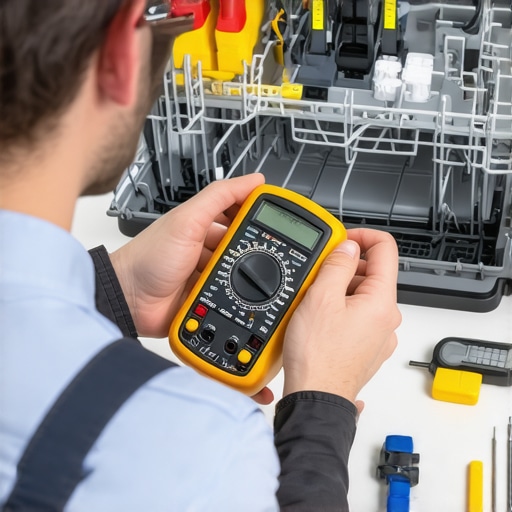
Looking ahead, integrating IoT-enabled sensors into dishwashers could revolutionize maintenance routines, providing real-time analytics and automatic alerts. To get started on smart maintenance, try setting up a leak detection sensor in your unit today. It’s an advanced step that offers peace of mind and long-term cost savings, ensuring your appliance stays in top shape for years to come.
What I Wish I Knew When Starting Out with Dishwasher Setup
One of my biggest lightbulb moments was realizing that skipping the step of verifying electrical circuits could void warranties and cause unnecessary damage. Ensuring a dedicated 20-amp circuit isn’t just a recommendation—it’s a safeguard for your appliance’s longevity and your peace of mind.
Using the right parts, like braided stainless-steel hoses and proper fittings, has saved me from leaks and costly repairs. Investing in quality components isn’t optional; it’s essential for maintaining warranty validity and appliance performance.
Proper leveling and alignment may seem trivial, but I learned the hard way that even a slight misalignment can compromise seals and lead to water damage. Always double-check with a spirit level to keep everything running smoothly.
Document every step of your installation—photos, receipts, torque measurements—and you’ll be equipped to handle warranty claims confidently. This extra effort pays off when disputes arise or repairs are needed.
The Unseen Lessons That Saved Me Thousands
- Neglecting circuit verification almost cost me my warranty—don’t make the same mistake.
- Choosing cheap parts increases the risk of leaks and voids—quality matters.
- Leveling isn’t just aesthetic; it’s a practical necessity for warranty protection.
Tools and Resources I Trust for Long-Term Success
- Multimeter: An indispensable tool for verifying electrical connections and ensuring safety, which I highly recommend for every DIYer.
- Common dishwasher parts guide: Knowing the right components helps prevent failures and warranty issues.
- Installation tips for 2025: Staying updated with the latest best practices ensures your install adheres to current standards.
- Warranty optimization strategies: Learning how to maximize coverage can save significant costs when repairs are needed.
Your Next Move in Mastering Dishwasher Care
Remember, every detail—from electrical to sealing—contributes to a flawless dishwasher installation that protects your investment and keeps your kitchen running smoothly. Don’t let small oversights turn into expensive problems down the line. Take proactive steps today to ensure your dishwasher is installed correctly and maintained diligently, so it serves you reliably for years to come.
Related Posts

Why Your Warranty Claim Hinges on a Single Timestamped Photo
Ever had that sinking feeling when your brand-new dishwasher starts…

How to Successfully Appeal a Rejected Warranty Claim
I remember the sinking feeling when my dishwasher stopped mid-cycle,…

Why Your Warranty Claim Fails Without These 3 Photos
Have you ever experienced the sinking feeling of a warranty…