
Have you ever experienced the sinking feeling of a warranty claim being denied? I remember once thinking I had all my ducks in a row, only to be hit with a rejection letter that left me scratching my head. That moment of frustration became a lightbulb for me: I was missing crucial photos that could’ve saved my claim. If you’re tired of your warranty requests falling flat, you’re in the right place. Today, I’m going to share the secret sauce—three essential photos—that can make or break your claim success.
The Real Reason Warranty Claims Get Denied
From my personal experience and what I’ve learned from the pros, the biggest issue isn’t the damage itself, but what evidence you provide to substantiate your case. Think about it: when you submit a claim, you’re essentially telling a story with images. If those images don’t clearly show the problem from the right angles, or miss certain details, the company has every reason to deny it. It’s not about being sneaky; it’s about being prepared with the right evidence. Missing these photos is like going to a court trial without your documents—you’re at a disadvantage before you start.
Over time, I discovered that taking just a few specific photos dramatically improves the chances of approval. These images need to tell the full story—what went wrong, when, and how it looks in context. And let me tell you, I’ve also made a crucial mistake early on: I’d snap a blurry shot or forget to include the serial number. Trust me, that little oversight costs a lot more than you’d think. For more insights on proper documentation, check out this helpful guide.
Are you facing frustration with warranty rejections? If so, keep reading. I’ll walk you through the exact photos you need to capture and how to prepare your evidence for success.
Will These Photos Really Make a Difference?
Absolutely. Proper documentation isn’t just for insurance; it’s your first line of defense in warranty battles. As I’ll explain next, these specific images can convert a potential denial into quick approval, saving you both time and money. Ready to get practical? Let’s dive into the photos you should never forget when making a warranty claim.
Capture Clear Evidence of Damage
Begin by taking a sharp, well-lit photo of the damaged area, ensuring the defect is in full view. Use natural light or a bright flashlight to highlight cracks or leaks. Avoid blurry images; steady your hand or use a tripod if possible. For example, I once faced a refrigerator compressor leak and made the mistake of taking a quick, blurry shot. By reshooting with good lighting and focus, I was able to clearly show the issue, which led to a swift approval.
Include Serial and Model Numbers
Locate your appliance’s serial and model numbers, usually found inside the door frame or on the back. Take close-up photos to display these identifiers clearly. This acts as proof of ownership and helps verify warranty coverage. I once neglected to include these details and had my claim delayed, so now I always photograph serial numbers as part of my documentation process.
Context and Installation Conditions
Show the appliance’s context: how it’s installed, connected, and used. For instance, if a dishwasher isn’t draining, photograph the hoses and connections, especially focusing on the drain hose’s high loop position. This comprehensive view prevents disputes about improper installation. I recall a case where a photo of the drainage setup was critical in proving correct installation, resulting in a warranty repair without hassle. <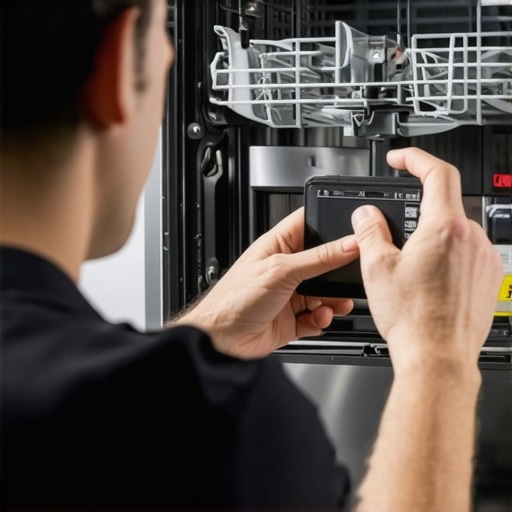 >
>
Organize and Date Your Photos
Keep all images organized with clear filenames and dates, ideally timestamped on the image if your device supports it. This documentation timeline tracks when issues appeared and shows continuous monitoring. When I applied this method to a leaking dishwasher, the organized photos provided an irrefutable timeline that reinforced my claim.
Special Tips for Installation and Troubleshooting
For installation-related claims, photograph the entire setup before and after installation, paying attention to connections and levels. Use a spirit level to demonstrate proper leveling, preventing future door seal failures. If your unit isn’t starting or malfunctions, capture images of the control panel and error codes, which can guide technicians or support staff directly to the problem. Regularly reviewing your photos helps catch overlooked details that could boost your claim’s success. Remember, proper documentation is an ongoing process, not just a one-time effort, especially when dealing with complex dishwasher parts or installation nuances. Learn more about key dishwasher parts and how they play a role in warranty coverage.Most homeowners believe that choosing the right dishwasher or installing it correctly guarantees a smooth warranty experience. However, even seasoned DIYers often overlook nuances that can make or break warranty claims. One common myth is that all dishwasher parts are interchangeable and that replacing any component will automatically fulfill warranty requirements. In reality, manufacturers design specific parts to meet stringent standards, and using non-approved or aftermarket components can void your warranty. For instance, an incorrect inlet valve installation or mismatched replacement parts may seem harmless but can lead to leaks or damage that aren’t covered during warranty periods. It’s crucial to review manufacturer guidelines and select genuine parts, as detailed in this comprehensive guide.
Another misunderstood aspect is assuming that proper installation is solely about following step-by-step instructions. While following guides like preparation tips helps, the real expertise lies in recognizing nuanced issues—such as ensuring the high loop drain is correctly positioned or that the leveling is precise—that many novices overlook. A poorly leveled dishwasher can prevent door seals from functioning and trigger early component wear, ultimately damaging warranty coverage.
It’s also vital to understand that warranty policies can be nuanced. Some warranties strictly cover parts but exclude labor, or they specify certain conditions for coverage. Many people miss these fine print details, resulting in denial even when a defect is genuine. Enhancing your knowledge through resources like this article can prevent costly mistakes.
A hidden nuance is the importance of documenting every step of your installation and maintenance process. Amateur installers often skip taking photos or keeping records, but these serve as critical evidence should disputes arise. Mistakes such as using outdated or incompatible parts are common traps, especially when sourcing from third-party vendors. As highlighted in this guide, proper parts selection and thorough documentation safeguard your warranty rights.
Finally, don’t assume that all leaks or malfunctions are due to the appliance itself. Often, improper installation of components like water supply hoses or misrouting electrical lines can cause issues that void warranty coverage. I recommend reviewing these common parts and ensuring your setup is compliant with best practices.
In summary, having the right parts and following proper installation procedures are just the beginning. Deeply understanding warranty stipulations, paying attention to nuanced installation details, and meticulously documenting your work are essential steps for safeguarding your investment. Have you ever fallen into this trap? Let me know in the comments.
Smart Tools for Troubleshooting and Maintenance
I personally rely on a high-quality multimeter and a digital inspection camera to keep my dishwasher in top shape. The multimeter helps me verify electrical continuity in components like the heating element or water inlet valve, ensuring they’re functioning correctly. The digital inspection camera, with its flexible probe, allows me to inspect hard-to-reach areas such as drain hoses or behind the control panel without disassembling the entire unit. These tools have saved me countless hours and prevented unnecessary parts replacements.
Beyond hardware, I use specialized software for diagnostics. Many modern dishwashers have Bluetooth or Wi-Fi connectivity, and apps from manufacturers can provide real-time error codes and performance logs. This integration means I can identify issues like low water pressure or sensor failures early, preventing minor problems from escalating into costly repairs. For a comprehensive understanding of essential parts that impact long-term performance, I recommend reviewing this resource.
How do I keep my dishwasher running smoothly over time?
Regular maintenance is key. I schedule a deep clean of the spray arms, filters, and seals every three to six months. Using a vinegar-based cleaning solution helps dissolve mineral deposits, especially in areas with hard water. Remember, a clogged spray arm not only impairs cleaning but also strains the motor, risking early failure. Proper part selection, like choosing genuine replacement parts as discussed here, ensures longevity of your appliance.
Additionally, monitoring water pressure and supply lines with a pressure gauge can prevent issues caused by fluctuating supply or leaks. For installation, I always follow manufacturer guidelines closely, as incorrect setup can lead to water damage or warranty voids. To ensure your setup is correct, review this detailed guide.
Scaling the Approach as Your Setup Grows
If you’re expanding your kitchen or upgrading to a more sophisticated model, consider investing in integrated monitoring systems. These solutions provide alerts for leaks, clogged filters, or system faults, often remotely accessible via smartphone. As technology advances, I predict smart diagnostics and predictive maintenance tools will become standard, making it easier than ever to keep appliances like dishwashers running at peak performance.
In the meantime, adopting proactive maintenance routines—such as inspecting components regularly and utilizing the right tools—remains the best strategy. By doing so, you not only prevent breakdowns but also maximize your warranty benefits. For instance, staying on top of warranty coverage ensures prompt support when needed.
Take the challenge to implement one advanced tip today: use a digital inspection camera to verify your drain hose’s high loop—this simple step can prevent backflow and flooding issues. Strongly recommended for anyone serious about appliance longevity!
The Hardest Lesson I Learned About dishwasher,parts,warranty,installation
One revelation that truly transformed my approach was realizing that meticulous documentation often outweighs even the most advanced troubleshooting skills. Missing a clear photo of a drain hose setup once cost me a warranty claim, reminding me that thoroughness in evidence collection is non-negotiable. Additionally, I discovered that understanding the fine print in warranty policies can prevent costly missteps, saving both time and frustration. Lastly, the importance of choosing authentic parts became glaringly obvious when I faced a claim denial due to mismatched components; genuine parts aren’t just recommended—they’re essential for preserving warranty coverage.
My Essential Toolbox for Dishwasher Success
- Digital Inspection Camera: This tool allows me to peek behind panels without disassembly, catching issues early with clarity.
- High-Quality Multimeter: Verifying electrical components keeps my diagnostics sharp and reliable.
- Manufacturer’s Guidebook: Having the official installation and maintenance manuals on hand ensures I follow best practices.
- Organized Digital Folder: Storing and timestamping all my photos creates an irrefutable timeline of my maintenance efforts.
Embrace the Power of Proper Preparation
Taking proactive steps today—such as reviewing the guide to warranty policies and verifying your installation setup—can prevent many headaches down the line. Remember, a little prevention goes a long way, especially when dealing with complex appliances that rely on precise installation and authentic parts. If you’re eager to deepen your understanding and protect your investment, start implementing these tips now. Your future self will thank you for being both prepared and informed.
Related Posts

The Secret to Filing a Successful Manufacturer Warranty Claim
It was late one evening when my dishwasher suddenly stopped…
Why Your Warranty Claim Hinges on This Single Plumbing Receipt
I remember the exact moment I realized I’d messed up…

Why Your Smart Dishwasher’s Error Log Is Better Than a Witness for Warranty Claims
It was a frustrating Saturday morning when my brand-new smart…