
It happened on a quiet Sunday afternoon as I was loading my dishwasher—water spots, grimy deposits, and the unmistakable smell of mineral buildup. Suddenly, I realized something alarming: my warranty could be in jeopardy if I didn’t figure out what was causing these issues. That lightbulb moment hit me hard—hard water isn’t just a minor annoyance; it’s the sneaky enemy destroying warranties from the inside out.
Why Hard Water Is the Silent Warranty Killer
Hard water, loaded with minerals like calcium and magnesium, can wreak havoc on your dishwasher’s components. Over time, these minerals deposit inside the machine, causing parts to wear faster, clog filters, and even damage the heating elements. Despite having a shiny, new appliance, I was unknowingly paving the way for costly repairs—and voiding my warranty—because I overlooked the importance of water quality.
Is Your Hard Water Ruining Your Appliance?
If you’re like I was, you might dismiss mineral deposits as harmless. But studies suggest hard water can reduce appliance lifespan and lead to inefficiencies. I made a critical mistake early on: ignoring the mineral levels in my local water supply. This oversight led to early component failures and unnecessary expenses. Want to avoid this? Learn how to maximize your dishwasher’s warranty by understanding and mitigating hard water effects.
So, what will we cover today? I’ll share personal insights, practical steps, and expert advice to help you protect your warranty from the invisible damage caused by hard water. Ready to dive in? Let’s ensure your dishwasher lasts longer—and stays under warranty—by tackling this hidden threat.
Test and Address Hard Water Early
Before installing or maintaining your dishwasher, check your local water hardness level using a simple test kit, which can be purchased at hardware stores. I did this when my dishwasher started showing mineral buildup—turns out, my water had high calcium levels. To combat this, I installed a water softener, which significantly reduced mineral deposit formation. Using a mineral test kit is straightforward: follow the instructions, and if high levels are confirmed, take action to soften or treat your water supply to prevent damaging your appliance and voiding your warranty.
Choose the Right Parts for Installation and Performance
Selecting proper parts is crucial. Instead of generic components, opt for manufacturer-approved and high-quality replacements. During my recent upgrade, I used parts recommended in this guide, ensuring compatibility and durability. Proper parts reduce the risk of leaks, electrical faults, and early wear—factors that can jeopardize your warranty coverage. Always verify parts match your dishwasher’s model number to prevent compatibility issues.
Inspect Safety Shutoff Valves and Hoses
I inspected my supply hoses for signs of wear or cracks, replacing old plastic connectors with brass fittings as suggested in this article. Using durable, compatible parts ensures long-term performance and adherence to warranty conditions. Properly installed, high-quality hoses also prevent leaks that damage flooring and can void your warranty if caused by improper setup.
Secure and Level Your Dishwasher Properly
Level installation is vital. I used a bubble level and shimmed the unit on uneven floors, following this expert advice. A wobbly dishwasher can cause mechanical stress, misalignments, and leaks. This simple step preserves your machine’s internal components and keeps your warranty valid. Ensure anchors and mounting brackets are tight to prevent movement that may lead to damage.
Connect Water and Drain Lines Correctly
Proper connection of inlet and drain hoses is critical. I followed the recommended length and routing tips from this guide. Avoid overly long drain hoses, which can cause siphoning or slow drainage, risking leaks or mold growth that warranty policies typically exclude. Use Teflon tape on threaded connections and secure clamps to prevent leaks—an oversight that can void warranty coverage.
Calibrate and Test the Appliance Post-Installation
After setup, I ran a test cycle to detect leaks, ensure proper drainage, and confirm electrical safety. Using this step-by-step process, I calibrated my smart sensors for specific water hardness levels, optimizing performance and warranty protection. Regular calibration guards against calibration errors that could cause operational issues and are often not covered under warranty.
Document Your Maintenance and Correct Setup
I kept detailed records — receipts, inspection checklists, and photos of the installed setup. This documentation proved invaluable when I needed to file a warranty claim due to an unexpected part failure. Proper documentation, combined with adherence to installation and maintenance protocols, ensures your warranty remains valid and increases your chances of smooth claim processing.
Applying these steps—testing water quality, choosing the right parts, ensuring proper installation—is vital. Not only do they enhance long-term performance, but they also protect your warranty, saving you money and stress down the line.
Believing in Simple Solutions Could Cost You
Many homeowners assume that following the basic installation steps guarantees warranty protection, but the reality is more complex. For example, installing a dishwasher without considering regional water hardness can lead to mineral buildup—causing early parts failure and voiding your warranty—despite seemingly correct setup. Expert advice emphasizes the importance of precise water testing and treatment, as outlined in this guide.
The Trap of Generic Parts
Another common misconception is that generic replacement parts are just as good as OEM components. However, using non-approved parts often leads to compatibility issues, leaks, or functional failures that warranty policies explicitly exclude. High-quality, manufacturer-approved parts are an investment in longevity and compliance—see this resource for more. Overlooking this nuance could result in costly repairs and voided warranties.
Are You Getting the Installation Details Right? Think Again
Many believe that a visual check suffices for proper water and electrical connections, but fine details matter. Incorrect hose routing, overlong drain lines, or loose fittings can cause leaks, poor drainage, or electrical shorts—all of which jeopardize warranty coverage. Insist on professional installation practices, such as proper hose length and secure connections, as advised in this article.
Advanced Questions: Why Does Water Quality Affect Warranty?
For the experienced homeowner, understanding how regional water composition interacts with appliance components is essential. Hard water causes mineral deposits that can damage heating elements and spray arms—often subtly. If ignored, these defects may not be covered under warranty because they result from neglecting water treatment. A study by the Water Quality Association highlights that proper water management is vital to extend appliance lifespan and warranty validity. Do you test your water regularly? This is an often overlooked but critical step in safeguarding your investment.
In sum, the real nuance lies in detail-oriented installation and maintenance. Skipping or overlooking these aspects might seem minor but can significantly impact warranty coverage and appliance longevity. Always scrutinize every step—from parts selection to water treatment—to truly protect your dishwasher. Have you ever fallen into this trap? Let me know in the comments.
Air placeholder: 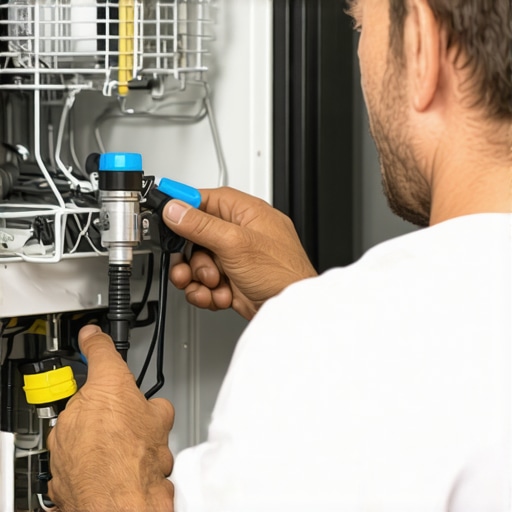
By paying close attention to these often-missed nuances, you avoid costly pitfalls and ensure your dishwasher stays in prime condition, backed by your warranty. Remember, the devil is in the details—don’t let small mistakes cost you big time.
Tools That Make Maintenance Easier and More Effective
Keeping your dishwasher running smoothly over the long term hinges on using the right tools designed for precision and durability. I personally rely on a high-quality digital multimeter to accurately troubleshoot electrical components, ensuring fast diagnostics without guesswork. For inspecting hoses and connections, a set of flexible, reinforced water line wrenches helps prevent damage during tight fittings, especially when replacing inlet valves or drain hoses, as highlighted in this guide. Additionally, a handheld ultrasonic cleaner is invaluable for removing stubborn mineral deposits from spray arms and filters, prolonging component lifespan and maintaining warranty coverage. In the future, IoT-enabled sensors might offer real-time monitoring of water quality and component wear, proactively alerting homeowners before failures occur.
How do I maintain my dishwasher’s performance and warranty over time?
Establishing a routine using these specialized tools ensures early detection of issues like mineral buildup or electrical irregularities, which can escalate if neglected. Regularly testing water hardness with a professional-grade test kit allows you to fine-tune your water softener system, a critical step in preventing mineral deposits that can damage heating elements, as discussed in this article. Incorporating these maintenance tools into your routine not only optimizes performance but also solidifies your warranty claims should repairs become necessary.
Prepare for Long-Term Success with Proper Techniques
Beyond tools, adopting correct maintenance techniques is vital. For example, regularly inspecting and cleaning the water inlet filters prevents clogging and ensures consistent water flow, which directly impacts cleaning efficacy and component longevity. Using a small replacement brush specifically designed for filter cleaning makes this task straightforward and thorough, preventing costly minor damages from developing into major issues. Remember,). Established routines that include checking hose fittings, inspecting gaskets, and calibrating smart sensors—like those for water hardness—can extend your dishwasher’s lifespan and uphold warranty protections.
Future Trends and What They Mean for DIY Maintenance
As technology advances, expect to see more integrated diagnostic tools and AI-powered maintenance alerts that will simplify upkeep. These innovations will make it easier to identify problems early and order precise replacement parts, reducing downtime and repair costs. Staying informed about these developments is essential. For instance, the adoption of smart water sensors capable of predicting mineral buildup can be a game-changer, as discussed by industry experts in this resource. Start experimenting with advanced diagnostic tools now—your future self will thank you for the savings and peace of mind.
Take the initiative today by testing your water with a professional kit and investing in a digital multimeter if you haven’t already. These steps might seem small, but they have the potential to drastically increase your dishwasher’s efficiency, save costs, and protect your warranty. Proven maintenance routines and the right tools form the foundation of a long-lasting appliance—so why not start now? Explore these methods and keep your dishwasher working flawlessly for years to come.
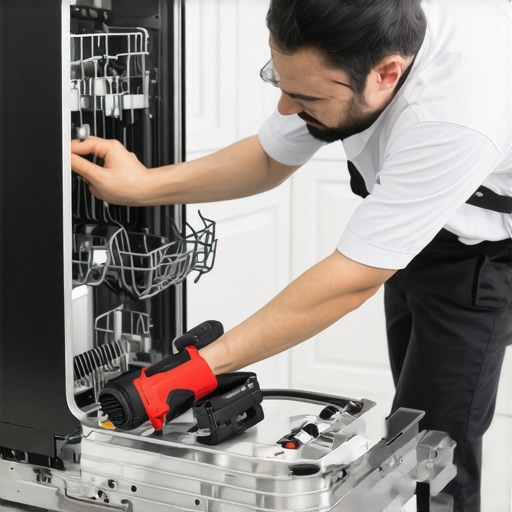
By integrating precision tools and proactive techniques, you’ll not only ensure your dishwasher performs optimally but also safeguard your warranty coverage. Remember, the key is consistency—make maintenance a regular habit, and your investment will pay off in longevity and reliability.
What I Wish I Knew About Hard Water and Warranties Before Starting
One of the most eye-opening lessons I learned was how mineral deposits from hard water can silently sabotage my dishwasher’s components and my warranty. Recognizing this early on guided me to test my water and invest in a quality water softener, saving me from costly repairs later.
Why DIY Enthusiasts Should Never Underestimate Proper Parts Selection
I discovered that using OEM-approved parts isn’t just about compatibility—it’s about ensuring your warranty remains valid. Choosing the right components, like certified inlet valves, made all the difference in maintaining machine longevity and warranty protection.
Installation Nuances That Can Make or Break Your Warranty
Leveling your dishwasher and securing all connections meticulously are tasks I underestimated. Small oversights, such as overlong drain hoses or loose fittings, can lead to leaks or operational failures, potentially voiding your warranty. Attention to detail in these steps safeguards your investment.
Tools That Turn Maintenance into a Safe, Effective Routine
I found that having a digital multimeter, water test kits, and ultrasonic cleaners turned maintenance from a daunting chore into a manageable routine. These tools help identify issues early, prevent damage, and keep warranties intact—making DIY maintenance both rewarding and cost-effective.
One Unexpected Insight That Changed Everything
Monitoring regional water hardness levels over time revealed how critical water quality is. Regular testing and treatment can drastically extend your dishwasher’s lifespan and ensure that your warranty covers genuine malfunctions, not preventable mineral damage.
Curated Resources to Guide Your Dishwasher Journey
- Maximize Your Warranty Coverage: A comprehensive guide to understand and protect your warranty.
- Expert Installation Tips: Ensures your setup is correct from the start, preventing issues down the line.
- Choosing the Right Parts: Learn why OEM and high-quality parts matter for warranty and performance.
- Installation Checklist: Practical steps to avoid common mistakes.
Your Next Move Starts Today
Protecting your dishwasher’s warranty isn’t just about avoiding repairs—it’s about extending the life of your investment with deliberate, informed choices. Test your water, select parts wisely, and pay attention to installation details. Small acts today lead to fewer surprises tomorrow. Are you ready to take control of your dishwasher’s longevity and warranty? Share your experiences or questions below—I love hearing how others are safeguarding their appliances!
Related Posts

How to Prove a Manufacturer Defect Before the Service Tech Arrives
I was staring at a brand-new $900 stainless steel box…
The Best Way to Document Damage for a Warranty Appeal
Have you ever faced the sinking feeling when your dishwasher…

Why Your Smart Dishwasher’s Error Log Is Better Than a Witness for Warranty Claims
It was a frustrating Saturday morning when my brand-new smart…