
There was a moment in my kitchen, standing amidst a pile of soggy dishes, when I realized I hadn’t registered my dishwasher for an extended protection plan. The machine suddenly made a strange noise, and I felt a flush of worry. It hit me—without proper registration, I might be on my own if something went wrong. Sound familiar? Many homeowners face this lightbulb moment too late, scrambling to figure out how to protect their appliance investments. That realization sparked my journey into understanding how to properly register my dishwasher for extended coverage, and I want to share what I’ve learned so you can avoid the same stress.
Why Registering Your Dishwasher is More Important Than You Think
Registering your appliance isn’t just a bureaucratic step; it’s your first line of defense against costly repairs. When you officially register your dishwasher, you unlock the full benefits of your warranty and ensure that your manufacturer’s coverage is activated. But here’s the thing—many folks overlook this step, thinking the warranty is automatic or assuming they’ll handle it later. That’s a mistake. Early registration can mean the difference between a quick fix and a full replacement, saving you money and hassle in the long run. Additionally, some manufacturers offer extended protection plans or discounted repairs when registration happens promptly after purchase. According to a recent study by Consumer Reports, appliances with properly registered warranties tend to have fewer unresolved issues, leading to greater satisfaction and longer lifespan.
Facing the Fear of Wasted Time or Red Tape?
If you’re worried that registering your dishwasher might be complicated or time-consuming, I’ve got good news. The process is usually straightforward, often just requiring some quick form filling online. I remember initially hesitating because I thought it would be a tedious task, but once I knew what to do, it was almost effortless. The key is to follow the manufacturer’s specific registration instructions, which are typically found in your user manual or on their official website. For detailed guidance, I recommend checking out this step-by-step guide that I found incredibly helpful during my own registration process.
Now, let’s talk about the common pitfalls. One mistake I made early on was registering my machine with an incorrect model number. This slip-up can complicate warranty claims later. To avoid this, always double-check your dishwasher’s serial and model numbers, which are usually located inside the door or on the side panel. Confirming these details will ensure your registration is valid and your coverage is seamless.
Next Steps to Protect Your Investment
Once your dishwasher is registered, it’s important to stay informed about your warranty’s coverage and maintenance requirements. Regularly consult trusted resources like this complete parts list to understand what is covered and what isn’t, especially if you plan to make repairs or replacements yourself. Proper registration is just the beginning—keeping track of these details will empower you to handle issues swiftly and confidently. Ready to dive into the practical steps? Let’s explore exactly how to register your dishwasher for the best protection.
Gather Necessary Information Before Starting
First, locate your dishwasher’s serial number and model details, typically found inside the door frame or on the side panel. Have your purchase receipt ready, as it confirms the purchase date and helps prevent delays. I remember the time I realized I had the wrong serial number during registration; double-checking saved me from a lengthy refund process. Always verify these details to ensure your registration is valid, especially since incorrect info can void warranty claims.
Access the Manufacturer’s Registration Portal
Navigate to your dishwasher brand’s official website. Usually, there’s a dedicated registration page linked right on the homepage or under the support section. For example, Whirlpool and Bosch offer straightforward online forms. I found that bookmarking the registration page reduces the risk of phishing or accidental misclicks later. Use a secure internet connection to prevent data interceptions during this step.
Use the Correct URL and Avoid Phishing Scams
Always verify you’re on the official site, especially if you received a promotional email. Use direct links from your manual or the manufacturer’s verified contacts. During my own registration, I bookmarked the URL, which prevented potential scam sites from stealing my information. Remember, malicious sites may imitate brand pages; look for HTTPS and the official domain.
Complete the Registration Form Accurately
Fill out all required fields: your name, address, purchase details, serial number, model number, and date of purchase. Be precise—incorrect entries can delay warranty activation or invalidate your coverage. I once mistyped a digit in my serial number, which caused my claim to be rejected initially; double-check each field before submitting. Use the manufacturer’s detailed guides or tutorials if available to ensure accuracy.
Double-Check the Model and Serial Numbers
These numbers are tiny and located in various spots. Use a flashlight and a mirror if needed, to read the labels carefully. Matching this info exactly as provided in your manual or on the appliance prevents claim denials later on. An easy way is to photograph these numbers for future reference or quick copying during registration.
Leverage Online Resources for Guidance
If unsure about any step, consult resources like this installation guide or contact customer support through official channels. During my registration, I used live chat support, which clarified uncertainties about the warranty activation periods. Having trusted sources on hand ensures you won’t miss critical steps or misinterpret instructions.
Confirm Your Registration Submission
After submitting, you’ll receive a confirmation email or a registration ID. Save this information securely, either digitally or printed. I recommend taking screenshots and storing them in a dedicated folder to prevent future disputes. Also, consider setting a reminder to check your warranty status periodically, especially if your purchase’s protection plan has activation deadlines.
< >
>
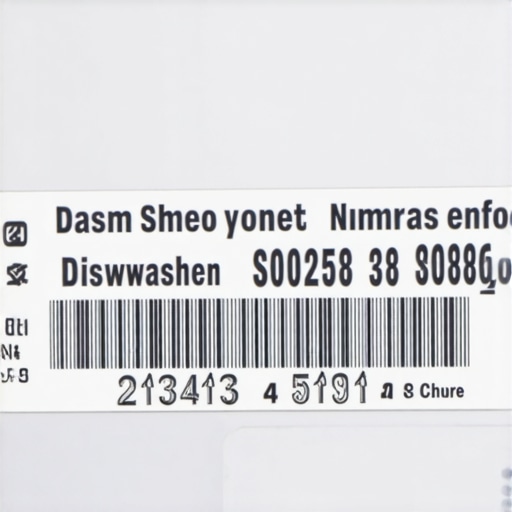
Insert an image illustrating a close-up of a serial number label on a dishwasher, highlighting where to locate it for accurate registration.
By following these concrete steps meticulously, you’ll ensure your dishwasher is properly registered, unlocking full warranty benefits and avoiding unnecessary hassle. Taking the time now pays off with peace of mind when you need to make a claim or perform repairs in the future.
When it comes to dishwasher installation and warranty coverage, many homeowners operate under common misconceptions that can cost them dearly. One false belief is that simply plugging in the appliance and registering it online guarantees full coverage. In reality, the details of proper installation—such as secure plumbing connections and correct electrical grounding—are critical for warranty validity and appliance longevity. For instance, improper water inlet connections can lead to leaks that, if not diagnosed early, might void your warranty, even if you’ve registered online. According to expert advice from this comprehensive guide, meticulous installation is just as important as the registration process. Another myth is that aftermarket parts are always a cost-saving alternative, but using substandard components may compromise performance and void warranty claims. As highlighted in this article, selecting the right parts is essential for optimizing warranty benefits.
A common trap many fall into involves neglecting to verify the integrity of the water supply, drain hoses, and electrical connections during initial setup. These nuances, though seemingly minor, are often the cause of early breakdowns or warranty disputes. For example, using a plastic water inlet connector instead of a brass one may seem harmless but can lead to leaks and warranty rejection if it fails prematurely. Making sure all installation steps align with manufacturer instructions, such as those found in this detailed installation checklist, ensures your coverage remains intact.
Advanced homeowners might ask: How does installation impact long-term warranty claims even if I adhere to initial procedures? The answer is that warranties often have stipulations regarding installation quality, and improper setup can be grounds for claim denial, even if the appliance has valid registration. A recent report by consumer advocacy groups emphasizes that many warranty disputes stem from overlooked installation errors rather than product defects. Therefore, investing time in proper installation—whether through professional services or following detailed DIY guides—can safeguard your warranty and extend your dishwasher’s life.
What’s the most overlooked aspect in ensuring your warranty sticks? The answer lies in regular maintenance and inspection of key parts like hoses, filters, and spray arms. Neglecting these components can lead to preventable failures that seem to
Keep It Running Smoothly with the Right Tools
Maintaining your dishwasher over time requires more than just cleaning; it involves using precise, high-quality tools that ensure optimal performance and longevity. I recommend investing in a set of nylon or plastic spudgers, specifically designed for appliance repair. I’ve personally used these to carefully pry apart panels and access internal components without risking damage. These tools are essential because they prevent scratching or cracking delicate plastic parts, saving money in repairs and part replacements. Additionally, a digital multimeter is invaluable for diagnosing electrical issues, such as verifying the integrity of door switches or control boards. I use my multimeter regularly when troubleshooting, as it provides quick, accurate readings that help pinpoint problems efficiently.
How do I maintain my dishwasher parts over time?
To keep your dishwasher functioning optimally, routine inspection of parts like spray arms, filters, and door gaskets is crucial. Regularly check the condition of these components—clean spray holes with a toothpick or small brush to prevent clogs, and replace worn gaskets to avoid leaks. I’ve found that maintaining these parts extends the life of the appliance significantly. For example, according to this guide, replacing parts before they fail can prevent costly damage and repairs down the line.
Embrace Preventative Maintenance to Save Money
Consistent upkeep includes descaling the dishwasher to remove mineral buildup, which can compromise water flow and heating efficiency. Using a commercial descaler every six months has personally helped me maintain peak performance. Additionally, inspecting supply hoses for signs of wear or corrosion prevents leaks that could cause water damage and void warranties. I recommend using a high-quality, reinforced, stainless steel water supply hose; it’s more durable than rubber counterparts and can withstand higher pressures. The trend in the industry is leaning toward smart diagnostics, where connected sensors monitor parts’ conditions and alert you to issues proactively. I believe this trend will make long-term maintenance easier and more effective in the future.
Why invest in proper parts and professional installation?
High-quality parts are vital for ensuring your dishwasher’s warranty remains valid, especially when paired with proper installation practices. For instance, this resource details the importance of selecting OEM or certified aftermarket parts. Using substandard components can cause poor performance, increased wear, and warranty disputes. Likewise, professional installation guarantees compliance with electrical codes and plumbing standards, reducing the risk of damage and ensuring long-term efficiency. In the coming years, I predict that automation and remote diagnostics will become standard, allowing maintenance to be scheduled proactively, preventing breakdowns before they happen. Try inspecting your supply hoses with a UV flashlight; early detection of leaks or corrosion can prevent costly repairs and extend your dishwasher’s life significantly.
Looking back, the pivotal moments in appliance ownership often hinge on simple yet overlooked steps—like properly registering your dishwasher or understanding the nuances of installation and parts. These details, if neglected, can turn a minor hiccup into costly repairs and frustrations. But with the right knowledge, you can turn these challenges into opportunities to safeguard your investment and enjoy hassle-free operation for years to come.
Lessons I Learned From the Enrollment Minefield
- Registration Isn’t Automatic—Don’t Assume: Assuming your warranty kicks in automatically might leave you unprotected when issues arise. Always register promptly, following manufacturer instructions, to activate your coverage. I once missed the registration window and had a dispute that could’ve been avoided with a simple online form.
- Model and Serial Numbers Matter: Double-check these tiny details—misreporting them can delay or nullify warranties. Photographing these identifiers can save time and prevent errors during registration.
- Proper Installation Is Crucial for Warranty Validity: Even if you’ve registered your dishwasher, poor setup can void your warranty. Ensuring secure plumbing, electrical grounding, and following installation guidelines is key. I learned this the hard way when a leak caused a claim rejection due to improper hose connections.
- High-Quality Parts Protect Your Investment: Using OEM or certified parts during repairs sustains warranty coverage and performance. Skimping here might seem cost-effective but often leads to future failures and disputes.
- Routine Maintenance Preserves Longevity: Regularly inspecting hoses, filters, and spray arms prevents failures. Replacing worn components proactively saves money and keeps the appliance humming smoothly.
My Go-To Resources for Dishwashing Success
- This guide on choosing proper parts has saved me from installing incompatible components, ensuring warranty validity and performance.
- Step-by-step installation tips are invaluable for DIY setups or verifying professional work, preventing common pitfalls.
- Understanding key parts helps demystify repairs and maintenance, empowering homeowners to act confidently.
- Warranty fine print clarifies coverage limits, saving headaches during claims.
Empower Yourself to Keep Your Dishwasher Running and Warranted
Embarking on the journey of proper registration, installation, and maintenance might seem daunting at first, but every step you take reinforces your peace of mind. From verifying serial numbers with a flashlight, to using the right tools during repairs, each action prolongs your dishwasher’s lifespan and keeps warranty issues at bay. The future of appliance care is moving towards smarter diagnostics and remote monitoring, making proactive upkeep more accessible than ever—ready to embrace this evolution?
Remember, your investment in a dishwasher isn’t just about cleaning dishes; it’s about creating a reliable, efficient kitchen experience. Proper registration and ongoing maintenance are your best allies in this journey, saving you money, time, and stress in the long run.
What’s Your Next Move?
Have you ever struggled with correctly registering your appliance or ensuring proper installation? Share your story or ask questions below—let’s learn from each other’s experiences and keep our kitchens running smoothly!
Related Posts

Why Your Warranty Claim Fails Without an Authorized Receipt
I stood there in a puddle of lukewarm dishwater, clutching…

Why Your Manufacturer Warranty Excludes Power Surge Damage
It was 9:00 PM on a Tuesday, and I was…

Why Your Warranty Claim Hinges on Using the Right Salt
Ever had that sinking feeling when your brand-new dishwasher suddenly…