
I’ll never forget the moment I realized I might have been installing my dishwasher incorrectly all along. It was late, I was tired, and after hours of trying to get everything just right, I noticed a tiny drip at the connection. That small leak turned into a major headache, and it made me dive headfirst into plumbing rules I had previously ignored. If you’ve ever faced a similar situation—frustrated and unsure if your setup is up to code or risking your home—you’re not alone.
Why Plumbing Configurations Matter for Your Home and Warranty
Many homeowners don’t realize how critical proper drainage and venting are, especially when it comes to dishwasher installation. The techniques used—whether an air gap or a high-loop—aren’t just about following regulations; they play a real role in preventing backflow, water damage, and even voiding your warranty. I’ve learned from personal experience that skipping these details can lead to costly repairs or voided warranties, which nobody wants.
Is the Debate Between Air Gaps and High-Loops Really Worth the Hype?
Early on, I thought that any method would do as long as you followed basic plumbing principles. I made the mistake of assuming that all drain configurations are interchangeable. However, I discovered that a poorly implemented high-loop can sometimes be just as problematic as a non-compliant air gap—and that the choice impacts your warranty coverage. According to industry standards, an air gap is considered the gold standard because it physically prevents contaminated water from siphoning back into your dishwasher, which is vital for health and safety.
If you’re unsure whether your setup truly adheres to plumbing codes or just want to make sure you’re protected, I encourage you to check out this guide on warranty policies and installation best practices.
So, what’s next? Well, understanding the ins and outs can be overwhelming, but it’s worth it. In the following sections, I’ll share practical tips and common mistakes to avoid, so you can enjoy peace of mind knowing your dishwasher is installed correctly and protected against future issues. Stay with me, and you’ll be a plumbing pro in no time—and your home will thank you for it!
Secure the Drain Hose Correctly
During my last installation, I once used a generic clamp that slipped after a few weeks, causing a small leak. To prevent this, always use the manufacturer-recommended hose clamps and ensure the connection is tight and secure. This step is critical because a loose drain hose can lead to water leaks, damage, or warranty voiding. Check out this guide for detailed instructions on hose replacement and clamping techniques.
Establish the Right Drain Loop Height
Avoid Siphoning with a Proper Loop
When I installed my dishwasher in a tight space, I initially overlooked the height of the drain loop. I soon learned that an air gap or high-loop must be installed at a height at least 24 inches above the trap to prevent backflow. This is like creating a hill in a garden hose to prevent water from siphoning back. If the loop is too low, contaminated water can be siphoned into the dishwasher, risking damage and warranty issues. Remember to consult local plumbing codes, but a high loop around 34 inches high is generally recommended for most models.
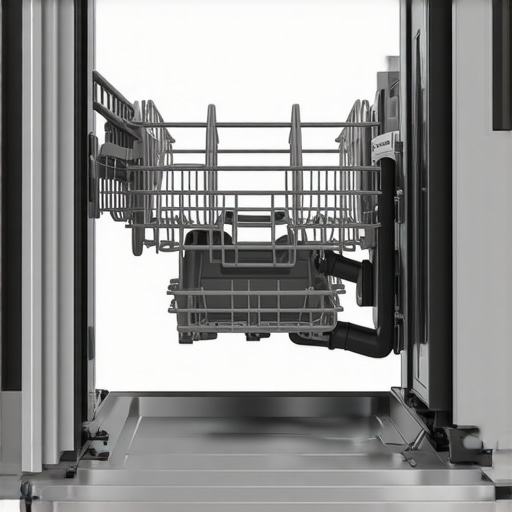
This illustration shows the correct height and positioning of a drain loop to ensure optimal drainage and prevent backflow issues.
Choose the Right Venting Method
In my case, I initially neglected the venting requirements and faced drainage delays. Proper venting allows air to escape, preventing siphoning and ensuring smooth drainage. An air gap is considered the gold standard in most installations because it provides a physical barrier against backflow. Alternatively, a high-loop can be used if local codes permit, but ensure it is installed according to manufacturer instructions and standards. Proper venting not only protects your dishwasher but also safeguards your home’s plumbing system and warranty coverage.
Test and Confirm Your Setup
Once I completed my installation, I ran a test cycle to observe the drainage. I checked for leaks, proper water flow, and that no backflow occurred. Testing is essential; an improperly installed drain system can cause long-term damage and void warranties. Use clear tubing or run the cycle with the cabinet panel off so you can observe and address issues immediately. For more troubleshooting tips during installation, see expert advice.
Inspect Regularly to Maintain Performance
After installation, I established a routine inspection, ensuring clamps remained tight and the drain hose was free of kinks or obstructions. Routine checks can reveal early signs of wear or failure, saving you from costly repairs. Remember, the right installation practices backed by regular maintenance are your best defense for warranty preservation and long-lasting dishwasher performance. For replacement parts and maintenance advice, visit this resource.
Even seasoned homeowners often believe they understand everything about dishwasher parts and installation, but misconceptions persist. One common myth is that all drain configurations are interchangeable. In reality, using the wrong setup, such as neglecting the recommended drain loop height or bypassing essential venting, can lead to backflow issues and warranty voids. For example, installing a high-loop at less than 24 inches or ignoring an air gap could cause siphoning of contaminated water back into your appliance, risking health and safety—an issue backed by plumbing standards outlined in industry guidelines.
Many also assume that aftermarket parts are always a reliable substitute for OEM components. However, third-party parts, especially cheaper alternatives, often lack the durability and compatibility necessary for long-term performance. Improper parts can cause leaks or electrical faults, jeopardizing your warranty coverage. According to expert analyses, using genuine or high-quality aftermarket parts, verified through reputable suppliers, ensures the longevity and safety of your dishwasher.
A subtle nuance many overlook is the impact of improper installation on warranty validity. For instance, neglecting to use manufacturer-recommended clamps or failing to secure the drain hose properly can lead to leaks and functional failures. Such oversights might seem trivial initially but can result in warranty denial if damage is linked to incorrect setup. Delving into these details, as recommended in guides like this resource, helps safeguard your investment.
How do advanced users navigate these pitfalls? They invest time in understanding the critical roles of drainage height, venting, and part compatibility. For example, ensuring the drain loop is at least 24 inches high and verifying that all connections are tight prevents long-term issues. Additionally, regular inspections under the guide this checklist help catch potential problems early and maintain warranty protection. Remember, a seemingly minor mistake at installation or using the wrong parts can have significant repercussions.
Have you ever fallen into this trap? Let me know in the comments. By paying attention to these nuances, you’ll not only extend your dishwasher’s lifespan but also ensure your warranty remains valid, saving you money and hassle down the line.
Keeping your dishwasher running smoothly over the years requires more than just good installation; it demands the right tools and maintenance routines. From inspection to troubleshooting, having the right equipment can save you time, money, and frustration. I’ll share the professional-grade tools I rely on and explain how they help maintain peak dishwasher performance.
Spider-Wrench: A Craftsman’s Secret Weapon
This versatile tool is invaluable when it comes to removing and tightening stubborn screws and clamps inside your dishwasher. Its flexible, multi-angle design allows me to reach tight spots without damaging sensitive components. Using a high-quality spider-wrench ensures secure connections on drain hoses and mounting brackets, reducing leaks that could void your warranty.
Digital Multimeter for Electric Diagnostics
Electrical issues can be elusive, but a reliable digital multimeter makes diagnosis straightforward. I personally use the Fluke 117 because of its accuracy and durability. It helps me verify voltage on control boards, heating elements, and sensors—components critical to your dishwasher’s operation. Regular checks prevent minor issues from escalating into costly repairs.
Ultrasonic Leak Detector to Find Hidden Drips
Sometimes, a slow leak can go unnoticed until water damage appears. An ultrasonic leak detector picks up high-frequency sounds of escaping air or water, even behind cabinets. This early warning system allows me to address issues before they affect your warranty coverage or cause damage. I recommend checking out the D-tect Ultra for its sensitivity and ease of use.
Cleaning and Lubrication Supplies
Maintaining parts like door seals and spray arms is easier with quality lubricants and cleaning agents. I prefer silicone-based sprays for hinges and gaskets—products that don’t degrade rubber over time. Regular cleaning with non-abrasive brushes and soft cloths prolongs the life of internal components, ensuring consistent cleaning performance and maintaining warranty compliance.
Software Tools to Monitor Performance
For tech-savvy homeowners, there are smartphone apps and diagnostic software that interface with smart dishwashers. They help track cycle durations, error codes, and efficiency patterns. Using these tools can pinpoint issues early, so you can perform targeted repairs or parts replacements, ultimately extending your machine’s lifespan.
Where Is This Trend Going?
The future tilts toward integrated diagnostics and predictive maintenance. Manufacturers are embedding sensors that monitor wear and tear, alerting you before parts fail. Advances in IoT will make maintaining your dishwasher more automated, reducing downtime and warranty claims. Staying informed about these innovations can prepare you for proactive care.
How do I maintain my dishwasher’s parts over time?
Consistent inspection and timely replacement of worn components are paramount. Routine checks of seals, hoses, and filters should be part of your maintenance schedule. If you notice corrosion or deformation, it’s best to replace parts promptly—worth consulting this guide for specific signs. Additionally, using OEM or high-quality aftermarket parts ensures durability and warranty adherence.
Try integrating one of these tools into your routine this month. For example, an ultrasonic leak detector can uncover hidden issues before they cause damage, saving you future repair costs. Consistent maintenance using the right equipment not only boosts performance but also safeguards your warranty coverage, giving you peace of mind for years to come.
What No One Tells You About Proper Drainage and Warranty Protection
During my DIY journey, I discovered that a small oversight, like neglecting the correct drain loop height, could compromise my warranty and cause long-term issues. I realized that industry standards, such as installing a drain high-loop at least 24 inches high, are there for a reason—protecting the dishwasher from backflow and ensuring the warranty remains valid. Learning from this, I now prioritize thorough adherence to manufacturer instructions.
Key Tools That Made My Dishwasher Maintenance Easier
Investing in a quality ultrasonic leak detector has been a game-changer for me, catching hidden leaks before they become costly repairs and risking warranty denial. A digital multimeter also helps verify electrical components, reducing guesswork during troubleshooting. These tools are invaluable for proactive maintenance and peace of mind, guiding you to keep your dishwasher performing optimally while safeguarding your warranty.
The Unexpected Wisdom Hidden Beneath Every Installation Challenge
One lightbulb moment was realizing that using OEM parts, especially for critical components like hoses and clamps, isn’t just about durability but also about warranty compliance. Cheaper or third-party parts may seem tempting but can void your coverage if they fail prematurely. Ensuring every part conforms to manufacturer standards has saved me from future disputes and repairs, emphasizing the importance of quality over cost.
Related Posts

The Mounting Bracket Hack for Dishwashers in Thin Quartz Counters
I remember the pit in my stomach as I stood…
Why Your High-Loop Drain Is Essential for Sanitary Cleaning
I'll never forget the moment I discovered a tiny, overlooked…
The Proper Way to Ground Your Dishwasher for Electrical Safety
It was late one evening when I noticed a faint…