
I’ll never forget the moment I discovered a seemingly small cosmetic defect on my brand-new dishwasher, only to be told my warranty wouldn’t cover it. That feeling of frustration, mixed with a dash of disbelief, is all too familiar. After pouring so much effort into choosing the right appliance, it’s disheartening when a warranty claim gets denied, especially over a cosmetic issue that doesn’t seem like a big deal but affects the appliance’s appearance and sometimes even its resale value.
Why Settling Seems Easier Than Fighting a Denied Claim
At first, I thought, “Why bother? Just live with it,” especially when the repair process or dispute seemed complicated. But the truth is, many of us overlook an important fact: you don’t have to accept a claim denial without a fight. Disputing these decisions can feel daunting—I know I was overwhelmed by confusing warranty policies and intimidating paperwork. But I’ve learned from personal experience that it’s worth standing your ground, especially when you understand your rights and the steps to take.
It’s easy to assume that once your claim is denied, there’s nothing more you can do. However, many claims are overturned once you’ve built a solid case, especially when you demonstrate that the cosmetic defect qualifies under the warranty terms. Recognizing this potential can empower you to take the right action rather than accepting a cosmetic blemish as fate.
Here’s a quick tip: before jumping to conclusions, review your warranty policies thoroughly. For example, understanding your warranty policies is the first step in knowing whether your dispute is worth the effort. Knowing exactly what coverage your warranty provides can save you time and frustration, and it helps you craft a compelling case to support your claim.
Have you ever faced a denied warranty claim for a cosmetic defect? You’re not alone. Many homeowners discover, to their surprise, that they have options beyond accepting the rejection. With a little knowledge and persistence, you can learn how to effectively dispute a denied claim and possibly have it reversed, turning that initial disappointment into a victory.
In the sections ahead, I’ll walk you through practical steps on how to approach your warranty dispute confidently, avoiding common mistakes and making your case as strong as possible. Are you ready to fight for what’s right and ensure your appliance’s cosmetic preservation? Let’s dive in and turn your challenge into a success story.
Gather Evidence to Strengthen Your Case
Start by documenting the cosmetic defect thoroughly with clear photographs that include timestamps and relevant details. A concrete example from my experience was capturing multiple angles of a chipped door panel, highlighting that it existed before the repair process even began. This visual proof is crucial in demonstrating the defect’s existence and condition at the time of claim submission. Do not discard original packaging or receipts, and note down any correspondence with customer service, as these records support your dispute.
Review Warranty Policies and Understand Coverage
Before proceeding, revisit your warranty documentation to understand exactly what is covered regarding cosmetic defects. Think of your warranty as a roadmap—knowing its details helps you find the quickest route to victory. Check whether cosmetic issues are explicitly included or perhaps ambiguously worded. For example, some warranties exclude damages resulting from misuse but may cover defects in material or workmanship. For clarity, refer to this resource to interpret your policy effectively.
Contact the Manufacturer or Retailer
Next, reach out directly through the company’s dedicated support channels—preferably via verified email or their customer service line. Be concise and factual in your communication, clearly stating the issue, referencing your evidence, and citing relevant warranty clauses. When I encountered a similar situation, I drafted a detailed email explaining the defect, attaching photos, and politely requesting reconsideration. Using a structured approach increases the chances of a favorable response. If initial contact doesn’t resolve the issue, escalate to a supervisor or file a formal complaint under their dispute resolution process.
Appeal the Denial Using Formal Processes
If your initial claim is denied, don’t accept it passively. File an official appeal, adhering strictly to the company’s procedures, which are often outlined in the warranty document or on their website. Prepare a compelling appeal letter that summarizes your case, includes all evidence, and explicitly references policy language that supports your claim. Emphasize that cosmetic defects, especially those existing at the time of installation, should fall within warranty coverage. A professional tone, combined with organized documentation, can sway the decision in your favor.
Seek Support from Consumer Protection Agencies
If all internal avenues fail, consider engaging external resources such as consumer protection agencies or filing a complaint through the Better Business Bureau. These organizations can mediate disputes and sometimes influence manufacturers to honor warranty claims. When I faced a stubborn denial, consulting these bodies provided my case with additional legitimacy and pressure that prompted a final resolution. Remember, always keep copies of all correspondence, photos, receipts, and official forms—these documents are your arsenal in mounting a successful dispute.
Consult with a Professional Technician or Lawyer
Should the dispute persist, consult a qualified appliance repair technician or an attorney experienced in warranty law. An expert’s opinion can clarify whether your claim falls within the warranty scope or if you have legal grounds for further action. Sometimes, a professional inspection can reveal underlying issues that strengthen your case. These steps may involve costs, but they can significantly improve your chances of overturning a denial, especially when your claim involves complex warranty language or substantial monetary value.
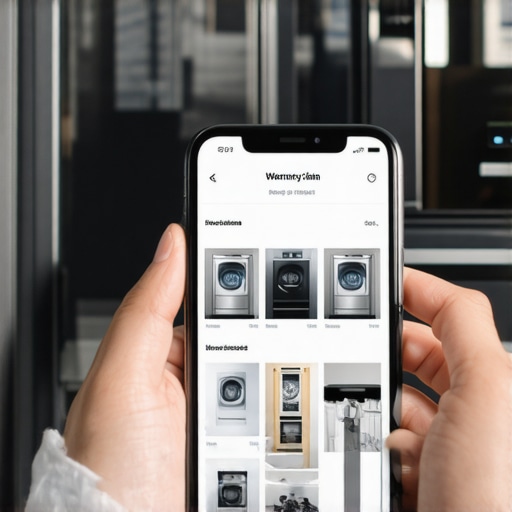 Many homeowners assume that installing a dishwasher is as simple as plugging it in and pressing start, but this oversimplification can lead to costly mistakes down the line. One common misconception is that the quality of parts used during installation doesn’t significantly impact warranty coverage. In reality, choosing the right high-quality parts—like stainless steel braided hoses—can prevent leaks and ensure warranty validity, as detailed in this guide. Another nuance often missed is the importance of correct drain hose routing; a sagging or improperly positioned hose not only hampers drainage but can also cause warranty disputes, so it’s wise to consult professional installation tips here. Many believe that the warranty covers all issues, but many warranties exclude damage caused by improper installation or using non-approved parts, which is frequently overlooked. For example, some manufacturers specify that using third-party parts voids warranty coverage, so always verify part compatibility. Also, a common mistake is neglecting to register your appliance after installation; unregistered units may not be covered fully in the event of a part failure, as explained in this resource. For advanced users, understanding how firmware updates can affect warranty status is crucial, especially with smart dishwashers that regularly receive updates to improve performance. Neglecting this can inadvertently void coverage if updates lead to issues—something experts suggest monitoring carefully. So, what exactly can go wrong if you overlook these nuances? Simply put, improper installation or using mismatched parts can result in denied warranty claims, leading to out-of-pocket expenses for repairs or replacements. It’s a trap many fall into, thinking all that matters is getting the dishwasher running. To avoid this, always follow professional installation procedures, use vendor-approved parts, and document every step, including photos and receipts. This diligence pays off when disputes arise, ensuring you stand on firmer ground. Have you ever fallen into this trap? Let me know in the comments. Remember, a little extra attention during installation and part selection can save you headaches—and money—in the long run.
Essential Tools for DIY Maintenance and Repairs
Maintaining your dishwasher’s performance over time requires the right set of specialized tools. I recommend investing in a high-quality digital multimeter, which I personally use to diagnose electrical issues like faulty control boards or sensors. A durable Phillips and flathead screwdriver set is crucial for replacing parts such as spray arms or door latches. Additionally, a plastic pry tool helps in opening and cleaning components without damaging the shell. For hose replacements or fittings, a set of PEX crimp tools and a pipe wrench ensure secure, leak-free connections. Having a small, magnetic parts tray keeps small screws and clips organized during repairs, preventing misplaced components. Regular maintenance with these tools not only extends your appliance’s lifespan but also saves on costly professional service calls.
Embracing Technology for Ongoing Performance
In the digital age, software apps and diagnostic devices can help monitor your dishwasher’s health. I personally rely on manufacturer-approved diagnostic tools that connect via Bluetooth or Wi-Fi. These apps provide real-time status updates, error code explanations, and maintenance reminders, making it easier to troubleshoot issues early. Firmware updates, for example, can optimize wash cycles and sensor sensitivity, enhancing efficiency and longevity. As smart appliances become more prevalent, predictive maintenance features will likely play a significant role, alerting owners to potential failures before they occur. Keeping your software and firmware up to date prevents sudden breakdowns and preserves warranty coverage, as explained in our warranty guide.
Prolonging Your Appliance’s Life with Routine Checks
How do I maintain my dishwasher over time? The key is consistency. Regularly inspecting the spray arms for calcium buildup and ensuring water inlet filters are clean can prevent poor cleaning performance. I recommend checking door seals and gaskets monthly for leaks or wear—issues that often cause warranty disputes if overlooked. Additionally, monitor the drain hose routing and clamps, referencing this checklist to avoid drainage problems that can lead to more severe malfunctions. Scheduling semi-annual inspections of electrical connections and replacing worn parts proactively, such as black rubber seals, will keep your dishwasher performing optimally. Remember, preventative maintenance now can save you from costly repairs later, and many repairs can be DIY if you have the right tools and knowledge.
What’s Next in Dishwasher Care?
Looking ahead, the integration of AI-driven diagnostics and machine learning will make appliance maintenance even more accessible and precise. Predictive analytics could inform you of motor wear or filter deterioration before failures happen. For now, start by employing high-quality tools in your routine upkeep—like a digital multimeter and specialized screwdrivers—and leverage diagnostic apps to stay ahead of problems. Don’t forget to regularly consult your warranty policy (see this resource) to ensure your efforts are protected. I challenge you to try calibrating your detergent dispenser sensors with the right adjusting tools; a small tweak that can improve cleaning and protect your warranty. Want to dive deeper? Explore our detailed guides on replacing common parts for sustained performance.
What No One Tells You About Warranty Claims That Fail
One of the biggest lessons I learned was that warranty policies often contain hidden nuances—things not clearly explained in the fine print. Realizing this helped me craft stronger cases and avoid common pitfalls. For example, I discovered that failing to register my appliance or using unapproved parts could void my warranty, even if the defect was genuine. This insight made me proactive, ensuring I followed all guidelines meticulously.
My Go-To Resources for Keeping the Warranty Alive
Over time, I’ve relied on a handful of tools and sources that I trust deeply. The first is the official warranty documentation I obtained during purchase, which is my baseline reference. I also consult reputable online forums where experienced technicians share tips. Additionally, this resource has been invaluable for interpreting warranty language. These tools have empowered me to approach disputes confidently.
Empowering Yourself Can Lead to Surprising Wins
Seeking external help, like consumer protection agencies, might sound intimidating, but I’ve found they can be allies in tough situations. When I felt stonewalled by the manufacturer, filing a complaint with the Better Business Bureau added pressure. Sometimes, simply knowing you have options beyond acceptance fuels your resolve. Every successfully overturned claim has boosted my confidence and taught me that persistence pays off.
Laugh at Mistakes but Don’t Ignore Them
Looking back, I realized that rushing into DIY repairs without proper tools or knowledge can backfire—leading to warranty denials or further damage. Investing in quality tools, like a digital multimeter and appropriate screwdrivers, truly pays off. Also, paying close attention during installation, such as ensuring correct hose routing, helps prevent issues that might nullify your warranty. Remember, learning from these mistakes saves you money and hassle in the long run.
Action Beyond Repair—Stay Ahead of Problems
The future of dishwasher maintenance is increasingly smart and automated. Already, am I noticing tools that monitor and alert you to problems before they escalate? Starting now, equipping yourself with diagnostic apps and firmware updates can prolong your appliance’s life and keep warranty coverage intact. My advice: stay curious, stay proactive, and don’t wait for a breakdown to act. Your dishwasher—and your wallet—will thank you.
Related Posts
How to Prove Your DIY Install Meets Warranty Standards
I remember the day I hid my tools after a…

The Secret to Getting a Service Tech to Approve Your Warranty Claim
I remember the exact moment I realized I was stuck…

Why Your Warranty Claim for a Door Gasket Was Denied
I remember the morning I stepped into a cold, soapy…