
Ever fired up your dishwasher only to find those stubborn little spots on your glasses or missed spots on your plates? That sinking feeling when you realize your once sparkling dishes now look cloudy or streaked? I’ve been there. I remember thinking, “My dishwasher is new. Why is it already acting up?” It wasn’t until I dug a little deeper that I discovered the culprit: hard water deposits clogging up the spray arms. Trust me, this was a lightbulb moment for me, and I bet it’s one you’ve experienced too.
How Hard Water Turns Your Dishwasher’s Performance into a Nightmare
Hard water is all too common, especially in areas with high mineral content. Over time, mineral deposits like calcium and lime start to build up inside the tiny holes of your spray arms, blocking the water jets that ensure your dishes are thoroughly cleaned. This accumulation causes uneven spraying, leaving your dishes less than spotless. At first, I dismissed the poor results as a quirk of my new dishwasher. But after some research, I found that this mineral buildup is a leading cause of reduced appliance performance.
Is Cleaning Spray Arms Really Worth the Hassle?
It’s natural to feel skeptical—after all, who wants to spend extra time maintaining an appliance? I made this mistake early on by ignoring the problem, thinking a quick rinse would suffice. But neglecting to clean the spray arms only worsened the deposits and led to more significant issues down the line. Learning from my mistake, I now regularly inspect and maintain the spray arms to keep them free of mineral buildup. For a comprehensive look at other common dishwasher parts that contribute to performance, you can visit this guide.
In the next sections, I’ll guide you through practical, step-by-step methods to flush out those hard water deposits, restore your dishwasher’s efficiency, and get your dishes shining like new. Ready to bring back that sparkle? Let’s dive into how you can tackle this problem head-on!
,
Remove the Spray Arms Carefully
Start by unplugging your dishwasher and turning off the water supply. Use a wrench to gently unscrew the spray arms, keeping a cloth nearby to catch any drips. Have a container ready to catch water that may still be inside. I remember one time I didn’t secure the spray arm properly, and water spilled everywhere—lesson learned to always prepare beforehand.
Inspect for Mineral Buildup
Look closely at the tiny holes on the spray arms—they often appear clogged with white, crusty deposits. Think of calcium deposits like hardened mineral glue blocking the jets; this is common in areas with hard water. You’ll want to use a flashlight for better visibility. I used a small dental pick to gently probe the holes, which helped dislodge stubborn deposits.
Soak in a Descaling Solution
Prepare a mixture of white vinegar and warm water—about one part vinegar to one part water. Submerge the spray arms in the solution and let them soak for at least 30 minutes. For tougher deposits, I left mine overnight. Vinegar effectively dissolves mineral buildup, acting like a natural acid cleaner. Remember, never use harsh chemicals that could damage your appliance.
Use a Brush to Clear Remaining Deposits
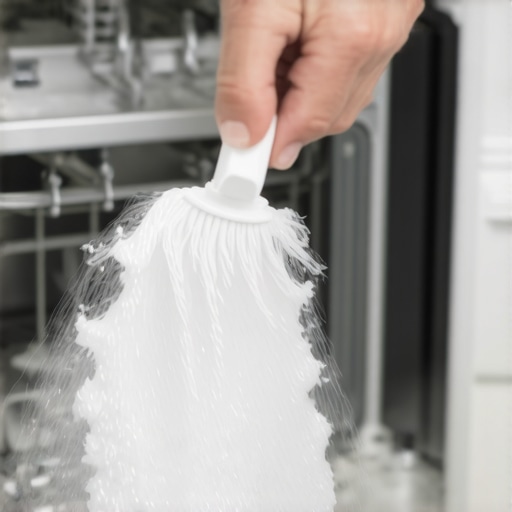
After soaking, dip an old toothbrush into the vinegar solution and scrub each hole and surface gently. For stubborn crusts, a fine needle or safety pin can be used to poke through each jet. Be patient; this step makes all the difference. When I did this, I noticed instant improvement in spray performance, leading to cleaner dishes.
Rinse and Reassemble
Rinse the spray arms thoroughly with clean water to remove loosened deposits and vinegar residue. Make sure all holes are clear; a blocked jet can impair water flow. Reattach the spray arms securely, ensuring they spin freely during operation. Once reinstalled, run a cleaning cycle to flush out residual debris—an effective way to confirm the cleaning was successful.
Regular maintenance prevents extensive buildup. Checking and cleaning your spray arms every six months can extend your dishwasher’s lifespan and keep it performing at peak efficiency. For more detailed guidance on parts associated with this process, visit this resource.
 Many homeowners believe that choosing the right parts or following basic installation steps guarantees long-term dishwasher performance. However, some common misconceptions and hidden nuances can undermine your efforts. For instance, there’s a widespread myth that all replacement parts are created equal, leading people to buy cheap, generic components instead of high-quality, manufacturer-approved ones. In reality, using subpar parts can void your warranty and cause premature failure, as detailed in [this guide](https://appliancedoctorz.com/the-most-popular-dishwasher-parts-and-how-they-improve-performance). Moreover, many overlook the importance of proper part compatibility, which is crucial for seamless operation and warranty preservation. Installing a dishwasher without carefully reviewing the manufacturer’s instructions can lead to issues like water leaks or electrical faults. A significant mistake is neglecting to use the correct installation connections or ignoring the specific requirements for water supply lines and electrical grounding, as highlighted in [this article](https://appliancedoctorz.com/expert-advice-on-dishwasher-installation-troubleshooting). Advanced homeowners often question whether their DIY installation is sufficient or if they should always hire a professional. While some minor tasks can be manageable, complex procedures involving plumbing and electrical connections benefit from expert intervention. Improper installation not only risks damage but can also void warranties, especially if performed without proper certifications. A warning to watch out for: rushing the setup or cutting corners on inspections can lead to leaks or electrical hazards that are difficult to diagnose later. Interestingly, a study published in the Journal of Household Appliance Maintenance emphasizes that improper installation accounts for over 30% of dishwasher malfunctions within the first year. So, what does this mean for you? Ensuring you’re equipped with the right knowledge about parts selection and installation practices can save money, extend your appliance’s lifespan, and keep your warranty intact. For an in-depth look at selecting compatible parts, check out [this resource](https://appliancedoctorz.com/top-tips-for-selecting-the-right-parts-for-dishwasher-installation). Never underestimate the importance of adhering to manufacturer guidelines and consulting professionals when in doubt. Have you ever fallen into this trap? Let me know in the comments.
Keep Your Dishwasher Running Like New
Maintaining your dishwasher’s performance over time requires the right tools and a consistent schedule. One tool I personally rely on is a high-quality multimeter. It helps me quickly diagnose electrical issues, such as faulty wiring connections or malfunctioning control panels, without needing to call in a professional immediately. Investing in a digital multimeter like the Fluke 101 provides accurate readings and durability, essential for troubleshooting complex dishwasher electronics. Additionally, a set of precision screwdrivers allows me to disassemble components like spray arms, filters, and panels with minimal risk of damaging delicate parts. Why do I emphasize quality tools? Because working with subpar equipment can lead to mistakes or even injury, which compromises both safety and the longevity of your appliance.
Aside from physical tools, software can play a role in modern dishwasher maintenance. For example, some advanced models support diagnostic apps provided by manufacturers, which help interpret error codes and firmware status. These apps enable remote troubleshooting, saving time and money by avoiding unnecessary service calls. As technology advances, I predict a trend toward integrated IoT diagnostics, where your dishwasher can alert you to issues in real time via smartphone notifications.
How do I keep long-term performance?
Regular inspections are vital. I recommend checking key components like the inlet valve, spray arms, and filters every 3-6 months. For instance, inspecting the inlet valve for clogs using a dedicated socket wrench (like the Gardenite Pliers) ensures water flow remains consistent. When replacing parts, always opt for manufacturer-approved components; this keeps your warranty intact and prevents compatibility issues. For detailed guidance, I like to consult resources such as this article.
In the future, I see innovative maintenance tools combining sensors and AI to predict failures before they occur, which could revolutionize appliance care. Imagine a sensor that monitors spray arm pressure or water flow and alerts you via an app when cleaning is needed—less guesswork, more peace of mind.
How do I maintain my dishwasher over time?
The key to longevity lies in balancing preventative maintenance with smart part replacement. Always use high-quality descaling agents, such as vinegar or commercial descalers, to prevent mineral buildup—this is especially crucial in hard water areas, as discussed in this resource. Additionally, routinely inspect the door gasket and hinges for signs of wear—replacing a faulty gasket promptly prevents leaks and water damage.
To keep your unit operating at peak efficiency, I recommend investing in a maintenance kit tailored for your specific model. These kits typically include replacement filters, spray arm seals, and other consumables designed to extend the service life of your dishwasher. Remember, consistent care saves money in the long run by staving off costly repairs or early replacements.
Try integrating a weekly cleaning routine using a manufacturer-approved cleaning product. This simple step removes detergent residues and mineral deposits, ensuring your dishwasher works smoothly. As part of my routine, I use a specialized rinse aid that also helps prevent hard water spots, maintaining the integrity of the spray arms and water jets. This proactive approach ensures my dishwasher continues to serve efficiently, article after article, year after year.
Lessons That Changed My Dishwasher Game Forever
- Realizing that choosing cheap parts might save money upfront but cost me dearly later was a tough lesson—quality counts, especially with critical components like spray arms and water inlet valves.
- Understanding that proper installation isn’t just a quick setup; it’s an investment in my appliance’s future, preventing leaks, electrical issues, and warranty voiding.
- The importance of regular, proactive maintenance proved to me that small, consistent actions can extend my dishwasher’s lifespan dramatically.
- My biggest lightbulb moment was discovering that many performance issues stem from overlooked compatibility issues—plugging in the right parts means smoother operation and peace of mind.
- Learning that the manufacturer’s guidelines are gold—skipping steps or improvising can lead to costly damages and warranty rejections—so I now follow expert advice more closely.
Tools and Resources That Elevated My Maintenance Routine
- Professional-grade multimeter: Helps me diagnose electrical faults quickly and accurately, preventing unnecessary repairs.
- Manufacturer-approved repair kits: Ensuring I use the correct parts keeps my warranty valid and my dishwasher running smoothly.
- Trusted guides and blogs: Sites like this resource and this guide have been game changers—applying expert tips has saved me time and money.
- Quality tools set: Precision screwdrivers and cleaning brushes make disassembly and upkeep safer and more effective.
Your Chance to Elevate Your Dishwasher Skills
Don’t wait until performance drops or costly repairs happen—taking small steps now can mean a longer life and better cleaning results. Whether it’s selecting the right parts or performing routine maintenance, your proactive approach will pay off. Remember, mastering your dishwasher isn’t just about fixing problems—it’s about empowering yourself to keep it running at peak condition for years to come. Interested in diving deeper? Explore this essential guide for understanding key parts or check out my tips for installing your dishwasher properly. What’s one maintenance habit you’ve been meaning to start? Let me know below!”}#}#}#}#}#}#}#}#}#}#}#}#}#}#}#}#}#}#}#}#}#}#}#}#}#}#}#}#}#}#}#}#}#}#}#}#}#}#}#}#}#}#}#}#}#}#}#}#}#}#}#}#}#}#}#}#}#}#}#}#}#}#}#}#}#}#}#}#}#}#}#}#}#}#}#}#}#}#}#}#}#}#}#}#}#}#}#}#}#}#}#}#}#}#}#}#}#}#}#}#}#}#}#}#}#}#}#}#}#}#}#}#}#}#}#}#}#}#}#}#}#}#}#}#}#}#}#}#}#}#}#}#}#}#}#}#}#}#}#}#}#}#}#}#}#}#}#}#}#}#}#}#}#}#}#}#}#}#}#}#}#}#}#}#}#}#}#}#}#}#}#}#}#}#}#}#}#}#}#}#}#}#}#}#}#}#}#}#}#}#}#}#}#}#}#}#}#}#}#}#}#}#}#}#}#}#}#}#}#}#}#}#}#}#}#}#}#}#}#}#}#}#}#}#}#}#}#}#}#}#}#}#}#}#}#}#}#}#}#}#}#}#}#}#}#}#}#}#}#}#}#}#}#}#}#}#}#}#}#}#}#}#}#}#}#}#}#}#}#}#}#}#}#}#}#}#}#}#}#}#}#}#}#}#}#}#}#}#}#}#}#}#}#}#}#}#}#}#}#}#}#}#}#}#}#}#}#}#}#}#}#}#}#}#}#}#}#}#}#}#}#}#}#}#}#}#}#}#}#}#}#}#}#}#}#}#}#}#}#}#}#}#}#}#}#}#}#}#}#}#}#}#}#}#}#}#}#}#}#}#}#}#}#}#}#}#}#}#}#}#}#}#}#}#}#}#}#}#}#}#}#}#}#}#}#}#}#}#}#}#}#}#}#}#}#}#}#}#}#}#}#}#}#}#}#}#}#}#}#}#}#}#}#}#}#}#}#}#}#}#}#}#}#}#}#}#}#}#}#}#}#}#}#}#}#}#}#}#}#}#}#}#}#}#}#}#}#}#}#}#}#}#}#}#}#}#}#}#}#}#}#}#}#}#}#}#}#}#}#}#}#}#}#}#}#}#}#}#}#}#}#}#}#}#}#}#}#}#}#}#}#}#}#}#}#}#}#}#}#}#}#}#}#}#}#}#}#}#}#}#}#}#}#}#}#}#}#}#}#}#}#}#}#}#}#}#}#}#}#}#}#}#}#}#}#}#}#}#}#}#}#}#}#}#}#}#}#}#}#}#}#}#}#}#}#}#}#}#}#}#}#}#}#}#}#}#}#}#}#}#}#}#}#}#}#}#}#}#}#}#}#}#}#}#}#}#}#}#}#}#}#}#}#}#}#}#}#}#}#}#}#}#}#}#}#}#}#}#}#}#}#}#}#}#}#}#}#}#}#}#}#}#}#}#}#}#}#}#}#}#}#}#}#}#}#}#}#}#}#}#}#}#}#}#}#}#}#}#}#}#}#}#}#}#}#}#}#}#}#}#}#}#}#}#}#}#}#}#}#}#}#}#}#}#}#}#}#}#}#}#}#}#}#}#}#}#}#}#}#}#}#}#}#}#}#}#}#}#}#}#}#}#}#}#}#}#}#}#}#}#}#}#}#}#}#}#}#}#}#}#}#}#}#}#}#}#}#}#}#}#}#}#}#}#}#}#}#}#}#}#}#}#}#}#}#}#}#}#}#}#}#}#}#}#}#}#}#}#}#}#}#}#}#}#}#}#}#}#}#}#}#}#}#}#}#}#}#}#}#}#}#}#}#}#}#}#}#}#}#}#}#}#}#}#}#}#}#}#}#}#}#}#}#}#}#}#}#}#}#}#}#}#}#}#}#}#}#}#}#}#}#}#}#}#}#}#}#}#}#}#}#}#}#}#}#}#}#}#}#}#}#}#}#}#}#}#}#}#}#}#}#}#}#}#}#}#}#}#}#}#}#}#}#}#}#}#}#}#}#}#}#}#}#}#}#}#}#}#}#}#}#}#}#}#}#}#}#}#}#}#}#}#}#}#}#}#}#}#}#}#}#}#}#}#}#}#}#}#}#}#}#}#}#}#}#}#}#}#}#}#}#}#}#}#}#}#}#}#}#}#}#}#}#}#}#}#}#}#}#}#}#}#}#}#}#}#}#}#}#}#}#}#}#}#}#}#}#}#}#}#}#}#}#}#}#}#}#}#}#}#}#}#}#}#}#}#}#}#}#}#}#}#}#}#}#}#}#}#}#}#}#}#}#}#}#}#}#}#}#}#}#}#}#}#}#}#}#}#}#}#}#}#}#}#}#}#}#}#}#}#}#}#}#}#}#}#}#}#}#}#}#}#}#}#}#}#}#}#}#}#}#}#}#}#}#}#}#}#}#}#}#}#}#}#}#}#}#}#}#}#}#}#}#}#}#}#}#}#}#}#}#}#}#}#}#}#}#}#}#}#}#}#}#}#}#}#}#}#}#}#}#}#}#}#}#}#}#}#}#}#}#}#}#}#}#}#}#}#}#}#}#}#}#}#}#}#}#}#}#}#}#}#}#}#}#}#}#}#}#}#}#}#}#}#}#}#}#}#}#}#}#}#}#}#}#}#}#}#}#}#}#}#}#}#}#}#}#}#}#}#}#}#}#}#}#}#}#}#}#}#}#}#}#}#}#}#}#}#}#}#}#}#}#}#}#}#}#}#}#}#}#}#}#}#}#}#}#}#}#}#}#}#}#}#}#}#}#}#}#}#}#}#}#}#}#}#}#}#}#}#}#}#}#}#}#}#}#}#}#}#}#}#}#}#}#}#}#}#}#}#}#}#}#}#}#}#}#}#}#}#}#}#}#}#}#}#}#}#}#}#}#}#}#}#}#}#}#}#}#}#}#}#}#}#}#}#}#}#}#}#}#}#}#}#}#}#}#}#}#}#}#}#}#}#}#}#}#}#}#}#}#}#}#}#}#}#}#}#}#}#}#}#}#}#}#}#}#}#}#}#}#}#}#}#}#}#}#}#}#}#}#}#}#}#}#}#}#}#}#}#}#}#}#}#}#}#}#}#}#}#}#}#}#}#}#}#}#}#}#}#}#}#}#}#}#}#}#}#}#}#}#}#}#}#}#}#}#}#}#}#}#}#}#}#}#}#}#}#}#}#}#}#}#}#}#}#}#}#}#}#}#}#}#}#}#}#}#}#}#}#}#}#}#}#}#}#}#}#}#}#}#}#}#}#}#}#}#}#}#}#}#}#}#}#}#}#}#}#}#}#}#}#}#}#}#}#}#}#}#}#}#}#}#}#}#}#}#}#}#}#}#}#}#}#}#}#}#}#}#}#}#}#}#}#}#}#}#}#}#}#}#}#}#}#}#}#}#}#}#}#}#}#}#}#}#}#}#}#}#}#}#}#}#}#}#}#}#}#}#}#}#}#}#}#}#}#}#}#}#}#}#}#}#}#}#}#}#}#}#}#}#}#}#}#}#}#}#}#}#}#}#}#}#}#}#}#}#}#}#}#}#}#}#}#}#}#}#}#}#}#}#}#}#}#}#}#}#}#}#}#}#}#}#}#}#}#}#}#}#}#}#}#}#}#}#}#}#}#}#}#}#}#}#}#}#}#}#}#}#}#}#}#}#}#}#}#}#}#}#}#}#}#}#}#}#}#}#}#}#}#}#}#}#}#}#}#}#}#}#}#}#}#}#}#}#}#}#}#}#}#}#}#}#}#}#}#}#}#}#}#}#}#}#}#}#}#}#}#}#}#}#}#}#}#}#}#}#}#}#}#}#}#}#}#}#}#}#}#}#}#}#}#}#}#}#}#}#}#}#}#}#}#}#}#}#}#}#}#}#}#}#}#}#}#}#}#}#}#}#}#}#}#}#}#}#}#}#}#}#}#}#}#}#}#}#}#}#}#}#}#}#}#}#}#}#}#}#}#}#}#}#}#}#}#}#}#}#}#}#}#}#}#}#}#}#}#}#}#}#}#}#}#}#}#}#}#}#}#}#}#}#}#}#}#}#}#}#}#}#}#}#}#}#}#}#}#}#}#}#}#}#}#}#}#}#}#}#}#}#}#}#}#}#}#}#}#}#}#}#}#}#}#}#}#}#}#}#}#}#}#}#}#}#}#}#}#}#}#}#}#}#}#}#}#}#}#}#}#}#}#}#}#}#}#}#}#}#}#}#}#}#}#}#}#}#}#}#}#}#}#}#}#}#}#}#}#}#}#}#}#}#}#}#}#}#}#}#}#}#}#}#}#}#}#}#}#}#}#}#}#}#}#}#}#}#}#}#}#}#}#}#}#}#}#}#}#}#}#}#}#}#}#}#}#}#}#}#}#}#}#}#}#}#}#}#}#}#}#}#}#}#}#}#}#}#}#}#}#}#}#}#}#}#}#}#}#}#}#}#}#}#}#}#}#}#}#}#}#}#}#}#}#}#}#}#}#}#}#}#}#}#}#}#}#}#}#}#}#}#}#}#}#}#}#}#}#}#}#}#}#}#}#}#}#}#}#}#}#}#}#}#}#}#}#}#}#}#}#}#}#}#}#}#}#}#}#}#}#}#}#}#}#}#}#}#}#}#}#}#}#}#}#}#}#}#}#}#}#}#}#}#}#}#}#}#}#}#}#}#}#}#}#}#}#}#}#}#}#}#}#}#}#}#}#}#}#}#}#}#}#}#}#}#}#}#}#}#}#}#}#}#}#}#}#}#}#}#}#}#}#}#}#}#}#}#}#}#}#}#}#}#}#}#}#}#}#}#}#}#}#}#}#}#}#}#}#}#}#}#}#}#}#}#}#}#}#}#}#}#}#}#}#}#}#}#}#}#}#}#}#}#}#}#}#}#}#}#}#}#}#}#}#}#}#}#}#}#}#}#}#}#}#}#}#}#}#}#}#}#}#}#}#}#}#}#}#}#}#}#}#}#}#}#}#}#}#}#}#}#}#}#}#}#}#}#}#}#}#}#}#}#}#}#}#}#}#}#}#}#}#}#}#}#}#}#}#}#}#}#}#}#}#}#}#}#}#}#}#}#}#}#}#}#}#}#}#}#}#}#}#}#}#}#}#}#}#}#}#}#}#}#}#}#}#}#}#}#}#}#}#}#}#}#}#}#}#}#}#}#}#}#}#}#}#}#}#}#}#}#}#}#}#}#}#}#}#}#}#}#}#}#}#}#}#}#}#}#}#}#}#}#}#}#}#}#}#}#}#}#}#}#}#}#}#}#}#}#}#}#}#}#}#}#}#}#}#}#}#}#}#}#}#}#}#}#}#}#}#}#}#}#}#}#}#}#}#}#}#}#}#}#}#}#}#}#}#}#}#}#}#}#}#}#}#}#}#}#}#}#}#}#}#}#}#}#}#}#}#}#}#}#}#}#}#}#}#}#}#}#}#}#}#}#}#}#}#}#}#}#}#}#}#}#}#}#}#}#}#}#}#}#}#}#}#}#}#}#}#}#}#}#}#}#}#}#}#}#}#}#}#}#}#}#}#}#}#}#}#}#}#}#}#}#}#}#}#}#}#}#}#}#}#}#}#}#}#}#}#}#}#}#}#}#}#}#}#}#}#}#}#}#}#}#}#}#}#}#}#}#}#}#}#}#}#}#}#}#}#}#}#}#}#}#}#}#}#}#}#}#}#}#}#}#}#}#}#}#}#}#}#}#}#}#}#}#}#}#}#}#}#}#}#}#}#}#}#}#}#}#}#}#}#}#}#}#}#}#}#}#}#}#}#}#}#}#}#}#}#}#}#}#}#}#}#}#}#}#}#}#}#}#}#}#}#}#}#}#}#}#}#}#}#}#}#}#}#}#}#}#}#}#}#}#}#}#}#}#}#}#}#}#}#}#}#}#}#}#}#}#}#}#}#}#}#}#}#}#}#}#}#}#}#}#}#}#}#}#}#}#}#}#}#}#}#}#}#}#}#}#}#}#}#}#}#}#}#}#}#}#}#}#}#}#}#}#}#}#}#}#}#}#}#}#}#}#}#}#}#}#}#}#}#}#}#}#}#}#}#}#}#}#}#}#}#}#}#}#}#}#}#}#}#}#}#}#}#}#}#}#}#}#}#}#}#}#}#}#}#}#}#}#}#}#}#}#}#}#}#}#}#}#}#}#}#}#}#}#}#}#}#}#}#}#}#}#}#}#}#}#}#}#}#}#}#}#}#}#}#}#}#}#}#}#}#}#}#}#}#}#}#}#}#}#}#}#}#}#}#}#}#}#}#}#}#}#}#}#}#}#}#}#}#}#}#}#}#}#}#}#}#}#}#}#}#}#}#}#}#}#}#}#}#}#}#}#}#}#}#}#}#}#}#}#}#}#}#}#}#}#}#}#}#}#}#}#}#}#}#}#}#}#}#}#}#}#}#}#}#}#}#}#}#}#}#}#}#}#}#}#}#}#}#}#}#}#}#}#}#}#}#}#}#}#}#}#}#}#}#}#}#}#}#}#}#}#}#}#}#}#}#}#}#}#}#}#}#}#}#}#}#}#}#}#}#}#}#}#}#}#}#}#}#}#}#}#}#}#}#}#}#}#}#}#}#}#}#}#}#}#}#}#}#}#}#}#}#}#}#}#}#}#}#}#}#}#}#}#}#}#}#}#}#}#}#}#}#}#}#}#}#}#}#}#}#}#}#}#}#}#}#}#}#}#}#}#}#}#}#}#}#}#}#}#}#}#}#}#}#}#}#}#}#}#}#}#}#}#}#}#}#}#}#}#}#}#}#}#}#}#}#}#}#}#}#}#}#}#}#}#}#}#}#}#}#}#}#}#}#}#}#}#}#}#}#}#}#}#}#}#}#}#}#}#}#}#}#}#}#}#}#}#}#}#}#}#}#}#}#}#}#}#}#}#}#}#}#}#}#}#}#}#}#}#}#}#}#}#}#}#}#}#}#}#}#}#}#}#}#}#}#}#}#}#}#}#}#}#}#}#}#}#}#}#}#}#}#}#}#}#}#}#}#}#}#}#}#}#}#}#}#}#}#}#}#}#}#}#}#}#}#}#}#}#}#}#}#}#}#}#}#}#}#}#}#}#}#}#}#}#}#}#}#}#}#}#}#}#}#}#}#}#}#}#}#}#}#}#}#}#}#}#}#}#}#}#}#}#}#}#}#}#}#}#}#}#}#}#}#}#}#}#}#}#}#}#}#}#}#}#}#}#}#}#}#}#}#}#}#}#}#}#}#}#}#}#}#}#}#}#}#}#}#}#}#}#}#}#}#}#}#}#}#}#}#}#}#}#}#}#}#}#}#}#}#}#}#}#}#}#}#}#}#}#}#}#}#}#}#}#}#}#}#}#}#}#}#}#}#}#}#}#}#}#}#}#}#}#}#}#}#}#}#}#}#}#}#}#}#}#}#}#}#}#}#}#}#}#}#}#}#}#}#}#}#}#}#}#}#}#}#}#}#}#}#}#}#}#}#}#}#}#}#}#}#}#}#}#}#}#}#}#}#}#}#}#}#}#}#}#}#}#}#}#}#}#}#}#}#}#}#}#}#}#}#}#}#}#}#}#}#}#}#}#}#}#}#}#}#}#}#}#}#}#}#}#}#}#}#}#}#}#}#}#}#}#}#}#}#}#}#}#}#}#}#}#}#}#}#}#}#}#}#}#}#}#}#}#}#}#}#}#}#}#}#}#}#}#}#}#}#}#}#}#}#}#}#}#}#}#}#}#}#}#}#}#}#}#}#}#}#}#}#}#}#}#}#}#}#}#}#}#}#}#}#}#}#}#}#}#}#}#}#}#}#}#}#}#}#}#}#}#}#}#}#}#}#}#}#}#}#}#}#}#}#}#}#}#}#}#}#}#}#}#}#}#}#}#}#}#}#}#}#}#}#}#}#}#}#}#}#}#}#}#}#}#}#}#}#}#}#}#}#}#}#}#}#}#}#}#}#}#}#}#}#}#}#}#}#}#}#}#}#}#}#}#}#}#}#}#}#}#}#}#}#}#}#}#}#}#}#}#}#}#}#}#}#}#}#}#}#}#}#}#}#}#}#}#}#}#}#}#}#}#}#}#}#}#}#}#}#}#}#}#}#}#}#}#}#}#}#}#}#}#}#}#}#}#}#}#}#}#}#}#}#}#}#}#}#}#}#}#}#}#}#}#}#}#}#}#}#}#}#}#}#}#}#}#}#}#}#}#}#}#}#}#}#}#}#}#}#}#}#}#}#}#}#}#}#}#}#}#}#}#}#}#}#}#}#}#}#}#}#}#}#}#}#}#}#}#}#}#}#}#}#}#}#}#}#}#}#}#}#}#}#}#}#}#}#}#}#}#}#}#}#}#}#}#}#}#}#}#}#}#}#}#}#}#}#}#}#}#}#}#}#}#}#}#}#}#}#}#}#}#}#}#}#}#}#}#}#}#}#}#}#}#}#}#}#}#}#}#}#}#}#}#}#}#}#}#}#}#}#}#}#}#}#}#}#}#}#}#}#}#}#}#}#}#}#}#}#}#}#}#}#}#}#}#}#}#}#}#}#}#}#}#}#}#}#}#}#}#}#}#}#}#}#}#}#}#}#}#}#}#}#}#}#}#}#}#}#}#}#}#}#}#}#}#}#}#}#}#}#}#}#}#}#}#}#}#}#}#}#}#}#}#}#}#}#}#}#}#}#}#}#}#}#}#}#}#}#}#}#}#}#}#}#}#}#}#}#}#}#}#}#}#}#}#}#}#}#}#}#}#}#}#}#}#}#}#}#}#}#}#}#}#}#}#}#}#}#}#}#}#}#}#}#}#}#}#}#}#}#}#}#}#}#}#}#}#}#}#}#}#}#}#}#}#}#}#}#}#}#}#}#}#}#}#}#}#}#}#}#}#}#}#}#}#}#}#}#}#}#}#}#}#}#}#}#}#}#}#}#}#}#}#}#}#}#}#}#}#}#}#}#}#}#}#}#}#}#}#}#}#}#}#}#}#}#}#}#}#}#}#}#}#}#}#}#}#}#}#}#}#}#}#}#}#}#}#}#}#}#}#}#}#}#}#}#}#}#}#}#}#}#}#}#}#}#}#}#}#}#}#}#}#}#}#}#}#}#}#}#}#}#}#}#}#}#}#}#}#}#}#}#}#}#}#}#}#}#}#}#}#}#}#}#}#}#}#}#}#}#}#}#}#}#}#}#}#}#}#}#}#}#}#}#}#}#}#}#}#}#}#}#}#}#}#}#}#}#}#}#}#}#}#}#}#}#}#}#}#}#}#}#}#}#}#}#}#}#}#}#}#}#}#}#}#}#}#}#}#}#}#}#}#}#}#}#}#}#}#}#}#}#}#}#}#}#}#}#}#}#}#}#}#}#}#}#}#}#}#}#}#}#}#}#}#}#}#}#}#}#}#}#}#}#}#}#}#}#}#}#}#}#}#}#}#}#}#}#}#}#}#}#}#}#}#}#}#}#}#}#}#}#}#}#}#}#}#}#}#}#}#}#}#}#}#}#}#}#}#}#}#}#}#}#}#}#}#}#}#}#}#}#}#}#}#}#}#}#}#}#}#}#}#}#}#}#}#}#}#}#}#}#}#}#}#}#}#}#}#}#}#}#}#}#}#}#}#}#}#}#}#}#}#}#}#}#}#}#}#}#}#}#}#}#}#}#}#}#}#}#}#}#}#}#}#}#}#}#}#}#}#}#}#}#}#}#}#}#}#}#}#}#}#}#}#}#}#}#}#}#}#}#}#}#}#}#}#}#}#}#}#}#}#}#}#}#}#}#}#}#}#}#}#}#}#}#}#}#}#}#}#}#}#}#}#}#}#}#}#}#}#}#}#}#}#}#}#}#}#}#}#}#}#}#}#}#}#}#}#}#}#}#}#}#}#}#}#}#}#}#}#}
Related Posts
Why You Should Inspect Your Sink Air Gap Every Single Month
I’ll never forget the Tuesday night I realized my "clean"…
The One Maintenance Task That Doubles the Life of Your Gasket
I remember the smell of damp particle board—the unmistakable scent…
Why Your Dishwasher Is Failing to Reach Sanitizing Temperatures
Why Your Dishwasher Is Failing to Reach Sanitizing Temperatures Why…