
It happened one busy morning while I was rushing to get breakfast ready. I reached for my soap dispenser, expecting that satisfying click as it opened fully, only to be met with half an opening—that awkward, frustrating position where I could barely get soap onto my hands. It was like the dispenser was playing a prank on me, and I couldn’t help but wonder, “Why is this happening?”
When Your Soap Dispenser’s Half-Open Habit Gets You Stuck
Dealing with a soap dispenser that refuses to open all the way can throw a wrench into your daily routine. It might seem like a minor annoyance, but over time, it can turn into a persistent frustration—especially when you’re trying to wash away the stress of a long day.
Inspect the Dispenser Mechanism Carefully
Start by removing the detergent dispenser cover and examining the latch and hinge for debris, corrosion, or damage. I once faced a jammed latch that prevented full opening, and cleaning it with a soft brush restored smooth operation. Use a multimeter to test the latch motor if it’s electronically controlled, ensuring proper function. If faulty, consider replacing the latch assembly, which can be sourced from https://appliancedoctorz.com/common-dishwasher-parts-and-how-to-replace-them-effectively.
Clear Obstructions and Clean Residue
Next, check for soap buildup, calcium deposits, or small objects lodged in the dispenser. Soak the area with vinegar or a descaling solution to loosen stubborn residue. During a recent repair, soaking disassembled parts in vinegar for 15 minutes dissolved mineral deposits that caused half-open issues. Rinse thoroughly to prevent future clogging. Regular cleaning here extends your dishwasher’s lifespan and maintains optimal performance.
Test Water Supply and Pressure
Low water pressure can mimic dispenser problems. Inspect the inlet valve and hose for kinks or blockages, replacing faulty components via https://appliancedoctorz.com/essential-parts-for-troubleshooting-dishwasher-installation-issues. Use a pressure gauge to ensure your supply meets the manufacturer’s specs—usually around 20-120 psi. Adjust water pressure or repair plumbing issues if readings are outside this range, preventing incomplete soap dispensing.
Verify Electrical Components and Connections
Electrical faults often cause incomplete opening. Turn off power at the breaker, then inspect the wiring harness connected to the dispenser. Look for corrosion, loose connections, or burnt wires—these can prevent the latch from engaging fully. If wiring appears compromised, replacing damaged wires or connectors might be necessary. For complex electrical issues, consult a professional or refer to https://appliancedoctorz.com/essential-parts-every-dishwasher-owner-should-know-about.
Replace Faulty Parts Without Delay
If your tests pinpoint a worn latch, broken hinge, or defective motor, replace these components promptly. I recall swapping out a faulty door latch myself, which instantly fixed the half-open problem and prevented leaks. Always verify that replacement parts are compatible with your model, and consider using OEM components to ensure longevity. Properly installed parts will restore full dispenser function and keep your cleaning routine hassle-free.
Perform Routine Maintenance for Long-Term Success
To prevent recurrence, schedule regular inspections and cleanings. Use ultrasonic cleaning or targeted descaling products for stubborn deposits. Ensuring the dispenser is free of obstructions and properly lubricated reduces the likelihood of future malfunctions. For more detailed guidance, explore https://appliancedoctorz.com/when-to-replace-dishwasher-parts-for-optimal-performance and learn how maintaining your dishwasher’s parts contributes to smooth operation over time.
Many homeowners assume that buying genuine replacement parts or adhering strictly to warranty policies guarantees smooth dishwasher operation. However, in my experience, there are nuanced pitfalls that even seasoned users often overlook, leading to costly mistakes or voided warranties.
Common Myths About Parts and Warranty Claims
A widespread misconception is that OEM parts always outperform aftermarket alternatives. While genuine parts are designed for specific models, some high-quality aftermarket components may perform just as well, or even better in terms of durability and cost-effectiveness. Relying solely on OEM parts can sometimes limit your options and inflate repair costs, so understanding compatibility and reviews is crucial. Additionally, many believe that warranty coverage is comprehensive; but experts like appliance technicians emphasize reading the fine print—warranties often exclude damage caused by improper installation or lack of maintenance. To maximize your warranty benefits, see https://appliancedoctorz.com/understanding-dishwasher-warranty-policies-for-peace-of-mind.
Edge Cases That Can Trick Even Experienced Users
One advanced mistake involves overlooking the significance of proper installation details, especially in complex plumbing or electrical setups. A misaligned water inlet or an uncalibrated control board can cause persistent issues that seem like part failures but are actually installation errors. For instance, an improperly installed water supply line can mimic a faulty inlet valve, leading to unnecessary part replacements. Such issues underscore the importance of understanding the detailed nuances of **seamless dishwasher installation**, which www.appliancedoctorz.com offers in its step-by-step guides. With modern units, a small oversight during installation can invalidate warranty claims or accelerate wear and tear, so take extra care and consider professional help when in doubt.
Can You Really Trust Your Repair Provider? The Hidden Risks
It’s tempting to turn to quick fixes or unverified technicians, but this ‘shortcut’ often introduces hidden risks. Using incompatible parts obtained from unreliable sources or neglecting manufacturer-recommended procedures can lead to system misalignments, leaks, or electrical faults. For example, improper electrical connections might not only damage internal circuits but also void your warranty—damage that could have been avoided with a certified technician. To prevent this, always verify the credentials of your repair provider, and consult resources like https://appliancedoctorz.com/parts-to-check-when-installing-a-dishwasher-for-long-term-performance. Remember, investing in proper installation and quality parts saves money and peace of mind in the long run.
Tools That Keep Your Dishwasher Running Smoothly
Proper maintenance starts with having the right tools on hand. I personally recommend investing in a high-quality digital multimeter. It allows me to quickly check electrical connections, such as the control board and latch motor, to diagnose faults without guesswork. Additionally, a set of long, insulated needle-nose pliers is invaluable for reaching tight spots and removing stubborn hoses or clips. For descaling, I rely on a commercial descaler like [Lemi-Shine](https://appliancedoctorz.com/essential-parts-for-troubleshooting-dishwasher-installation-issues), which effectively dissolves mineral deposits that can clog spray arms and channels.
Having these tools accessible saves me time during troubleshooting and helps prevent unnecessary part replacements. Maintenance becomes more manageable when I can quickly verify electrical issues or clear mineral build-up, ensuring my dishwasher remains in top shape.
Why Regular Inspection Matters
In my experience, periodic checks of hoses, door seals, and filters can prevent costly repairs down the line. Visual inspections for cracks, leaks, or corrosion inform proactive replacements. During these inspections, I also verify the integrity of the wiring connections, especially after repairs or installations, to avoid electrical faults that could compromise your warranty or cause safety issues. Since water pressure fluctuations can damage components over time, monitoring pressure with a reliable gauge helps maintain optimal operation—an approach I practice consistently.
The Future of Dishwasher Maintenance Is Smarter
Advances in smart home technology suggest that future dishwasher maintenance will be increasingly automated. Features like diagnostic alerts sent directly to your smartphone or predictive maintenance prompts based on usage data will make keeping your machine in excellent condition more straightforward than ever. Already, many units can self-diagnose and display error codes on their screens, guiding homeowners to specific issues and solutions. Staying informed about these trends will empower you to leverage new tools and methodologies for long-term performance.
Keep Your Machine Efficient With Routine Checks
To maintain peak performance, I recommend establishing a monthly routine: inspect hoses, check for mineral deposits, clean filters, and run diagnostics when possible. Implementing these habits saves money and extends your warranty coverage, especially when combined with quality parts from trusted sources. For comprehensive guidance on part replacement and maintenance strategies, consult this detailed resource.
How do I sustain my dishwasher’s reliability over time?
The secret lies in proactive maintenance and using the right tools. Regular inspections, timely part replacements, and staying ahead of emerging issues through diagnostics ensure your dishwasher continues to serve effectively. Remember, tools like a multimeter and descaling agents aren’t just for emergencies—they’re part of an ongoing care routine that guarantees long-term success. Don’t forget to verify that your installation is secure and correctly configured, particularly if your unit has been moved or modified recently; proper installation directly impacts maintenance ease and warranty validity. For expert installation tips, check out this upcoming guide. Ensure your maintenance approach includes examining electrical connections, replacing worn parts promptly, and leveraging emerging smart diagnostics. These strategies will keep your dishwasher functioning flawlessly for years to come.
3 Critical Lessons Only Experienced Repair Enthusiasts Realize
One of the most overlooked insights I’ve gained is that even a well-designed dispenser system can be surprisingly temperamental if minor details aren’t addressed—like ensuring hinges are lubricated or that wiring is free of corrosion. Also, never underestimate the power of a good thorough cleaning; mineral deposits can disguise themselves as mechanical failures, leading you down unnecessary repair paths. Lastly, I discovered that compatibility matters more than brand reputation; aftermarket parts, when carefully selected, can outperform OEM components without costing a fortune, provided you do your homework and verify reviews and specifications.
My Go-To Arsenal for Dishwasher Troubleshooting and Maintenance
When it comes to reliable tools, I can’t recommend enough a high-quality digital multimeter to diagnose electrical issues efficiently—saving time and preventing unnecessary part replacements. Long-insulated needle-nose pliers have saved me from stripping hoses or damaging delicate wiring. For descaling and mineral deposit removal, I trust industry-grade descalers like specialized descaling solutions. Having these at hand has truly transformed my repair approach, making maintenance less daunting and more precise.
Your Dishwasher Journey Starts Today—No Experience Needed
Embarking on your dishwasher maintenance journey might seem intimidating at first, but with the right knowledge and tools, anyone can become proficient. Remember, every fix you master enhances the longevity of your appliance and keeps your home running smoothly. Dive into the resources linked throughout this guide, keep a curious mind, and celebrate each small victory along the way. Your dishwasher’s performance is a reflection of your care—so take charge and enjoy the satisfaction of a job well done!
Related Posts
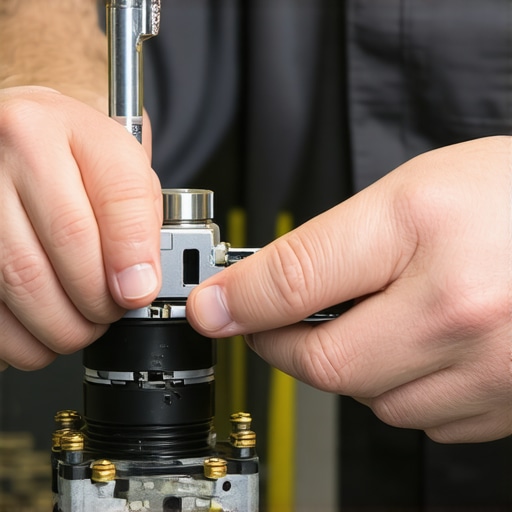
How to Unjam a Stuck Float Switch in Five Seconds
Imagine standing in front of your dishwasher, ready to start…
The One Part That Causes Your Dishwasher to Overfill Every Time
Ever stood by your dishwasher, hearing that dreaded gurgle and…
How to Fix a Dishwasher That Won’t Stop Filling with Water
It was late one evening when I finally realized what…