
It hit me one afternoon as I was trying to fix my dishwasher—an unsettling realization that I might have just jeopardized my warranty by opting for an aftermarket part. That nagging doubt crept in: did I just invalidate my coverage, or was I risking more than I bargained for? This lightbulb moment made me dig deeper into what actually happens to your coverage if you choose third-party parts. Like many homeowners, I was eager to save a few bucks, but not at the cost of future repairs or peace of mind.
Why Your Choice of Parts Can Make or Break Your Warranty
Choosing third-party or aftermarket parts might seem like a smart move to cut costs, especially when genuine parts are pricey. However, I learned the hard way that this decision can have serious implications for your warranty coverage. Manufacturers often specify that only genuine parts are approved for repairs; using non-approved parts could potentially void your warranty entirely. This isn’t just about a lost receipt—it’s about the risk of non-covered repairs when something inevitably goes wrong.
Is Cutting Corners Worth the Risk?
Based on my early mistake—replacing a dishwasher pump with a generic part—I found out that not all parts are created equal. Some aftermarket parts may fit and look similar, but they might not meet the same quality standards or compatibility requirements. This can lead to further damage, more costly repairs, and the loss of warranty protections. Remember, warranties are in place to save you money in the long run, not to be a loophole for cheap substitutions.
If you’re curious about how to protect your investment, I highly recommend consulting your appliance’s warranty policy. You can find comprehensive details about what is covered and what isn’t by visiting this guide on dishwasher parts warranty. It’s essential to understand the fine print before making any DIY repairs with third-party components. And if you’re unsure whether a part qualifies, reaching out to a professional can save you from future headaches.
Now, I want to help you avoid the same pitfalls I stumbled into. Let’s walk through the key considerations and steps you need to take if you’re thinking about using third-party parts—because being informed can keep your warranty intact and your appliances working smoothly.
Identify Your Dishwasher’s Original Parts and Warranty Terms
Before making any repairs, consult your dishwasher’s manual or warranty policy by visiting this guide. Note the specific parts covered and the manufacturer’s restrictions on aftermarket components. My first step was digging out the model number and warranty documents, akin to getting a map before navigating a maze. This prevents accidentally crossing the line that voids your coverage.
Research Compatible Third-Party Parts Thoroughly
Check for Genuine vs. Aftermarket Parts
Use online resources or trusted parts retailers to verify that the third-party part is compatible with your model. I found that some aftermarket water inlet valves, for instance, matched the specifications and had positive reviews from users. Think of this as choosing the right key—if it fits perfectly, it likely won’t cause issues down the line. Always look for quality assurances and certifications to ensure reliability.
Compare Quality and Price
Prices often reflect quality—cheaper parts may save upfront but could fail prematurely, risking further damage. I once purchased a budget gasket that seemed identical; however, it degraded faster and prompted additional repairs, costing me more in the end. Remember, this is similar to buying a cheap tire that blows out, versus a durable brand that lasts years.
Prepare Properly for Installation to Avoid Damage
Gather all necessary tools and review step-by-step guides such as this comprehensive DIY guide. I conducted a dry-run on a towel-covered surface to prevent scratching the delicate finish, much like assembling furniture before tightening screws permanently. Proper preparation minimizes mishaps that could compromise your warranty or cause needed repairs.
Carefully Follow Installation Instructions
Follow manufacturer instructions meticulously, paying attention to torque specifications and connection orientations. When I replaced my dishwasher’s door latch, I paid close attention to positioning to maintain a proper seal, akin to fitting a puzzle piece. Improper installation can lead to leaks or malfunctions, which might be interpreted as user error, jeopardizing warranty coverage.
Record and Document the Repair Process
Take clear photos of the before, during, and after stages of installation. I snapped pictures of my connections and parts labels to have concrete proof in case of future disputes. Keeping this documentation, along with receipts for third-party parts, reinforces your case if warranty claims arise, similar to having receipts for insurance claims.
Test Your Dishwasher and Monitor Performance
Run a complete cycle and check for leaks, noise, or error codes. During my first attempt, I watched the cycle closely; a mismatch in fitting caused a small leak, which I corrected before proceeding. If problems occur, consult troubleshooting guides like this resource to diagnose issues without risking warranty devaluation.
Understand When to Seek Professional Help
If uncertain about compatibility, installation, or performance, contact a qualified technician. I found that some complex repairs, such as replacing control boards, are best left to pros to avoid accidental damage. Professionals can also provide documentation of proper installation, which can help preserve your warranty status, as explained in this article.
By approaching repairs with thorough research, careful preparation, and meticulous documentation, you can safely incorporate third-party parts into your dishwasher without risking warranty voidance. Think of it as performing a surgical procedure—precision and knowledge are key to a successful outcome and long-term savings.
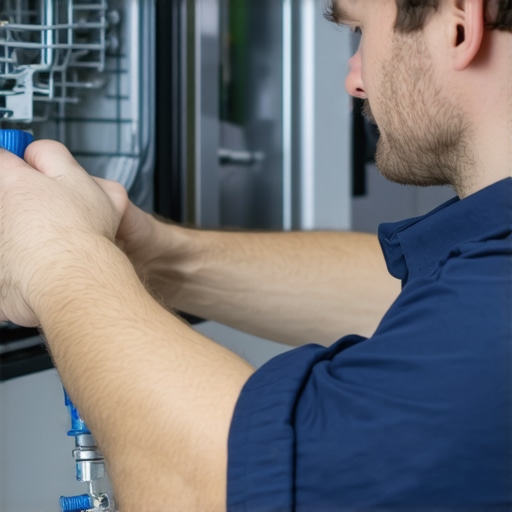 When it comes to installing a dishwasher or managing warranty claims, many homeowners cling to common beliefs that can backfire unexpectedly. Let’s dig deeper into what most people get wrong, especially around the nuances that can trip you up and cost you in the long run. One popular misconception is that simply replacing a part with any compatible component won’t affect your warranty. However, manufacturers often have strict stipulations about using genuine or approved parts, and deviating from these can silently void your coverage—sometimes without your knowledge. This is why thoroughly understanding your warranty’s fine print is essential, as highlighted in our comprehensive guide on detailed warranty guidelines.
A common trap is relying solely on visual inspection to determine compatibility. Many underestimate the importance of verifying part specifications or trusting user reviews over labels alone. Generic parts often look similar but may lack the material quality and durability, leading to early failure or appliance damage. This oversight can also jeopardize warranty claims; some manufacturers specify that non-approved parts lead to automatic denial of coverage, regardless of how well the part functions initially. Therefore, in-depth research and consulting trusted sources like this troubleshooting resource can prevent such costly mistakes.
The significance of proper installation goes beyond just following manual steps. Skilled installation involves precise torque application, correct alignment, and component testing, which many homeowners overlook. For example, overtightening water supply connections can cause leaks or cracks, voiding your warranty, as emphasized in this expert guide. Conversely, under-tightening might lead to water damage or ineffective sealing. This balance is particularly critical because improper installation can be misinterpreted by manufacturers as user error or damage due to poor maintenance.
Now, here’s an advanced point worth considering: Have you ever wondered if there’s a way to optimize warranty coverage when using third-party parts? Recent studies and expert opinions suggest that documenting every step of your repair process, including high-quality photos and receipts, can provide irrefutable proof of proper installation and part authenticity. This evidence can be invaluable if your claim faces dispute, as detailed in this article. Moreover, understanding the scope of your warranty—what it covers and doesn’t—informs better decision-making during repairs. For example, knowing that certain components like control boards have separate warranties can help you focus your efforts effectively.
Let’s wrap this up by emphasizing that a meticulous approach—researching parts, adhering strictly to installation protocols, and maintaining thorough documentation—is vital. Skipping these steps may seem minor in the moment but could lead to significant expenses and frustration later. Don’t forget to review all related policies at this privacy policy and align your practices accordingly. Have you ever fallen into this trap? Let me know in the comments and share your experiences with warranty claims or installation mishaps. Your insights could help others avoid the same pitfalls.
Keep it Running with Precision Tools and Routine Care
Maintaining your dishwasher’s performance over the years hinges on using the right tools and adopting a proactive maintenance routine. As someone who has delved into appliance repair extensively, I can attest that investing in high-quality diagnostic and repair tools makes a tangible difference. For example, a digital multimeter is invaluable for testing control boards and wiring continuity, helping you pinpoint issues quickly without guesswork. I personally rely on a Fluke 117 Multimeter because its accuracy and durability have saved me countless troubleshooting hours. Additionally, a set of precision screwdrivers tailored for appliance repair, like the Wiha 26197 Precision Screwdriver Set, ensures you can disassemble components without damaging sensitive screws or casings.
Alongside tools, maintaining your dishwasher involves regular cleaning and inspection. Using specialized equipment such as a microfiber cloth combined with a cleaning brush helps keep seals and filters free of debris, preventing leaks and ensuring optimal water flow. Additionally, I regularly use a vinegar-based descaling solution with a long-handled wand to reach inside spray arms and water inlet valves, reducing mineral buildup that can impair performance.
Looking ahead, I believe the future of dishwasher maintenance will increasingly incorporate smart sensors and IoT technology. These innovations will continuously monitor parts like pumps and sensors, alerting homeowners to issues before a failure occurs. This trend promises to lead to less emergency repair work and longer appliance lifespans.
How do I keep my dishwasher functioning flawlessly over time?
Developing a routine of cleanliness, inspection, and part testing is key. Using diagnostic tools such as multimeters and specialized cleaning equipment allows for precise targeting of issues. Regularly replacing parts like filters, seals, and spray arms—preferably with OEM components—can extend your dishwasher’s life. My top tip is to incorporate a monthly troubleshooting checklist, performing basic tests and cleanings, which can save you hundreds in future repairs. For detailed guidance, check out this comprehensive advice and try implementing one of the advanced diagnostic techniques I mentioned today. You’ll be surprised how much smoother your dishwasher runs when you proactively address small issues before they become big problems.”}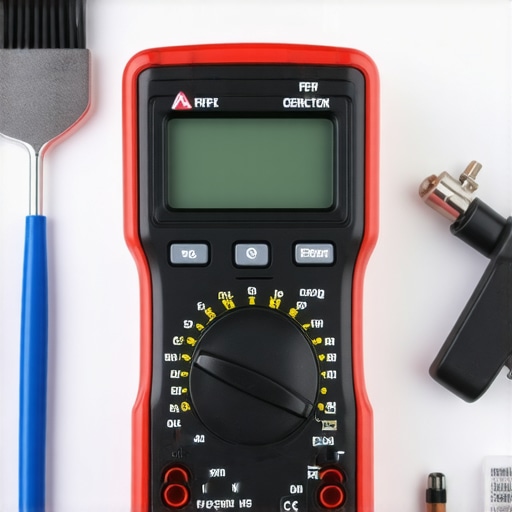
3 Lessons That Changed My Approach to Dishwasher Repairs
– I realized that not all aftermarket parts are created equal—the quality and compatibility can dramatically impact my warranty. A sticky situation with a mismatched water inlet valve taught me to always verify specifications before purchase.
– Proper installation is an art, not just following steps. Taking my time and documenting every move with photos helped protect my warranty and made future troubleshooting easier.
– Understanding my warranty policy saved me from costly mistakes. Reading the fine print and keeping detailed records proved to be my best defense against denied claims.
Tools and Resources That Keep My Dishwasher Running Smoothly
– My trusted multimeter from Fluke helps diagnose electrical issues precisely, avoiding unnecessary part replacements.
– The comprehensive guide on DIY installation from Appliance Doctor Z has become my go-to resource for step-by-step troubleshooting and repair tips.
– I swear by high-quality cleaning tools like microfiber cloths and descaling solutions to maintain efficiency and longevity.
– For deeper knowledge, I turn to authoritative sources such as this detailed warranty guide and this troubleshooting resource.
Your Turn to Protect and Perfect Your Dishwasher Experience
Armed with knowledge, the right tools, and a proactive mindset, you can confidently tackle repairs and safeguard your warranty. Remember, each step you take towards understanding your appliance adds years of reliable service and peace of mind. Don’t wait for a breakdown—start inspecting and documenting today to benefit from smoother repairs tomorrow.
Have you ever encountered a tricky warranty claim or repair challenge? Share your story below—I’m eager to hear how you navigated it!
Related Posts

The Difference Between a Manufacturer Warranty and an Extended Plan
It was a frustrating Saturday when my brand-new dishwasher decided…
The Best Way to Document Damage for a Warranty Appeal
Have you ever faced the sinking feeling when your dishwasher…

Why Your Warranty Claim Might Depend on a Licensed Electrician
Picture this: my brand-new dishwasher wouldn't start, and I was…