
I was standing there, staring at my brand-new dishwasher, and it was mocking me. A red light was pulsing on the floor, the app was screaming about a non-existent error, and I had a sink full of lasagna-crusted plates. My first instinct? Grab the wrench. I assumed it was a bad installation or a faulty part, but after an hour of frustration, I realized the hardware was fine; the brain was just scrambled. This is the reality of the modern kitchen. We used to worry about leaky hoses, but now we have to worry about software bugs. Today, I am going to show you how to handle these digital hiccups so you do not waste a Saturday afternoon taking apart your cabinets for no reason.
Stop Chasing Ghost Leaks and Start Updating
If you have ever seen an error code that does not make sense, you might be dealing with a firmware issue. I once spent three hours troubleshooting a dishwasher installation only to realize the machine just needed a five-minute data download. It is incredibly common to see situations where your smart app is reporting a leak that simply does not exist. While understanding dishwasher parts is still a key to effective maintenance, knowing how to refresh your Wi-Fi module’s firmware is the new ‘oil change’ for your home. Updating your firmware ensures that the communication between your sensors and the control board stays crisp. Without these updates, your dishwasher might refuse to start because it ‘thinks’ the door is open or the water pressure is low when everything is actually perfect.
Do We Really Need Wi-Fi to Wash a Plate?
I get it—the skepticism is real. You might be wondering if adding a Wi-Fi module to a kitchen appliance is just one more thing to break. In my early days with smart tech, I made the classic mistake of ignoring every ‘update available’ notification, thinking they were just for ‘extra features’ I did not need. That was a mistake. According to a report by the IEEE Standards Association, firmware updates for IoT devices are often critical for patching security vulnerabilities and fixing ‘logic loops’ that can cause hardware to wear out prematurely. By keeping your module updated, you are not just getting new app icons; you are protecting the mechanical integrity of your machine. Have you ever been ready to call a plumber only to realize your Wi-Fi was the real culprit? Tell me your ‘smart home’ horror stories in the comments below. Let’s get into the step-by-step process of making sure your kitchen stays online and functional.
Kill the Power to Clear the Confusion
The absolute first thing you should do when your smart dishwasher starts acting like a possessed toaster is to perform a hard reset. This is not just pressing the ‘Off’ button; you need to cut the power at the source. Think of this like clearing the cache on your laptop after it has been running for three weeks straight. I once spent an hour pressing every button combination on the panel only to realize that the software was stuck in a ‘drain cycle’ loop that no command could override. To fix this, head to your breaker box and flip the switch for the kitchen. Leave it off for at least five full minutes. This allows the capacitors in the control board to fully discharge, essentially wiping the slate clean. Once you flip the breaker back on, you can effectively reset your dishwasher control board after a power cut or a glitch, often clearing those ‘ghost’ error codes instantly.
Re-Sync Your App Before You Buy Parts
If the hard reset did not work, the problem might be a handshake issue between your home Wi-Fi and the machine. I have seen countless homeowners order expensive replacement boards when the real culprit was a simple IP conflict. Open your manufacturer’s app and look for the ‘forget device’ option. Re-pairing the machine to your home network forces the dishwasher to pull the latest configuration files. This is particularly useful in cases where your smart app is reporting a leak that is not actually happening. The app is just a window into the machine’s sensors, and sometimes that window gets a little foggy.
When Hardware Mimics a Software Glitch
Sometimes what looks like a digital failure is actually a mechanical plea for help. There are several essential parts every dishwasher owner should know about that can trigger false alarms. My most frustrating ‘tech’ failure happened two years ago. My machine kept flashing a ‘water level’ error, and the app suggested a software update. After the update did nothing, I crawled under the unit and found a single stray popcorn kernel wedged under the float switch. The software was fine, but the physical sensor was physically jammed. I managed to unjam a stuck float switch in five seconds with a toothpick, and the ‘digital error’ vanished.
Protect Your Coverage While Troubleshooting
As you dive into these steps, keep an eye on your paperwork. Many people fear that even looking at their machine will void their protection, but maximizing your dishwashers warranty coverage today requires you to perform basic maintenance and troubleshooting. If you call a technician for a ‘software glitch’ that turns out to be a dirty filter or a loose Wi-Fi connection, you will likely be charged a service fee that the warranty won’t cover. Most manufacturers actually expect you to perform these resets and sensor checks yourself before they authorize a professional repair. Always ensure you are using the correct methods to diagnose dishwasher parts during warranty periods so you can provide the support agent with specific data logs or error codes, which speeds up the claim process significantly.Let’s dig deeper into the ‘expert’ trap. Most people think hiring a pro for the setup means they are off the hook for maintenance, but that is where the trouble begins. In my experience, ‘factory-authorized’ installation is often a euphemism for the fastest way to get the unit out of the box. I frequently see installers use universal kits that are simply not up to par for high-performance machines. For example, why professional installers refuse to use plastic water lines is a rule for a reason—plastic lines become brittle and fail under the heat cycles of a modern dishwasher. If you see a clear plastic tube behind your unit, you are looking at a ticking time bomb. This leads to the ultimate ‘oops’ factor: assuming your warranty will save you from these shortcuts. In reality, what your dishwasher warranty doesnt cover and how to avoid fees usually includes any damage caused by using those substandard universal parts provided by the delivery crew.
Why Do European Models Fail with Standard Hoses?
High-end brands like Bosch or Miele have very sensitive pressure sensors. I’ve encountered the problem with universal hoses for high-end european models where the slightly narrower diameter of a standard hardware-store hose caused the machine to timeout during the fill cycle. The computer assumes there is a blockage or a valve failure when it is really just a physics problem. According to a report by the National Association of Home Builders, water damage from appliance failure is a leading cause of insurance claims, and many of these stems from using non-OEM connectors that fail during the first two years. 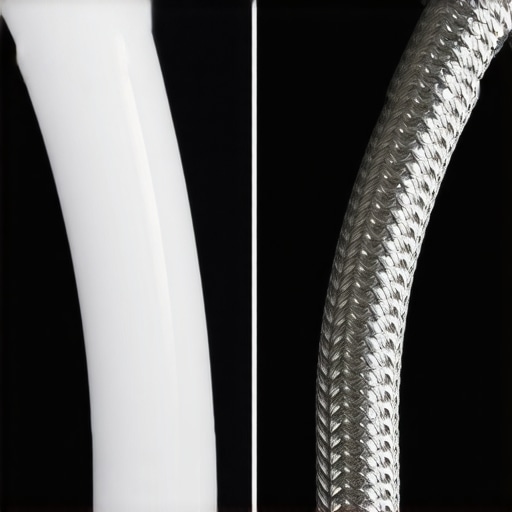 Knowing the difference between a lemon and a faulty installation is the key to keeping your sanity and your kitchen floor dry. You might be ready to demand a refund for a ‘broken’ machine when you actually just need to swap out a five-dollar fitting. Have you ever fallen into this trap or been talked into a ‘standard’ kit that didn’t fit? Let me know in the comments below. It is much cheaper to double-check these connections now while you are still maximizing your dishwashers warranty coverage today by following the manufacturer’s exact specifications.
Get Your Toolbox Ready for the Long Haul
If you want to stop being a victim of your appliances, you need to stop treating them like ‘black boxes’ that only a pro can touch. I personally keep a basic digital multimeter in my kitchen junk drawer. Why? Because when the machine refuses to fill, I do not want to guess if the board is dead or if the valve is stuck. Knowing how to test your water inlet valve for failure with a simple continuity check can save you a $300 service call. It is one of those replacement parts every dishwasher owner should keep on hand, especially if you live in an area with inconsistent water pressure. Being prepared means you are the one in control, not the error code.
How do I keep my dishwasher running like new for a decade?
Consistency beats intensity every time when it comes to maintenance. You do not need to do a deep clean every week, but you do need to be strategic about what goes into the tub. I’ve found that using the best low-phosphate detergents for modern smart machines prevents that cloudy film from etching your glasses and clogging the internal sensors. According to technical documentation from the Association of Home Appliance Manufacturers (AHAM), nearly 20% of performance complaints are actually due to mineral buildup rather than mechanical failure. To combat this, I swear by the eco-friendly way to descale your machine with citric acid once a month. This keeps the heating element efficient and ensures your sensors aren’t ‘blinded’ by calcium deposits. By staying ahead of the scaling, you effectively decide when to replace dishwasher parts for optimal performance instead of waiting for a catastrophic leak to force your hand. 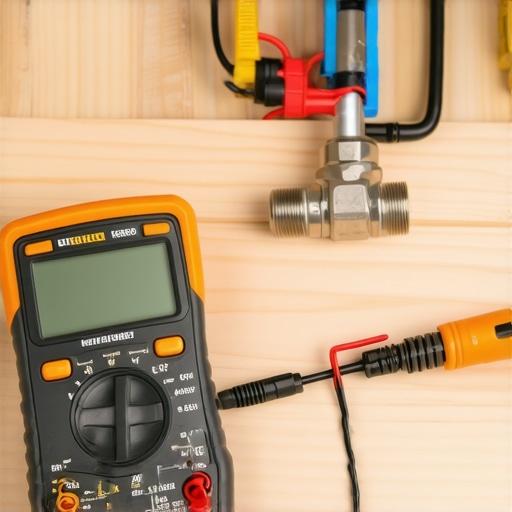
The Future of the Kitchen is Predictive
We are moving toward an era where your dishwasher will tell you exactly which gasket is about to fail before a single drop of water hits your floor. While the most reliable dishwasher brands for long-term use are already integrating these sensors, the real scaling happens when you pair that tech with your own hands-on knowledge. In the next few years, I expect we will see ‘self-healing’ software that can bypass minor sensor glitches automatically, but until then, you are the final line of defense. My advanced tip for you today: don’t just clear the error—log into your machine’s service mode (usually a specific sequence of button presses found in the installer’s manual) and look at the actual cycle counts. If you see your wash motor is struggling to reach RPM targets, it’s time to check for obstructions before the motor burns out. Take ten minutes this weekend to run a citric acid cycle; your future self will thank you when your kitchen floor stays dry and your plates stay spotless.
Hard Truths About Smart Tech and Wet Floors
Over the years, I have realized that a smart dishwasher is only as intelligent as the person maintaining its physical components. One of the biggest lessons I learned is that ‘digital convenience’ often masks mechanical wear. Never ignore a tiny drip; even a minor moisture issue can confuse the sensors on your control board. It is also vital to identify the specific parts to check when installing a dishwasher for long-term performance before you slide the unit into its final resting place. Most importantly, remember that high-end European models are incredibly sensitive to water pressure—what works for a basic model might cause a ‘smart’ unit to throw a constant error code.
My Go-To Kit for Keeping Your Kitchen Dry
You do not need a professional’s workshop to keep your machine running, but a few specific items are non-negotiable for my own home. I always recommend swapping out standard supply lines for the most durable braided steel hoses for long-term safety to prevent the catastrophic bursts common with plastic. I also keep a small stash of essentials, including the 5 part that prevents your kitchen floor from rotting, which acts as a secondary seal for your drain connection. If your machine is making strange noises, a multimeter is your best friend to find the common part that causes a dishwasher to hum but not start, allowing you to bypass the guesswork entirely. #IMAGE_PLACEHOLDER_E#
Take Back Your Saturday Afternoon
Modern kitchen tech should serve you, not the other way around. By taking these small, proactive steps, you bridge the gap between complex software and reliable hardware. You now have the knowledge to handle a dishwasher installation or a mid-cycle glitch without feeling like you are at the mercy of a service technician’s schedule. Don’t be afraid to get your hands a little dirty to keep the rest of your life clean. Have you ever had a ‘smart’ appliance error that turned out to be a simple five-minute fix? Let me know your stories in the comments below!
Related Posts
Why Your Dishwasher App History Is a Proof of Care for Resale
One evening, I opened my dishwasher's app to check its…
How to Set Up Your Smart Home to Alert You of a Leak
Ever had that sinking feeling of walking into your kitchen…

Why Your Smart Home Integration Keeps Dropping the Connection
It was a quiet Sunday morning when I finally realized…