
I’ll never forget the sound of that first “glug-glug-glug” coming from under my sink on a Tuesday night. It wasn’t the rhythmic sound of a clean cycle; it was the sound of my kitchen floor turning into a miniature lake. I didn’t panic, though. Not at first. I had my “appliance protection plan” paperwork tucked safely in the junk drawer. I thought I was a genius for paying that $50 a month. But when the adjuster finally showed up, he spent five minutes looking at my drain line and then handed me a bill for the service call. My claim? Denied. He pointed to a tiny line in the contract about “pre-existing wear.” That was the moment the scales fell from my eyes. I realized I didn’t have a warranty at all; I had a very expensive piece of paper that didn’t cover the essential parts every dishwasher owner should know about. [image]
The Cruel Difference Between a Warranty and a Service Contract
Most of us buy these plans because we want peace of mind. We want to know that if the wash motor fails, someone will fix it. But here is the kicker: a manufacturer’s warranty is a promise from the builder that the machine works. Appliance “insurance” is often just a service contract sold by a third party. I made the classic mistake of assuming they were interchangeable. I even skipped keeping my professional installation receipt, which is basically the golden ticket for any real claim. If you’re currently paying for one of these plans, you need to check if they cover specific failures. For example, did you know why your warranty claim for a door gasket was denied might be because you used the wrong detergent? It sounds crazy, but the fine print is a minefield. Today, I’m going to show you how to spot these traps before you’re standing in a puddle like I was. We’re going to look at what really matters: understanding dishwasher warranty policies for peace of mind instead of just throwing money at insurance companies.
Is Appliance Insurance Actually Worth the Monthly Fee?
You might be skeptical. You’ve seen the commercials with the happy families getting their whole kitchen replaced for a $75 deductible. But according to research from Consumer Reports, many home warranty service contracts are often more of a gamble than a guarantee because of the fine print regarding maintenance records and “known” defects. Have you ever filed a claim only to be told the part wasn’t covered? I want to hear your horror stories in the comments because, honestly, we’ve all been there. One thing I’ve learned is that a lot of “failures” aren’t failures at all—they are maintenance issues. If you don’t know how to clean the hidden filter under the spray arm, your machine might stop draining. An insurance company will call that “owner neglect” and walk away. That’s why expert advice on dishwasher installation troubleshooting is often more valuable than any monthly plan. Let’s dive into the specifics of what your plan is likely hiding from you.
Build Your Defense with a Paper Fortress
The first thing an insurance adjuster looks for isn’t the source of the leak; it is a reason to say no. I learned this the hard way when I couldn’t find my installer’s invoice during a kitchen flood. To prevent this, you absolutely must know how to verify your professional installation receipt for insurance. If that piece of paper isn’t in your hand or your digital cloud, you’re already fighting an uphill battle. I now keep a dedicated digital folder with photos of the unit’s serial number and the original sales receipt. This isn’t just about being organized; it’s about maximizing your dishwashers warranty coverage today before the crisis hits. 
Identify the Failure Before You Call for Help
Never call the service line until you’ve done your own detective work. When you call blindly, you’re at the mercy of the technician’s interpretation once they arrive. If they find a simple piece of broken glass in the drain pump, that is categorized as a “user-induced failure,” and you will be on the hook for the $120 trip charge regardless of your plan. You should learn how to diagnose dishwasher parts during warranty periods so you can speak their language. For instance, if the machine is humming but not starting, it might be the circulation pump. If you can tell the operator, “the motor is seized and I have already checked for physical obstructions,” they are much more likely to send a technician with the right part rather than a bill for a “diagnostic visit” that results in nothing.
Check Which Parts Actually Have a Shield
Not all components are created equal in the eyes of the manufacturer or the insurance provider. While the stainless steel tub might have a lifetime warranty, the sensitive electronics usually only have one year of coverage. You need to look at the complete list of dishwasher parts covered by warranty to see where your real financial vulnerabilities lie. Think of it like a car: the engine is covered, but the brake pads are your responsibility. Knowing what your dishwasher warranty doesnt cover and how to avoid fees is the secret to not getting blindsided by a repair bill that costs half the price of a new machine. I once spent two hours arguing over a five-dollar seal because I didn’t realize it was considered a consumable part.
Master Basic Fixes to Save Your Claim
Sometimes, the best way to handle a warranty is to not use it for the small stuff. If you call a pro for a simple installation tweak, you might actually void your future claims if the technician finds an existing error in the setup. Instead, look for expert advice on dishwasher installation troubleshooting to see if the fix is as simple as leveling the unit or clearing a high-loop. My neighbor almost replaced his entire unit because it wouldn’t drain, but it turned out to be a simple gasket issue. He learned about the 5 dollar gasket that prevents a 500 dollar floor repair and fixed it in ten minutes. By understanding the parts you can swap yourself without voiding your protection, you keep your insurance in reserve for the massive failures that actually justify a deductible.You’ve seen that shiny ’10-Year Warranty’ sticker on the front of the door; it’s the ultimate psychological safety net. But here’s the contrarian truth: that sticker is often a financial trap. While it might cover the physical motor, it rarely covers the $150 labor fee or the $99 diagnostic charge. I’ve seen homeowners spend $250 to replace a ‘free’ part on a six-year-old machine when a brand-new, more efficient model was only $500. This is one of the biggest myths in the industry. You need to look at the truth about those 10 year motor stickers on the door before you bank on them for long-term savings. 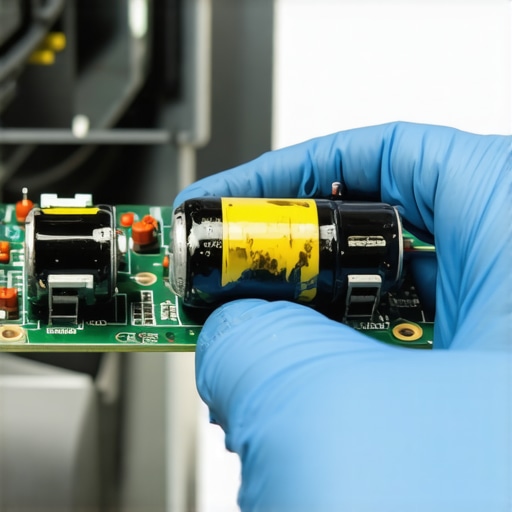
Why Does the Same Part Keep Failing Even After a Professional Repair?
It’s a question that keeps many of us up at night. You finally get a tech out, they swap a part, and three months later, you’re back to square one. Often, this isn’t because the part was bad, but because the root cause was an installation error that the warranty technician ignored. For example, the difference between a lemon and a faulty installation is often just a matter of inches in the drain line. If you don’t address why your drain hose needs a high loop to stop the smell and backflow, you’ll keep burning through pumps, and eventually, the manufacturer will flag your serial number for ‘recurring user error.’ One massive ‘oops’ factor I see constantly is the assumption that a warranty is a shield against everything. It isn’t. According to data from Consumer Reports, nearly 1 in 5 dishwashers will develop a problem within the first five years, but many of these are chalked up to environmental factors. For instance, why your warranty doesn’t cover power surges is because manufacturers view electricity as an external utility, not a machine defect. One single spike can fry your control board, and without a specific surge protector, you’re looking at a total loss. You also have to be careful about the ‘lifetime’ claims. I’ve talked to people who thought their stainless steel tub was covered forever, only to find out they made the mistake that voids your lifetime tub warranty by using abrasive cleaners or industrial-grade chemicals. Have you ever had a claim denied for something that felt like a technicality? Let me know in the comments because your ‘oops’ moment could save someone else a thousand dollars. By maximizing your dishwashers warranty coverage today through proper documentation and environmental protection, you stop being a victim of the fine print and start being an informed owner.
I’ve spent way too many hours upside down with a flashlight in my mouth to trust a ‘diagnostic’ phone call from a third-party adjuster anymore. If you want to stop being at the mercy of a service contract, you need to own your own diagnostics. I personally swear by a basic digital multimeter—I use a Klein Tools MM325 because it’s rugged enough for a damp kitchen environment and fits into tight spaces behind the kickplate. When you learn how to test your water inlet valve for failure, you shift the power dynamic entirely. You aren’t calling a technician to ask for help; you’re calling to tell them exactly which part failed. According to technical documentation from the Association of Home Appliance Manufacturers (AHAM), nearly 30% of dishwasher ‘failures’ reported by consumers are actually simple electrical continuity issues or minor blockages that don’t require a total machine replacement.

How do I maintain a dishwasher for ten years or more?
Real maintenance is about chemical management and heat regulation, not just rinsing the screen. I’ve transitioned away from ‘all-in-one’ pods because they often contain too many surfactants for soft water, leading to oversudsing that wears out the pump seals. Instead, I advocate for high-quality powder and periodically using the easiest way to clean calcium from your heating element: a simple citric acid cycle. You should also stock the replacement parts every dishwasher owner should keep on hand, such as a spare thermal fuse. Knowing the most reliable way to test a thermal fuse can turn a stressful ‘dead machine’ morning into a ten-minute, five-dollar fix that keeps your warranty record clean.
The Future of Smart Scrubbing and Predictive Repair
The industry is rapidly moving toward predictive maintenance. We are seeing a shift where machines use turbidity sensors and flow meters to alert you of a clog before the motor burns out. I’ve already started experimenting with how to update the firmware on your kitchen wi-fi module to access these hidden data logs. In the very near future, your dishwasher will likely order its own replacement gaskets before they even start to drip. Until then, you need to be the brain of the operation. My challenge for you this weekend: Pull off your kickplate and perform the best way to test for a slow leak behind the kickplate. Catching a single drip now is the difference between a simple gasket swap and a $5,000 subfloor restoration next year.
Hard-Earned Lessons from a Flooded Kitchen Floor
After years of dealing with adjusters and “denied” stamps, I’ve realized that documentation is your only real shield. If you can’t prove the machine was installed correctly, the contract isn’t worth the paper it’s printed on. This is why I always tell people how to verify your professional installation receipt for insurance before they even run the first cycle. [image]
Another lightbulb moment? Most “catastrophic” failures are just maintenance lapses. An insurance company will jump at the chance to blame you for a clogged drain or a fried board. You have to realize that why your warranty doesn’t cover power surges is because they consider it an “act of god” or a utility issue, not a part defect. Protect yourself with a surge protector, not just a policy. Finally, remember that labor is often the hidden killer; even if a part is “free” under warranty, that $150 service call fee might make the repair more expensive than the machine is worth.
The Few Tools That Actually Save My Sanity
I don’t trust my memory anymore, and you shouldn’t either. Here are the tools and resources I personally rely on to keep my kitchen running without expensive help: First, a digital multimeter is essential for testing continuity on motors and valves. Second, I keep a dedicated “House Binder” where I tape every single physical receipt. Third, I keep the replacement parts every dishwasher owner should keep on hand, such as a spare thermal fuse and a door seal. Finally, I regularly check Consumer Reports for reliability data so I know when it’s time to stop repairing a “lemon” and start shopping for a new unit.
Take Back Control of Your Kitchen
You don’t have to be at the mercy of a third-party service contract. By documenting your installation, doing your own basic diagnostics, and understanding dishwasher warranty policies for peace of mind, you shift the power back into your hands. Your dishwasher is a tool designed to make your life easier, not a mystery box that costs you sleep. Don’t let the fine print intimidate you. Use these strategies to stay dry, stay covered, and stay in charge of your home maintenance. Have you ever had a warranty claim denied for a reason that felt like a total technicality? Let me know in the comments below!
Related Posts

The Best Way to Handle a Denied Factory Warranty Appeal
Ever felt that sinking feeling when your warranty claim gets…

Why Hard Water Is the Number One Enemy of Your Warranty
It happened on a quiet Sunday afternoon as I was…

Why Your Warranty Claim Hinges on a Single Timestamped Photo
I remember the exact moment I faced my own kitchen…