
The smell of fresh paint was still heavy in the air when I heard that dreaded hiss coming from under my brand-new quartz countertops. I thought I was being clever. I had spent months picking out the perfect tiles and high-end appliances, but when it came to the final stretch, I rushed. I did the hookup myself on a Sunday night because I just wanted to see those clean plates. Fast forward three months, and a slow leak turned into a warped cabinet and a denied claim because I couldn’t provide a professional receipt. It was a expensive lesson in pride. During a kitchen remodel, your dishwasher is more than just a box that cleans forks; it is a complex machine tied to a legal contract called a warranty. If you do not play by their rules, that five-year protection plan is nothing more than a fancy piece of paper. To keep your peace of mind, you need to be understanding dishwasher warranty policies for peace of mind before the first cabinet is even installed.
Stop Your Dream Kitchen From Becoming a Warranty Nightmare
We all want to save a few bucks where we can. A remodel is basically a giant hole in your backyard that you throw money into, so skipping the hundred-dollar installation fee feels like a win. I made that exact mistake. I thought a diy dishwasher installation step-by-step guide would be enough to keep me covered. Technically, it might be, but try proving that to a manufacturer when the motor burns out. Most companies look for any excuse to deny a claim, and self-installation is the easiest target they have. According to the National Kitchen & Bath Association (NKBA), improper appliance installation remains one of the top five causes of post-remodel insurance claims and warranty disputes. This is why the risks of skipping the professional installation receipt are far higher than the actual cost of a plumber.
Is a Professional Installation Actually Worth the Hype?
You might be wondering if you really need to hire someone just to screw in a couple of hoses and level some legs. The short answer is yes, but not for the reasons you think. It is about the paper trail. When you are looking at top tips for seamless dishwasher installation in 2025, the most important tip is often the one people ignore: keep every single document. My biggest blunder wasn’t just doing the work myself; it was losing the tags that came with the supply lines. If you want to know how to get your warranty claim approved on the first try, you need to show that the unit was handled according to the manufacturer’s exact specifications from day one. Have you ever had a warranty claim denied for a reason that felt totally unfair? I want to hear about it, because those stories help us all avoid the same traps.
Build a Foundation of Certified Parts
Start by verifying your inventory before the first screw is turned. Manufacturers are notorious for excluding damage caused by ‘unauthorized accessories.’ In my second kitchen project, I tried to save $20 by using a generic supply line I found in a clearance bin. Within a week, the coupling began to weep. Because it wasn’t a manufacturer-approved part, I was sweating bullets about my coverage. This is why reviewing parts to check when installing a dishwasher for long term performance is the first real step of a professional-grade install. You need to know the difference between oem and generic water inlet valves because if that valve cracks and it is not an OEM part, you are paying for the water damage out of your own pocket. Every component matters when the warranty investigator shows up.
The Mechanical Setup That Protects the Motor
A dishwasher is a delicate balance of gravity and pressure. If you do not get the leveling right, the door will not seal properly, leading to a slow, silent drip that ruins your subfloor. I learned this the hard way when my high-end model started acting up just weeks after I moved in. I spent an entire Saturday morning figuring out why professional leveling prevents your door from leaking because I realized the front legs were just an eighth of an inch too high. It sounds minor, but that slight tilt stressed the hinge and the gasket. Beyond the physical stance of the machine, you must handle the plumbing with intent. Most DIYers forget that why your installer insists on a high loop drain is a functional requirement, not a suggestion. It prevents siphoning and keeps the dirty sink water from backflowing into your clean machine. 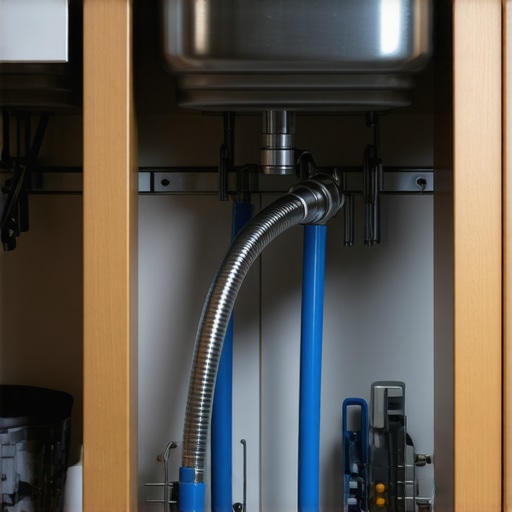
Stop the Steam from Rotting Your Cabinets
Modern dishwashers run longer and hotter to meet energy standards, which means more steam. That steam has to go somewhere when you open the door. If you do not use the best way to tape your vapor barrier during installation, you are inviting mold to live under your expensive countertops. I once saw a beautiful marble slab crack because the plywood sub-base warped so badly from unblocked steam. When you are how to diagnose dishwasher parts during warranty periods later on, you do not want structural neglect to be the reason your claim is tossed. It pays to understand the essential parts every dishwasher owner should know about before the unit is pushed into the cabinet cavity for the last time. Taking these steps ensures that if a part does fail, the manufacturer has no choice but to honor their agreement.
While most homeowners focus on the physical leak, the real ‘oops’ factor usually hides in the electrical setup. Everyone tells you that as long as the machine is plugged in, it is fine. But here is the contrarian truth: plugging your high-end smart dishwasher directly into a standard wall outlet without a dedicated surge protector is a gamble you will eventually lose. Most people assume their warranty covers everything inside the box, but you need to realize why your manufacturer warranty excludes power surge damage. In my years of consulting on kitchen builds, I have seen $1,200 control boards fried by a simple grid flicker, and the manufacturer walked away because it was not a ‘defect in materials.’ According to data from the Association of Home Appliance Manufacturers (AHAM), electronic failures due to external power fluctuations are one of the most common reasons for service calls that are not covered by standard plans. This is why you must verify your electrical environment before the unit is even delivered.
Can Hard Water Actually Void Your Repair Claim?
It sounds like a myth, but it is a very real technicality that catches experts off guard. Manufacturers expect a certain level of water quality for the machine to function as designed. If your area has heavy mineral content and you have not installed a softener, you are essentially sandblasting your internal seals every time you run a cycle. This is where the impact of hard water on your warranty eligibility becomes a nightmare. If a technician pulls out a pump coated in calcium carbonate, they can claim ‘environmental factors’ rather than mechanical failure. It is vital to know what your dishwasher warranty doesnt cover and how to avoid fees before you call for service. 
Don’t Let an Old Power Cord Kill Your Coverage
The biggest trap I see DIYers—and even some lazy pros—fall into is reusing the power cord or the drain hose from the old unit. It seems harmless, right? It worked yesterday, so it should work today. Wrong. Reusing parts is the fastest way to get a claim denied because you have technically introduced ‘used components’ into a new system. This is why your professional installer refused your old cord; they are protecting their liability and your warranty. You need to distinguish the difference between a lemon and a faulty installation. Often, a ‘lemon’ is just a brand-new machine struggling with five-year-old hoses that have internal buildup. Check the complete list of dishwasher parts covered by warranty and you will see that ‘ancillary parts’ not provided by the manufacturer are almost never on the list. Have you ever fallen into this trap and had a claim denied for something as small as an old hose? Let me know in the comments, because your experience might save someone else a few thousand dollars.
Maintenance isn’t just a chore you do when you feel guilty; it’s an insurance policy for your kitchen’s hardest-working employee. I used to think that as long as the outside looked shiny, the inside was fine, but a dishwasher is an ecosystem. If one small part gets gunked up, the whole system works harder, drawing more power and stressing the motor. This is where understanding dishwasher parts a key to effective maintenance becomes your greatest asset. You need to get comfortable with the idea that some things simply wear out. Knowing when to replace dishwasher parts for optimal performance—like your seals and spray arms—can be the difference between a ten-year lifespan and a three-year disaster.
How Do I Keep My Machine Running Like New?
The secret to a machine that stays silent and efficient is consistency. I personally recommend a deep clean of the internal filtration system every month, regardless of what the manual says. Most people ignore the best way to clean the hidden filter under the spray arm, which leads to organic buildup that eventually smells like a swamp. If you let it go too long, you’ll find yourself looking for the best way to clean a filter that is coated in grease, which is a much nastier job. According to technical documentation from the National Sanitation Foundation (NSF) Standard 184, a residential dishwasher must achieve a 99.999% reduction of bacteria, a feat that is physically impossible if your spray arms are clogged with calcium or old food particles.

The Essential Toolkit for Local Experts
If you want to move beyond the ‘reset the breaker’ level of troubleshooting, you need two specific tools. First, stop using plastic supply lines and invest in the most durable braided steel hoses for long term safety. They are nearly burst-proof and offer a level of security that generic parts can’t match. Second, get a basic digital multimeter. This tool is how you transition from guessing to knowing. I use mine at least once a quarter to check continuity on parts that are notorious for silent failure. For instance, learning how to test your thermal fuse with a basic multimeter can save you a $150 service call for a part that costs less than a latte. Often, the 10 fix for a dishwasher that wont-drain is just a matter of testing a simple sensor or clearing a physical obstruction you’ve identified with the right gear.
Looking ahead, the future of dishwashing is moving toward predictive maintenance. We are already seeing machines that monitor their own flow rates and internal pressure. Soon, why your smart sensors are giving you dirty readings will be a thing of the past as AI-driven firmware compensates for water hardness in real-time. You should already be comfortable with how to update the firmware on your kitchen wi-fi module because software is becoming just as critical as the hardware. My best advice? Take ten minutes this weekend to pull out your bottom rack and inspect the spray arm nozzles for blockages—it’s the single easiest way to ensure your machine actually does the job it was built for.
Hard-Won Truths from My Flooded Kitchen Days
After years of tinkering and a few expensive mistakes, I realized that the best defense is a proactive offense. First, never assume a ‘fits-all’ part actually fits your specific needs; the most popular dishwasher parts and how they improve performance are often brand-specific for a reason. Second, your phone is your best friend—take photos of every connection and every serial number before you slide that unit into place. This visual proof is invaluable for expert advice on dishwasher installation troubleshooting when things go sideways. Finally, respect the electrical load; your dishwasher is a high-drain appliance, and cutting corners with wiring is a recipe for a fried control board. Every hour you spend on the front end saves you ten hours of arguing with customer service later.
The Gear I Grab Before Touching a Water Line
You do not need a professional workshop to maintain your machine, but a few key items make the difference between a quick fix and a weekend-ruining leak. I always recommend keeping a set of essential parts for troubleshooting dishwasher installation issues like extra gaskets and a high-quality leveling tool in your utility kit. When it comes to buying new components, focus on top tips for selecting the right parts for dishwasher installation to avoid the ‘lemon’ trap. I personally trust a digital multimeter more than my own eyes when it comes to checking thermal fuses, as it provides objective data that a manufacturer cannot argue with. Having these tools ready means you are never at the mercy of a service schedule.
Take Charge of Your Kitchen’s Future
It is easy to feel overwhelmed by the technical details, but remember that every small step you take today is an investment in your home’s comfort. By prioritizing a clean installation and a solid paper trail, you are maximizing your dishwashers warranty coverage today and ensuring years of sparkling clean dishes. You have the tools, the knowledge, and now the plan—so go ahead and give your dishwasher the professional-grade care it deserves. The peace of mind that comes from knowing your warranty is bulletproof is worth every minute of extra effort. Have you ever had a moment where a simple ten dollar part saved you from a massive repair bill? Share your story in the comments below!
Related Posts

The Difference Between a Manufacturer Warranty and an Extended Plan
I remember vividly the moment my dishwasher broke down just…
The Mistake That Voids Your Lifetime Tub Warranty
I remember the smell of fresh cabinetry and the satisfying…

Why Your Warranty Company Wants a Photo of Your High-Loop
It was a typical Saturday morning when I finally realized…