
I stood there in a puddle of lukewarm dishwater, clutching a damp manual and feeling like a total failure. My expensive dishwasher had decided to quit on a Tuesday night, and I was sure I was covered. But the voice on the other end of the line was cold. “Sir, without an authorized receipt from a certified installer, your claim is invalid.” I felt the blood rush to my face. I had the machine. I had the serial number. But because I couldn’t prove who put it in or where exactly it was bought, I was looking at a $400 repair bill out of my own pocket.
Why Your Proof of Purchase is More Important Than the Part Itself
It is a hard pill to swallow, but your warranty isn’t a promise; it is a legal contract. Most of us treat those little registration cards like junk mail, but manufacturers use them as a shield. If you cannot show a paper trail from an authorized dealer or a licensed professional, they will argue that the common dishwasher parts failed because of improper handling rather than a factory defect. Today, I am going to show you how to organize your records so you never get bullied by a customer service rep again. We will look at why properly documenting your installation is the only way to keep your investment safe.
Is a Professional Receipt Really Worth the Extra Hassle?
You might be thinking, “I am handy, I can do it myself and save the installation fee.” Trust me, I have been there. My biggest mistake early on was thinking my own labor was good enough for the warranty gods. I skipped the professional installation receipt and ended up paying quadruple that amount when the motor seized. It turns out that according to a study by Consumer Reports, about 20% of new appliances will break within the first five years, and without that authorized stamp, you are essentially flying solo. Have you ever had a claim denied for a reason that felt like a total technicality? Before we dive into the nitty-gritty of how to get your warranty claim approved, let us talk about the specific documents you need to dig out of your junk drawer right now. We need to make sure you have peace of mind regarding your policy before the next leak happens.
Create Your Own Physical Evidence Locker
I learned the hard way that a warranty is only as strong as the paper it is printed on—or more accurately, the paper you have to back it up. I remember my second dishwasher installation; I was determined not to repeat the lukewarm-water disaster. I took a heavy-duty Ziploc bag, shoved the store receipt, the installer’s invoice, and a printout of the complete list of dishwasher parts covered by warranty inside, and taped it directly to the side of the cabinet under the sink. Six months later, when the water inlet valve began to drip, I didn’t have to hunt through a single junk drawer. I had the evidence ready, and the claim was processed without a single
The Vinegar Myth That Destroys Your Door Seal
I see it on every lifestyle blog: “Use vinegar to clean your dishwasher!” It sounds like a cheap, natural miracle. But here is the contrarian truth that repair techs whisper behind closed doors: vinegar is an acetic acid that can eventually eat through the rubber gaskets and seals of a high-end machine. When those seals fail, and you try to file a claim, the manufacturer might look for signs of chemical degradation. I once met a homeowner who thought she was being eco-friendly but ended up with a denied claim because she had effectively dissolved her own pump housing. Instead of kitchen pantry hacks, you need to stick to the complete list of dishwasher parts covered by warranty and use approved cleaners. If you are struggling with scale, the trick to removing hard water scale without chemical descalers is far safer for your machine’s longevity.
Why does your brand-new machine take four hours to finish a single load?
Many advanced users get frustrated when their modern, $1,200 unit runs for half the night. You might think the motor is failing or the common dishwasher parts were installed incorrectly. However, this is often a design choice. A study by the Association of Home Appliance Manufacturers (AHAM) notes that modern units use less water but longer cycle times to achieve the same cleaning results as older, energy-hogging models. If you try to “fix” this by messing with the internal sensors, you are likely to commit the mistake that voids your lifetime tub warranty. Efficiency is a marathon, not a sprint.
The Power Surge Trap Nobody Tells You About
Here is the “Oops” factor that catches even the smartest homeowners off guard. You spent hours checking parts when installing a dishwasher, but did you install a dedicated surge protector? Most standard manufacturer policies are very clear: your warranty doesn’t cover power surges. If a local transformer blows and fries your control board, the manufacturer will consider that an “Act of God” or an external electrical issue, not a factory defect. 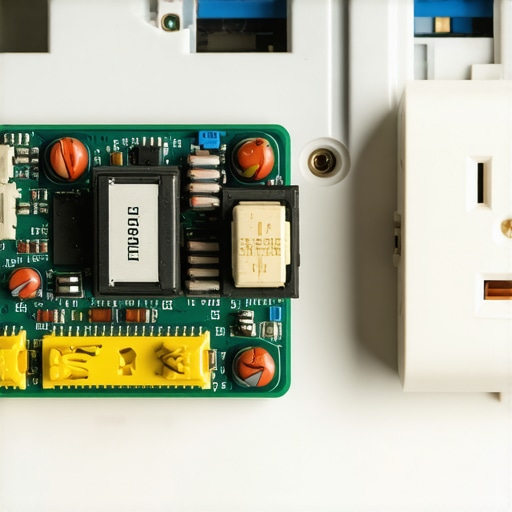 I’ve seen people lose an entire unit because they didn’t want to spend $20 on a high-quality surge-protected outlet. It is also vital to know why you shouldn’t use extension cords for any appliance, as the voltage drop can stress the motor and cause a premature (and non-covered) failure.
Mastering the Nuance of Installation Heights
Another common pitfall involves the drain hose. If your installer didn’t follow the manual to the letter, they might have skipped the high loop. This isn’t just about smell; it is about backflow. Without it, dirty water from your sink can siphon back into your clean dishwasher. This leads to “phantom” leaks and sensor errors. When the tech arrives and sees the hose laying flat on the cabinet floor, they will mark it as an “improper installation,” and you will be stuck with the service fee. You can learn more about why your installer insists on a high loop drain to avoid this exact scenario. Have you ever fallen into this trap where a simple installation oversight cost you a fortune? Let me know in the comments below! If you are currently dealing with a headache, I highly recommend reading my guide on how to get your warranty claim approved on the first try before you pick up the phone.
Stop Guessing and Start Testing Your Electronics
I personally keep a basic digital multimeter in my ‘kitchen emergency’ kit. When the machine won’t start, people often jump to calling a pro, but I have saved hundreds by learning how to test your thermal fuse with a basic multimeter. It takes less than two minutes to see if the circuit is open. If you are not testing, you are just guessing with your wallet, and guessing usually leads to buying parts you do not actually need. Beyond the electronics, let us talk about the physical safety of your floors. I have seen those standard rubber supply lines burst and ruin entire basements in a single afternoon. Upgrading to the most durable braided steel hoses for long-term safety is the cheapest insurance policy you will ever buy. For those who want to be even more proactive, I swear by the $20 smart sensor that detects leaks before they even make it past the kickplate. 
How do I keep my dishwasher running like new for a decade?
Consistency beats intensity every time. Most homeowners wait for a foul smell to clean the filter, but I make it a habit to do mine every first of the month. You need to identify essential parts every dishwasher owner should know about to stay ahead of the curve. For example, if your rack feels wobbly, do not ignore it. Take five minutes to learn why your top rack feels loose and how to tighten it before the plastic clips snap and you are forced to buy an expensive replacement. I also recommend a quarterly deep dive into the cabinet. Use a flashlight to how to identify a failing circulation motor by sound so you can catch a bearing failure before it seizes and leaves you with a tub full of dirty water.
The Future of Smart Scrubbing is Already Here
We are moving toward a world of ‘predictive maintenance’ where your appliances are smarter than the tech who fixes them. High-end brands are already leading this charge. For instance, in the technical service documentation for the Miele G 7000 series, the machines utilize sophisticated sensors that track motor torque and amperage to predict a failure before it actually occurs. This data allows the unit to adjust its performance to protect the motor from burnout. Eventually, your machine will likely text your phone to tell you when to replace dishwasher parts for optimal performance, removing the human error that usually leads to a voided warranty. My challenge to you today: Go under your sink right now and check the drain hose for that high loop we discussed earlier. If it is not there, fix it this afternoon and save your machine’s motor from early retirement.
Lessons from the Trenches of Appliance Repair
Over the years, I’ve realized that a dishwasher isn’t just a convenience; it’s a complex ecosystem. One major lightbulb moment for me was discovering why OEM pumps outlast cheap alternatives every time; saving a few dollars on a knock-off part often leads to a catastrophic failure that the manufacturer won’t touch. I’ve also learned that documentation is your best weapon. I now take a “before and after” photo of every filter cleaning and hose check to maintain a digital log of my maintenance. Finally, don’t ignore the small stuff—learning why your top rack feels loose and how to tighten it can prevent the mechanical strain that eventually wears down the motor bearings.
Tools I Keep in My Kitchen Command Center
If you want to move beyond basic troubleshooting, you need the right gear. First, a digital multimeter is essential because it is the most reliable way to test a thermal fuse without calling a technician. I also refuse to use standard rubber supply lines anymore; I’ve switched all my installs to the most durable braided steel hoses for long-term safety. To round out my kit, I rely on the $20 smart sensor that detects leaks before your kitchen floods. These three items have saved me more money in emergency service calls than the cost of the dishwasher itself. #IMAGE_PLACE_E#
Take Control of Your Kitchen’s Lifeline
Protecting your appliance investment doesn’t require a degree in engineering, just a bit of consistency. By familiarizing yourself with the essential parts every dishwasher owner should know about, you gain the confidence to handle minor issues before they escalate into “buy a new one” problems. Your dishwasher works hard for your family every single day; giving it a little professional-grade attention ensures it stays under warranty and out of the landfill. Have you ever had a warranty claim denied for a reason that felt totally unfair? Let me know your story in the comments below!
Related Posts
Why Your Warranty Specifically Excludes Clogged Drain Hoses
It was a frustrating Saturday morning when I finally kicked…

Why Your Warranty Claim Depends Entirely on Your Water Temperature
It was a Monday morning when I finally lost patience…

Why Your Warranty Claim Hinges on a Single Timestamped Photo
I remember the exact moment I faced my own kitchen…