
I’ll never forget the Tuesday evening my kitchen floor turned into a shallow pond. I was standing there in my favorite wool socks, feeling the cold soak in, staring at a dishwasher that was supposed to be the smartest model on the market. I’d followed the manual to a T—or so I thought. I bought the most expensive, eco-friendly, high-efficiency pods I could find. But as I pulled the kickplate off, I realized the problem wasn’t the machine’s motor; it was a thick, waxy gray sludge that looked like something out of a sci-fi movie. It was my detergent.
The Day I Realized More Soap Equals More Problems
I used to think that the high-efficiency label was just a marketing gimmick to make me feel better about the environment. In reality, these detergents are designed to work with less water, which means they are incredibly concentrated. When I first started out, I made the rookie mistake of adding just a little extra for those tough loads. That excess soap doesn’t just disappear; it turns into a gelatinous mess known as scrud. This buildup happens because the water doesn’t get hot enough or there isn’t enough volume to fully rinse the surfactants away. I learned the hard way that why some detergent packs never fully dissolve in your machine is often a matter of cycle settings and water chemistry. It was a visceral realization when I had to pull the whole unit out and found my drain hose almost entirely blocked by this waxy gunk. I had to learn the proper way to snake a dishwasher drain without damaging the pump just to get the water flowing again.
Does High-Efficiency Soap Actually Live Up to the Hype?
You might be skeptical. After all, if the soap is designed for the machine, why would it break it? The truth is that HE detergents are chemically different, focusing on low-sudsing agents. However, according to the American Cleaning Institute, using too much of even a low-sudsing detergent can create a foam cushion that actually prevents the water from scrubbing your dishes effectively and leaves behind a film that hardens over time. It’s a bit of a catch-22. If you aren’t careful, you’ll find yourself searching for the best way to clean a filter that is coated in grease and soap residue every single weekend. I spent months wondering why my dishes looked cloudy, and I even thought my water pressure was the culprit. It turns out, I was just suffocating my pipes with clean soap. Before you call a technician, ask yourself: have you noticed a weird, musty smell or a thumping sound coming from your drain lately? Let me know in the comments if your eco-friendly routine has ever backfired on you like mine did. It’s time to talk about how we can fix this without giving up on our HE machines entirely. Looking back, the case for using powder detergent over pods is stronger than you think when you look at how those pipes are holding up.The first thing you need to do is stop blaming the soap and start looking at the plumbing. If your machine is already acting up, you need to check the hardware that facilitates the water flow. Start by inspecting the intake. I once spent an hour wrestling with a slow-filling unit only to realize the valve was clogged with sediment from a recent water main repair in my neighborhood. Learning how to replace a faulty water inlet valve in 15 minutes can save you a $200 service call. It is essentially the gatekeeper of your machine; if it’s jammed, nothing else works.
Get the Foundation Right Before You First Run
Installation isn’t just about sliding the unit into a hole in the cabinets. It’s about the synergy of common dishwasher parts and their role in proper installation. If the unit isn’t perfectly level, the door won’t seal correctly, and the spray arms won’t rotate at the right angle. Think of it like a car with an alignment issue—it might drive, but you’re wearing out the tires unevenly. Most DIYers overlook the small stuff. One of the most common mistakes professional installers see is the failure to flush the water lines before the final hookup, which sends construction debris straight into your brand-new filters.
Gravity is Your Best Friend in the Kitchen
The high loop is the most misunderstood part of a dishwasher setup. If your drain hose just runs straight from the machine to the garbage disposal, you are inviting last night’s sink water to flow back into your clean dishwasher. It’s disgusting, and it’s often the source of that wet dog smell. I remember helping a friend who swore her brand-new machine was broken because there was always a pool of gray water at the bottom. We crawled under the sink, and sure enough, the hose was sagging like an old clothesline. We pulled it up, zip-tied it to the top of the cabinet frame, and the problem vanished instantly. That is exactly why your installer insists on a high loop drain to prevent backflow. 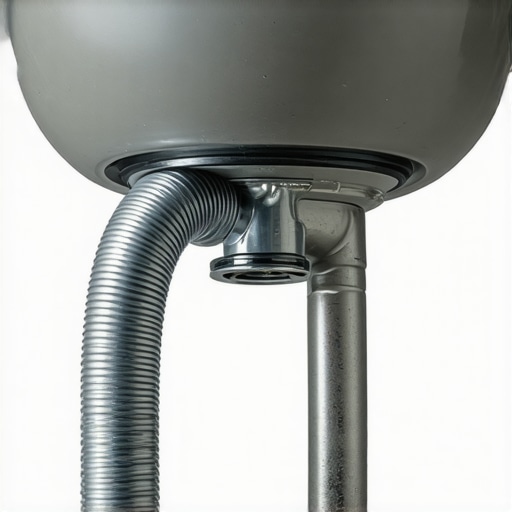
Secure Your Setup Against Potential Floods
While you’re under there, don’t skip the leak prevention step most professional installers charge extra for: installing a water leak sensor. It’s a tiny puck that sits on the floor and screams if it gets wet. It’s the cheapest insurance you can buy, especially if you have expensive hardwood floors in your kitchen.
Keep Your Paperwork as Clean as Your Plates
You might think your warranty is a safety net, but it’s actually more of a locked box, and the receipt is the only key. I’ve seen homeowners lose hundreds of dollars because they couldn’t produce a printed invoice from an authorized dealer. You must understand why your warranty claim fails without an authorized receipt—manufacturers are looking for any reason to deny a claim. Keep a folder in your kitchen drawer specifically for these documents. If you have to replace something yourself, document the process and keep the old parts if you’re still within that initial coverage window.
You’ve got the receipt in your folder, and you’ve checked the high loop, but let’s talk about the nuances that even some local handymen overlook. There is a persistent myth that vinegar is the ultimate, eco-friendly secret weapon for keeping a dishwasher clean. I used to be a believer too, until a veteran technician showed me a pile of dissolved rubber seals from a three-year-old machine. If you want to keep your unit running, you must stop using vinegar in your high-end smart machine. The high acidity levels can actually degrade the industrial-grade gaskets over time, leading to slow, silent leaks behind your cabinetry that you won’t notice until the floorboards start to warp.
The Soft Water Paradox Nobody Tells You About
We are often told that hard water is the enemy of appliances because of calcium buildup. While that is true, there is a dangerous flip side that rarely gets discussed: the damage caused by overly soft water. When your water is too soft, the detergent becomes hyper-active and has nothing to “grab” onto but your glassware and the stainless steel interior. This leads to permanent etching—white cloudy marks that no amount of scrubbing can remove. I’ve seen homeowners invest thousands in a whole-home filtration system only to realize that why soft water is ruining your dishwasher interior faster than hard water is a real chemical phenomenon. It’s all about balance; if you have a water softener, you likely need far less detergent than the manual suggests. Have you ever noticed your glasses looking worse after installing a softener? Let me know in the comments if you’ve fallen into this trap.
#IMAGE_PLACE_HOLDER_C#
How Do I Know if My DIY Installation Actually Voided the Warranty?
This is the question that keeps people up at night after they’ve spent a Saturday wrestling with a new unit. The Association of Home Appliance Manufacturers (AHAM) notes that a significant percentage of early-life failures are attributed to improper installation rather than manufacturing defects. One of the biggest red flags for a warranty inspector is seeing used components. You might think your old power cord is fine, but why your professional installer refused your old cord is usually a matter of safety and insurance compliance. Reusing old brass fittings or supply lines is an invitation for a claim denial because these parts are prone to fatigue. If you are doing it yourself, always document the new parts you’ve purchased to show you haven’t cut corners. This level of detail is essential for how to diagnose dishwasher parts during warranty periods without getting rejected by the manufacturer.
The Tiny Part That Saves Your Control Board
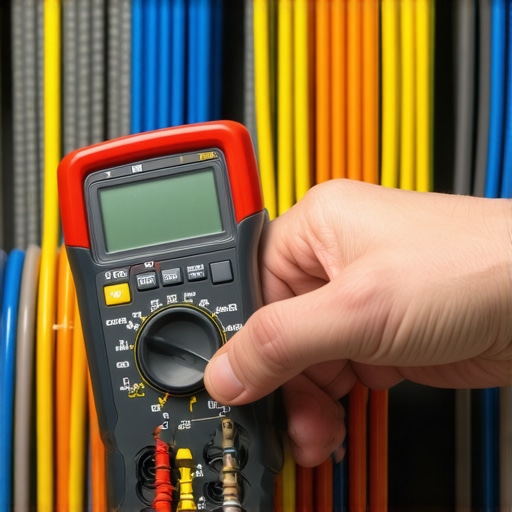
Most people focus on the pump or the motor, but the unsung hero of your machine’s longevity is the thermal fuse. It’s a tiny, inexpensive component that acts as a fail-safe. If your machine suddenly goes dark and won’t turn on, don’t assume the expensive motherboard is fried. Learning how to test your thermal fuse with a basic multimeter can save you from a massive repair bill. It’s these small, technical details—like knowing the $15 sensor that stops your smart dishwasher from overfilling—that separate the frustrated owners from the savvy ones. When you understand the common dishwasher parts and their role in proper installation, you stop being a victim of your appliances and start being their master. Have you ever had a tiny $10 part cause a $500 headache? I want to hear your stories below.
Building on that $10 headache, I realized that having the right tools in my utility drawer was the only way to stay ahead of the curve. I don’t just mean a screwdriver and a prayer; I mean a digital multimeter. If you’ve ever felt helpless while your machine sits dark and lifeless, how to test your thermal fuse with a basic multimeter is the single most empowering skill you can learn. It takes thirty seconds to check for continuity, and it’s the difference between a five-minute fix and a week of waiting for a repairman to tell you the same thing. I also swapped out my basic rubber water lines for the most durable braided steel hoses for long-term safety. According to the National Electrical Code (NEC) Section 422.16, proper grounding and cord management are non-negotiable for kitchen appliances, yet I see people ignoring these standards every day. Use the right hardware, or don’t be surprised when the warranty inspector flags your setup.
Why Cheap Parts are a Gamble You’ll Eventually Lose
I’ve been tempted by the $15 knock-off pumps on auction sites, trust me. But after seeing a friend’s kitchen floor ruined because a generic gasket failed after two months, I’ve become an OEM (Original Equipment Manufacturer) evangelist. You need to know how to spot a fake replacement part before it fries your control board. These knock-offs often lack the precise tolerances required for high-pressure seals, which is exactly why OEM pumps outlast cheap alternatives every time. When you invest in a smart machine, you aren’t just buying a box that splashes water; you’re buying a complex ecosystem of sensors. Putting a generic part in a high-end Bosch or Miele is like putting tractor tires on a Ferrari—it might move, but it won’t perform.
How do I maintain my dishwasher’s performance over a decade?
Consistency is the secret sauce. I treat my dishwasher like I treat my car’s oil changes. Every three months, I do a deep dive into understanding dishwasher parts a key to effective maintenance. I’m not just looking at the racks; I’m checking the spray arm nozzles for mineral deposits and ensuring the float switch moves freely. Knowing when to replace dishwasher parts for optimal performance—like swapping out a slightly worn door gasket before it actually drips—saves you from catastrophic failures. I keep a physical log of these checks alongside my warranty papers. It sounds overkill until you realize that the complete list of dishwasher parts covered by warranty usually excludes damage caused by ‘neglect,’ and a logbook is your best defense against that claim.
The Shift Toward Predictive Repairs
Looking ahead, the days of guessing why a light is flashing are almost over. We are moving into an era of AI-driven diagnostics where your machine will tell you a bearing is wearing out before you even hear the squeak. I’ve already started how to update the firmware on your kitchen wi-fi module to ensure I’m getting the latest sensor calibrations. I predict that within five years, integrated leak detection like the $20 smart sensor that detects leaks before your kitchen floods will be a mandatory standard for all new installations. This isn’t just about convenience; it’s about protecting the largest investment most of us own: our homes. I challenge you to go under your sink today and check your drain hose—if it isn’t looped high or if you see a single drop of moisture, fix it now before it becomes a Tuesday evening pond. Your future self will thank you for the five minutes of effort.
Hard Truths from a Kitchen Floor Disaster
If there is one thing I’ve learned after years of DIY mishaps, it’s that your machine is only as strong as its weakest link. Many homeowners think they are saving money by opting for ‘compatible’ components, but maximizing your dishwashers warranty through proper parts selection is the only way to ensure long-term peace of mind. I also discovered that fine print is a nightmare; knowing what your dishwasher warranty doesnt cover and how to avoid fees can save you from a $150 ‘diagnostic fee’ for a problem that was actually caused by a simple installation error.
#IMAGE_PLACEHOLDER_E#
The Survival Kit for Modern Dishwasher Owners
I don’t expect you to become a master plumber overnight, but keeping a few high-quality items on hand will change your life. First, ditch the plastic supply lines for the most durable braided steel hoses for long-term safety. Second, I highly recommend a basic digital multimeter—it’s the only way to truly verify essential parts every dishwasher owner should know about without guessing. Finally, keep a digital folder of your receipts; a manufacturer will never take your word for it when a claim is on the line.
Take Control of Your Kitchen’s Longevity
A dishwasher shouldn’t be a source of stress or a mystery box that might leak at any moment. By taking the time to handle your own dishwasher installation with care and choosing the right components, you are protecting your home and your wallet. It’s about more than just clean plates; it’s about the confidence that comes from knowing the job was done right. Top tips for seamless dishwasher installation in 2025 emphasize that patience is your best tool. Have you ever discovered a ‘shortcut’ during a repair that actually ended up costing you more in the long run? Let me know in the comments below!
Related Posts
Why Modern Dishwashers Take Longer to Wash Than Older Models
One evening, I stared at my newly installed dishwasher, puzzled.…

Why Water Hardness Settings Matter for Energy Efficiency
It was a frustrating Saturday afternoon when I finally realized…
Why Your Energy Bill Spikes When You Use Heated Dry
I remember the moment I realized my energy bills were…