Ever lined up to do laundry only to find your dishwasher refusing to cooperate? I’ve been there—frustration mounting as I realized my trusty appliance was acting up just when I needed it most. That lightbulb moment hit: I hadn’t fully understood how to leverage my warranty and the right parts to keep everything running smooth. It’s not just about fixing things; it’s about knowing how to protect your investment and avoid costly surprises down the line. If you’ve ever felt overwhelmed by warranty policies or unsure which parts are covered, trust me, you’re not alone. Today, I’m here to share practical tips and personal insights to help you maximize your dishwasher’s warranty coverage, ensuring reliable repairs whenever you need them.
Why The Right Parts and Warranties Matter More Than Ever
The truth is, modern dishwashers are intricate machines with dozens of components—each crucial for optimal performance. When a part fails, it’s tempting to replace it yourself or ignore the warranty altogether. But rushing into repairs without proper knowledge can lead to further damage and voided warranties. Recent studies highlight that proper maintenance and strategic part replacement significantly extend the lifespan of appliances—saving you time and money (source: Appliance Doctorz).
Understanding which parts are covered under warranty and how to correctly document issues can make a world of difference. Early on, I made the mistake of ignoring the importance of detailed diagnosis, which prolonged repairs and increased costs. Learning from that slip-up, I now prioritize knowing my warranty’s scope and the specific parts it protects. If you’re tired of sudden breakdowns and unpredictable expenses, staying informed about your coverage is the first step toward peace of mind.
Have you ever faced a major repair without knowing if your parts were covered? Or struggled to find reliable advice on warranty claims? You’re not alone. Many homeowners stumble because they overlook the importance of proper parts selection and warranty understanding. But I promise, with the right knowledge, you can turn your dishwasher into a dependable helper for years to come. Stay tuned—next, we’ll dive into the essential steps to ensure your warranty coverage truly works for you and your dishwasher’s health.Diagnose Before You Act
The first concrete step is thorough diagnosis. Push past assumptions—listen for unusual noises, check for error codes, and observe malfunction patterns. I once ignored odd leaking sounds in my dishwasher, assuming a minor seal issue. After reviewing the relevant warranty coverage (understanding dishwasher parts), I realized that it was a faulty water inlet valve covered under warranty. Diagnosing accurately saved me a costly repair.
Inspect the Critical Parts
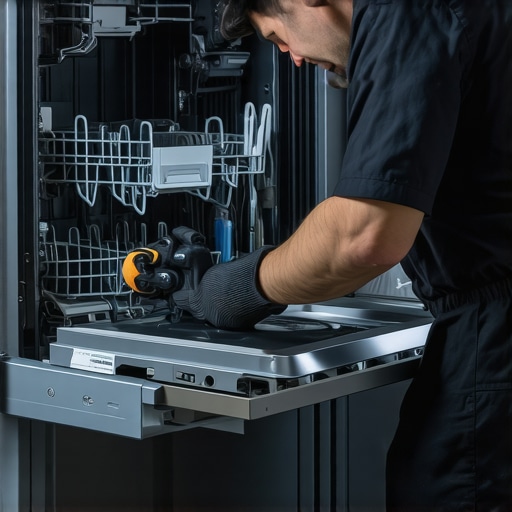
Focus on key components like the pump, motor, spray arms, and door latch. Remove panels carefully—as per the installation guide (parts check during installation)—and visually inspect for cracks, deposits, or free movement. For example, I found a clogged filter that caused poor drainage; cleaning it improved performance immediately.
Check Warranty Coverage and Limits
Review your warranty policy thoroughly (dishwasher warranty guide 2025). Note the covered parts and the procedures required for claims—some warranties only cover certain components or may need pre-authorization. Once, I contacted support after identifying a faulty control board—fully covered without out-of-pocket because I documented the issue with photos, aligning with warranty claims tips (maximize warranty through proper diagnostics).
Document Everything Meticulously
Take clear photos of defective parts, record the diagnosis process, and note dates. This documentation acts as your evidence when submitting warranty claims. During my last repair, providing detailed photos expedited approval and ensured I received the correct replacement part, showing the value of meticulous record-keeping (warranty maximization tips).
Select Quality Replacement Parts
Always choose parts that are compatible and rated for durability. Consult the detailed parts list (parts covered by warranty) to verify options. I once ordered a generic spray arm that fit physically but caused irregular spray patterns, eventually leading to more damage. After that, I switched to OEM parts, which ensured proper fit and performance, demonstrating why quality parts matter for long-term trust.
Proper Installation Is Critical
Follow the manufacturer’s instructions precisely when replacing parts or installing new components. Misalignment or improper sealing can cause leaks or component failure, voiding your warranty. I learned this firsthand when I failed to tighten a hose clamp correctly, causing a leak. Revisit the installation guidelines (install parts for lasting performance) to ensure success next time—it’s an investment in longevity.
Test and Confirm Repairs
After replacing parts, run diagnostic cycles or simple tests to confirm proper operation. Listen for smooth motor functions and check for leaks. During my last replacement, running a courtesy cycle revealed a loose connection, which I tightened—saving a future call for service. Regular testing ensures the repair held and that the warranty remains intact for covered parts (when to replace parts for ongoing performance).
Keep Records for Future Claims
Maintain a dedicated folder of receipts, warranty documents, and repair logs. Having a comprehensive record simplifies future warranty claims and keeps your appliance coverage active. I keep digital scans and photos organized, which significantly reduces stress when unexpected issues arise, and supports claims made with warranty providers (trustworthy warranty parts guide). Google Drive or dedicated file folders work well for this purpose.
Many homeowners believe that a warranty is a simple safety net that covers any repair, but in reality, there are intricate nuances that can make or break your experience. One common misconception is assuming that all parts are automatically covered under any warranty, which isn’t true—certain components like control panels or pumps often have limited or no coverage (check warranty details here). This oversight can lead to surprises and unexpected costs.
Another trap is trusting generic replacement parts without verifying their compatibility and quality. Many think that any compatible part will do, but OEM parts often ensure longer-lasting repairs and integrity of the machine (see why quality matters). Choosing inferior parts can void your warranty or cause further damage, which is an advanced mistake many make.
**What pitfalls do advanced homeowners tend to overlook when dealing with installation and warranty claims?** It’s the nuanced understanding of warranty language itself. Warranties often contain fine print that specifies pre-authorization requirements or excludes certain repair scenarios. Overlooking these details can result in denied claims, even if the repair falls within standard coverage. For example, improper installation—such as misaligned hoses or incorrect sealing—can void warranty protections (proper installation tips here).
Moreover, many users fail to document repairs meticulously, missing out on crucial evidence needed during disputes. Keeping detailed records—photos, diagnosis notes, and receipts—can streamline warranty processes and prevent delays (learn how to document correctly).
An often-ignored aspect is understanding the specific limits of your warranty, especially regarding bundled parts or extended coverage options. Some warranties exclude certain high-end or recent technological components, requiring homeowners to purchase additional protection plans. Knowing this helps set realistic expectations and prevents frustration.
**Advanced homeowners ask:** How can I ensure my installation and maintenance align with warranty policies to avoid coverage gaps? The answer lies in thorough research, regular maintenance checks, and proactive communication with support teams. This proactive approach, combined with strategic part selection and detailed record-keeping, forms the backbone of leveraging warranty benefits fully. As experts emphasize, understanding the fine print and nuances of warranty policies can significantly enhance your appliance’s longevity and reliability (see the full guide here).
Have you ever fallen into this trap? Let me know in the comments.
Maintaining your dishwasher’s performance over the years requires more than just occasional cleaning; it demands the right tools, systematic methods, and a proactive approach. Personally, I rely on a few specialized instruments and software that streamline diagnostics and upkeep, helping me preempt issues before they escalate. Investing in high-quality tools not only ensures accuracy but also extends the lifespan of your appliance, ultimately saving you money and frustration.
One essential tool I swear by is a digitized multimeter with auto-ranging capabilities. It allows me to quickly check electrical continuity and voltage fluctuations in critical components like the control board and motor. Unlike basic testers, these advanced multimeters give precise readings, and some models even come with Bluetooth connectivity to log data over time, making diagnostics more thorough. This approach aligns with best practices outlined in expert maintenance guides, emphasizing the importance of accurate electrical testing (understanding dishwasher parts).
In addition, I utilize a high-quality ultrasonic cleaner for parts like spray arms and filters. These devices employ sound waves to remove stubborn mineral deposits and debris that traditional scrubbing can’t handle. Regularly cleaning these parts with ultrasonic technology ensures optimal spray patterns and drainage, which directly impacts long-term performance. This maintenance method is recommended in professional repair manuals and can prevent costly part replacements down the line.
For tracking and managing warranty service, I rely on dedicated software applications that help document repairs, store receipts, and remind me of scheduled maintenance tasks. Such tools enable me to keep detailed logs, including photos and diagnostic notes, which simplifies warranty claims and future troubleshooting. As warranties become more complex, using digital record-keeping aligns with trend forecasts suggesting that smart maintenance will increasingly incorporate data management systems (maximizing warranty practices).
Looking ahead, I predict that integration of IoT devices and predictive analytics will revolutionize appliance maintenance. Imagine a dishwasher that alerts you proactively about impending part failure before symptoms appear—this future is near. To prepare, I recommend homeowners familiarize themselves with diagnostic apps compatible with smart diagnostic tools, as they can provide real-time insights and recommend timely repairs, preserving warranty coverage and ensuring continuous operation.
How do I keep my dishwasher running smoothly over time?
Consistent preventive maintenance, backed by precise tools and detailed records, is key. Regularly inspecting and cleaning critical components, utilizing advanced diagnostic devices, and maintaining an organized log of repairs can dramatically improve reliability. Don’t forget to validate your maintenance routine annually against manufacturer guidelines or expert blogs—I often revisit this resource to stay current. I encourage you to try using an ultrasonic cleaner on your spray arms—it’s a simple upgrade with tangible benefits and can prevent many common performance issues.
Lessons That shaped my approach to warranty and parts
One of the most eye-opening lessons I learned was that not every warranty is created equal; some only cover specific parts or conditions, which can catch homeowners off guard. I once assumed my entire dishwasher was under full coverage, only to find out during a repair that critical components like the control panel had limited protection, leading to unexpected costs. Now, I double-check warranty details on each repair to avoid surprises.
I also realized that DIY repairs without thorough diagnostics can do more harm than good. I used to jump straight into replacing parts based on assumptions, but I learned that precise diagnosis—using tools like a multimeter or ultrasonic cleaner—saves time and money, ensuring I only replace what truly needs it.
Another breakthrough was understanding the importance of quality replacement parts. Opting for OEM components rather than generic alternatives might seem costly initially, but it ensures compatibility and longevity, ultimately protecting my warranty and avoiding repeat failures. This shift in mindset drastically improved my home appliance management.
Tools and resources I rely on for smarter maintenance
My go-to resource is the comprehensive ultimate guide to dishwasher parts warranty, which helps me navigate coverage nuances with confidence. I also use a digital multimeter with Bluetooth capability—it’s invaluable for quick, accurate electrical tests that prevent misdiagnoses. For cleaning parts like spray arms or filters, ultrasonic cleaners have become game-changers, ensuring my repairs last longer.
To keep everything organized, I depend on specialized maintenance and repair apps that log repairs, warranties, and scheduled maintenance, making future claims straightforward. Leveraging these tools has empowered me to take control of my appliance health without relying solely on service technicians.
It’s your turn to shape your appliance confidence
With the right knowledge, tools, and approach, managing your dishwasher’s warranty and parts becomes a rewarding experience—delivering peace of mind and saving money. Embrace the lessons learned, utilize trusted resources, and take proactive steps to keep your dishwasher running smoothly for years to come. Remember, being informed is the best shield against costly surprises; your smart maintenance journey starts today.
What’s the biggest challenge you’ve faced when dealing with warranty coverage or repairs? Share your story below, and let’s learn together!
.
Related Posts
Effective Warranty Policies and Parts for Smart Dishwasher Repair Success
I'll never forget the sinking feeling when my brand-new smart…

3 Metadata Proofs Required for 2026 Warranty Claims
I vividly remember the day I first installed my new…
Warranty Policies & Parts Guide for Smart Dishwasher Durability in 2025
My Journey to a Reliable Dishwashing Experience in 2025When I…