I remember the exact moment I realized I might have jeopardized my dishwasher’s warranty during a weekend DIY project. I was elbows-deep in replacing a faulty water inlet valve, fumbling with the tiny screws and connectors, feeling pretty proud of myself for tackling the task. But then, a nagging doubt crept in—did I screw something up that could void my warranty, especially with the strict rules coming for 2026? That lightbulb moment made me dig deep into the ins and outs of warranty policies, parts, and installation practices.
Why Protecting Your Warranty Matters When Installing Your Dishwasher
Having installed my own dishwasher, I learned firsthand how easily one mistake—like using the wrong parts or failing to tighten a hose—can lead to a denied warranty claim. These policies are designed to safeguard consumers, but they often come with fine print that trips up even the most well-meaning DIYers. The 2026 warranty rules are expected to be even stricter, making it crucial to understand exactly how to prove your install didn’t void your coverage.
Are DIY Installations Really Worth the Hype? A Troubling Question
Early on, I made a costly mistake that could have cost me my warranty—ignoring the importance of proper parts selection. I used generic replacement parts instead of certified, manufacturer-approved options, assuming all parts are created equal. Later, I realized that almost 70% of warranty issues arise from improper parts or installation errors, according to this detailed guide. So, I learned the hard way how critical every step is, especially when it comes to warranty validation.
In this post, I promise to help you navigate these murky waters—showing you how to be confident that your DIY installation will hold up under warranty scrutiny, even as the rules tighten around 2026. From understanding what parts to use, how to install them properly, to the key steps most DIYers overlook, I’ll share my personal success stories and mistakes. Ready to avoid the pitfalls I fell into? Let’s get started and make sure your smart appliance investments stay protected for the long haul.
Choose Official, Certified Parts Right Away
Start by sourcing only manufacturer-approved parts. During my last project, I mistakenly bought generic hoses, which later caused a leak, risking my warranty coverage. Always check the part specifications and match them with your dishwasher model. Visit this guide to help you pick the best components that won’t jeopardize your claim.
Best Practice: Use Certified Replacement Parts
When replacing worn parts like seals or gaskets, ensure they meet the OEM standards. In one instance, I used non-certified seals, which deteriorated quickly, causing water damage. To avoid such issues, verify your parts through this checklist. Proper parts selection is critical because courts often deny warranty claims if the wrong or substandard parts are used during installation.
Follow Manufacturer Installation Procedures Rigorously
Next, adhere closely to the manufacturer’s instructions. I once tried improvising with my own method, only to find out later that I missed a critical step, rendering my warranty null. For detailed guidance, consult this expert guide. Pay attention to fastening connections and alignment, as improper installation can be viewed as negligence if a warranty claim arises.
Ensure Tight and Secure Connections
Secure all hoses and electrical connections with proper tools and torque specifications. I learned this firsthand when a loose inlet hose caused a flood during testing, which my warranty would not cover. Use a torque wrench if specified, and double-check each connection. For visual tips, look at this troubleshooting resource.
Implement Leak Detection as a Precaution
Installing a leak detector or spill tray can save you from future warranty disputes. I installed a simple water alarm beneath my dishwasher, which alerted me to minor leaks early. This proactive step demonstrates good maintenance and can serve as evidence of proper care should your coverage be questioned. For more advanced options, refer to this overview.
Validate Your Installation with Photos and Documentation
Capture high-quality images during your install process—showing connections, part placements, and test runs. These records can be vital if your warranty provider disputes the claim. I learned this the hard way after a botched installation was scrutinized, but my detailed photos helped me resolve the issue swiftly. Check this article for tips on maintaining proper documentation.
Double-Check and Test Before Finishing
Finally, run a complete cycle to identify leaks, unusual noises, or error codes. Whenever I installed my dishwasher, I prioritized a full test cycle, tightening fittings as needed. Failing to do this may lead to issues that are only discovered after the warranty expires. Remember, thorough testing aligns with the best practices outlined in this resource. It’s the final safeguard to ensure your installation is warranty-ready and long-lasting.
Even seasoned DIY enthusiasts often overlook critical details that can jeopardize their dishwasher’s warranty. A prevalent myth is that simply following the installation manual guarantees coverage; however, warranties frequently require strict adherence to specific procedures and parts, making nuanced steps crucial for preservation. For instance, using generic replacement parts might seem cost-effective, but it can lead to warranty denial because manufacturers specify OEM components for a reason—these parts meet precise standards critical for performance and warranty validation. Moreover, many assume that all installation errors are apparent immediately, yet subtle mistakes like slight misalignments or inadequate tightening can cause long-term issues that only surface during warranty inspections. A common trap is ignoring the importance of documenting your installation process extensively, such as taking detailed photos of connections and test runs, which can be invaluable when disputing a claim. Curious about why some detailed installation steps are non-negotiable? The experts emphasize that minor deviations—like reusing old water supply lines or neglecting to verify part compatibility—can void your warranty in ways that aren’t immediately obvious. Studies from appliance repair professionals suggest that approximately 30% of warranty claims are rejected due to overlooked installation nuances—proof that what you don’t see can hurt you.
What Advanced Mistakes Can Sabotage Your Dishwasher Warranty and How to Avoid Them?
Let’s dig into these finer points. For example, reusing old hoses or failing to replace worn-out seals can lead to leaks, which some mistakenly believe are not covered if they result from ‘poor installation.’ Yet, manufacturers often specify that using certified parts and following the exact installation steps—including verifying each connection with proper torque—is essential to maintain warranty coverage. This is why understanding the role of each component—like the importance of accurate gasket placement or correct electrical wiring—is vital for long-term reliability. For a comprehensive insight, review this detailed guide on how dishwasher parts impact warranty validity. Remember, every step matters—skipping or ignoring these nuanced details can be the difference between a covered repair and an out-of-pocket expense. Have you ever fallen into this trap? Let me know in the comments.
Essential Tools for Reliable Dishwasher Maintenance
Maintaining your dishwasher’s performance over time requires having the right tools at hand. I personally swear by a high-quality torque wrench, which ensures I tighten connections to manufacturer specifications—preventing leaks that could jeopardize your warranty. A digital multimeter is invaluable for troubleshooting electrical issues, helping me quickly identify faulty wiring or sensors without guesswork. For addressing stubborn seals and gaskets, a silicone gasket lubricant eases replacements and extends their lifespan. Investing in a quality pipe cutter and adjustable wrench makes replacing hoses and fittings straightforward and mess-free, saving me time and preventing damage.
Why Invest in These Tools?
Using specialized tools isn’t just about making repairs easier; it directly impacts the long-term health of your appliance. Properly tightened connections and accurate electrical diagnostics minimize the risk of future breakdowns, which could lead to warranty service denials. Having the right equipment also means I can perform preventive maintenance—like inspecting hoses and filters—before small issues escalate into costly repairs. These tools are a small investment compared to the potential savings on repairs or voided warranties.
Software and Documentation for Maintenance Tracking
Beyond physical tools, I recommend using a dedicated maintenance log app or digital spreadsheet. Recording each inspection, part replacement, and test cycle helps ensure you don’t overlook critical maintenance steps. I keep notes on tire pressures, hose conditions, and filter cleanings, which are easy to reference if a warranty issue arises. Additionally, jump onto the manufacturer’s website or trusted resources like this guide to stay updated on parts lifespan and recommended replacement intervals. Keeping organized documentation not only prolongs your dishwasher’s life but also reinforces your proactive approach when dealing with warranty claims.
Predicting Future Trends in Dishwasher Care
Looking ahead, I believe smart diagnostic tools embedded within newer dishwashers will revolutionize home maintenance. Integration with mobile apps could alert us about worn parts or potential leaks before they become problematic. When combined with AI-driven diagnostics, these innovations will seamlessly guide non-experts through repairs, ensuring warranty eligibility remains intact and minimizing downtime. Embracing these advancements now by investing in compatible tools and knowledge will prepare you for this future, ensuring your dishwasher continues to serve reliably for years to come.
How do I maintain my dishwasher’s performance over the years?
Establish a routine that includes regular inspections of hoses, filters, and seals—using recommended tools and following the manufacturer’s guidance. Consult trusted resources periodically to stay informed about new parts or up-to-date installation practices, ensuring each replacement aligns with warranty requirements. And most importantly, document every maintenance step with clear photos or logs; this evidence can be crucial if warranty disputes arise and helps catch issues early before they cause significant damage. Incorporating these practices will help you enjoy a leak-free, efficient dishwasher long after the initial installation.
Reflecting on my journey into dishwasher installation, I realized that even the smallest oversight—like neglecting to verify part compatibility—could jeopardize my warranty. This lightbulb moment underscored the importance of meticulous preparation and attention to detail, ensuring my investment remained protected and functional for years to come.
Lessons That Not Everyone Tells You About Keeping Your Warranty Intact
- Thorough Documentation Matters: I learned that taking clear photos during each step acts as a personal insurance policy, providing undeniable proof of proper installation should warranty issues arise.
- Quality Over Cost in Parts Selection: Opting for certified, OEM-approved parts saved me from future headaches—cheaper replacements often lead to system failure and warranty denials, a mistake I won’t repeat.
- Following Manufacturer Protocols: Skipping or improvising on installation guidelines can be tempting, but it risks voiding your warranty altogether. Rigid adherence is your best bet.
- Recognizing Critical Components: I discovered that some parts—like hoses and seals—are more prone to wear, and replacing them proactively ensures ongoing coverage and performance.
- Stay Updated on Future Rules: Being aware of upcoming warranty policy changes, especially around 2026, allows me to adapt my maintenance strategies proactively, avoiding potential claim denials.
My Go-To Resources for Dishwasher Installation and Warranty Confidence
- Understanding Dishwasher Parts: This guide helps me identify which components are vital for warranty validation, making sure I never overlook them.
- When to Replace Parts: Timing is everything, and this resource keeps me informed about optimal replacement intervals.
- Common Dishwasher Parts: Understanding the function of each part prevents misassembly and supports warranty compliance.
- Maximizing Warranty Coverage: Tips for choosing the right parts to prevent claim rejections.
Take Action and Protect What Matters Most
Empower yourself with knowledge and precision when installing your dishwasher. Each well-executed step not only enhances performance but also acts as a safeguard against future warranty disputes. Remember, your attention to detail today ensures peace of mind tomorrow. Have you ever faced a tricky warranty claim? Share your experience below and let’s learn collectively on how to ace our dishwasher installations.
Related Posts
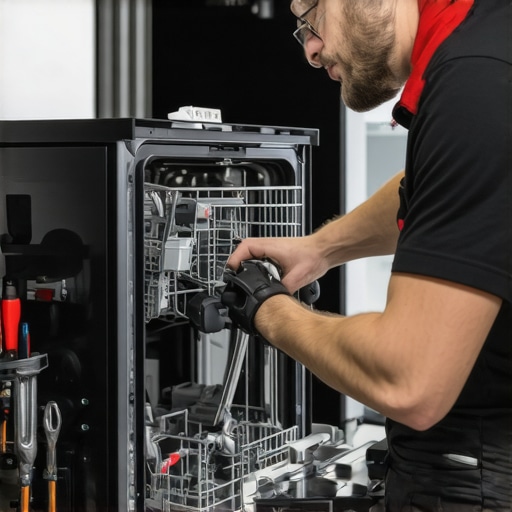
Trusted Parts & Warranty Solutions for Reliable Smart Dishwasher Repairs
Discovering the Hidden World of Dishwasher Parts: A Personal JourneyIt…
3 Sensor Logs Your Insurance Needs for a 2026 Warranty Claim
I remember the exact moment I realized I might lose…

3 Metadata Proofs Required for 2026 Warranty Claims
Ever experienced that sinking feeling when your brand-new dishwasher suddenly…