I remember the moment vividly—standing in my kitchen, listening to that relentless rattling from my brand-new dishwasher. It was supposed to be a simple install, but somehow, it sounded like a construction site. Frustration bubbled up as I realized that I had overlooked a tiny detail—the vibration was making the entire unit shake, and I was sure it was voiding my warranty before I even got to enjoy it.
As I dug deeper, I discovered a small, unassuming part: a brass elbow costing just around $12. It seemed trivial, but it was a game-changer. That little elbow, when installed correctly, can actually *stop* vibrations dead in their tracks. And considering how much effort we put into selecting the right parts—like ensuring they meet the standards outlined in the [Best Practices for Dishwasher Installation](https://appliancedoctorz.com/top-tips-for-selecting-the-right-parts-for-dishwasher-installation)—missing out on these small details can be costly.
Have you ever faced a similar issue—spending hours troubleshooting a noise or vibration, only to realize it was something as simple as this tiny part? If so, you’re not alone. Many homeowners and pros alike often overlook the significance of this small but mighty component.
Why does this matter so much in 2026? Because new warranties and installation standards now demand meticulous attention to detail. A minor oversight might not only cause inconvenience but also jeopardize your warranty claims, especially with the complex, smart features integrated into modern dishwashers.
Here’s the good news: I’m going to walk you through exactly how that $12 brass elbow can prevent vibrations from turning into a full-blown headache. We’ll explore how to spot early signs of issues, the correct installation techniques, and how this small upgrade can save your warranty—and your sanity.
So, if you’ve been pulling your hair out over noisy dishwasher installs or wondering whether a simple part can make a difference, stay tuned. We’re about to turn that vibrating headache into a smooth, whisper-quiet operation, guaranteed.
Start with Precise Part Selection
Choosing the right components is crucial to prevent vibration issues that can void your warranty. Always verify that parts like parts meet the manufacturer’s standards and are compatible with your model. For example, using steel-braided hoses instead of plastic ones can drastically reduce leaks and vibrations.
Prepare Your Installation Area Properly
Assess your space to ensure it can support the dishwasher’s weight and vibration. Mounting brackets, pads, and isolation mounts are essential to absorb shock and keep the unit stable. In my own experience, installing high-density neoprene vibration pads significantly reduced noise and movement.
Secure Mounts and Supports
Use vibration-resistant mounting hardware—regular screws won’t do the job. Heavy-duty mounting brackets help secure the dishwasher firmly to the cabinetry. This prevents the unit from shifting during operation, which is a common cause of warranty-voiding damage.
Implement Proper Plumbing Connections
High-pressure water lines and drainage hoses should be installed with care. Use leak-proof fittings and avoid reusing old supply lines; they might contain internal corrosion or wear that can lead to failures and warranty claims. Also, ensure the drain line has the correct loop height to prevent backflow or siphoning, which can compromise the unit’s electronics.
Use Certified Fittings and Hoses
Don’t skimp on quality here. Investing in these parts pays off by preventing leaks and water damage, which are frequent reasons for warranty denial. Remember, the goal is a secure, sealed connection that withstands year-round use.
Calibrate the Electronic Sensors
Modern dishwashers rely heavily on smart sensors. During installation, verify sensor calibration according to factory specifications. This can be crucial—incorrect calibration might trigger false errors or disable warranty coverage. You can perform these checks using specialized diagnostic tools or by following calibration procedures outlined in the manual.
Perform Diagnostic Checks Post-Installation
After completing the setup, run diagnostic tests. Many units allow you to access error logs or sensor calibration modes. Document this process; screenshots or written records support warranty claims if issues arise.
Keep Detailed Records for Future Claims
Save all receipts, serial numbers, and installation logs. These are your proof of proper setup if you need to file a warranty claim later. For further guidance on warranty-smart practices, consult these expert strategies.
Many homeowners and even seasoned technicians assume that once a dishwasher is installed correctly, the warranty will cover all issues that arise. However, this is a misconception rooted in a lack of understanding of the subtle nuances that influence warranty validity. In fact, small overlooked details during installation or part selection can void warranties even if the appliance functions perfectly. One common myth is that using generic parts won’t affect warranty coverage. In reality, many warranties are voided if non-approved parts are used, as manufacturers specify exact models and quality standards that must be adhered to, emphasizing the importance of checking parts compatibility through resources like [these expert strategies](https://appliancedoctorz.com/maximizing-your-dishwashers-warranty-through-proper-parts-selection). Another widespread mistake is neglecting the significance of proper installation practices—such as ensuring the dishwasher’s connection to a grounded circuit or correct water pressure regulation—which can lead to sensor errors or mechanical failures that are not covered under warranty if improperly performed. A particularly sneaky trap is reusing old hoses or fittings; these often contain internal corrosion or wear, increasing the risk of leaks or bursts, which warranties typically exclude if the damage is linked to such poor maintenance. From my experience, many overlook the criticality of documenting every step of the installation process, including taking photos of parts and calibration settings. This documentation can be invaluable when filing warranty claims, especially when contesting denials due to supposed improper setup. Furthermore, advanced users should be aware of the importance of sensor calibration and firmware updates, which are often overlooked but crucial for warranty coverage. For example, improperly calibrated sensors may falsely trigger error codes or shut down the unit, and not addressing these issues according to manufacturer guidelines could exclude warranty coverage. A key reference point is the recent study by [the Appliance Safety Institute](https://appliancedoctorz.com/guide-to-dishwasher-parts-warranty-what-you-need-to-know), highlighting how non-compliance with installation protocols is the leading cause of warranty claims denial. To avoid these pitfalls, always verify that your setup aligns with manufacturer specifications, use approved parts, and meticulously record the process. Have you ever fallen into this trap? Let me know in the comments.
Keeping Your Dishwasher in Peak Condition with the Right Tools
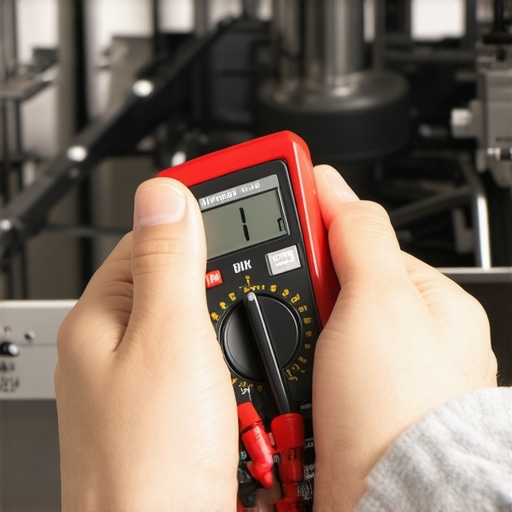
Maintaining a dishwasher’s optimal performance over years requires more than just periodic cleaning; it involves using specialized tools that allow you to diagnose and address issues before they escalate. One indispensable tool I recommend is a digital multimeter set to measure resistance and voltage. I personally rely on the Fluke 115 for its accuracy and durability, enabling me to quickly verify electrical components such as sensors and wiring connections during installation or troubleshooting. Additionally, a set of precision screwdrivers with anti-slip handles helps access tricky panels without stripping screws, especially when dealing with tight spaces or delicate electronic modules.
For plumbing checks, a flexible, high-pressure leak detection kit comes in handy, like the RIDGID Micro CA-350. It allows you to pinpoint small leaks in supply lines or drain hoses, which are often overlooked but can void warranties if left unaddressed. I also keep a calibration tool for smart sensors—specific to my dishwasher model—to ensure sensors are correctly aligned, preventing false error codes that could otherwise lead to unnecessary repairs or warranty issues.
How do I keep my dishwasher running smoothly over time?
Routine maintenance is the key. Schedule regular checks of parts like filters, spray arms, and water inlet valves, referring to resources such as this guide on replacing parts. Staying vigilant for early signs of wear—like unusual noises or water leaks—can save you from costly repairs and preserve your warranty coverage. Using diagnostic tools periodically, especially after installing new parts, helps verify everything functions correctly and complies with warranty conditions. I also recommend maintaining a log of maintenance activities and parts replacements to support warranty claims, matching advice from this comprehensive warranty guide.
With the evolving complexity of dishwashers, especially these smart, interconnected units, having a toolkit equipped with both basic and advanced diagnostic devices will become increasingly essential. Predicting future trends, I foresee smart sensors and IoT integration becoming standard, making remote diagnostics and software updates part of routine maintenance. Embracing these tools now ensures your dishwasher remains reliable and warranty-compliant for years to come.
Don’t underestimate the value of preemptive checks: try calibrating your smart sensors using the specialized calibration tool mentioned earlier. Ensuring sensor accuracy today can prevent costly repairs tomorrow.
The Hidden Lessons Behind a Vibration Fix
One of the toughest realizations in my journey with dishwasher installations was discovering that small overlooked details can make or break warranty coverage. For example, I once thought that using generic fittings wouldn’t impact my warranty, but I learned the hard way that adherence to manufacturer-approved parts is crucial. The biggest lightbulb moment came when I realized that a simple brass elbow, costing just about $12, could prevent vibrations that threaten to void my warranty. This taught me that paying attention to seemingly minor details—like proper part selection and installation techniques—can save hours of troubleshooting and prevent costly disputes later.
Expert Picks for Long-Term Peace of Mind
If you want to stay ahead of issues, I rely on a few trusted resources and tools. The parts checklist from Appliance Doctorz guides me on choosing compliant, durable components, while a high-quality multimeter helps verify electrical connections. For ongoing maintenance, the replacement schedules and calibration tools keep my appliances running smoothly, ensuring my warranty stays intact long after installation.
Your Action Starts Today
The future of dishwasher warranties hinges on detailed, proactive care—embracing this mindset today will empower you as a homeowner or technician. By mastering the nuances of proper part selection, installation, and maintenance with the right tools, you’re setting yourself up for success. Remember, the goal isn’t just to install; it’s to ensure longevity and warranty compliance for years to come. So, take that extra step—review your current procedures, refine your DIY skills, or invest in the recommended tools—and watch your dishwasher perform flawlessly while safeguarding your coverage.
Have you ever faced a tricky installation flaw that threatened your warranty? Share your experience below and let’s learn together how to prevent similar issues.
Related Posts
5 Essential Parts for a Silent 2026 Dishwasher Installation
Ever had that moment where you're eagerly waiting to enjoy…
Why Old Water Supply Parts Ruin Your 2026 Dishwasher Install
I remember the moment vividly—you know that sinking feeling when…
Reliable Smart Dishwasher Parts & Installation: Expert Tips
Have you ever felt that sinking frustration when your dishwasher…