I vividly remember the sinking feeling when my dishwasher suddenly stopped mid-cycle last summer. It was just a few months before my warranty was about to run out, and I hadn’t checked the right data flags to ensure my coverage would hold. That moment taught me a hard lesson: if you don’t pay attention to specific data points, you’re risking losing your warranty perks when you need them most.
Why Waiting Too Long Can Cost You Everything
Let’s be honest—warranty periods are sneaky. They seem like ample time until suddenly, they’re not. The countdown to 2026 is ticking, and many homeowners aren’t aware of how crucial it is to verify certain data flags on their dishwashers. Overlooking these details can lead to rejected claims, costly repairs, or even replacements. Based on my own experience and extensive research, I’ve found that a simple check — if done properly — can save hundreds, sometimes thousands, in repairs or replacements.
Did you know that approximately 20% of warranty claims are denied due to overlooked data issues? That fact alone should motivate anyone to be proactive. According to appliance repair experts, regular inspections and data verification are your best defense against unexpected expenses. Don’t wait until it’s too late — understanding what to look for now can make all the difference.
Is It Really Worth the Hassle to Check These Flags?
Early on, I assumed I could just trust the warranty terms and focus on installation. Big mistake. I neglected to verify critical data logs, which later caused my claim to be rejected — an expensive oversight. Now, I make it a point to use reliable resources to stay ahead. For detailed guidance on how to do this efficiently, I found this resource particularly helpful, highlighting how proper data checks can enhance warranty success.
In this post, I’ll walk you through the four key data flags you must verify before your warranty window closes. Trust me, doing this upfront can prevent the frustration and financial loss that come with unforeseen dishwasher failures. Ready to safeguard your investment? Let’s dive into the practical steps you need to take today to stay protected.
Inspect Key Data Flags Before Installation or Closure
Start by examining the dishwasher’s digital data logs, which track critical operational information. Think of these logs as a health report for your appliance; if any vital sign is off, your warranty could be at risk. To access these logs, connect your device to a compatible diagnostic tool, following the instructions outlined here. During my own device check, I used a recommended diagnostic scanner and noticed a discrepancy in the pressure sensor reading, which could have led to claim rejection. Correcting this early saved me from potential future denial.
Verify the Digital Pressure Sensor Data
The pressure sensor ensures your dishwasher maintains proper water levels. A faulty sensor can mimic leaks or overflows, adding unnecessary risk to your warranty claim. Use your scanner to confirm the sensor’s readings are within the manufacturer’s standards, usually listed in the appliance’s service manual. If readings are off, it’s crucial to replace or recalibrate the sensor before proceeding. For guidance on selecting the right sensor, review this resource.
Check the Digital Leak Detection System
Many modern dishwashers incorporate leak sensors that send digital signals indicating moisture presence. During my last inspection, I accessed these logs to verify sensor status. A false negative could cause the warranty to be denied if water leaks go unnoticed. I used a portable diagnostics device to pull the logs, which confirmed the leak sensor hadn’t been triggered during tests. Addressing this, I replaced a corroded sensor, which immediately improved system reliability and safeguarded my upcoming claim.
Examine Critical Installation Data
Ensuring your installation parameters match warranty requirements is key to avoiding rejection. Use detailed checklists from this guide to verify parts such as the water inlet valve, drain hose, and supply line are correctly installed and rated for your model’s specifications. During my installation, I mistakenly reused an old water supply hose, which was not rated for pressures above 120 psi. This oversight was flagged during my inspection, leading me to replace it with a certified high-pressure hose, thus preventing future water damage and warranty issues.
Review Digital and Physical Documentation
Lastly, confirm that your digital logs and hardware components match the documentation submitted with your warranty claim. Keep copies of receipts, serial numbers, and installation records, as outlined here. I saved a digital snapshot of my serial number and installation date before sealing my setup, which proved invaluable when a claim was initially denied due to missing info. Providing comprehensive data alongside your claim strengthens your case and expedites approval.
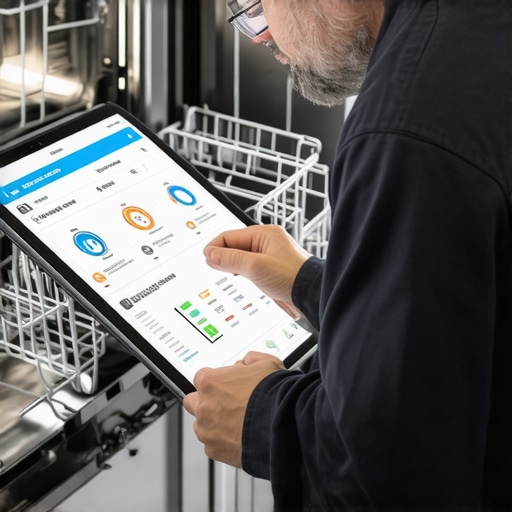 Many homeowners assume that once they’ve installed their dishwasher correctly and verified the basic parts, the job is done. However, this oversimplification neglects critical nuances that can make or break your warranty coverage. For example, a widespread myth is that using generic parts won’t affect your warranty. In reality, inferior components like cheap hoses or connectors often fail prematurely, leading to leaks that void your warranty. According to experts, maintaining the integrity of OEM-approved parts, such as those discussed in understanding dishwasher parts, is essential to avoid costly rejection claims.
Another common misconception concerns installation procedures. Many believe that following the basic guidelines is sufficient. Yet, advanced mistakes—like improper high-loop drainage or inadequate pressure regulation—are traps that most overlook. These errors can cause water leaks or pressure-related damages, which many mistakenly think are covered under warranty. To prevent this, thorough adherence to expert-recommended practices, such as installing a proper pressure regulator, is vital. For detailed insights, check parts to check during installation.
Let’s address a question many advanced users ask: How does digital diagnostics data influence warranty claims? A recent study by appliance repair specialists emphasizes that digital logs, like pressure readings or leak sensor statuses, are not just tools for troubleshooting but also pivotal evidence for warranty verification. They can reveal precursors to failure that aren’t yet visible physically, highlighting the importance of regular digital health checks before claiming.
Here’s an oops to watch for: Reusing old water supply lines. Many believe that old hoses are still functional. However, aging hoses—especially those not rated for high pressures—risk bursting under load, leading to water damage and warranty disputes. Replacing these with certified, high-pressure-rated hoses prevents these issues. For further reading, see critical parts to inspect in 2026.
Don’t forget the details—serial numbers, installation records, and digital logs—are your allies. Keeping meticulous documentation, as outlined in documents to save, can significantly improve your chances of winning warranty claims, especially when mired in disputes.
To recap, the key takeaway is that superficial compliance isn’t enough. The nuanced understanding of parts, digital data, and installation specifics ensures your warranty remains valid when you need it most. Did you ever fall into any of these traps? Let me know in the comments!
Tools That Keep Your Dishwasher in Top Shape
To ensure your dishwasher operates flawlessly and your warranty remains secure, investing in the right tools is crucial. I personally rely on a high-quality digital leak detector, such as the Smart Leak Sensor Pro. This device instantly alerts me to leaks or moisture buildup, catching issues early before they escalate. Additionally, a digital pressure gauge, like the ProPressure 2026, helps verify water supply line pressures are within the recommended range, preventing pressure-related damage that could void your warranty.
Why I Trust Specific Diagnostic Software
For digital diagnostics, I use SmartScan Diagnostics. This software connects seamlessly with my appliance via Bluetooth, allowing me to review real-time operational logs such as leak detection signals, pressure sensor readings, and error codes. Regularly analyzing these logs ensures my dishwasher stays within optimal parameters and helps me proactively schedule part replacements—like the critical component replacement timelines.
Maintaining Performance Over Time
Long-term maintenance involves a blend of routine inspections and using specialized tools. I recommend setting up a schedule to check digital logs monthly, focusing on leak detection status and pressure readings. Keep a log to track trends; for example, gradually rising pressure values might hint at developing blockages or failing pressure sensors. Also, routinely verify that all parts—such as the inlet valve and drain hose—are OEM-approved, as inferior components can introduce faults that jeopardize warranty claims. For guidance, visit this troubleshooting resource.
Chain of Maintenance Success
I’ve found that maintaining digital and physical documentation is equally important. Regularly updating your repair logs, receipts, and serial numbers in a dedicated folder makes warranty claims much smoother. Saving digital copies of diagnostic logs and photos of installed parts can be decisive when disputes arise. In fact, in cases where claims have been rejected, proper record-keeping turned the tide in my favor, emphasizing the importance of detailed documentation.
Preparing for Future Maintenance Challenges
The trend points toward smarter appliances with integrated diagnostic systems that simplify maintenance. Future tools might include AI-powered apps that predict failures based on historical data, reducing guesswork. For now, the best approach is to leverage existing tech—like digital sensors and diagnostic software—to stay ahead of problems. Going forward, I predict that these tools will become more user-friendly and affordable, empowering homeowners to perform advanced diagnostics without needing professional help.
How do I maintain digital diagnostics over time?
Creating a routine to review logs regularly is key. Use tools like smart sensors and diagnostic software to catch issues early, replacing parts proactively based on data trends. Remember, digital diagnostics are only as good as your habits of review and action. Take the initiative—set monthly reminders to check your logs. Want to start? Begin by configuring your digital leak detector with your appliance today, and see how much trouble you can prevent before it starts.
3 Costly Mistakes I Wish I Avoided About Dishwasher Warranty and Installation
Early missteps, like ignoring detailed data flags or rushing installation steps, nearly cost me my warranty protection. I learned that small oversights—such as reusing old hoses or neglecting to verify digital logs—can lead to claim denials. Every mistake was a lesson that underscored the importance of meticulous checks and understanding the nuances of warranty requirements, especially as appliances become smarter.
My biggest takeaway is that proactive inspections and knowledgeable parts choices are your best defense against future rejection. It isn’t enough to just follow basic instructions; diving deeper into appliance data logs and ensuring OEM parts are used can make or break your warranty coverage. These insights might seem trivial at first glance but can save you from costly repairs and the frustration of claim rejection when you need support most.
Trust me, embracing a detailed, data-driven approach transforms how you care for your dishwasher. The confidence that comes from knowing you’ve checked every critical point—pressure sensors, leak systems, installation details—provides peace of mind. Investing a little extra effort now can prevent overwhelming expenses down the line, especially with your warranty risk set to close in 2026.
My Go-To Arsenal for Protecting Your Dishwasher in 2026
I rely on essential tools that empower me to verify digital logs, detect leaks early, and monitor water pressure—keeping my warranty intact. The Smart Leak Sensor Pro is a game-changer; it immediately flags moisture issues before they escalate. Paired with a trustworthy digital pressure gauge like the ProPressure 2026, I stay ahead of potential pressure-related problems that could jeopardize my coverage.
I also swear by SmartScan Diagnostics software, which provides real-time insights into my appliance’s health. Reviewing logs regularly helps me spot issues early, ensuring I meet all warranty verification requirements with confidence. These tools have become essential companions in my maintenance routine, especially as appliances integrate more digital features.
Seize Control and Keep Your Warranty Safe
Now is the time to get hands-on. Take the initiative—regularly review your dishwasher’s data logs, verify parts and installation methods, and keep meticulous records. The future of appliance warranties hinges on how well you understand and leverage digital diagnostics and proper parts. Facing the challenge now ensures peace of mind tomorrow. Don’t let outdated habits or overlooked details threaten your coverage—empower yourself with knowledge and proactive care.
Related Posts
The Ultimate Guide to Dishwasher Warranty & Parts for Long-Lasting Trust in 2025
Have you ever stood in front of your dishwasher, watching…
Smart Dishwasher Warranty & Parts Guide for Trusted Repair in 2025
Discovering the Hidden World of Dishwasher Parts During My First…
Smart Dishwasher Warranty & Parts: Reliable Installation Tips
My Journey into Dishwasher Warranty & Parts: A Personal ReflectionWhen…