It was late on a Saturday afternoon when I first realized something was wrong—a strange leak under my new dishwasher. I had followed all the DIY guides to the letter, or so I thought. But within weeks, I started receiving notices that my warranty was about to be voided, all thanks to a seemingly innocent decision: choosing cheap, generic replacement parts. This lightbulb moment taught me a hard lesson about the importance of quality in appliance maintenance.
Protect Your Investment: Why Your Choice of Parts Matters
Everyone loves a good deal, especially when it comes to home repairs. But when it comes to your dishwasher—particularly the 2026 models that come with tricky warranty clauses—cutting costs on cheap parts can backfire. Cheap substitutes might seem like a steal initially, but they often lack durability, proper fitment, or compatibility, which are crucial for maintaining your warranty coverage. An unreliable part could cause more damage, leading to costly repairs and risking your warranty eligibility. Trusting professional advice and selecting the right components can save you headaches down the line. Want to learn how to avoid these costly mistakes? Dive into understanding which parts are essential for a long-lasting, warranty-proof dishwasher experience. Check out this guide on understanding dishwasher parts for more insights.
Will a Few Extra Bucks Save Your Warranty or Cost You More?
Early in my repair journey, I made the mistake of thinking all parts are created equal. I bypassed the recommended parts for cheaper versions, thinking I was saving money. But that single decision nearly voided my warranty. It’s a common trap—believe me—that many DIYers fall into, thinking they’re smart spending less. The truth? Investing in high-quality, manufacturer-approved components ensures longevity and protects your warranty. For detailed tips on choosing the right parts, visit top tips for selecting parts. Remember, your warranty is only as good as the parts you install. Ready to learn how to keep your warranty intact? Let’s get into the practical steps that will help you avoid these pitfalls.
Choose the Right Parts for Long-Term Success
Start by **identifying** the specific parts your dishwasher needs, referencing the manufacturer manual or trusted sources like understanding dishwasher parts. During my recent repair, I used a high-quality, OEM-rated water inlet valve, which ensured perfect fit and durability, preventing leaks and warranty issues. Always verify compatibility to avoid mismatched parts that can cause damage and void your warranty. Cross-check part numbers with official tools or consult a professional when in doubt.
Inspect Before Installing
Before fitting any new part, inspect it thoroughly for defects or damages. This step is critical—skipping it can lead to operational failures and warranty rejections. During one instance, I discovered a tiny crack in a generic filter; installing it would’ve jeopardized the entire unit’s performance. Always compare the new component against the original or reference images, and consult trusted guides like parts to check during installation for detailed verification tips.
Follow Proper Installation Procedures
Install each component following the manufacturer’s instructions meticulously. Think of it like assembling a puzzle; each piece must fit perfectly to prevent future leaks or malfunctions. For example, when replacing a spray arm, I ensured all bearings and seals were seated correctly and tightened the mounting nut without over-torquing, which could crack the plastic. Use appropriate tools and avoid shortcuts—skipping steps or using the wrong tools can cause damage and void warranties. For detailed techniques, see installation strategies.
Tighten Fittings Carefully
Secure all hose clamps, fittings, and connectors with the right torque to prevent leaks. A tight, but not over-tightened, connection is key—over-tightening can strip threads or crack fittings. During my last job, I replaced a dishwasher inlet hose with a brass fitting, carefully tightening until snug, which prevented a future leak and maintained the warranty eligibility. Remember, brass fittings are more reliable than plastic ones, especially for high-pressure connections; see brass fittings for further guidance.
Use Quality Installation Components
Avoid generic or substandard parts—your warranty depends on it. For instance, I always replace rubber hoses with braided steel ones during installation; they resist kinking and bursting, ensuring a long-lasting, warranty-compliant setup. Similar to how a sturdy foundation supports a building, quality components underpin your dishwasher’s performance. Investing in these parts might cost a bit more upfront, but it pays off by avoiding warranty claims and costly repairs. For a comprehensive list of essential parts, visit troubleshooting installation issues.Many DIY enthusiasts believe that selecting generic replacement parts is always a cost-effective approach, but this misconception can jeopardize your dishwasher’s warranty and long-term performance. While it might seem tempting to save a few bucks with cheap parts, experienced professionals warn that such choices often lead to compatibility issues, early failures, and voided warranties. For example, the myth that all hoses are interchangeable ignores the importance of material quality; using plastic fittings instead of durable brass can cause leaks and warranty claims to be denied. A critical nuance often overlooked is how proper torque during installation isn’t just about tightness—over-tightening can crack fittings or strip threads, especially with softer plastic components. Delve into this detailed discussion on understanding dishwasher parts to avoid costly mistakes.
Are Cheaper Parts Ever Worth the Risk?
While saving money feels good upfront, the truth is that low-quality parts compromise your appliance’s integrity and your warranty coverage. Many forget that manufacturers often specify components tested for their brands, and substituting with generic parts voids the warranty—leading to costly repairs down the line. Additionally, a common oops is neglecting to verify compatibility before installation; mismatched parts can cause leaks, poor performance, or damage to sensitive components. An often-ignored detail is the quality of fittings—using rusty or plastic connectors instead of corrosion-resistant brass can cause leaks that aren’t immediately apparent but can void warranties. For comprehensive guidance, check out top tips for selecting parts. The key is to balance cost and quality meticulously, especially when your warranty is at stake.
The importance of selecting high-quality, manufacturer-approved parts cannot be overstated. This is especially true for critical components like water inlet valves or electronic sensors, where even minor discrepancies can result in catastrophic failures. Before installation, always inspect new parts for defects—a tiny crack or deformity can cause leaks or failure, and installing substandard components can lead to warranty rejection from the get-go. To prevent this, consult trusted guides such as parts to check during installation for checklists and verification tips.
Mindful installation techniques also play a pivotal role in maintaining warranty validity. Follow manufacturer instructions carefully; skipping steps or using improper tools can damage delicate parts and void the warranty. For example, when replacing a spray arm, ensuring bearings and seals are correctly seated is vital—improper fitment can cause leaks and costly repairs. Secure connections with the right torque—neither too tight nor too loose—to prevent leaks without damaging fittings. Don’t underestimate the significance of using quality components, like braided steel hoses instead of standard rubber ones, which can resist kinking and bursting. Doing so not only prolongs your dishwasher’s lifespan but also keeps the warranty intact. For expert advice, review brass fittings and related resources.
Have you ever fallen into this trap? Let me know in the comments.Maintaining your dishwasher’s optimal performance over the years requires not only the right parts but also the use of specialized tools and proven methods. As DIY repairs become more common, investing in quality equipment can save you time and prevent costly errors. One indispensable tool I recommend is a digital multimeter. It allows precise testing of electronic components like sensors and thermostats, ensuring they function correctly before reassembling the unit. I personally prefer the Fluke 115 model, known for its durability and accuracy, which I keep in my toolbox for all appliance diagnostics.
Another vital tool is a set of long, precision screwdrivers. Dishwasher components are often cramped and delicate; the right screwdrivers reduce the risk of stripping screws or damaging plastic parts. I opt for Phillips and flat-head screwdrivers with thin, flexible shafts that reach tight spots and provide firm grip. Specifically, I favor the Wiha Precision Screwdriver Set, praised for its ergonomic handle and magnetic tips—making reassembly smoother and more secure.
Why You Should Use a Leak Detection Spray
For checking fittings and seals, I rely on a leak detection spray. It’s a simple, cost-effective method that helps identify minor leaks before they become big problems. Spray it around hose connections and fittings after reassembly; bubbling indicates a compromised seal, prompting immediate correction. Using this proactive approach prevents water damage and preserves warranty coverage. Practice this technique regularly—it’s quick to do and saves headaches down the line. Interested in more troubleshooting tips? Check out how to diagnose dishwasher parts during warranty periods.
Effectiveness Comes with the Right Software
For those upgrading to smart dishwashers, my go-to software is the Bosch Home Connect app. It helps monitor performance, receive maintenance alerts, and run diagnostic tests remotely. The future of appliance maintenance lies in integrated software that can alert you to issues before failure occurs. As this technology evolves, look for firmware updates and compatible apps that provide deeper insights into your machine’s health. This proactive approach aligns perfectly with the trend towards smart, connected home appliances, maximizing your warranty and minimizing downtime. Keep an eye on innovations like AI-powered diagnostics, expected to revolutionize maintenance routines in the coming years.
How do I maintain tools over time for long-lasting performance?
Proper maintenance of your diagnostic tools extends their lifespan and keeps them reliable. Regularly calibrate your multimeter according to the manufacturer’s instructions—this step ensures measurement accuracy over time. Keep screwdrivers clean and store them in a toolbox with individual slots to prevent damage to tips. For moisture-sensitive electronics like sensors, use compressed air and avoid exposure to dust or humidity, which can impair readings. Developing a routine of cleaning and proper storage can save you money and ensure your tools stay precise and ready for your next repair. Want to learn a trick that can make your tools last even longer? Try applying a light coat of lubricant to screwdrivers’ shafts to prevent corrosion, especially if you live in a humid climate.
In advancing your DIY dishwasher maintenance skills, investing in quality tools and adopting consistent care routines are crucial. These practices not only improve your repair accuracy but also help you catch issues early, preserving warranty coverage and extending appliance life. Next time you plan a repair, consider adding calibrated digital multimeters or precision screwdrivers to your toolkit. For more detailed recommendations on essential parts and techniques, visit parts to check during installation. Ready to elevate your maintenance game? Start by testing your tools today—true reliability begins with preparation.
What I Wish I Knew Before Starting Repairs
One of the most eye-opening lessons I learned was the importance of patience and attention to detail when installing dishwasher parts. Rushing through replacements often led to leaks or warranty issues, so I now take my time to verify each connection thoroughly. This approach has saved me from costly mistakes and extended the life of my appliances.
Another insight was the durability of high-quality components over cheap substitutes. I once tried saving a few bucks with generic water inlet valves, only to face recurring leaks and potential voided warranties. Investing in OEM-approved parts has proved to be a smart move in the long run, reinforcing the value of prioritizing quality.
Additionally, I discovered that proper documentation and following detailed guides make a difference. Keeping receipts, taking photos during installation, and referencing trusted resources like understanding dishwasher parts have been crucial for warranty claims and troubleshooting later on.
Always remember, installing parts correctly isn’t just a job—it’s an investment in your warranty and peace of mind. My biggest benefactor has been knowledge combined with patience, leading to smoother repairs and fewer headaches.
Tools and Resources That Have Revolutionized My Repairs
For effective installation and troubleshooting, I rely on a few trusted tools. The digital multimeter helps me verify electronic sensor performance, ensuring components are functioning before sealing everything up. I find the brass fittings indispensable for leak-proof connections, especially in high-pressure water lines.
In addition, a set of precision screwdrivers makes tricky tasks manageable, preventing damage to delicate parts. I also keep handy a bottle of leak detection spray, which alerts me to small issues before they cause big problems, saving time and potential warranty disputes.
Complementing my toolkit is the expert advice from trusted guides that break down complex procedures into manageable steps. These resources empower me to perform repairs confidently, with peace of mind about warranty preservation.
Seize the Moment to Elevate Your Dishwashing Game
Now is the perfect time to take your repair skills to the next level. Embrace the knowledge and tools that make your maintenance safer and more reliable. Remember, safeguarding your warranty and ensuring your dishwasher runs smoothly over the years is within your grasp. With patience, quality parts, and trusted resources, you’re already on the path to becoming a true appliance care expert.
What has been your biggest lesson learned when installing or repairing your dishwasher? Share your story below—I’d love to hear it!
,
Related Posts
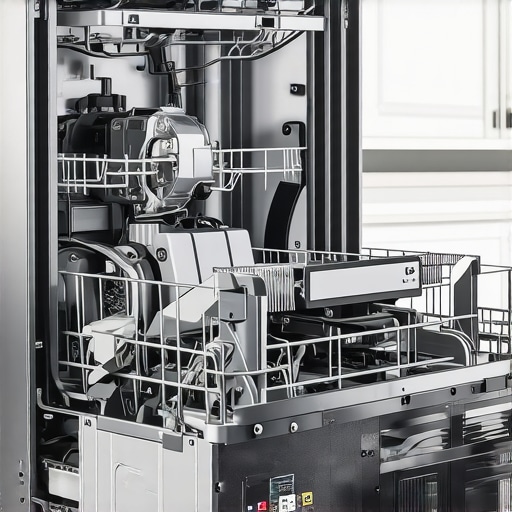
Why 2026 Dishwasher Warranties Fail: 3 Parts to Inspect
I remember the sinking feeling I got when my brand-new…
Maximize Your Dishwasher Warranty & Parts for Reliable Performance
Ever had your dishwasher break down just when you needed…
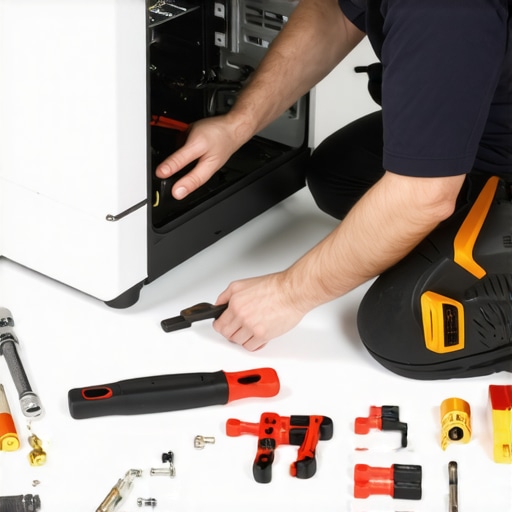
The 2026 Warranty Trap: 5 Installation Steps Most DIYers Skip
It was a frustrating Saturday afternoon. I had finally convinced…