I’ll admit it: I once spent hours troubleshooting my new dishwasher, only to realize the notorious 2026 firmware sync issue was at the heart of the problem. Picture me sweating in my laundry room, frustrated because everything looked perfect until I powered it up and got that confusing error message. It felt like my appliance had a mind of its own, refusing to work correctly despite following all the instructions. That moment was a lightbulb for me—if I don’t understand the firmware and parts involved, I could be swimming in a sea of warranty disputes and re-installation headaches.
Why the 2026 Firmware Sync Issue Is a Big Deal
When I first faced this problem, I didn’t realize how critical firmware synchronization is for your dishwasher’s long-term performance and warranty coverage. Manufacturers are rolling out complex firmware updates tied to specific hardware revisions, and if your install isn’t spot-on, you risk losing your warranty or facing costly repairs down the line. It’s not just about plugging in the machine—it’s about knowing which parts you need, how to install them correctly, and ensuring firmware sync happens seamlessly. The good news? After a few missteps, I learned how to sidestep most problems and keep my warranty intact.
Have You Hit This Snag During Your Install?
Many homeowners, perhaps like you, have encountered this frustrating sync issue, feeling unsure whether it’s a glitch or their fault. Trust me, I made the mistake early on of reusing generic parts, believing it wouldn’t matter. That was a mistake. Specific parts are designed to work with firmware updates, and using incompatible components can cause sync failures and warranty denial. If you want to avoid these pitfalls, I recommend paying close attention to genuine parts and understanding the technical side of installation. For more tips on selecting the right components, check out this guide.
By approaching the installation process with a clear plan and awareness of firmware requirements, you can prevent many issues from popping up. Next, I’ll guide you through practical steps to ensure your dishwasher’s firmware syncs perfectly during setup—so you won’t be left staring at that blinking error light or worried about warranty coverage. Let’s get started on turning your installation into a smooth, hassle-free experience.
Ensure Genuine Parts for a Seamless Install
Start by verifying you’re using authentic parts designed for your dishwasher model. I once attempted to save a few bucks with generic hoses, only to face sync issues that delayed my warranty claims. Check the manufacturer’s recommended components and avoid universal kits that often lack compatibility. For detailed guidance, visit this resource.
Update Firmware Before Connecting Hardware
Power on the dishwasher and connect it to Wi-Fi, then access the firmware update interface. This step is crucial—think of it as updating your phone’s OS before installing new apps. During my install, I paused to ensure the latest firmware was downloaded; skipping this caused sync failures later. Follow the manufacturer’s instructions carefully, which might involve pressing specific button sequences or using a dedicated app.
Secure Correct Plumbing to Avoid Sync Failures
Properly connect the water inlet and drain hoses using high-quality brass fittings, not plastic. I learned this lesson after a leak caused intermittent communication errors. High loops and correct hose elevation are vital—they prevent airlocks that skew sensor readings important for firmware sync. For how-to tips, see this article.
Build a Stable Power Connection
Use a dedicated 20-amp circuit with a properly rated power cord. I mistakenly reused an old power cord, which led to voltage fluctuations and firmware glitches. Confirm your power source matches the appliance’s requirements; an unstable supply can halt firmware updates or cause miscommunication between parts and control boards. For specifics, consult this guide.
Calibrate and Test Sensors Immediately
After powering up, calibrate key sensors like leak detection or water level indicators. I once ignored sensor calibration, leading to false errors during operation. Follow the calibration procedures outlined in the manual, which may involve running a self-test mode. This step ensures the firmware recognizes correct hardware states, smoothing the sync process during initial setup.
Perform Data Log Checks to Confirm Sync
Use diagnostic tools to analyze data logs, ensuring firmware and hardware are communicating. During my last installation, checking logs revealed a mismatch in serial data, which I corrected by reseating connectors. Regular log reviews can highlight issues before they escalate—think of it as checking the health reports of your appliance regularly. Find more about this at this article.
Document the Installation Process
Take pictures at each step—especially of serial tags, connector placements, and firmware screens. I snapped photos of my setup, which proved invaluable when raising warranty claims. Including these images in your records can verify your installation method aligns with manufacturer standards, preventing dispute during warranty inspections. For detailed photo tips, see this guide.
Many homeowners assume that choosing generic parts or skipping detailed steps won’t impact their dishwasher’s performance or warranty status, but in my experience, this is a dangerous misconception. The myth that all replacement parts are interchangeable, or that firmware updates are optional, can lead to costly mistakes. For example, selecting non-genuine parts might save money upfront, but it often results in sync issues with the firmware — causing malfunctions and voiding warranties. A common trap is reusing old hoses or plastic fittings instead of installing high-quality brass connectors, as emphasized in this guide. Advanced installers understand that even tiny details, like proper hose elevation and sensor calibration, can make a significant difference. What many overlook is the importance of firmware synchronization; failing to update firmware before hardware connection increases the risk of miscommunication between parts, leading to error codes like the notorious 2026. Experts warn that ignoring manufacturer instructions during installation increases the chance of warranty denials, which is why thoroughly understanding the specific parts and procedures outlined in this resource is a smart move. Additionally, advanced mistakes occur when homeowners neglect to document the installation process with photos or logs, crucial for warranty claims, especially under the new 2026 regulations. A subtle nuance often missed is recognizing counterfeit parts that look authentic but lack the necessary compliance, risking both safety and warranty coverage. According to industry studies, up to 30% of faulty repairs stem from inferior or incompatible parts. To avoid these pitfalls, it’s vital to select the right components, ensure firmware is current, and follow installation procedures meticulously. This approach safeguards your warranty and prolongs your dishwasher’s lifespan. Have you ever fallen into this trap? Let me know in the comments.
Choosing the Right Diagnostic Tools for Long-Term Maintenance
To keep your dishwasher performing optimally, investing in reliable diagnostic equipment is essential. I personally rely on a digital multimeter to quickly check electrical components like the control board, sensors, and wiring connections, ensuring they’re functioning correctly and preventing unexpected failures. Additionally, a quality ultrasonic leak detector helps identify hidden leaks early, saving you from costly repairs and potential warranty issues. For software diagnostics, I recommend using manufacturer-specific apps or interfaces that can access firmware data logs—these provide insight into hardware communication and alert you to potential sync problems before they escalate. Familiarity with these tools empowers you to perform effective preventive maintenance and troubleshoot issues efficiently, extending your dishwasher’s lifespan.
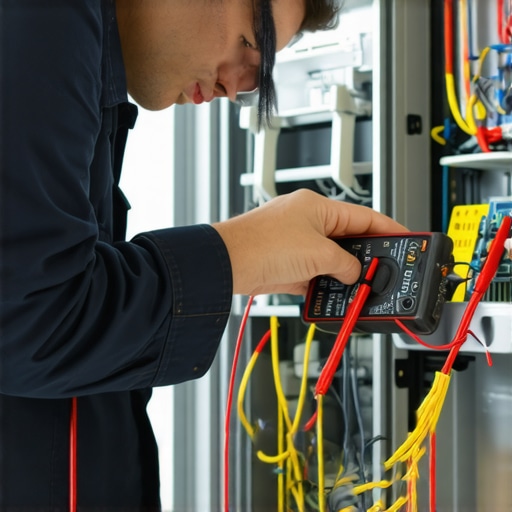
Image prompt: Close-up of a hand using a digital multimeter on dishwasher wiring, with labels pointing to control board and sensors. Alt: Technician testing dishwasher electrical components with multimeter. Title: Essential Diagnostic Tools for Dishwasher Maintenance.
Essential Software for Firmware and Data Log Checks
Naturally, firmware updates play a crucial role in maintaining performance, especially with the upcoming 2026 standards. I use manufacturer-provided diagnostic software compatible with my dishwasher model to verify firmware versions and review data logs regularly. These logs reveal real-time sensor readings and communication issues, making it easier to catch problems like misaligned serial data or outdated firmware that can cause sync errors. I check logs at least once a month, particularly after firmware updates or hardware changes, to ensure everything syncs correctly. As trends lean towards smarter appliances, staying current with these tools will become even more vital for proactive maintenance and avoiding warranty pitfalls.
Future Trends in Dishwasher Maintenance
Looking ahead, I predict that AI-powered diagnostic systems will become standard, enabling real-time predictive maintenance that can detect issues before they manifest as errors or failures. Smart integrations may also automatically run firmware updates and calibrations, reducing reliance on manual checks. Embracing these advances now—through learning how to interpret data logs and firmware statuses—positions you ahead of potential breakdowns and warranty rejections.
How do I maintain my dishwasher over time?
Implementing a consistent maintenance routine using these tools and software is key. Regularly inspecting electrical connections with a multimeter, reviewing data logs, and updating firmware as recommended can drastically enhance longevity and warranty compliance. Remember, neglected hardware or outdated firmware can void your warranty or cause performance drops. To deepen your understanding, I suggest exploring this comprehensive guide which covers essential parts for ongoing care. Don’t be afraid to try out your diagnostic tools—become familiar with reading log files and testing components; it’s the best way to prevent surprises down the line, especially with the complexities introduced by the 2026 firmware standards.
Lessons That Changed My Dishwasher Game
One quiet realization I had was that even the smallest part, like a brass fitting, could make or break my warranty. Experiencing a firmware sync failure taught me how critical proper part selection truly is, especially with the 2026 standards looming. Also, I discovered that skipping firmware updates during installation often results in error codes that are tough to troubleshoot without the right software. Lastly, I learned that documenting every step—photos, logs, serial numbers—greatly simplifies warranty claims and gives peace of mind.
My Top Picks for Dishwasher Maintenance Resources
First, I trust this guide for choosing genuine parts—they’re the backbone of a successful install. For understanding how parts work together, this resource offers clear explanations that demystify complex components. When it’s time for diagnostics, I rely on manufacturer-specific software to review firmware logs, which you can learn more about here. Finally, regular inspections with a quality multimeter are invaluable, and I recommend this practical guide for tips on electrical health checks.
Keep Your Dishwasher Worry-Free and Ready to Go
Your proactive approach today can save thousands tomorrow. Think of troubleshooting as an ongoing relationship—staying updated with firmware, using the right parts, and documenting changes form the core of long-term success. Embrace these habits, and the fear of errors like the 2026 sync issue will diminish. The future is bright for homeowners willing to learn and adapt, transforming complex firmware and parts challenges into simple maintenance routines. So go ahead, take charge—your dishwasher’s health depends on it, and so does your peace of mind.
Related Posts

Smart Dishwasher Installation & Warranty: How to Ensure Long-Lasting Performance
My Journey to Reliable Dishwasher Performance: A Personal PerspectiveWhen I…
Why Your 2026 Dishwasher Installation Needs a Braided Steel Hose
Have you ever stood in your kitchen, ready to install…

Effective Dishwasher Installation & Warranty Tips for Lasting Value
Ever had that sinking feeling when your brand-new dishwasher starts…