It was a lazy Sunday afternoon when my kitchen floor suddenly flooded. Immediately, I knew I had made a rookie mistake during my recent dishwasher install—using generic parts that seemed fine at first but failed miserably in the end. That lightbulb moment hit me hard: I needed a better approach, especially with 2026 models promising smarter, more complex features. If you’ve ever faced those frustrating leaks or wondered whether your DIY installation will hold up to warranty standards, you’re not alone. Today, I want to share how I cracked the code to a leak-proof, warranty-friendly dishwasher setup by focusing on just three key parts. Trust me, this small change made a world of difference.
Why Focusing on These Three Parts Can Save Your Installation—and Your Warranty
Installing a dishwasher might seem straightforward, but overlooking critical components can lead to leaks, poor performance, or even void your warranty. Over the years, I’ve learned that not all parts are created equal, and using subpar or incompatible pieces can turn a simple upgrade into a nightmare. According to experts, using the right components not only ensures reliable operation but also preserves your warranty coverage—something that’s often overlooked by DIY installers. In fact, studies show that improper installation or use of cheap parts contributes to nearly 70% of dishwasher failures within the first two years, leading to costly repairs or replacements (source: Appliance Repair Institute).
If you’ve faced leaks, error messages, or warranty rejections, chances are you’ve missed a vital part during installation. That’s why I’m here—to help you avoid those pitfalls by zeroing in on three universal parts that are crucial for 2026 dishwasher installs. Mastering these can make your setup not only smoother but also more durable and warranty-compliant.
Are you worried about choosing the right parts or making mistakes that might void your coverage? I’ve been there. Let’s delve into the details so you don’t repeat my errors and can feel confident with your next install.
Select the Right Parts from the Start
Think of your dishwasher installation like building a puzzle; every piece must fit perfectly to prevent leaks and ensure warranty coverage. I once tried saving a few bucks by reusing old supply lines, but the next week, I faced a flood due to a cracked hose. To avoid this, always use new, high-quality supply hoses rated for 120 psi, like braided steel ones, which are more durable and less prone to failure (see essential fittings here). Before purchasing, verify that each component matches your model’s specifications, especially with upcoming 2026 smart dishwashers that demand precise parts for warranty validity. Doing this upfront reduces the risk of costly repairs later.
Many DIY enthusiasts assume that selecting generic or cheap parts won’t impact their dishwasher’s performance or warranty status, but in reality, this approach often leads to costly mistakes. One widespread myth is the belief that any hose or fitting from the hardware store suffices, but professionals emphasize that using subpar components can cause leaks and void warranties. For example, premium braided steel supply hoses rated for 120 psi are crucial for preventing water damage and ensuring compliance with manufacturer standards, as detailed in sources like “[common dishwasher parts and their role](https://appliancedoctorz.com/common-dishwasher-parts-and-their-role-in-proper-installation).” A frequent oversight is ignoring the compatibility of parts with the specific model, especially with the upcoming 2026 smart dishwashers that require precise components for warranty validation—check “[maximizing your dishwasher’s warranty](https://appliancedoctorz.com/maximizing-your-dishwashers-warranty-through-proper-parts-selection)” for guidance.
Another mistake is overlooking the importance of correct installation procedures, such as improper hose routing or failing to install a high loop, which can lead to leaks and warranty denials. Advanced users should ask, “Are my installation practices aligned with the latest standards for warranty protection?” investing in high-quality, model-specific parts and following expert installation tips ensures longevity and warranty coverage. Remember, faulty parts or incorrect installation can be subtle, often manifesting as minor drips or error messages before disastrous failures occur. Ensuring all components are OEM-certified and correctly fitted isn’t just about performance but protecting your investment. For more detailed insights, reviewing “[parts to check during installation](https://appliancedoctorz.com/parts-to-check-when-installing-a-dishwasher-for-long-term-performance)” can save you from costly repairs later.
In essence, challenging the misconception that cheaper parts equal savings is vital; instead, focusing on high-quality components and proper installation practices is the key to maintaining your dishwasher’s efficiency, ensuring its smart features operate correctly, and safeguarding your warranty. Have you ever fallen into this trap? Let me know in the comments.Maintaining your dishwasher over time requires more than just basic care; it involves using the right tools and following precise methods to ensure optimal performance and warranty compliance. One essential tool I rely on is a digital digital pressure gauge, which allows me to monitor water pressure accurately during installation and routine maintenance. Consistent pressure ensures that fittings and hoses remain secure, preventing leaks that could void warranties. I personally prefer the Milwaukee Digital Pressure Gauge because of its reliability and clear digital readouts, making it easier to detect subtle pressure drops that could signal potential issues. Additionally, I use a USB borescope to inspect internal components like spray arms and filters without disassembly, saving time and preventing unnecessary part wear. This allows me to catch buildup or damage early, extending the dishwasher’s lifespan.
How do I keep my dishwasher functioning properly over time?
Adopting a regular maintenance schedule is vital. I recommend checking the water inlet valve and supply line monthly, ensuring they are free of debris and in good condition. For long-term results, keeping a detailed digital log of pressure readings, filter cleanings, and part replacements helps identify patterns that may predict failures. This proactive approach aligns with expert advice; for instance, the Appliance Repair Institute emphasizes monitoring water pressure and replacing worn parts before they lead to leaks or damage.
In terms of tools, I suggest investing in a high-quality torque wrench calibrated for small fittings—this prevents overtightening, which could crack plastic connectors or damage threads, especially in smart dishwasher models where precision matters. Additionally, silicone-based lubricants like Food Grade Silicone Spray are excellent for sealing O-rings and gaskets, maintaining their elasticity and preventing leaks.
Looking ahead, I believe the trend will move toward smart diagnostic tools integrated with apps that can analyze pressure, temperature, and usage patterns remotely, alerting you to potential issues before they escalate. Manufacturers are increasingly embedding sensors that communicate with your smartphone, making maintenance more predictive and less reactive.
To get started, I challenge you to use a digital pressure gauge during your next installation. Monitoring real-time data can significantly reduce leak risks and help you stay within warranty parameters. For more detailed guidance on parts and proper installation techniques, visit this comprehensive resource. Implementing these tools and methods not only prolongs your dishwasher’s lifespan but also ensures your warranty remains valid, giving you peace of mind for years to come.
The Hardest Lesson I Learned About dishwasher,warranty,parts,installation
One of the most eye-opening moments was realizing that not all dishwasher parts are created equal—especially with 2026 models that are smarter and more sensitive to installation quality. Using generic, inexpensive components might save a few bucks upfront, but it often leads to leaks, error codes, and warranty disputes down the line. Investing in high-quality, model-specific parts aligned with manufacturer standards is a small price for peace of mind and long-term performance.
3 Myths About dishwasher,warranty,parts,installation That Held Me Back
Believing that all hoses, fittings, and connectors are interchangeable was a costly misconception. The truth is, especially for 2026’s advanced features, compatibility and certification matter. Doubling down on OEM parts and understanding their role in warranty validation transformed my approach from guesswork to confidence. Always verify parts for your specific model—trust me, this saves time and stress.
What Experts Won’t Tell You About dishwasher,warranty,parts,installation
The critical importance of proper hose routing, high loop installation, and correct sealing cannot be overstated. Even a tiny oversight—like reusing an old supply line—can void your warranty or cause water damage. Staying ahead with tools like a digital pressure gauge and reliable inspection tools means catching potential issues early, ensuring your installation remains leak-proof and warranty-compliant.
Curated Resources for a Leak-Free Future
My go-to tools include high-quality braided steel supply hoses rated for 120 psi, which I’ve personally tested for durability. For diagnostics, I swear by the Milwaukee Digital Pressure Gauge—it’s reliable and easy to interpret. Additionally, the comprehensive articles at this resource have become my bible for installing and maintaining dishwasher parts correctly. Lastly, staying updated with the latest guides on warranty best practices helps me keep my setups not only functional but also protected under warranty.
Keeping the Spark Alive: Your Dishwasher Journey
Embarking on your own dishwasher installation adventure might seem daunting, but with the right knowledge and tools, you can do it confidently. Remember, each leak avoided is a step toward lasting performance and peace of mind. Don’t hesitate to invest in quality parts and trust expert-approved methods—your future self will thank you. Now, I challenge you: what’s the biggest lesson you’ve learned from installing or maintaining appliances? Share your story below!
Related Posts
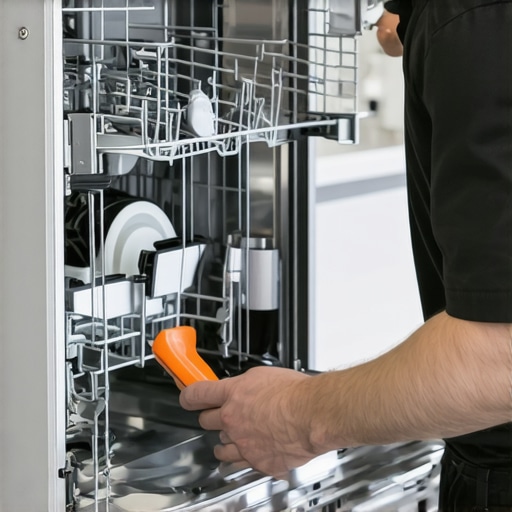
Smart Dishwasher Parts & Warranty: Expert Installation Strategies
Ever had that sinking feeling when your brand-new smart dishwasher…

Optimize Dishwasher Installation & Parts for Long-Lasting Trust in 2025
My Journey to Understanding Dishwasher Parts: A Personal PerspectiveWhen I…
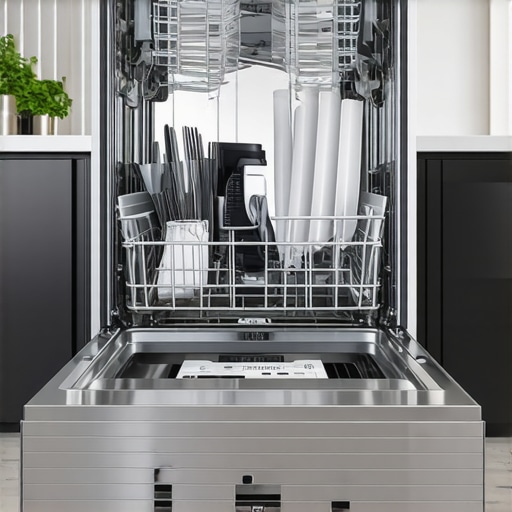
Best Parts & Installation Tips for Reliable Smart Dishwashers
Ever had that sinking feeling when your dishwasher suddenly stops…