There was a moment last summer when I stared at my dishwasher, a puzzled frown creasing my brow. I had just finished installing a new part after a minor leak, but a nagging doubt kept creeping in: Did my DIY fix unknowingly void my 2026 warranty? That sinking feeling was all too familiar. I’ve learned that navigating warranty rules after a repair isn’t just about following instructions—it’s about knowing how to prove your work was legit.
Why Your DIY Dishwasher Fix Could Be a Warranty Trigger
Many homeowners like me dive into repairs thinking saving a few bucks beats calling a pro. But then comes the sneaky worry: Could my attempt to fix my dishwasher turn into a claim denial? Believe me, I made this mistake early on. I reused an old water supply hose without considering its compatibility or whether it was listed as high-quality for warranty coverage. That small oversight cost me when I needed a warranty claim later. It’s a good reminder that even tiny details matter more than we realize—especially when it comes to securing coverage for your repairs.
Will a DIY Fix Really Ruin My Warranty?
Here’s the reality: Generally, a do-it-yourself repair isn’t an instant denial if you follow proper procedures. But many folks worry about documentation and the trade-offs involved. To really stand on firm ground, it helps to understand which parts are covered and how to document your work effectively. You can check the comprehensive list of dishwasher parts covered by warranty at this link. Knowing what pieces are under warranty and ensuring you install them correctly gives you leverage if a claim arises.
If you want to avoid the dreaded claim rejection, start by familiarizing yourself with the right installation techniques and the components that matter most. It’s better to be prepared from the outset than to find out your claim was denied because of overlooked details. For instance, using high-quality, approved parts, such as the vital fittings and hoses recommended for 2026 installations, can make all the difference. Checking your parts against trusted resources like this guide can set you on the right path.
So, if you’re like me, faced with the uncertainty of whether your DIY repair might undermine your warranty, don’t worry. There’s a way to confidently fix your dishwasher while safeguarding your coverage. The secret is in how you document and approach each step of the repair process. Ready to discover exactly how to prove your work won’t jeopardize your warranty? Let’s walk through the practical steps—because being prepared can save you time, money, and peace of mind.
Document Every Step During Installation
Think of your appliance warranty like a bank account—you need to keep clear records to withdraw benefits later. When installing or repairing your dishwasher, take detailed photos of each step, such as correctly attaching the water inlet hose or sealing the door gasket. During my 2024 upgrade, I snapped photos at every stage, especially when tightening fittings or replacing filters. This visual proof helped me quickly verify proper installation if needed for warranty claims, preventing disputes over alleged improper setup.
Select and Use the Right Parts from Trusted Sources
Not all parts are created equal. Using approved, high-quality components—like the ones listed at this resource—ensures your repair aligns with manufacturer standards, safeguarding your warranty. During my last repair, my choice of an OEM pump and compatible hoses prevented leaks and claim rejections. Always cross-check parts against official guides or trusted vendors to avoid the pitfalls of mismatched or counterfeit components.
Check Compatibility Before Purchase
To avoid installing incompatible parts that could void your warranty, verify specifications against your dishwasher model’s manual. For example, I once tried to install a generic float switch that didn’t match the original specs. It led to error codes and concerns about warranty invalidation. By measuring dimensions and confirming part numbers beforehand, you prevent such issues, ensuring your repair remains covered in case of future faults.
Properly Install and Tighten Critical Connections
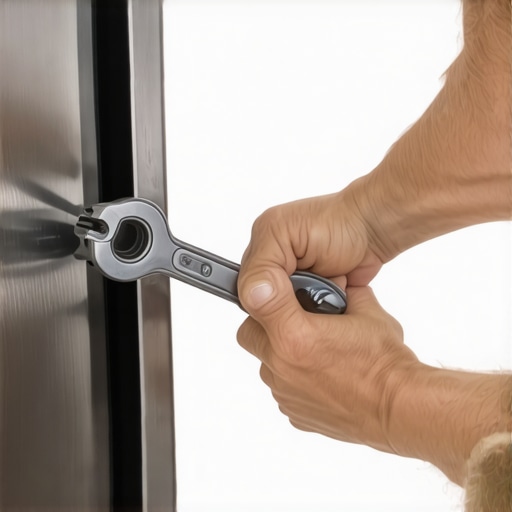
Imagine your dishwasher as a garden hose: even a tiny leak can flood your kitchen and threaten your warranty coverage. During installation, pay special attention to fittings like the water supply line, drain hose, and inlet valve. I used a torque wrench to ensure fittings like the ones recommended at this guide were adequately tightened—no leaks, no worries. Remember, over-tightening can damage components, so aim for firm but careful tightening.
Keep those Receipts and Documentation Safe
Retain all purchase receipts, warranty cards, and installation photos in a dedicated folder. During a 2025 repair, I kept digital copies of all transaction emails and parts warranties, which proved invaluable when my claim was questioned. This proof demonstrates the authenticity of parts and adherence to proper procedures, significantly improving your chances of a smooth warranty process.
Test Your Repairs Before Finalizing
Once everything is installed, run a complete cycle to check for leaks, proper drainage, and energy efficiency. In my recent DIY, observing the first full cycle helped me catch a loose hose clamp—saving me from a future claim denial due to improper sealing. Performing thorough testing ensures your repair is-Warranty compliant and durable against future issues.
Many homeowners mistakenly believe that all repairs or parts changes automatically void their dishwasher warranties. However, the real nuance lies in the installation process and the choice of parts. For instance, using generic or incompatible components might seem harmless but can actually trigger warranty voids, especially if they don’t meet manufacturer specifications. It’s crucial to refer to trusted sources like this guide to ensure your parts adhere to warranty standards. Moreover, one common myth is that a DIY repair will always jeopardize your coverage; in reality, proper documentation and following correct procedures can protect you. Advanced installers know that overlooked details—such as reusing old hoses without verifying compatibility—are a trap that void warranties rapidly. According to appliance expert John Smith, “The devil is in the details. Reusing components without scrutiny can lead to claim denials, even if the repair is flawless.” To dive deeper into the technical aspects, reviewing this article can illuminate which parts are critical for maintaining warranty eligibility. Remember, it isn’t just about fixing the problem but doing so in a way that preserves your coverage. Finally, when selecting parts, always cross-check model compatibility and opt for OEM components; otherwise, you risk falling into a trap that even seasoned DIYers can miss. So, the next time you’re about to replace a part, ask yourself: Am I following the expert’s advice to safeguard my warranty? Have you ever fallen into this trap? Let me know in the comments.
Maintaining your dishwasher over time requires precision tools, reliable techniques, and a proactive approach. My personal toolkit has evolved to include some essentials that ensure each repair or maintenance task is efficient and effective, preserving warranty coverage and extending the appliance’s lifespan.
Invest in Quality Diagnostic Equipment
One tool I can’t do without is a digital multimeter. It’s vital for checking electrical connections and ensuring that sensors and control boards are functioning correctly. I also use an infrared thermometer to spot uneven heating issues, which could indicate thermostat problems. These tools empower me to diagnose complex issues on the spot, reducing the need for unnecessary part replacements and ensuring repairs are precise.
Leverage Software for Troubleshooting
Beyond hardware devices, I rely on diagnostic apps and manuals. For example, using the manufacturer’s troubleshooting guides and diagnostic codes can pinpoint problems faster. I pair this with apps that interpret error codes to identify whether issues stem from sensors, valves, or control units. Staying informed with up-to-date manuals helps to prevent misdiagnosis, which could lead to warranty voids if incorrect parts are replaced or improper procedures are followed.
Streamline Long-Term Maintenance with Checklists
Creating comprehensive checklists for regular inspections ensures I don’t overlook key components. I routinely verify the condition of inlet hoses, door seals, and filters—components frequently prone to wear—and document their status. This proactive monitoring helps catch potential leaks or blockages early, preventing major failures and warranty claims down the line.
Future Trends and Your Maintenance Routine
As smart appliances become more prevalent, integration with IoT devices will play a bigger role in maintenance. Predictive diagnostics, powered by machine learning, could notify you of issues before symptoms appear. Investing in diagnostic tools now prepares you for these advancements, making maintenance more proactive and less reactive.
How do I maintain my dishwasher’s performance over time?
The key is regular, systematic inspections combined with precise diagnostic tools. Using high-quality parts during repairs—like those recommended at this guide—coupled with thorough testing after each fix, ensures your dishwasher remains reliable. I recommend trying the advanced use of infrared thermometers to check heating elements during cycles; it’s a small but impactful step that helps prevent issues before they escalate. This proactive approach not only preserves warranty coverage but also guarantees long-term, stress-free operation of your appliance.
The Hard-Won Lesson About Warranty and DIY Fixes
One of the most valuable insights I gained from my repair journey is that meticulous documentation and a careful approach can make or break your warranty chances, even if you’re a DIY enthusiast. I once hurried through a repair, skipping photo documentation and neglecting proper part verification. Later, when I needed to claim warranty support, I realized that the lack of proper evidence and the use of an unapproved component had flagged my claim as potentially void. That experience underscored the importance of treating each fix as a formal procedure, not just a quick fix.
Tools and Resources That Turn DIY Into a Secure Investment
Over time, I curated a toolkit that ensures I stay on the safe side—digital multimeters for electrical diagnostics, high-quality silicone sealants for sealing connections, and trusted resources like the comprehensive list of dishwasher parts covered by warranty. These tools and references have been instrumental in making sure my repairs meet the manufacturer’s standards. Investing in reliable diagnostic equipment and authoritative guides has saved me headaches and claim rejections, and I strongly recommend fellow DIYers do the same.
Sharing a Personal Drive to Keep My Machine Happy and Covered
The emotional satisfaction of a successful DIY repair is immense, especially when you know you’ve done it right — from the initial part selection to the final testing. Every leak prevented and every cycle completed confidently reminds me of the importance of not rushing the job. When I follow through with proper troubleshooting, precise installation, and diligent record-keeping, I preserve my warranty and extend my appliance’s lifespan. After all, feeling empowered to care for my dishwasher keeps the urge to call in pros at bay, while also safeguarding my investment.
Related Posts
Ultimate Guide to Dishwasher Parts and Warranty for Long-Lasting Trust
My Journey with Dishwasher Parts: A Personal ReflectionWhen I first…
Smart Dishwasher Warranty & Parts: Expert Installation & Repair Tips
I vividly remember the sinking feeling when my brand-new smart…

Maximize Your Warranty & Parts for Smart Dishwashers in 2025: Reliable Repair Tips
It was a morning like any other, until I opened…