
There I was, standing in my kitchen at 9:00 PM with a sink full of greasy lasagna pans and a dishwasher that might as well have been a decorative box. I reached into the cabinet, fumbled past the half-empty bottle of glass cleaner, and felt… nothing. Not a single pod left. My “smart” kitchen had failed me, or rather, I had failed to use the tech I paid for. It’s a gut-punch moment when you realize you have to hand-wash three days’ worth of dishes just because you forgot to add “detergent” to the grocery list. That night, I vowed it would be the last time I ever played the “is there soap?” lottery.
Give Your Kitchen a Brain with Automated Reordering
We buy these high-tech appliances thinking they’ll save us time, but often we just end up with a new smart machine that refuses to start without a nudge from our phones. The real magic happens when you stop managing the machine and let the machine manage itself. Today, I’m going to walk you through exactly how to sync your dishwasher’s app with services like Amazon or your manufacturer’s shop so that the soap arrives on your doorstep before you run out.I’ll be honest with you: I made a classic mistake when I first tried this. I assumed the app would just “know” how much I had left without me telling it. I didn’t realize I needed to calibrate the initial count. I spent three weeks getting notifications that I was “low” when I had a full bag. It was annoying, but once I figured out the best low-phosphate detergents to use and how to tell the app my starting inventory, it became seamless.
Is letting an app buy my soap actually worth the hassle?
You might be thinking this is just another way for big tech to get its hooks into your wallet. I get it. I’m usually the first person to roll my eyes at “convenience” features that take an hour to set up. But think about the mental load. According to data from Statista, the smart home market is projected to reach over 400 million active households by 2028, and replenishment services are a huge part of that growth because they actually work. It’s not just about the soap; it’s about one less thing to remember. Plus, you often get a discount for “subscribing” through these apps that you wouldn’t get at the local big-box store.Before we dive into the step-by-step setup, tell me: have you ever been halfway through a load only to realize your detergent pod is still whole because you didn’t have the right settings or, worse, you ran out entirely? It’s a common headache, but we’re going to fix it. Just make sure your smart dishwasher has a firmware update ready, as that’s often where the reordering bugs live. Let’s get your pantry on autopilot.First, you have to be honest with your machine. Most smart apps rely on a simple subtraction method: they assume one cycle equals one detergent pod. If you’re like me and occasionally throw in two pods for a particularly nasty pot, the math breaks. When I first set mine up, I didn’t count the loose ones at the bottom of the bag. The app thought I was empty while I still had a week’s worth of soap.
Count Your Pods Like They’re Gold Bars
Before you hit ‘enable’ on any reordering service, open your cabinet and count every single tab. This is your baseline. In the app—whether it’s Home Connect, Whirlpool, or LG ThinQ—look for the ‘Inventory’ or ‘Replenishment’ tab. You’ll find a field to enter your current stock. Think of this as the gas gauge for your kitchen. If the gauge is wrong, you’re going to end up stranded on the side of the road with a pile of dirty plates. I once entered 60 pods because I bought the jumbo pack, but my toddler ‘helped’ by tossing half of them into the dog’s water bowl (thankfully I caught him). I had to manually subtract 30 from the app immediately, or the whole system would have been off-sync for months.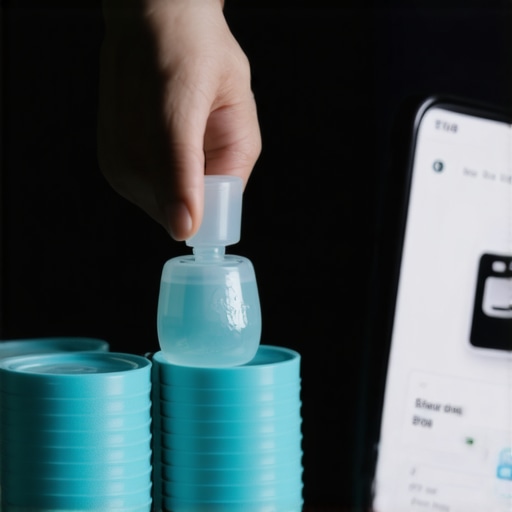
Connect Your Accounts Without the Headache
Once your count is accurate, you need to link the app to a fulfillment partner. Usually, this is Amazon or the manufacturer’s own storefront. If you find that your new smart dishwasher keeps disconnecting from Alexa, the reordering won’t trigger because the digital bridge is broken. Ensure your Wi-Fi signal is strong behind the kickplate. I once spent an hour troubleshooting a ‘failed order’ only to realize I had changed my Amazon password and forgotten to update it in the dishwasher app. It’s a small digital handshake, but if either hand is missing, the magic dies.
Keep the Hardware Happy So the Software Can Work
Automated ordering is useless if the machine itself is struggling. You might have all the soap in the world, but if your internal components are failing, you’re just stockpiling chemicals. I recommend doing a quick physical check of the essential parts every dishwasher owner should know about before trusting the automation. For instance, I noticed my app was reporting fewer cycles than I was actually running. The culprit? A sticky door latch that wasn’t registering when a cycle finished. If the app doesn’t know the door closed and a cycle started, it won’t subtract the pod.
Why a Clean Sensor Trumps a Smart App
If your machine can’t ‘see’ how dirty the dishes are because the turbidity sensor is filmed over with hard water, it might run longer, more intense cycles that use more rinse aid than necessary. It is vital to clean a clogged spray arm with a toothpick and check that the gaskets are tight to ensure the machine actually completes its cycle. Remember, the 5-part that prevents your kitchen floor from rotting—usually the main door seal—is more important than the Wi-Fi card. You can even handle some of these repairs yourself; check out the parts you can swap yourself without voiding your protection to keep your system running without a service call. Set your ‘low’ threshold carefully—if you live in a rural area, set it to ten pods instead of five to account for shipping delays.Once your shipping schedule is locked in, don’t make the mistake of thinking your machine’s health is guaranteed just because of a sticker on the front. I’ve seen it a thousand times: a homeowner points at the shiny ’10-year warranty’ logo on their Bosch or KitchenAid and thinks they’re set for a decade. But here is the nuance most people miss—those stickers usually cover just the part, not the labor or the service call. According to data from Consumer Reports, the average cost of a professional appliance repair can often exceed 50% of the price of a new machine within the first four years. If you’re paying $250 for a technician to install a ‘free’ $40 motor, did you really win? You need to know the truth about those 10-year motor stickers on the door before you decline the extended coverage or skip your own maintenance routines. 
Protect Your Wallet from the Labor Cost Trap
Then there is the ‘Oops’ factor of DIY. I love a good weekend project, but if you don’t know what your dishwasher warranty doesn’t cover and how to avoid fees, you’re playing a dangerous game. For instance, most policies have a ‘Hard Water Clause.’ If your heating element burns out because of calcium buildup, they’ll deny the claim faster than you can say ‘softener.’ This is why your warranty policy excludes damage from hard water scale—it’s considered a maintenance failure, not a manufacturing defect. Most people assume ‘broken’ means ‘covered,’ but in the eyes of a manufacturer, ‘neglected’ means ‘billable.’
Will using non-official parts cancel my coverage entirely?
This is the big one. Most people think they have to buy the expensive OEM gaskets or filters. While the Magnuson-Moss Warranty Act generally protects your right to use third-party components, there’s a major catch. If that $10 discount pump fails and floods your kitchen, the manufacturer is off the hook for any resulting damage to your floors. You should check the parts you can swap yourself without voiding your protection before you start tinkering with the internals. I’ve seen people lose out on a $1,200 replacement because they used a generic hose that didn’t meet the high-pressure specs of a modern machine.
Why Your Smart Tech Needs a Dedicated Circuit
Finally, don’t overlook the electrical nuances of a high-tech kitchen. Many modern smart units are incredibly sensitive to voltage fluctuations. This is why your professional installer requires a dedicated circuit. If you share a circuit with a microwave or toaster and the voltage dips during a wash cycle, it can fry the control board—a repair that is almost never covered under standard warranties because it’s considered an external ‘environmental’ factor. If you do get a denial, don’t just take it lying down; learn how to negotiate a denied warranty claim over water damage or electrical failure by keeping meticulous logs of your installation and maintenance. Have you ever fallen into this trap or had a claim denied for a silly reason? Let me know in the comments below.
Grab a Multimeter Before You Call the Repairman
I keep a $20 digital multimeter in my junk drawer, and it has saved me thousands. When your smart app throws an error code, don’t just panic—test the continuity of your parts. I personally use it to check the heating element and the inlet valve because if you can prove a part has no electrical path, you have undeniable evidence for a warranty claim. If you’re feeling tech-savvy, you can even learn how to use your smartphone to diagnose a failing motor by recording the frequency of the hum and comparing it to healthy units. It sounds overkill, but when a technician tries to tell you ‘it’s just normal noise,’ you’ll have the data to push back. I also recommend keeping a small stash of essentials; check out the replacement parts every dishwasher owner should keep on hand so you aren’t waiting ten days for a $5 shipping order.
How do I maintain my dishwasher’s performance over time?
The secret isn’t a fancy chemical; it is a simple maintenance log and a bag of citric acid. I set a recurring calendar alert every three months to perform a deep descale. This is critical because the NSF/ANSI Standard 184 for residential dishwashers requires a 99.999% reduction of bacteria, and that’s impossible to achieve if your internal tub is coated in scale that traps bio-film. If you don’t document these cleanings, you’re asking for trouble later. I’ve seen manufacturers deny expensive pump repairs simply because the owner couldn’t show they had maintained the unit. This is why your warranty claim fails without this specific maintenance log in your records. I prefer the eco-friendly way to descale your machine with citric acid because it’s effective without degrading the rubber gaskets that keep your kitchen dry. 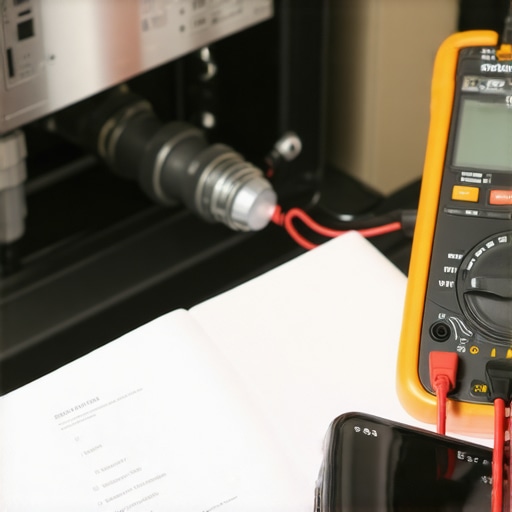
Test the Hardware Before the Software Fails You
Before you assume your motherboard is fried, perform a manual component test. I once thought my control board was toast, but after I learned how to test your water inlet valve for failure, I realized it was just a $15 solenoid problem. If you identify the issue early, you can often save the larger system from stress. For instance, a struggling motor draws more current, which eventually burns out the traces on your expensive smart board. If you do catch a failing pump early, you can often learn how to swap a noisy motor without removing the whole unit, saving you the nightmare of a full re-installation. Looking toward the future, I expect we will see ‘predictive failure’ sensors become standard. Imagine your app telling you that your drain pump’s vibration pattern has changed by 10% and suggesting a replacement *before* your kitchen floods. We aren’t quite there yet, but with a bit of proactive care, you can simulate that intelligence yourself. My biggest piece of advice? Go to your machine right now and find the critical reason to document your serial number before a repair. Having that number and a timestamped photo of your installation is the first step in winning the long-term maintenance game.
Hard Truths I Learned While Crawling Under the Kitchen Sink
I’ve spent more hours than I’d like to admit with a flashlight in my mouth, and if there is one thing I’ve realized, it’s that dishwasher installation isn’t just about the day you plug it in; it’s about the five years that follow. First, never ignore the small stuff. A tiny drip from a loose connection today is the reason you’ll be replacing subfloors tomorrow. I learned that understanding dishwasher parts is the only way to truly stay ahead of a breakdown. If you know what that humming sound means, you can fix it before the motor burns out.
Second, your warranty is only as strong as your paperwork. I used to throw manuals in the recycling, but now I keep a dedicated ‘Home Hub’ binder. I’ve discovered that maximizing your dishwashers warranty coverage today requires proof of maintenance. If the manufacturer can blame ‘user neglect’ because of hard water scale, they will. Lastly, don’t be a hero with generic parts. While I love a bargain, some components—like seals and high-pressure hoses—need to be exact matches or you risk voiding everything.
The Toolbox That Keeps My Kitchen Running Smoothly
If you want to move beyond just ‘getting by’ with your appliances, you need a few staples in your arsenal. I personally swear by these three resources:
- The Maintenance Log: It sounds boring, but a simple notebook where you record every descale and filter rinse is your best weapon against a denied warranty claim.
- Pure Citric Acid: I’ve tried the fancy commercial cleaners, but the eco-friendly way to descale your machine with citric acid is cheaper, safer for your gaskets, and incredibly effective at keeping your heating element bright and efficient.
- The ‘Just in Case’ Kit: You don’t need a warehouse, but having the replacement parts every dishwasher owner should keep on hand, like a spare rack wheel or a door seal, saves you from the 9:00 PM panic I experienced.
Mastering Your Machine One Cycle at a Time
At the end of the day, your smart dishwasher is there to serve you, not the other way around. By taking ten minutes to sync your soap reordering and another ten to check your filters, you’re buying yourself hours of peace later on. There is a real sense of satisfaction in knowing that your dishwasher installation is robust enough to handle whatever life throws at it—even a jumbo load of greasy lasagna pans. You’ve got the tools and the knowledge; now it’s just about staying consistent. Which part of your dishwasher’s maintenance routine do you find the most annoying to keep up with? Let me know in the comments below!
Related Posts
Why Modern Wash Arms Use Variable Speed Motors
It was a frustrating Saturday morning when I finally broke…
Why Your Smart Dishwasher Error Log Is Evidence for a Warranty Claim
It happened on a busy Tuesday morning—I watched my brand-new…

Why Your Touchscreen Controls Aren’t Responding to Your Finger
I'll never forget the moment I desperately tapped my dishwasher's…