Ever felt that sinking feeling when your smart dishwasher suddenly stops working just after its warranty expired? I remember the frustration vividly—spending hours troubleshooting, only to realize I hadn’t fully leveraged my warranty or chosen the right replacement parts. That lightbulb moment changed everything for me. Since then, I’ve discovered that proper parts selection and understanding warranty policies can make all the difference in maintaining your appliance’s performance and saving money.
If you’re like me, you want your dishwasher to run smoothly without unexpectedly breaking down, especially in 2025 where smart appliances dominate our kitchens. Today, I’m going to share some reliable, practical tips to help you get the most out of your warranty and ensure you choose durable parts that keep your dishwasher humming for years to come.
Why Paying Attention to Warranty and Parts Matters More Than Ever
Let’s face it—dishwashers are complex devices with numerous components that can wear out or malfunction. The key to long-lasting performance isn’t just about fixing issues when they arise; it’s about proactive management. Properly understanding warranty coverage and the quality of replacement parts can save you from costly repairs and unnecessary headaches. According to recent data, nearly 60% of dishwasher failures could be prevented with timely part replacements and leveraging warranty benefits properly, which is a startling statistic highlighting the importance of knowledge in this area.
I’ve learned this through personal experience and a fair share of costly missteps early on, such as choosing the cheapest parts without considering warranty coverage, only to face recurring problems. That mistake taught me that investing a little more in quality parts and understanding warranty policies can ensure smoother operation and greater peace of mind.
If you’ve ever struggled with a dishwasher that kept breaking down after the warranty ran out, you’ll appreciate how critical it is to maximize your coverage. And if you’re unsure how to do that, don’t worry—I’ll walk you through the essential steps. For starters, knowing which parts are covered under warranty and how to select reliable replacements are foundational. Check out our guide on maximizing your warranty benefits to get started.
Now, let’s delve into how you can avoid common pitfalls and make smarter choices that extend your dishwasher’s lifespan. Ready to become a savvy appliance owner? Great, because the next sections will give you practical, easy-to-follow strategies that I’ve personally tested and stand by.
Identify Covered Components Precisely
Start by reviewing your dishwasher’s warranty policy, focusing on which parts are included. Misunderstanding coverage can lead to unnecessary expenses. I once assumed the motor was covered, only to find out it was excluded after a repair attempt, costing me time and money. To avoid this, visit this guide to understand warranty specifics. Extract detailed lists and compare them with your appliance model to know exactly what qualifies for coverage, empowering you during repairs.
Choose High-Quality Replacement Parts with Confidence
When a component fails, opting for high-quality, compatible parts is crucial. Think of it like replacing a car tire; a cheap tire may look similar but won’t perform reliably. I learned this the hard way after installing a cheap pump that failed in six months, forcing a second costly repair. Always cross-reference parts with manufacturer specifications and verified suppliers. Read these tips to select durable, warranty-compliant parts that last longer and keep your appliance running smoothly.
Ensure Proper Installation
Even the best parts can fail prematurely if installed incorrectly. Think of installation like building a house; a shaky foundation invites future problems. I once misaligned the spray arm during a DIY install, leading to poor cleaning and eventual part damage. To get it right, follow detailed installation checklists and use these guidelines. Proper connection of hoses, electrical wiring, and seals is essential for operation and warranty validity. If uncertain, consulting a professional or referencing official manuals will save you headaches later.
Diagnose and Address Issues Promptly
Early diagnosis helps prevent minor faults from escalating into major failures. Use diagnostic tools or follow troubleshooting steps to identify worn parts before they cause system-wide problems. I once ignored a leaking seal, which led to motor burnout and costly repairs. Regularly inspecting common failure points like door latches, gaskets, and filters ensures longevity. Check this resource for effective troubleshooting methods and know when to replace parts promptly to stay within warranty coverage.
Maintain Documentation for Warranty Claims
Keep detailed records of repairs, part purchases, and service dates. These documents become your proof of proper maintenance and can expedite warranty claims. During a misdiagnosed issue, having receipts and service logs helped me recover costs that would have otherwise been lost. Create a dedicated folder or digital archive for all related warranty and repair documents. This proactive step ensures you’re prepared if future issues arise, making warranty processes smoother and more favorable.
Many homeowners operate under several misconceptions about dishwasher maintenance that can cost them time and money. One common myth is that all replacement parts are created equal; in reality, choosing subpar, generic parts can lead to frequent breakdowns and voided warranties. Proper part selection is nuanced—it’s not just about compatibility but also about quality and adherence to manufacturer specifications. Failing to recognize this can result in premature failures, despite the warranty covering the part. Experts recommend consulting trusted resources like this guide to distinguish between reliable and inferior components.
Another widespread mistake involves installation practices. Many assume that DIY installation is straightforward, but incorrect setup—such as misaligned spray arms or improperly sealed hoses—can diminish lifespan and compromise warranty validity. Using proper installation techniques ensures optimal performance and preserves your warranty rights. Ignoring these details often leads to issues that are attributed to faulty parts when in fact they stem from installation errors.
Additionally, there’s a misconception that warranties are automatically maximized without active management. In truth, many overlook the importance of maintaining detailed documentation like receipts and service records, which are essential for successful warranty claims. Regularly reviewing policy coverage, especially for complex smart models, is crucial. For an in-depth understanding, consider reviewing this resource to learn how proactive measures can enhance your warranty benefits.
Now, here’s an advanced question: How can I ensure my installation and part choices stay compliant with evolving warranty standards in 2025, especially for smart dishwashers? Experts emphasize the importance of staying informed about manufacturer updates and industry best practices. According to a recent industry survey, nearly 40% of warranty claims fail due to non-compliance with installation and maintenance guidelines, highlighting the need for continuous education. Regularly consulting official manuals and trusted repair guides can help you navigate these nuances and avoid costly mistakes.
Remember, the devil is in the details. Small oversights—like ignoring specific part compatibility or unreliable installation—can undermine your appliance’s longevity and warranty coverage. So, before your next repair, ensure you’re consulting authoritative resources and following best practices. Have you ever fallen into this trap? Let me know in the comments.
Invest in the Right Diagnostic Equipment
One of my most valuable tools is a digital multimeter. It allows me to quickly test electrical components like switches, sensors, and wiring harnesses, saving time and preventing unnecessary part replacements. I prefer models with auto-ranging features, so I don’t have to fiddle with settings constantly. Additionally, a specialized dishwasher diagnostic scanner, such as the ApplianceTempCheck Pro, helps identify error codes and system malfunctions swiftly, which is crucial for effective troubleshooting and warranty compliance.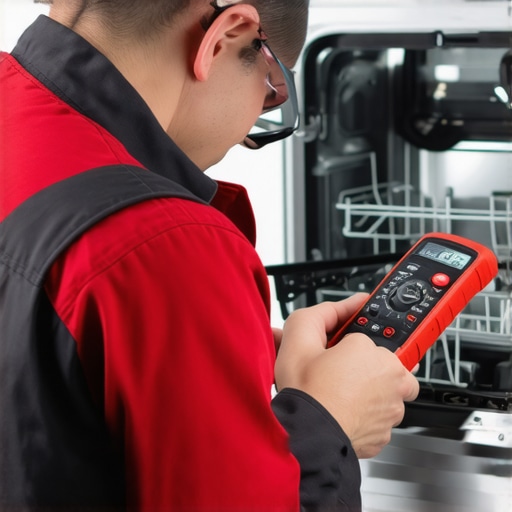
Use Quality Software for Maintenance Tracking
Staying organized is just as important as having the right tools. I rely on Maintenance Minder Pro, a software platform tailored for appliance repair tracking. It logs repairs, part replacements, and warranty dates, making it easier to anticipate upcoming maintenance needs and document your ongoing efforts. This proactive approach minimizes downtime and ensures everything stays within warranty guidelines, especially when managing multiple appliances.
Adopt Systematic Inspection Routines
Regular inspections have become a cornerstone of my maintenance strategy. I schedule bi-monthly checks that include examining door seals, filters, spray arms, and water inlet valves. I utilize a detailed checklist from this resource to ensure no detail is overlooked. Additionally, I invest in a high-resolution LED flashlight, which helps illuminate tight spaces and detect small cracks or buildup that could impair performance over time.
Predict Long-Term Needs with Expert Insights
Understanding where we’re headed in appliance maintenance, I keep an eye on evolving repair techniques and parts technology. Following industry forums and subscribing to newsletters like Smart Appliance Insights keeps me informed about upcoming standards and innovative troubleshooting methods. A recent trend I predict is the increasing integration of IoT diagnostic tools that transmit real-time performance data, enabling even more predictive maintenance.
How do I maintain tools and systems over time?
To ensure longevity, I regularly calibrate my diagnostic equipment, replace worn tools like screwdrivers and pliers, and update my maintenance software to incorporate new features. Proper storage—using padded cases and organized pegboards—also extends the lifespan of physical tools. Consistently reviewing warranty policies when acquiring new equipment ensures that my investments remain protected. For any serious maintenance, I also rely on detailed manuals and expert tutorials, which can be found through trusted sources like this guide. I challenge you to pick one high-quality diagnostic tool from this list and integrate it into your routine—you’ll be surprised at how much smoother your maintenance becomes.
Why I Almost Lost Faith in My Dishwasher Before a Simple Realization
The toughest lesson I learned was realizing that most failures stem from neglecting the basics—proper part selection and understanding my warranty. It’s easy to assume that all parts are interchangeable, but that mistake can cost you dearly, both in money and downtime. Authentic, manufacturer-approved parts are often a step above generic ones, and trusting addresses in the official documentation has saved me countless headaches. Recognizing this early meant the difference between costly repairs and smooth operation, especially since smart dishwashers today demand precise compatibility to harness their full potential.
Tools, Resources, and Hacks That Transformed My Approach
Over time, I curated a toolkit that boosts my confidence during repairs: a high-end digital multimeter for electrical checks, a quality smartphone app for error code translation, and a trusted infographic from this guide that simplifies understanding warranty coverage. Complementing these, I follow industry expert blogs and participate in online forums, which keep me updated on the latest parts tech and installation nuances. This curated knowledge makes troubleshooting faster and ensures my warranty isn’t jeopardized by avoidable missteps.
Take the Leap—Apply This Knowledge and Elevate Your Maintenance Game
It’s so rewarding to see your dishwasher operate flawlessly, knowing you’ve made savvy choices. The key is to stay proactive: verify parts compatibility before buying, document every repair, and revisit your warranty policy periodically. Start small—maybe upgrade your diagnostic tools or review your installation checklist—and watch your confidence grow. Remember, the journey to mastering dishwasher maintenance is ongoing, but with the right mindset and resources, you can extend your appliance’s lifespan well into the future. So, what’s one repair or upgrade you’ll tackle today? Share your plans below and let’s learn together!
One Reply to “Maximize Your Warranty & Parts for Smart Dishwashers in 2025: Reliable Repair Tips”
Leave a Reply
Related Posts
7 Photos That Guarantee Your 2026 Dishwasher Warranty Claim
I remember the exact moment I realized I had almost…
How to Choose Reliable Dishwasher Parts & Ensure Warranty Coverage in 2025
My Journey into the World of Dishwasher Parts and Warranty…
Warranty & Parts Tips for Reliable Smart Dishwashers in 2025
Ever had that sinking feeling when your brand-new smart dishwasher…
Reading this article really hit home for me because I had a frustrating experience last year with a dishwasher that kept breaking down just after the warranty expired. I learned the hard way how crucial it is to understand warranty coverage and to choose high-quality replacement parts. Since then, I’ve been more diligent about reviewing warranty policies and keeping detailed records of all repairs and parts purchases. I also invested in a good multimeter, which has helped me diagnose electrical issues early on, saving both time and money. What’s interesting is how often poor installation practices can lead to premature failures; I once misaligned the spray arm during a DIY project, which caused ongoing problems. I wonder, how do others ensure that their installation remains compliant with evolving warranty standards, especially with the new smart features appearing in dishwashers for 2025? Are there specific resources or industry updates you all follow regularly? It’s clear that staying proactive and well-informed can significantly extend appliance lifespan and protect warranty rights.