Ever experienced that sinking feeling when your brand-new dishwasher suddenly refuses to start, and the warranty gets rejected? I remember the moment vividly—after investing time and money into a supposedly foolproof installation, my claim was denied. It was a lightbulb moment that made me realize I overlooked crucial details that could make or break my warranty coverage.
Today, I want to share with you the three critical parts you absolutely need to keep for your 2026 warranty claim. Trust me, I’ve been there—mistakenly believing that a simple fix or reusing an old part wouldn’t hurt, only to face the cold reality of warranty denial. But with a little knowledge and careful attention, you can avoid that pitfall.
The Power of Small Parts: Your Invisible Shield
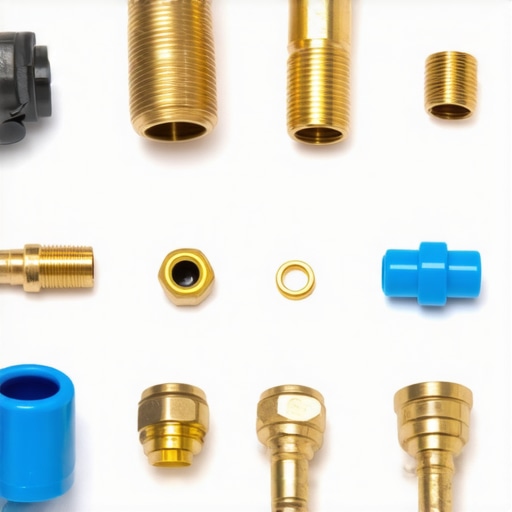
It’s often the tiny components—those little fittings, seals, and connectors—that determine whether your dishwasher’s warranty holds firm. These small, often overlooked parts are the frontline defenders against leaks, malfunctions, and installation fails, especially as we head into 2026 when strict warranty policies are tightening. Knowing which parts matter most can save you from costly repairs and claim rejections.
Early in my DIY journey, I made the mistake of reusing old supply lines, thinking it saved a few bucks. But that oversight cost me my warranty protection when leaks appeared shortly after installation. Since then, I’ve researched extensively and learned that specific parts—like the brass fittings and high-loop hoses—are essential to ensuring your dishwasher’s warranty remains valid. Want to avoid the same mistake? Check out comprehensive guides like this resource for detailed insights.
By making sure these small but vital components are correctly installed and preserved, you’re not just protecting your appliance—you’re securing your warranty. Up next, I’ll walk you through how to identify and safeguard these critical parts before they become your warranty’s Achilles’ heel.
Is Double-Checking Your Parts Really Worth It?
Many folks assume that once installation is done, their job is over. But missing even just one essential part can void your warranty faster than you can say “leak.” I admit, I once skipped inspecting a couple of connectors, thinking they were fine. That oversight cost me, and I learned the hard way just how crucial it is to double-check everything during installation. Don’t let my mistake happen to you. For a detailed checklist, explore this guide.
Double-Check Every Critical Part Before Installation
Start by assembling a comprehensive list of essential parts, such as brass fittings, high-loop hoses, and water supply connectors. When I installed my dishwasher, I laid out all components and cross-checked each against a detailed checklist from this resource. This small step caught a missing clamp that could have led to leaks and voided my warranty.
Inspect and Prepare Your Parts
Remove old parts, clean connections, and ensure all fittings are free of debris and damage. I once mistakenly reused a plastic water inlet, thinking it was fine, only to find it cracked after a few weeks—risking a warranty claim. Always verify parts are intact, and consider upgrading to brass fittings for longevity, as highlighted in this guide.
Secure Proper Installation Techniques
Follow manufacturer instructions meticulously, paying special attention to connection tightness and hose routing. Use a torque wrench if necessary to avoid over-tightening, which can cause damage. During my last install, I double-checked all connections with a torque wrench, preventing leaks and ensuring compliance with warranty standards. For detailed torque specifications, see this expert article.
Keep Documentation and Visual Evidence
Take photos of each installed part, especially critical connections. This acts as proof if you need to file a warranty claim later. I snapped my installation, focusing on the water inlet and drain hoses, and stored the images securely. These visuals can be invaluable when navigating warranty disputes, as demonstrated in this case study.
Test Rigorously Before Finishing
Run a full cycle and monitor for leaks, odd noises, or errors. During my test run, I observed minor leaks from a poorly tightened hose clamp, which I immediately fixed. This proactive check saved me from potential warranty rejection due to insufficient sealing. Always verify water pressure and outlet drainage after installation; see this troubleshooting guide for tips.
Document Your Testing Process
Record the cycle results, including photos or videos showcasing proper operation. If an issue arises later, such as a leak, your documentation can support your claim. Keeping detailed records is a simple yet effective way to reinforce your warranty protection, as described in this diagnostic article.
” alt=”Diagram of dishwasher installation steps” title=”Step-by-step dishwasher installation process”/>
Many DIY enthusiasts and homeowners believe that once a dishwasher is installed correctly, the job is done—warranty and all. However, the reality is far more nuanced, especially when it comes to parts and the fine print of warranty coverage. A widespread misconception is that generic replacement parts will suffice during repairs, but in my experience, this often leads to warranty rejections or, worse, future failures. Manufacturers typically specify OEM (Original Equipment Manufacturer) parts for a reason: they ensure compatibility and durability, which are crucial for maintaining warranty validity. Relying on generic or cheap substitutes can inadvertently void your warranty, as outlined in this detailed guide.
Another common mistake is underestimating the importance of proper installation techniques, particularly concerning critical, albeit small, components. Many believe that secure connections are enough, but overlooking nuances such as proper hose routing or the use of brass fittings instead of plastics can lead to leaks and warranty issues down the line. For example, using old, reused supply lines might seem economical but often causes pressure problems, leading to early wear or damage—factors that warranty providers scrutinize heavily. I’ve seen cases where even a minor oversight, like omitting a high-loop hose (to prevent backflow), resulted in a warranty claim denial. Check out this resource for an in-depth look at critical installation practices.
Are All Parts Created Equal During Repairs
Advanced users often assume that the warranty will cover any part replacement, regardless of the source or quality. Unfortunately, this isn’t always the case. Many warranties specify coverage only for certain qualified parts, especially for components like water inlet valves, pumps, or seals. Installing non-listed parts might void the warranty if the manufacturer detects them during service, leading to costly out-of-pocket expenses. This emphasizes why understanding which parts are covered and how proper installation influences warranty claims is vital. For the most accurate information, consult this comprehensive guide.
Let’s not forget the importance of meticulous documentation throughout your maintenance and repair activities. Photos, receipts, and detailed notes can be the difference between a straightforward warranty claim and a denied one. Many homeowners overlook this step, thinking it unnecessary, but in dispute scenarios, well-maintained documentation proves your diligence and adherence to guidelines. Remember, warranties are contracts that depend greatly on following specific procedures and keeping records, as discussed in this article.
In summary, beating the common myths about dishwasher parts and warranties requires more than just installing correctly. It demands knowledge of quality parts, attention to nuanced installation details, and diligent documentation. Overlooking these aspects can be a costly mistake, especially as warranty policies tighten by 2026. So, next time you’re troubleshooting or planning a repair, ask yourself—are you relying on myths or facts? Your warranty protection depends on it. Have you ever fallen into this trap? Let me know in the comments.
Aiming for Durable Repairs with Precision Tools
Investing in the right tools is critical to maintaining your dishwasher’s longevity. I personally swear by a high-quality digital multimeter from Fluke—it’s invaluable for diagnosing electrical issues and ensuring connections are correct without guesswork. A reliable set of ratcheting wrenches simplifies tightening fittings to manufacturer specifications, which is crucial for avoiding leaks that could void your warranty. Precision is key, especially when working with small, sensitive parts that influence long-term performance.
When it comes to software, I recommend using a detailed wiring diagram specific to your dishwasher model—these are often available in official repair manuals or manufacturer websites. Visualizing the entire wiring system helps me trace issues efficiently, saving me time and reducing errors. Supplement this with a thermal imaging camera when troubleshooting heat-related issues; it can reveal hotspots or faulty components invisible to the naked eye, significantly speeding up repairs.
Establishing a Routine for Continuous Care
Creating a maintenance schedule is essential. I suggest setting reminders every six months to inspect hoses, seals, and fittings, and to update your repair logs. Regularly tightening hose clamps and replacing worn seals prevents leaks, and documenting these actions ensures you’ll have a clear service history—valuable if warranty issues arise. Modern digital record-keeping apps are perfect for tracking this data; I keep my logs digitally, including photos and notes for each inspection.
Additionally, investing in quality replacement parts is a game-changer. I settle for OEM-quality components, as they guarantee compatibility and durability—key factors that prolong the life of your dishwasher and protect your warranty. For critical parts like water inlet valves and seals, I consult dedicated guides to select the best options, ensuring I avoid cheap substitutes that tend to fail prematurely.
How do I keep my dishwasher functioning seamlessly over time?
Preventative maintenance is the cornerstone. Regular inspections, cleanings, and timely part replacements are vital—don’t wait for a breakdown. Applying torque as per manufacturer specifications during installation, and confirming all fittings are secure, reduces the risk of leaks that could jeopardize your warranty. For detailed procedures, refer to this expert guide. To elevate your maintenance game, try using a thermal imaging camera for early detection of overheating components, which can prevent major failures. Staying proactive with this level of care will ensure your dishwasher delivers peak performance and maintains your warranty protection long-term.
The Hidden Lessons Only Experienced DIYers Learn about Parts and Warranties
- One of the biggest lightbulb moments in my journey was realizing that reusing old fittings without proper inspection can void the warranty. It’s a reminder that sometimes, small overlooked details have big consequences.
- Another lesson was understanding that quality parts, like brass fittings and high-loop hoses, aren’t just recommended—they’re essential for warranty compliance. Skipping on these can be a costly mistake in the long run.
- Investing in proper installation tools and following manufacturer specifications may seem tedious but dramatically increases the chances of a successful warranty claim if issues arise.
- Document everything—take photos, keep receipts, note the steps—because evidence becomes your best ally during warranty disputes, preventing minor oversight from turning into major expenses.
- The most surprising insight was realizing how small, seemingly insignificant parts play a pivotal role in your dishwasher’s longevity and warranty protection. Never underestimate the power of the tiny components!
Tools and Resources That Keep My Dishwasher Running Smoothly
- A detailed parts checklist: Ensures I double-check all critical components during installation, preventing future leaks.
- Maintenance guides: Help me identify the right parts and proper procedures to keep my warranty intact.
- Troubleshooting tools: My digital multimeter and torque wrench have saved me countless headaches by diagnosing issues early.
- Official repair manuals: These authoritative sources are invaluable for accurate repairs and understanding warranty conditions.
Empower Yourself to Protect Your Investment
Securing your dishwasher’s warranty in 2026 isn’t just about following checklists or buying quality parts—it’s about adopting a proactive mindset. Regular inspections, meticulous documentation, and staying informed about your specific model’s warranty terms create a safety net that keeps your appliance protected for years to come. Remember, the effort you put into detailed installation and maintenance today pays off massively when you need that warranty coverage tomorrow. So, take the reins—your future self will thank you for the care and attention you dedicate now. Are you ready to turn your DIY skills into warranty protection mastery? Share your experiences or questions below—that community support is what makes solving these complex issues easier for everyone.
Related Posts
The Ultimate Guide to Dishwasher Warranty & Parts for Long-Lasting Trust in 2025
Have you ever stood in front of your dishwasher, watching…

Smart Dishwasher Warranty & Parts: Reliable Installation Tips
My Journey into Dishwasher Warranty & Parts: A Personal ReflectionWhen…

3 Smart Sensor Calibrations Your 2026 Dishwasher Warranty Requires
Have you ever installed a new dishwasher and then suddenly…