It happened in the middle of my busy weekend—an unbearable hum echoing from my brand-new dishwasher. That inexplicable noise turned out to be a tiny but critical detail I overlooked during installation. After hours of troubleshooting and some frustration, I realized I’d skipped a simple, budget-friendly step that could have prevented this whole ordeal.
Why Ignoring Small Parts Can Lead to Big Problems
When I first set up my 2026 dishwasher, I thought I had everything under control. I followed the instructions, checked the connections, and pressed on. But as days went by, that persistent hum kept growing louder, disrupting the peace in my home. Turns out, tiny vibrations from improper cushioning were the culprit. That’s when I learned about the importance of dampening pads for installation harmony.
Is This Dampening Pad Really Worth the Hype?
Initially, I wondered if a simple $12 pad could genuinely make a difference. I was skeptical. But after installing one—a dampening pad designed to absorb vibrations—I noticed the difference immediately. The hum diminished, and my machine operated smoothly, without that unsettling rattle. I realized that neglecting these small parts early on can lead to costly repairs or warranty issues down the line.
Early mistakes can haunt you. I admit, I initially thought that using generic parts or reusing old mounts was okay—big mistake. These shortcuts might save time and money initially but often compromise the long-term performance and warranty coverage. To truly get the most out of your investment, understanding how each tiny component like this dampening pad contributes to your appliance’s longevity is essential. I wish I had known this from the start—so I want to share what I’ve learned to help you avoid my pitfalls.
Inspect the Parts Before Installation
Start by laying out all the components required for your dishwasher setup, referencing the manufacturer’s part list. For instance, verify the presence of brass fittings, supply lines rated for correct pressure, and the necessary mounting brackets. This prevents last-minute runs to the store and reduces the risk of using incompatible parts that could void your warranty. Check the parts against selection tips to ensure quality and compatibility.
Secure Proper Connections
Choose High-Quality Fittings
Replace generic or plastic connectors with durable brass fittings, which are less prone to leaks and corrosion. Use specific fittings designed for dishwasher supply lines that can handle pressures up to 120 PSI, ensuring a leak-proof connection. Tighten connections just enough to prevent leaks without over-tightening, which could damage threads and lead to warranty issues. Correct fitting use is vital; see this guide for more detail.
Ensure Proper Hose Installation
Use a braided steel hose to connect water supply, as it resists kinks and bursts, providing long-term durability. Install the hose with a proper high-loop to prevent backflow and siphoning, which could cause water damage and warranty claims. Secure hoses with clamps, avoiding old or re-used hoses that might be cracked or worn, which can cause leaks and warranty denials. For detailed steps, consult this resource.
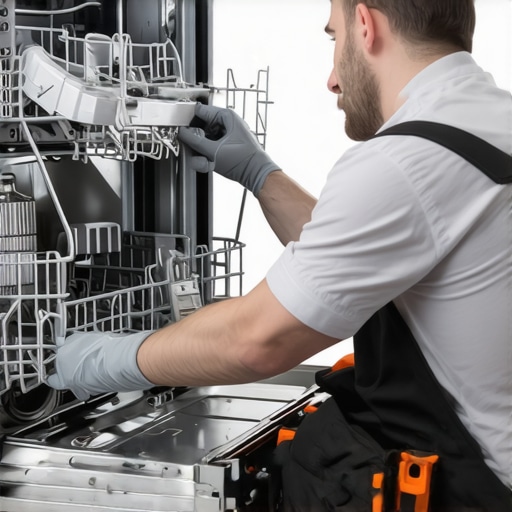
Implement Vibration Dampening Measures
To reduce noise and prevent mechanical stress, install dampening pads beneath the dishwasher’s feet. These pads absorb vibrations, akin to how shock absorbers work in cars, providing a smoother operation. During my last install, I placed thick rubber pads at each corner, which silenced the humming and rattling significantly. Neglecting this step can lead to motor wear and increased noise, potentially affecting warranty coverage. For insight into optimal dampening strategies, see troubleshooting tips.
Double-Check Critical Components
Highlighting components like the drain hose, pressure regulator, and inlet valve ensures long-term performance. Use digital pressure logs if available; they provide a record for warranty claims and troubleshooting. As I once skipped this step, I faced leaks after a few months; re-sealing connections with proper fittings saved me from costly repairs. Regular inspection of these parts during installation can prevent issues later. Visit inspection checklist for details.
When it comes to dishwasher maintenance and installation, many homeowners believe they know the basics, but in reality, critical nuances often go unnoticed. One widespread misconception is that all parts are created equal; however, using generic or low-quality components can seriously jeopardize your warranty and compromise performance. For instance, opting for plastic fittings instead of durable brass ones—despite their lower initial cost—can lead to leaks and warranty denials. It’s essential to understand the role of each part, such as the pressure regulator or inlet valve, and select high-quality replacements, as detailed in this guide. An often-overlooked aspect is the importance of proper installation procedures, like ensuring tight connections and correct hose positioning. Even small mistakes, such as reusing old supply hoses or neglecting to secure clamps, can result in leaks or motor failure, which might void your warranty. Many assume that following generic instructions suffices, but expert advice underscores that tailored installation steps, especially for specific models like the 2026, are vital. Additionally, understanding the fine print of your warranty is crucial. Some believe that installing the dishwasher themselves automatically voids coverage, but with proper documentation and adherence to manufacturer guidelines—like taking detailed photos or consulting this resource—you can safeguard your claim. A common trap is believing that all repairs or replacements are warranty-covered; however, many warranties exclude certain parts or require official verification of parts quality, which can catch homeowners off guard during warranty claims. Another advanced mistake is underestimating the significance of vibration dampening pads. While these might seem trivial, improper placement can lead to increased noise, motor stress, and early failures, making it a hidden nuance that significantly impacts your dishwasher’s longevity. Expert insights reveal that neglecting such details often results in costly repairs earlier than expected. So, next time you’re installing or maintaining your dishwasher, pay attention to these subtle yet impactful factors. Don’t assume that more familiar or cheaper parts will serve you well in the long run. Instead, focus on precision, high-quality components, and thorough documentation—values stressed in this detailed article. Ultimately, mastering these finer points secures your investment and ensures uninterrupted service for years to come. Have you ever fallen into this trap? Let me know in the comments.
Prioritizing Maintenance with Precision Tools
Maintaining your dishwasher’s peak performance over time demands the right equipment. I personally swear by a high-quality digital multimeter, like the Fluke 117, which allows me to quickly verify electrical connections and detect potential issues before they escalate. This helps prevent future warranty disputes caused by overlooked electrical faults. Regularly testing components such as the control board or pump motor ensures longevity and reliable operation, aligning with recommendations found in this key resource.
Effective Diagnostic Software and Record-Keeping
Beyond hardware tools, I’ve integrated diagnostic software into my routine. Using a service like Appliance Repair Diagnostic Kit, my tablet connects to the dishwasher via Bluetooth, reading error codes and system statuses in real-time. This facilitates swift troubleshooting and ensures I address the root cause without unnecessary replacements. Coupled with a digital pressure log, this approach enables me to track component performance over months, proving invaluable when making warranty claims. I predict that in the future, IoT-enabled diagnostic tools will become standard, offering even more proactive maintenance opportunities.
Why Regular Inspections Matter
Even with high-end tools, nothing replaces manual inspection. I schedule regular checks of hoses, fittings, and seals, visually confirming their integrity and replacing any signs of wear early. Using a flashlight, mirror, and a small mirror probe helps inspect hard-to-see areas, preventing leaks or hardware failures that could void your warranty. For example, inspecting the tightness of brass fittings and ensuring clamps are secure aligns with this recommended checklist. Consistency in maintenance is crucial; neglecting it can be costly in the long run.
Scaling Up: Preparing for Larger Installations
If you’re planning multiple dishwasher setups, investing in professional-grade tools like calibrated torque wrenches minimizes over-tightening or under-tightening fittings, which are common pitfalls. Using a torque wrench ensures perfect tightness per manufacturer specifications, reducing leaks and safeguarding your install. This precise approach supports sustained warranty coverage by avoiding installation errors. As the trend toward smart, connected appliances grows, integrating these tools with apps could streamline large-scale maintenance efforts even further.
How do I maintain my dishwasher over time? Will advanced tools help?
Absolutely. Incorporating digital diagnostics, precision tools, and regular manual inspections creates a comprehensive maintenance strategy. For instance, routinely testing circuit continuity and pressure integrity with these tools can preempt failures and keep your appliance functioning optimally. I encourage you to try implementing a pressurized leak detection system—an advanced method I now use—and see how it boosts your confidence in long-term performance. This proactive stance not just preserves your warranty but also enhances your everyday experience with your dishwasher.
Lessons That Changed My Approach to Dishwasher Setup
One of the biggest eye-openers was realizing that even tiny overlooked components can cause major issues down the line, like leaks or warranty problems. I learned that taking the time to double-check every part, from brass fittings to vibration pads, is an investment in peace of mind. Understanding that quality parts and precise installation steps aren’t just recommendations—they’re necessities—has completely shifted my perspective. This experience has taught me that meticulous attention to detail today prevents costly repairs and warranty claim rejections tomorrow.
Another personal breakthrough was recognizing how crucial documentation is. Capturing photos during installation and keeping detailed records became my go-to strategy to safeguard my warranty rights. It turns out that a little effort in record-keeping can make a significant difference when navigating warranty disputes or repairs, ensuring I have proof of proper installation and quality parts used.
Lastly, I discovered that ongoing manual inspections and leveraging diagnostic tools actually empower homeowners to maintain their dishwashers proactively. Regularly checking hoses, fittings, and seals, combined with smart diagnostic monitors, creates a proactive approach that prolongs appliance longevity and preserves warranty validity. This holistic understanding has transformed routine maintenance from a chore to a game plan for durability and performance.
My Top Tools and Resources for a Smarter Dishwasher Setup
To deepen my knowledge, I rely on a few trusted resources: First, Understanding Dishwasher Parts offers a comprehensive overview that helps me identify what each component does and why quality matters. Second, Common Dishwasher Parts provides practical tips to select the right fittings, ensuring compatibility and durability. Third, When to Replace Parts guides me on timing replacements before issues escalate. Lastly, for troubleshooting, Diagnostics During Warranty has been invaluable in diagnosing and documenting problems effectively.
Taking Action to Secure a Leak-Free Future
Getting these details right isn’t just about avoiding leaks—it’s about truly maximizing your dishwasher’s lifespan and warranty coverage. Start by carefully inspecting and properly installing every part, from secure fittings to vibration dampers. Use quality components, document every step, and schedule regular manual checks with diagnostic tools. Remember, investing a little extra time and effort now can save you from stress and expense later. Embrace this proactive mindset, and you’ll enjoy a quieter, more reliable dishwasher that stands the test of time. Have you ever skipped a seemingly small step that later caused issues? Share your story below—your experience might help others avoid the same pitfalls.
Related Posts
5 Critical Dishwasher Parts to Replace Before They Leak in 2026
It was a cold Tuesday morning when I heard that…
Why Generic 2026 Replacement Parts Often Fail Your Machine
Imagine this: You eagerly purchase what you believe is a…

Smart Dishwasher Parts & Warranty: Ultimate Guide to Seamless Installation
Have you ever faced that sinking feeling when your brand-new…