Ever felt that sinking feeling when, just days after installing your new dishwasher, you notice a small but persistent leak? I remember my own lightbulb moment—thinking I had everything under control until I heard that unmistakable drip, drip, drip behind the cabinetry. It was a rookie mistake, and I learned the hard way how tiny overlooked details can turn into costly repairs.
The Hidden Danger of a Bad Fit
When I finally traced the leak, it wasn’t a dramatic burst but a slow seep coming from a poorly sealed connection. It made me realize how critical those tiny fittings are in ensuring a leak-proof setup. This isn’t just about avoiding water damage; it’s about protecting your investment, your warranty, and your peace of mind. According to industry experts, improper installation is one of the leading causes of early dishwasher failure, and most problems trace back to flawed fittings or connections. (Find out how to maximize your warranty with proper parts.)
Is the Hype About These Fittings Worth It?
I used to think that all fittings are pretty much the same—until I ventured into the world of smart dishwasher installation. My early mistake was reusing old hoses and cheap connectors I thought were sufficient. Spoiler: it’s a quick route to leaks and warranty voidance. So, I want to share the truth about the “Stop the Leak” fittings and why investing in quality can save you big in the long run. If you’ve faced the frustration of water puddles or the fear of warranty issues, keep reading. We’ll cover the five fittings that can make or break your installation—based on my own trials and the advice of seasoned technicians.
Select High-Quality Fittings to Guarantee Leak Prevention
My first successful dishwasher install started with choosing the right fittings. I remember the moment I decided to stop reusing old hoses and cheap connectors; it was a game-changer. You have to match the fittings to your dishwasher’s specifications, much like choosing the right size and thread pattern for a plumbing upgrade. Use top tips for selecting the right parts to ensure compatibility. Invest in brass fittings instead of plastic—brass resists corrosion and maintains integrity longer, reducing the risk of leaks and warranty issues.
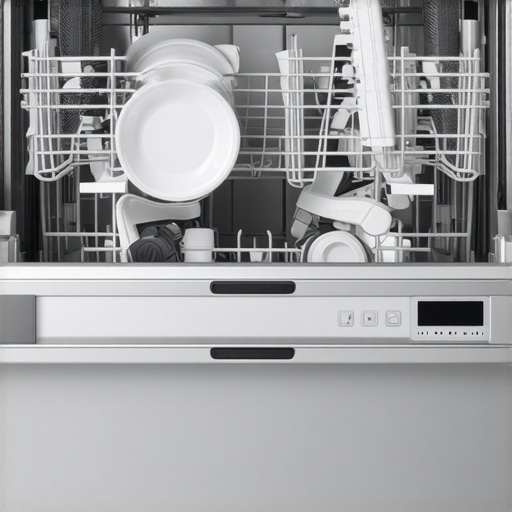
Secure Connections with Proper Torque and Sealing
In my experience, even the finest fittings won’t perform if not tightened correctly. Over-tightening can crack plastic components, whereas too loose connections invite leaks. I used a torque wrench to tighten fittings to manufacturer-timed specifications, which prevented future issues. Applying thread sealant tape or approved plumbers’ compound to threaded connections creates a seal that withstands pressure and temperature fluctuations. Test the fittings immediately after installation by running water and inspecting for drips—this quick check saved me from nasty surprises later.
Inspect and Replace Critical Parts Before Installation
Next, I examined all critical components, including the supply hose, drain hose, and connectors. During my inspection, I discovered a weakened clamp that could have compromised the seal. Replacing worn-out parts with essential parts is essential for building a resilient setup. Pay particular attention to rubber washers, gaskets, and O-rings—damaged or cracked parts are common culprits for leaks and warranty voiding. Installing fresh, high-quality parts enhances durability and keeps your warranty intact.
Test Your Setup Before Finalizing
Before securing everything permanently, I performed a test run. Filling the dishwasher with water, I checked all connections for leaks over a 10-minute period. Any dripping signaled a need for re-tightening or part replacement. This step reflects best practices outlined in the expert tips for reliable installation. It’s a quick, effective way to catch issues early, preventing extensive water damage or warranty problems down the line.
Document Your Installation for Warranty Purposes
Finally, I took photos of all installed fittings, including serial numbers and warranty cards. Should a leak occur later, this documentation can streamline warranty claims and prove proper installation. Remember, using warranty guides can help identify which parts are covered and how to maintain eligibility. Proper documentation gives peace of mind and reinforces that your work adheres to warranty requirements.
While many believe that choosing generic parts or following basic installation steps guarantees warranty coverage and long-term performance, the reality is far more nuanced. One widespread misconception is that all replacement parts are created equal. In truth, using cheap or incompatible components—like plastic fittings instead of durable brass ones—can jeopardize your warranty and lead to leaks over time. Experts emphasize that proper parts selection directly influences not only your dishwasher’s lifespan but also its eligibility for warranty claims. For example, visiting this guide can help you understand how to maximize coverage through correct part choices.
Another common mistake revolves around installation techniques. Many DIYers overlook the importance of correctly torquing fittings and applying sealants, which seems trivial but actually prevents most early failures and warranty denials. Using a torque wrench and thread sealant, as discussed in this resource, can save you from costly water damages later.
Now, for advanced readers—have you ever wondered why some warranty policies exclude certain parts even if they’re branded as ‘premium’? The answer lies in the hidden fine print regarding installation best practices and documentation. The warranty guidelines clearly state that failure to follow manufacturer instructions, or reusing worn parts, can void coverage. Therefore, keeping detailed records and photos of your installation process is essential, especially when troubleshooting or filing claims.
Let’s not forget the trap of reusing old hoses or connectors. While it might seem economical, recycled components often harbor unseen damage or corrosion, increasing leak risks and risking warranty rejection. According to industry experts, replacing worn-out parts proactively—not waiting for a leak—is the best strategy for protecting your investment. For comprehensive advice, see this article.
To sum up, the key to avoiding costly mistakes isn’t just in buying quality parts or following installation checklists—it’s about understanding the fine details, your manufacturer’s warranty stipulations, and the long-term implications of your choices. Remember, exceeding these nuances can mean the difference between a smooth-running dishwasher and a costly repair. Have you ever fallen into this trap? Let me know in the comments.
Keeping your dishwasher in top shape requires more than just occasional cleaning. Investing in the right tools and adopting precise maintenance routines can extend its lifespan and ensure warranty compliance. One essential instrument I personally rely on is a digital torque wrench. Unlike traditional torque wrenches, a digital model offers exact torque readings, allowing me to tighten fittings to manufacturer specifications—crucial for preventing leaks and maintaining the integrity of good-quality fittings like brass ones, as discussed in this detailed guide. Additionally, I recommend keeping a set of quality thread sealant tapes and approved plumbers’ compounds. These ensure a reliable seal, especially on threaded connections, reducing leaks over time. Regular inspections with a LED flashlight reveal subtle corrosion or cracks early, allowing for proactive parts replacement—such as gaskets or O-rings—that could compromise the seal if left unchecked. When it comes to diagnostics, a digital multimeter helps me verify continuity in wiring or detect electrical faults, providing a thorough overview of the dishwasher’s health without costly repairs. As technology advances, tools like portable ultrasonic cleaners are becoming popular for cleaning hard-to-reach components inside the spray arms and filters, which minimizes buildup and preserves efficiency. Looking ahead, I predict that smart maintenance devices—integrating sensors with apps—will become standard, alerting homeowners about potential issues before symptoms surface. But even with high-tech tools, the core principle remains: regular, precise maintenance prolongs your warranty coverage and performance.
How do I maintain my dishwasher over time?
A routine inspection schedule—checking fittings, replacing worn parts, and verifying seals—can drastically reduce unexpected failures. For example, I test critical parts periodically using a multimeter or inspecting for any leaks after each maintenance session. Emphasizing proper torque application, especially when tightening fittings, is critical; over-tightening can crack plastic components, whereas under-tightening risks leaks. To aid this process, I use a torque wrench calibrated for dishwasher fittings, which you can calibrate annually according to technical standards outlined in this resource. Additionally, maintaining documentation—such as photos and records of part replacements—not only keeps your setup compliant with warranty requirements but also saves time when troubleshooting or making claims. In my experience, proactively replacing aging parts like hoses or gaskets before they fail is a wise investment, as per the advice in this guide. Remember, investing once in quality tools and timely maintenance pays off by avoiding costly repairs and warranty issues down the line. Why not try calibrating your fittings with a digital torque wrench this week? It’s a small step that can significantly improve your dishwasher’s reliability and lifespan.
After diving into the nuances of reliable dishwasher installation, I realize the most overlooked aspect is the true significance of high-quality fittings and meticulous setup. This isn’t just about avoiding water puddles; it’s about preserving your warranty, safeguarding your home, and ensuring long-term performance. Trust me, a small detail like snugly tightening a fitting can save you from costly repairs and warranty disputes later on.
The Hard Lessons That Changed My Approach to Installation
- Rechecking fittings is non-negotiable: I once thought a quick tighten was enough—but a minor leak revealed my mistake. Now, I always verify torque specs and use a torque wrench for precision.
- Investing in brass fittings pays off: Plastic fittings seemed convenient but failed within months, voiding my warranty. Switching to brass, despite the higher upfront cost, drastically reduced leaks and preserved my coverage.
- Documentation can be a game-changer: Taking clear photos of the installed fittings and receipts helped me defend my warranty claims when issues arose, proving proper installation and part authenticity.
- Testing before finalizing: Running a water test post-installation uncovered hidden issues early—preventing disaster down the line and saving money on repairs.
- Understanding manufacturer policies prevents surprises: Familiarizing myself with warranty fine print and keeping records ensures I understand what is covered, protecting me from denied claims.
My Top Picks for a Leak-Free Dishwasher Setup
- Choose quality fittings: Opt for brass fittings, matched precisely to your dishwasher’s specifications, to prevent corrosion and leaks.
- Select the right parts: Use trusted guides to ensure compatibility and long-term durability of your connections.
- Inspect critical components: Replace worn gaskets, seals, and clamps beforehand—preempting leaks and protecting your warranty.
- Test thoroughly: Conduct water runs to check for leaks, tightening fittings as needed to ensure a secure, lasting seal.
- Document everything: Save photos, receipts, and serial numbers to streamline warranty claims and demonstrate proper installation practices.
What I Wish I Knew from the Start
- Cheap parts are false economy: They may be tempting but can cause leaks, damage, and warranty rejection. Prioritize quality, especially brass fittings.
- Proper torque application prevents damage: Over-tightening cracks plastic fittings; under-tightening invites leaks. Use a calibrated torque wrench for best results.
- Replacement parts should be new and compatible: Reusing old hoses or connectors might seem budget-friendly but often leads to failures and warranty issues.
- Documentation supports warranty claims: Having a complete record of your installation simplifies troubleshooting and ensures coverage.
To truly master dishwasher fittings and secure a leak-free, warranty-compliant installation, embracing precision, quality, and thorough documentation are essential. This approach not only saves you from future headaches but also gives confidence in your home’s resilience. Don’t overlook these details—your dishwasher and your warranty will thank you.
Ready to Elevate Your Dishwasher Setup?
By applying these insights and selecting the right fittings, you can dramatically improve your installation’s reliability. Every connection counts in safeguarding your investment and maintaining peace of mind. Have you ever faced challenges with your dishwasher installation? Share your experience below, and let’s learn from each other’s lessons!
Related Posts
Guide to Dishwasher Parts & Installation for Lasting Trust in 16:46
My Personal Journey into Dishwasher Parts & InstallationI'll never forget…

Efficient Installation & Parts Guide for Smart Dishwashers in 2025
Ever had that sinking feeling when your brand-new dishwasher refuses…
Parts and Warranty Tips for Reliable Smart Dishwasher Installation
How I Discovered the Importance of Quality Parts and Warranty…