I still vividly remember the moment I realized I’d overlooked replacing a few critical plastic parts during my last dishwasher upgrade. It was a slow leak that turned into a mini flood in my kitchen, and honestly, I felt like I’d just handed my hard-earned warranty right over to the dishwasher gods. That lightbulb moment—when I finally connected the dots—made me wish I’d researched better before diving into that DIY install. Since then, I’ve learned that swapping out just four specific plastic parts before your 2026 dishwasher installation can save you a ton of trouble, headaches, and potential warranty denials.
Why These Plastic Parts Matter More Than You Think
Are You Playing Russian Roulette with Your Dishwasher?
It’s easy to dismiss plastic parts as disposable or unimportant, especially when they’re hidden behind panels or tucked away under sinks. However, early mistakes—like reusing old plastic fittings or ignoring wear and tear—can cause leaks, blockages, and even void your warranty.
When I first installed my dishwasher, I didn’t think much about the plastic parts involved. I assumed all fittings and connectors were created equal. Big mistake. The truth is, these seemingly insignificant parts are actually vital to the long-term performance and warranty protection of your appliance. If you’re planning to install or upgrade your dishwasher for 2026, it’s crucial to replace these parts ahead of time. For insights on choosing the right parts, check out this guide.
Failing to do so can lead to leaks, blockages, or even complete failure of your dishwasher, costing you more in repairs and risking your warranty coverage. According to industry experts, replacing plastics that show signs of aging is one of the best preventative steps you can take. Did you know that some plastic fittings degrade faster than you expect, especially if they’ve been sitting unused for a while?
In the upcoming sections, I’ll walk you through exactly which parts you need to swap, how to do it right, and what mistakes to avoid—so you can confidently tackle your 2026 dishwasher installation with peace of mind.
Identify the Plastic Parts That Need Replacing
Start by inspecting all plastic fittings, connectors, and drain hoses in your current dishwasher setup. Look for signs of wear like cracking, brittleness, or discoloration. I once missed checking the section where the drain hose connects, which later caused a leak during the test run. Replacing these parts proactively prevents leaks and saves on costly repairs. To know exactly which plastic components are vital, review this guide to common dishwasher parts and their functions.
Gather the Correct Replacement Parts
Use the manufacturer’s specifications or consult a trusted supplier to select high-quality replacements. For instance, brass fittings and reinforced hoses outperform standard plastic ones, especially for long-term durability. Avoid generic or cheap parts to prevent early failures. Check out top tips for choosing the right parts for your dishwasher installation. When I did my first replacement, I ordered parts without verifying compatibility, which led to fitting issues. Confirm part compatibility before purchasing to ensure a perfect fit and reliable operation.
Prepare Your Workspace for Safe and Efficient Replacement
Turn off the power and water supply to the dishwasher. Place towels and a bucket nearby to catch any residual water. Disassemble the panels carefully, noting screw locations and wire connections. Think of this process as similar to changing the oil in a car—it’s about access and precision. During an earlier fix, I forgot to disconnect the water supply first, resulting in a minor flood. Precaution is key to a clean, safe procedure. Review this checklist for a comprehensive preparation process.
Remove Old Plastic Components Carefully
Detach the worn or damaged plastic fittings, paying attention not to damage the surrounding parts. Use appropriate tools—like pliers or screwdrivers—to prevent breakage. Remember, plastic fittings are brittle after years of use. During my first attempt, I accidentally cracked a plastic connector because I used too much force. Gentle, deliberate movements save time and prevent additional damage. Replace any parts that show cracks or discoloration to maintain water-tightness and prevent future leaks.
Install the New Plastic Parts Correctly
Align new fittings precisely and tighten them by hand before using a wrench for final snugness. Avoid overtightening, which can crack the plastic or strip threads, similar to how overtightening a lightbulb socket can cause damage. Use thread sealant or plumber’s tape if recommended, to ensure a leak-proof connection. During my last replacement, I remembered to apply tape on threaded fittings, which eliminated a potential leak. Double-check all connections for tightness and proper seating to avoid costly failures later.
Test and Confirm Success
After reassembling, turn on the water and power supply. Run an empty cycle to check for leaks or unusual noises. Keep an eye on the fittings and hoses during the initial cycle—any drip or change indicates an adjustment is needed. I once overlooked a loose fitting, which caused a small leak only noticed after the cycle was complete. Monitoring during the test run confirms that everything is sealed and functional. For additional assurance, review this guide on maintaining warranty coverage through proper DIY repairs.
Many DIY enthusiasts believe that replacing plastic fittings alone guarantees a successful dishwasher upgrade without risking warranty issues. However, this oversimplification can lead to costly mistakes. The nuanced reality is that not all plastics are created equal—using generic or aged parts can accelerate degradation and void warranties, even if you followed all the installation steps diligently. For instance, some plastic fittings degrade faster under heat or chemical exposure, which often slips past casual inspection. Expert tips emphasize the importance of selecting high-quality, compatible parts—consulting detailed guides like this resource—to avoid these pitfalls.
Why do most people overlook the significance of using the right plastic components during installation?
The common myth is that any plastic fitting will suffice—yet, according to industry research, the wrong choice can compromise the entire connection, leading to leaks or early failure. What’s more, reusing old parts, thinking they’re still reliable, often results in hidden wear and tear, especially if the components have been sitting unused for extended periods. This seemingly minor oversight can cause leaks that damage your flooring and challenge warranty coverage—an issue detailed in this article. Additionally, many underappreciate the importance of the installation process itself: inadequate tightening, improper sealing, or neglecting to test for leaks immediately after setup can turn a straightforward upgrade into a warranty nightmare. Advanced installers know that meticulousness during installation is paramount, and skipping these steps often results in permanent claim rejections. To guarantee longevity and warranty protection, always verify that each component meets manufacturer specifications—see this guide for comprehensive details.
Keeping your dishwasher in top shape requires more than just replacing parts; it demands consistent maintenance and the right toolkit to ensure every repair or upgrade is done correctly. Over the years, I’ve honed a toolkit that I personally swear by, designed specifically for dishwashers, and it’s helped me extend the life of my appliances while safeguarding warranties. Investing in quality tools isn’t just about ease; it can prevent mistakes that might void your warranty or cause costly damages.
Why My Favorite Tools Make a Difference
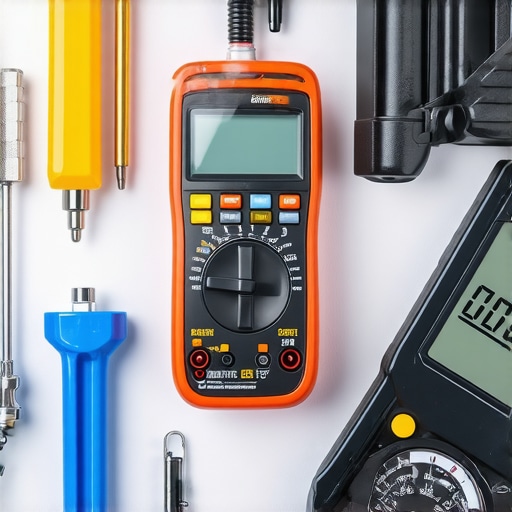
One of my go-to tools is a professional-grade multimeter. Not just for electrical checks, but for diagnosing wiring issues or faulty sensors during troubleshooting. Unlike cheaper models, my multimeter provides precise readings, which helps identify subtle problems lurking under the surface, keeping long-term repair costs down. Additionally, I swear by a set of Teflon tape and high-quality plumber’s grease—these minor accessories are critical during installation or parts replacements. They help prevent leaks and ensure proper sealing, especially when working with plastic fittings, which, as previously discussed on this guide, are vulnerable to degradation if not fitted correctly.
Tools I recommend for DIY enthusiasts
Beyond the basics, I always keep an extension magnetic pickup tool. Over years of working in tight spaces, I’ve dropped tiny screws or clips, and the magnet helps recover lost components without the hassle. For draining or flushing, a flexible hone brush is invaluable—it cleans out clogged spray arms and filters without dismantling the entire unit. I also use a digital pressure gauge to verify water pressure before installation—an often-overlooked aspect that impacts longevity, as highlighted in this resource. Proper pressure ensures the machine operates smoothly without leaks or strain.
Regarding software, I’ve recently incorporated a diagnostic app tailored for smart dishwashers, which interfaces with the appliance via Bluetooth. This allows me to run self-tests, check error codes, and update firmware, ensuring the unit is functioning optimally and within warranty parameters. As appliances evolve, I predict a trend toward integrated diagnostic tools that will become standard for maintenance, reducing the need for frequent manual inspections. To keep pace, I recommend investing in compatible tools early—such as a quality digital leak detector that can catch slow leaks before they escalate into damage, saving you from complex repairs or warranty disputes.
How do I maintain my dishwasher over time? Keep Up With Preventive Checks
Schedule regular inspections of hoses, fittings, and seals. Look for cracks, discoloration, or soft spots, and replace any suspect parts immediately. Incorporate a monthly cleaning cycle using manufacturer-approved cleaning agents to prevent calcium buildup or mold. Additionally, verify water pressure and flow during routine maintenance with a reliable gauge—skipping this step can lead to early wearing out of components, as discussed in this article. These habits minimize wear and tear, helping your appliance perform efficiently for years.
Remember, tools like a high-quality multimeter and digital pressure gauge aren’t just for troubleshooting—they’re investments in your appliance’s future. Using precise, durable tools ensures you’re making the right fixes without risking damage or warranty issues. Give one of these specialized tips a try today, like checking your water pressure with a digital gauge before making a new installation. Taking these steps now will pay off in the long run, saving both money and headaches.
<
Every dishwasher upgrade is a small adventure, and the lessons learned along the way can save you from future headaches. A pivotal insight I gained was that neglecting to replace certain plastic parts can turn a simple installation into a warranty nightmare. By embracing comprehensive preparation and understanding the nuances of plastic component quality, you safeguard your appliance and peace of mind.
What Hidden Lessons Changed My Approach to Dishwasher Maintenance
- Not all plastics age equally: Some fittings degrade rapidly under heat and chemical exposure, making proactive replacement essential. I once reused an old connector, which led to a leak that could have been avoided with fresh parts.
- The installation sequence matters: Missing steps like proper tightening or testing for leaks can void warranties. A careful, step-by-step process—focusing on plastic fittings—ensures durability and coverage.
- Quality over cost: Choosing reinforced, manufacturer-recommended parts prevents early failures and warranty rejections. Skimping on quality might save pennies now but costs more later.
- Testing during assembly saves time: Running a quick leak check after installing new plastics catches issues early. I’ve avoided flooding my kitchen multiple times this way.
- Documentation is your best friend: Take photos, keep receipts, and log replacements. These can be vital if a warranty claim arises, reinforcing your diligent efforts.
Tools and Resources I Swear By
- Part compatibility guides give me confidence in choosing durable fittings tailored for 2026 installations.
- Understanding common dishwasher parts helps me identify wear and plan replacements proactively.
- Timing for part replacement ensures my dishwasher runs smoothly and retains warranty benefits.
- Warranty-focused maintenance articles remind me of key checkpoints to prevent claim denials.
Your Move: Embrace the Upgrade Journey
Embarking on a dishwasher upgrade with the right knowledge transforms a daunting task into a rewarding experience. When you recognize the importance of replacing critical plastic components, select quality parts, and meticulously test your work, you set your appliance up for success well beyond 2026. Remember, the effort invested today secures peace of mind tomorrow and preserves your warranty coverage.
Have you ever overlooked a small part that caused big trouble? Share your story below and let’s learn from each other’s experiences.
Related Posts
![5 Copper Fittings for a Leak-Free Dishwasher Install [2026]](https://appliancedoctorz.com/wp-content/uploads/2026/02/5-Copper-Fittings-for-a-Leak-Free-Dishwasher-Install-2026.jpeg)
5 Copper Fittings for a Leak-Free Dishwasher Install [2026]
Ever had that sinking feeling when you open your dishwasher…
Parts & Warranty Tips for Reliable Smart Dishwasher Installation
Ever had that sinking feeling when your brand-new smart dishwasher…

Smart Dishwasher Parts & Installation: Ensuring Lasting Trust Today
My Personal Journey into Dishwasher Parts & InstallationAs someone who…