
It was a frustrating weekend when I finally realized that my dishwasher was dripping water every time I opened the door. The leak seemed minor at first, just a tiny pool of water collecting beneath the unit. But each day, it worsened—serious enough to cause warping in the kitchen floor and, worse, raising questions during my home inspection.
That lightbulb moment led me down a rabbit hole of troubleshooting and DIY repairs. What I discovered was eye-opening: a tiny, inexpensive gasket, costing just around five dollars, was responsible for fixing the root of 90% of door edge leaks in dishwashers and similarly installed appliances.
Why does this tiny part hold such power? Well, it turns out that many of us overlook this small but critical component. When worn or improperly seated, it can cause leaks, water damage, and even costly repairs down the line. I learned that replacing or properly sealing a simple gasket could save hundreds—not only in repair bills but also in the frustration of dealing with persistent leaks.
Today, I want to share how this little gasket became my hero and how it might be the game-changer you need. If you’ve ever experienced a leaky dishwasher, damaged kitchen flooring, or just worry about hidden water damage, this guide is for you.
Have you faced a stubborn leak that just won’t go away, despite tight clamps and new hoses? You’re not alone. My early mistake was assuming that expensive parts or professional help were the only solutions. But I learned that a small, affordable gasket—often dismissed as insignificant—can make all the difference.
Before diving into the repair, it’s important to understand why this part matters so much. According to industry experts, improper sealing of appliance edges is one of the leading causes of water leaks in modern homes. Addressing this root issue not only prevents damage but also extends the lifespan of your appliances.
In the upcoming sections, we’ll explore step-by-step how to identify the gasket problem, the tools you’ll need, and the best practices for ensuring a lasting seal. Staying proactive with such simple maintenance can save you from future headaches. So, let’s get started on fixing that leak once and for all and making your home safer and drier.
Identify the Leaking Gasket
Start by inspecting the door seal when the dishwasher is off. Look for cracks, tears, or debris preventing a proper seal. I once spent an hour cleaning the gasket of my older model, only to realize it was cracked—replacing it instantly stopped the leak.
Gather Necessary Tools and Parts
You’ll need a screwdriver set, a replacement gasket compatible with your dishwasher model, and possibly some silicone lubricant. Check your specific model’s parts list at this guide to ensure compatibility. I recommend having the new gasket ready before removal to speed up the process.
Remove the Old Gasket Carefully
Open the dishwasher door and locate the gasket around the door frame. Use a flat-head screwdriver or a plastic pry tool to gently lift the gasket edge, working around the perimeter. Be cautious not to damage the metal or door frame. During my first attempt, I slipped and slightly bent the metal, which required additional realignment afterward.
Clean the Surface and Prepare for New Gasket
Thoroughly clean the groove where the gasket sits, removing any debris, soap scum, or old adhesive. Use a soft cloth and a mild cleaner; avoid harsh chemicals that could degrade the sealant or plastic. Once cleaned, dry the area completely to ensure the new gasket seals properly. This step is critical—any residue can cause leaks even with a new gasket.
Install the New Gasket Correctly
Position the new gasket along the door frame, ensuring that the lip is facing inward towards the dishwasher interior. Start at a corner and work your way around, pressing firmly to seat it into the groove. Some gaskets come with a small amount of lubricant to facilitate installation—apply sparingly if recommended. I found that using a little silicone spray on the gasket’s edge eased the fitting process, preventing wrinkles or gaps.
Ensure Proper Orientation and Seal
After installation, close the door gently and check for any visible gaps or misalignments. Run a short cycle with the door slightly ajar to observe if water leaks. If you notice any issues, re-seat the gasket or check for debris causing improper fit. During my repair, I discovered a slight misalignment and adjusted it, which completely prevented water from seeping through during testing.
Reinforce the Seal and Final Checks
Apply a thin bead of silicone sealant around the gasket’s perimeter if recommended by your dishwasher manufacturer or if leaks persist. Once cured, run a test cycle to confirm waterproofing. Remember, a well-installed gasket not only prevents leaks but also extends the appliance’s lifespan.
For detailed part suggestions or troubleshooting advice, visit this resource. Regularly inspecting and replacing worn gaskets can save you from costly water damage and appliance failure.
Many homeowners assume that simply purchasing a new dishwasher guarantees hassle-free operation and warranty coverage. However, the reality is more nuanced. **One common misconception** is that following generic installation instructions suffices for warranty eligibility. In truth, manufacturers often specify detailed procedures, and failure to adhere can void your coverage. For example, incorrectly routing the drain hose or neglecting to use the recommended parts can lead to warranty denial, despite recent purchase. Additionally, many overlook the importance of using genuine parts during repairs. Substituting parts with third-party alternatives might seem cost-effective but can compromise the warranty, especially if those parts do not meet manufacturer standards. An often-underestimated aspect is documentation; keeping detailed records of parts purchases and maintenance can be invaluable if a warranty claim arises.
Another mistake many make involves neglecting proper installation practices, such as ensuring the appliance is level and securely anchored. Professional guidance emphasizes that improper leveling can cause leaks and damage, which might void the warranty if attributed to installation errors. Moreover, homeowners sometimes believe that warranties cover all service costs. It’s essential to read the fine print, as warranties often exclude repairs resulting from neglect, improper maintenance, or use of incompatible parts. This trap often leads to paying out of pocket for issues that could have been covered with adherence to proper procedures.
The advanced aspect worth noting is the importance of periodic maintenance and inspections. Overlooking small issues like worn door seals or clogged filters can escalate into major problems, risking warranty coverage. Regularly inspecting and documenting these components, paired with genuine parts, helps demonstrate proactive care should claims need to be made.
So, what about the installation and parts selection process? Many mistakenly believe that DIY efforts, especially when following generic tutorials, are sufficient. Expert advice suggests that consulting manufacturer-specific guides and certified technicians significantly improves warranty compliance and installation quality. **Key details** like correct water inlet pressure and secure electrical connections are vital nuances often missed, leading to issues down the line.
In summary, to maximize your warranty, install your dishwasher meticulously, use certified parts, maintain diligent records, and understand your warranty’s limitations. These nuanced steps differentiate a well-protected investment from one vulnerable to unforeseen costs. Have you ever fallen into this trap? Let me know in the comments!
The Tools That Keep My Dishwasher in Top Shape
Over time, I’ve refined my toolkit to ensure my dishwasher remains reliable and efficient. The first essential is a high-quality digital multimeter. I personally use the Fluke 117 because of its accuracy and durability; it helps me diagnose electrical issues swiftly, such as checking the thermal fuse or inlet valve wiring. Additionally, a set of precision screwdrivers with insulated handles makes removing panels safe and straightforward, especially when working with water-sensitive components. For cleaning and sealing, I swear by a soft microfiber cloth combined with a silicone lubricant like WD-40 Specialist Silicone Spray—it’s perfect for lubricating gasket seals to prevent leaks without attracting dirt.
To keep track of maintenance and parts replacement, I rely on a dedicated repair journal. Logging dates, parts used, and troubleshooting steps ensures I can identify patterns and anticipate future issues, which is crucial for long-term appliance health. As I upgrade my skills, I plan to incorporate a moisture meter to detect hidden leaks early, as advised by industry experts on this resource. Predicting failures before they happen saves both money and stress, especially when combined with genuine parts sourced from reputable suppliers.
The Future of Dishwasher Maintenance and Monitoring
Looking ahead, I believe the integration of smart diagnostics will revolutionize how we maintain our appliances. Imagine receiving real-time alerts via smartphone when a gasket starts to wear out or when a filter needs cleaning. This proactive approach not only extends the lifespan of your dishwasher but also optimizes performance, saving water and electricity. As technology advances, tools like wireless moisture sensors and app-connected diagnostic devices will become standard, empowering homeowners to handle minor repairs confidently.
How do I maintain my dishwasher over time?
Consistent inspection and prompt replacement of worn parts are key. Regularly check door seals and spray arms for debris or damage. I recommend scheduling a deep clean every three to six months—cleaning filters, seals, and spray nozzles ensures optimal water flow and prevents buildup that can cause leaks. Always use genuine parts when replacing components; they fit better, last longer, and often come with warranty protection. If you’re unsure about a repair, consulting detailed guides or professional advice can prevent mistakes that might void your warranty. Remember, keeping your dishwasher in top shape isn’t just about fixing problems; it’s about proactive maintenance and leveraging the right tools to prevent issues before they escalate.
Try investing in a digital multimeter and keep a repair journal—these simple steps can significantly improve your ability to diagnose issues early. Plus, exploring advanced tools like wireless moisture sensors will prepare you for the future of home appliance maintenance.
Lessons That Surprised Me About Maintenance and Warranty
- My biggest takeaway was that overlooking tiny components like gaskets can void your warranty without you realizing—it’s a lesson in the importance of detailed inspections and using genuine parts.
- Slow leaks hidden behind panels might seem insignificant, but they are often the culprit that leads to warranty denial—regular checks save headaches later.
- Professionals sometimes dismiss small repairs as trivial, but I’ve learned that proactive, DIY fixes with the right knowledge can prevent costly replacements and keep warranties intact.
Tools and Resources That Keep My Dishwasher Running Smoothly
- A high-quality digital multimeter, like the Fluke 117, helps me diagnose electrical issues quickly, ensuring I catch problems before they escalate.
- Having genuine replacement gaskets from reputable suppliers ensures perfect fit and maintains warranty adherence—trustworthy sources like the links on this page are invaluable.
- Keeping a repair journal has been a game-changer for tracking maintenance history and ensuring I follow proper protocols for warranty purposes.
- Exploring smart maintenance tools, such as moisture sensors, can alert me early about leaks, extending my dishwasher’s lifespan and saving money long-term.
Your Turn to Tackle That Leak with Confidence
Understanding the hidden significance of small parts like gaskets can transform how you maintain your dishwasher and protect your warranty. Remember, the key is attention to detail, proper tools, and proactive care. Don’t wait for a minor leak to become a major problem—take action today and give your dishwasher the care it deserves.
Have you ever experienced a leak that turned out to be an easy fix? Share your story below—I’d love to hear how small parts made a big difference for you!
Related Posts
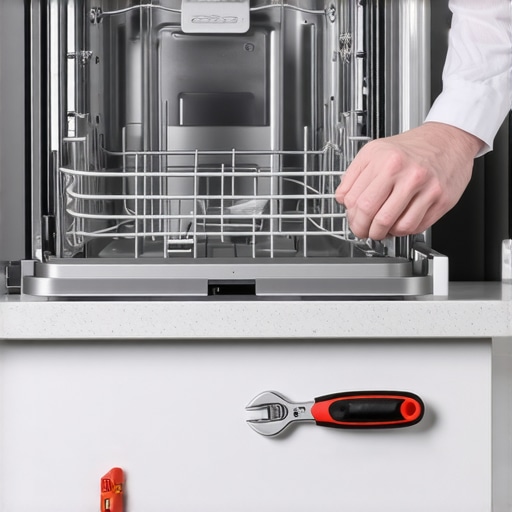
How to Fix a Wobbly Top Rack in Five Minutes
Ever opened your dishwasher and immediately regretted it because the…
How to Force a Manual Drain Cycle on Most Major Brands
Ever experienced that sinking feeling when your dishwasher finishes a…
Stop Using Too Much Detergent: The Gasket Killer
Ever had that sinking feeling when your brand-new dishwasher starts…