
It was after a long day of troubleshooting a stubborn leak in my dishwasher that I finally discovered the tiny, overlooked part that made all the difference—the humble $5 O-ring. That small rubber ring, seemingly insignificant, was causing water to slowly drip and threaten the integrity of my kitchen floor. I had spent hours trying to replace entire valves, only to realize that a tiny, inexpensive part was the real culprit.
The Breakthrough Moment: When a Small Part Saves Big Troubles
Maybe you’ve faced a similar frustration—persistent leaks that seem to defy all your repair efforts. At first, I thought I needed a whole new inlet valve, which seemed like the obvious, expensive fix. But after some digging and a little advice from fellow DIY enthusiasts, I learned about the power of a simple O-ring that costs less than a cup of coffee. That realization was a lightbulb moment for me. It was like finally understanding that a tiny bolt could hold a massive structure together.
This little part has saved me a ton of money and hassle. And trust me, I’m not alone—many homeowners and technicians alike overlook the significance of these small components. When the inlet valve starts to drip, it’s often not the valve itself that’s faulty but the O-ring sealing it. Replacing this inexpensive, readily available ring can prevent major water damage, extend the lifespan of your appliance, and save you hundreds over a costly repair or replacement.
Question Time: Is It Really Worth the Hype?
Admittedly, I used to think that replacing entire valves would solve my problems—it seemed like good, professional advice. Yet, I made the mistake early on of ignoring these tiny seals, assuming they were too insignificant to matter. My biggest mistake? Not inspecting the O-rings during routine maintenance or when problems started. If you’re like me, you might be skeptical about whether such a small part can truly make a difference. Well, I can tell you firsthand that it absolutely does.
Numerous sources, including expert advice from appliance specialists, emphasize that maintenance of these small parts can be a game-changer (learn more about essential dishwasher parts here). Replacing worn or damaged O-rings not only stops leaks but also ensures your inlet valve operates smoothly, reducing strain on other components. This simple step can prolong the life of your dishwasher and keep your kitchen dry and safe.
Now that I’ve shared my experience, let’s dive into how you can identify, inspect, and replace these tiny but mighty O-rings—so you can fix the leak once and for all without breaking the bank or calling in a costly technician. Ready? Let’s get into the practical steps that will turn you into a DIY hydration hero!
Locate the O-Ring and Prepare
First, unplug your dishwasher and turn off the water supply to ensure safety. Open the dishwasher door and remove the lower rack for better access. Identify the inlet valve where the water enters the appliance—usually near the bottom front. Carefully inspect the area for the rubber O-ring, often situated around the inlet hose or valve connector. Use a flashlight if needed. Remember, a worn or damaged O-ring is a common culprit for leaks and is easy to replace. For more detailed tips on choosing the right parts, review these selection tips.
Remove the Faulty O-Ring Safely
Disconnect the Hose or Valve
Using an appropriate wrench, loosen the clamp or fitting securing the inlet hose to the valve. Keep a container or towel handy to catch any residual water. Gently pull out the hose or disconnect the fitting from the valve body. Be cautious not to damage nearby parts. If the fitting is stuck, apply a little penetrating oil and wait a few minutes before retrying. Remember, patience now prevents bigger problems later.
Extract the Old O-Ring
Carefully pry out the old O-ring with a flat-head screwdriver or a plastic pick—avoid sharp tools that may scratch the plastic parts. Observe its condition: cracks, tears, or flattening indicate replacement necessity. Note the size and type for matching your new O-ring. If unsure, refer to this guide for help identifying parts.
Replace with a Quality O-Ring
Pick a new O-ring matching the specifications of the old one—select high-quality rubber rated for water exposure. Before installing, moisten it slightly with food-grade silicone lubricant (or water if lubricant isn’t available). This reduces installation friction and prolongs lifespan. Place the new O-ring into the groove, pressing firmly to seat it evenly all around. Confirm the placement with a visual check—no twists or pinches.
Reassemble and Test
Reconnect the inlet hose or fitting securely, tightening the clamp by hand and then a quarter turn with a wrench. Avoid overtightening, which can deform the fitting. Turn on the water supply and observe for leaks. Run a short cycle to verify the repair’s success. If water escapes, double-check the O-ring seating and fittings. Proper installation can impact your appliance’s warranty, so review warranty considerations to ensure your repairs are covered.
By handling the replacement yourself, you not only save money but also gain understanding of your appliance. For ongoing maintenance tips, consider inspecting other common parts like the spray arms or filters, detailed at this resource. Just remember, the quality of parts and proper installation are key—skimping can lead to further issues and warranty voids.
Many homeowners operate under the misconception that all dishwasher parts are created equal or that standard maintenance practices suffice to maximize their appliance’s lifespan and warranty coverage. Let’s dig deeper into some nuanced truths and pitfalls that even experienced DIYers often overlook, ensuring your repairs are both effective and warranty-friendly.
Why Replacing Entire Parts Isn’t Always Necessary
Contrary to popular belief, replacing the entire inlet valve or other major components isn’t the only solution to leaks or malfunctions. In fact, many advanced technicians emphasize the importance of inspecting and replacing only the worn or damaged seals, such as O-rings, to restore functionality and preserve warranty conditions (learn more about warranty-maximizing parts selection). Overhauling entire assemblies without proper diagnosis might void warranties or lead to unnecessary expenses.
Warning: Always verify your appliance’s warranty terms before conducting repairs. Changing parts without manufacturer approval or using incompatible substitutes can inadvertently void your warranty or reduce your coverage for future claims. Familiarize yourself with the policies at this comprehensive guide.
Overlooking Common Installation Errors
Many mistakes occur during DIY installation, often rooted in ignoring key nuances like proper hose fitting torque, correct drainage loops, or even the type of fittings used. Reusing old fittings or applying Teflon tape improperly can cause subtle leaks or misalignments that damage warranty claims (read about common installation pitfalls here). To avoid this, always follow manufacturer installation instructions meticulously or consult professional installation resources, such as this step-by-step guide.
Beware of the trap: Using cheap aftermarket parts may seem cost-effective initially but often leads to premature failure, warranty disputes, or voided coverage. Prioritize OEM or high-quality aftermarket options recommended by experts to ensure longevity and warranty compatibility (see essential repair parts here).
Should You Trust Generic Repair Tips? Find Out Now
Generic repair advice often simplifies complex procedures, but when it comes to warranties and longevity, such oversimplifications can be dangerous. For example, multiple studies and expert reviews show that precise torque settings, proper sealing techniques, and correct fitting materials are crucial (understand warranty policies here). A mistake like overtightening fittings can deform parts or cause microscopic cracks, which may not be immediately visible but can void your warranty and cause leaks down the line.
Let’s face it: appliances are complex systems, and understanding their nuances can save you from costly errors. Always consult reputable sources or professional technicians when in doubt. And remember—careful maintenance and precise installation are your best allies for warranty preservation and appliance longevity. Have you ever fallen into this trap? Let me know in the comments.
,
What Equipment Keeps My Dishwasher Running Smoothly?
Investing in quality tools isn’t just about immediate repairs; it’s about ensuring your dishwasher stays reliable year after year. I personally swear by a high-precision digital torque wrench. It guarantees that fittings are tightened just enough—preventing leaks caused by overtightening or loose connections, which are common pitfalls for DIY enthusiasts looking to preserve their appliance’s warranty (learn more here). Additionally, a dedicated multimeter helps diagnose electrical issues without guesswork, saving both time and potential repair costs.
Regular inspection of supply hoses is vital. I recommend armored stainless steel braided hoses—they resist kinking and mold buildup better than conventional rubber lines. An infrared surface thermometer also proves useful for early detection of heating element fatigue—uneven temperature readings can forewarn you before a total breakdown occurs. Using these specific tools allows you to catch problems early and maintain optimal performance.
Leveraging Software and Data for Better Maintenance
In recent years, I’ve integrated smart diagnostic apps into my routine. These apps sync with your dishwasher via Wi-Fi, providing real-time error codes and maintenance reminders. For example, the app I use tracks cycle history and alerts me when performance dips, indicating a potential component failure (more about smart maintenance here). Over time, this data-driven approach allows me to schedule preventive checks—saving me from costly emergency repairs and prolonging warranty coverage.
Where Do I See My Maintenance Going in the Future?
Looking ahead, I believe the trend points toward fully integrated smart diagnostics and AI-powered predictive maintenance. Future appliances will proactively inform us about wear-and-tear before problems manifest, using embedded sensors and machine learning algorithms. Such advancements will empower homeowners to avoid downtime altogether, making appliance care more intuitive and cost-effective.
Consultant Tip: How do I Maintain Parts Over Time?
One effective method I recommend is maintaining a detailed log of every replacement and inspection. Record serial numbers, install dates, and observed wear on components like inlet valves, filters, and spray arms. This habit helps identify parts prone to early failure, guiding you to source higher-quality replacements or upgrade when necessary. Remember, quality parts are key to warranty adherence, so review these strategies for optimal parts selection.
Finally, don’t underestimate the power of proactive cleaning—regularly inspecting and cleaning filters and spray arms prevents buildup that can strain your system. Equip yourself with a detailed parts inspection checklist, ensuring your dishwasher performs efficiently and stays under warranty.
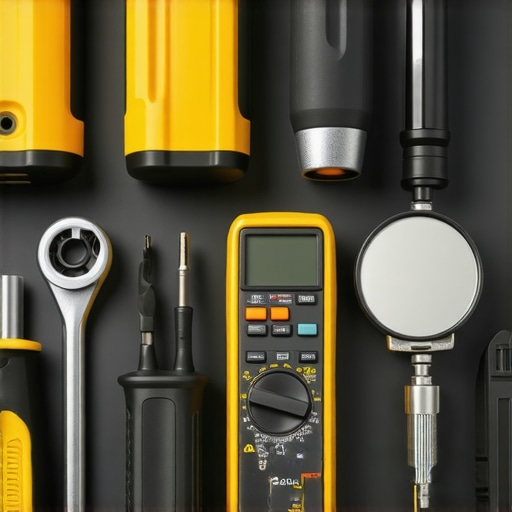
Lessons Only the Pros Usually Learn About Parts, Dishwasher, Warranty, and Installation
- I used to think replacing entire valves was the only way to fix leaks, but discovering the significance of small components like O-rings was a game-changer—saving me money and headaches.
- I’ve realized that understanding the role of tiny parts helps maintain warranty coverage, ensuring my appliances stay protected while I perform DIY repairs confidently.
- The biggest lightbulb moment was recognizing that proper installation techniques—like correct hose fitting torque—prevent issues before they start, rather than just fixing problems after they occur.
- Investing in quality tools and doing thorough inspections of your dishwasher’s small parts can extend the appliance’s lifespan and keep it running smoothly for years.
- Most importantly, staying informed through reputable sources empowers homeowners to troubleshoot effectively, save costs, and uphold warranties without unnecessary replacements.
My Secret Weapons for Dishwasher Maintenance and Repair
- I swear by a high-precision digital torque wrench to avoid overtightening fittings, which can cause leaks or damage—check out this guide for tips on selecting the right tools.
- Using stainless steel braided hoses instead of rubber ones has dramatically improved leak prevention in my kitchen—reliable and long-lasting, they’re worth every penny, as explained here.
- Smart diagnostic apps that connect to my dishwasher provide real-time alerts on performance issues, helping me act before small problems turn into costly repairs—learn more here.
- Regularly inspecting and cleaning filters, spray arms, and seals with simple tools keeps my dishwasher performing at its best, extending warranty coverage and avoiding premature part failures.
Don’t Wait for Problems to Show Up — Take Action Today
Your dishwasher is a complex yet manageable system. By understanding the importance of small parts like O-rings and applying proven installation practices, you can prevent leaks, extend your appliance’s life, and keep your warranty intact. Embrace the DIY mindset armed with the right tools and knowledge, and you’ll become the hero of your kitchen maintenance.
What specific dishwasher repair step challenged you the most? Share your experiences below, and let’s learn together!
Related Posts
The $5 Part That Solves Most Drainage Issues
Ever had your dishwasher act up just when you needed…
The Problem With Universal Hoses for High-End European Models
It was a morning like any other—until I heard that…
The Small Plastic Part That Causes Big Vibrations During Spin Cycles
Ever been halfway through a wash cycle when your dishwasher…