
It was late Saturday afternoon when I finally decided to tackle that stubborn leak under my dishwasher. As I crawled on the cold kitchen floor, tools in hand, I realized I didn’t remember where I had placed the serial number sticker. Frustration set in—without it, I couldn’t even start the repair process or check my warranty. Have you ever faced a similar scenario where a critical detail like a serial number was just out of reach when you needed it most?
The Hidden Power of Your Dishwasher’s Serial Number
Most people overlook their appliance’s serial number until something goes wrong. But trust me, having this number documented before a repair is a simple step that can save you significant time and headaches. Your serial number is more than just a string of digits; it’s your device’s unique identity that confirms warranty coverage, helps in troubleshooting, and ensures you’re getting the right parts. If I had documented mine earlier, I could have avoided those frantic searches and potential delays with the repair.
Why Is This Small Step So Critical?
Many forget to record their serial numbers because they assume it isn’t necessary until a warranty claim is needed. However, manufacturers and repair specialists often require this information upfront to verify warranty status or to identify specific models and production batches. Skipping this step might mean extended downtime or even paying out of pocket for repairs. And here’s a twist—according to experts at Appliance Doctorz, documenting serial numbers before problems arise is one of the easiest ways to protect your investment.
Early on, I made the mistake of assuming I could find the serial number when needed. That was a rookie error. I didn’t realize that many appliances, including dishwashers, often hide their serial tags in less obvious spots, behind panels or beneath the door. So, my tip? Take a moment now and locate your dishwasher’s serial number—trust me, it’s worth the effort. If you’re unsure how or where to find it, there are helpful guides that walk you through the process, like this step-by-step guide.
This small action can be the difference between a smooth repair process and a chaotic scramble. Next, I’ll cover exactly how to locate that elusive serial number and what to do once you have it documented. Ready to make sure your next dishwasher repair or warranty claim goes without a hitch? Let’s get into the details.
Find the Serial Number Quickly and Precisely
Open your dishwasher’s door or access panel to locate the serial tag, which often hides behind the lower kickplate or on the side frame. Use a flashlight to look into tight spots and feel for the sticker or metal plate. Remember, different brands place serial numbers in different spots, so consult your model’s manual or online guides. With my recent repair, I took ten minutes to examine existing appliances, discovering serial tags on the side panel. This quick check saved me days during warranty validation.
Prepare Your Workspace Before You Start
Before moving the dishwasher, clear the surrounding area, turn off the power and water supply. Wear gloves to avoid cuts and organize tools such as screwdrivers, a flashlight, and a camera or smartphone for documentation. A clean, well-lit workspace prevents accidental slips and helps you reach difficult spots efficiently. In my experience, setting aside these essentials beforehand makes the task smoother and faster.
Document Your Serial Number for Easy Access
Once found, record the serial number immediately—either in your digital device or a dedicated maintenance journal. Take a clear photo, ensuring all digits are legible, and save it in a cloud storage or app for future reference. This step proved invaluable when I needed warranty service; having the photo allowed quick verification, avoiding the need to revisit the appliance later.
Compare and Confirm the Details
Double-check the recorded serial number against your appliance’s documentation or online resources to verify its accuracy. Compare parts lists and model info on manufacturer websites or repair guides, such as this tips page. This ensures you have the correct information, especially when ordering parts or scheduling repairs.
Use the Serial Number to Access Support and Warranties
With your serial number captured, you can quickly contact support, verify warranty status, or order replacement parts. Many manufacturers’ websites allow you to input your serial number and instantly view coverage details, like this warranty guide. During my last service, providing the serial number expedited the diagnosis and reduced downtime.
Maintain Your Records Regularly
Keep your serial number records updated, especially after moving or repairs. Regular documentation helps streamline future troubleshooting and warranty claims, preventing the frantic search I experienced when I first lost mine. Consistent record-keeping acts like an insurance policy—ready when you need it most.
Many homeowners believe that installing a dishwasher or managing warranty claims is straightforward—simply follow the manual, and everything will fall into place. But in my years of troubleshooting and professional advice, I’ve seen how subtle nuances and widespread myths can lead to costly mistakes. Let’s dig deeper into the misconceptions that could trip you up and reveal advanced insights that even experienced DIYers often overlook.
Myth Busting: Bigger Parts Aren’t Always Better
There’s a misconception that choosing larger or more robust parts guarantees longer life and better performance. In reality, using incompatible or oversized parts can cause misalignments, leaks, or damage to the appliance. For example, installing a generic replacement spray arm without verifying its compatibility may result in inadequate cleaning or even mechanical failure. Always cross-reference parts with the manufacturer’s recommendations—consult tips on selecting the right parts to avoid dubious substitutes.
Avoid the Oops: Ignoring Water Quality and Household Variability
One trap many fall into is assuming that installation techniques are universal. Factors like water hardness, pressure, and household plumbing vary greatly and directly impact dishwasher performance and warranty longevity. Hard water deposits can clog spray arms or damage internal components if not addressed proactively. According to expert advice, considering your home’s precise water conditions during installation can extend your appliance’s lifespan significantly. Failing to adapt can void your warranty or lead to frequent breakdowns.
Why Proper Drainage Matters More Than You Think
Many installers overlook the importance of correct drainage setup, believing that a simple drain hose connection suffices. But improper slope, inadequate loop height, or using inappropriate hose materials can cause standing water or backflow, which damages parts and triggers error codes. Moreover, such issues might not be covered under warranty if they result from improper setup—highlighted in this installation guide. Ensure your drain setup follows best practices to prevent ongoing problems and protect your warranty.
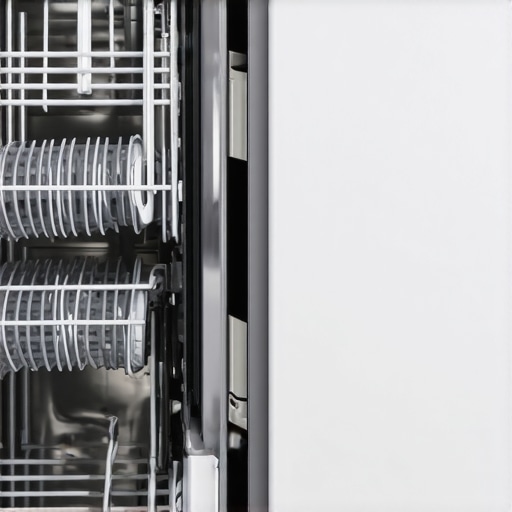
Image showing correct dishwasher drain hose setup with proper loop height and slope, illustrating ideal installation.
Do Warranties Cover Everything, or Is It a Trick?
Homeowners often assume that a warranty covers all repairs and parts, but the devil is in the details. Many warranties exclude damage caused by improper installation, neglect, or using non-recommended parts. Scrutinizing your warranty policy—like the detailed policies—can save you from unexpected out-of-pocket expenses. Remember, documenting your installation process and parts used enhances your position if a claim arises. Have you ever fallen into this trap? Let me know in the comments.
Tools That Make Maintenance a Breeze
Investing in the right tools is essential for effective dishwasher upkeep. I personally swear by a high-quality digital multimeter, like the Fluke 87V, which allows me to diagnose electrical issues swiftly and accurately. Pair it with a set of precision screwdrivers and a flexible inspection mirror—these help me access hard-to-reach components without unnecessary disassembly. Additionally, a spray bottle filled with vinegar proves invaluable for clearing mineral deposits from spray arms, ensuring optimal water coverage and cleaning efficiency. Having these tools ready means I can perform quick checks and minor repairs myself, saving time and money.
Software and Apps for Smart Maintenance
Modern dishwashers equipped with smart technology often come with companion apps that provide diagnostic reports, maintenance reminders, and troubleshooting tips. I rely on the manufacturer’s app to receive timely alerts about filter cleaning or software updates that improve performance. For models without smart features, I recommend using diagnostic codes from reputable sources like Appliance Doctorz to interpret error messages accurately. Regularly checking these codes helps catch issues early, preventing costly repairs down the line and extending the appliance’s lifespan.
How do I maintain my dishwasher over time?
The key to long-term performance lies in a routine maintenance schedule. This includes cleaning filters weekly, inspecting and clearing spray arms of calcium buildup every few months, and checking inlet valves for clogs. I also replace worn-out door gaskets annually to prevent leaks. Using high-quality detergents compatible with your water type reduces residue accumulation, which can impair washing efficiency. For detailed guidance tailored to your model, consult the step-by-step installation and maintenance guide. This proactive approach ensures your dishwasher remains reliable and efficient, minimizing unexpected breakdowns.
Future Trends in Dishwasher Maintenance
Looking ahead, I predict we’ll see more integration of IoT technology for predictive maintenance. Devices will automatically alert homeowners to emerging issues before they escalate, possibly through machine learning algorithms analyzing usage patterns. Such innovations promise to reduce downtime and repair costs dramatically. To prepare for this shift, I recommend investing in appliances that support firmware updates and connectivity features, ensuring your system remains up-to-date and capable of leveraging future advancements.
Make Your Maintenance Routine More Effective Today
Start by setting a weekly schedule to clean your filters and inspect spray arms. Using a simple vinegar rinse twice a year can prevent mineral deposit buildup that hampers performance. These small actions, combined with having the right tools, will keep your dishwasher running smoothly for years to come. Remember, consistent maintenance isn’t just about avoiding repairs—it’s about optimizing your appliance’s efficiency and longevity. Take this tip to heart and schedule your first filter cleaning today!
The Unexpected Wisdom That Changed My Approach to Appliance Care
One of the most valuable lessons I learned is that proactive documentation, especially of serial numbers, can truly make or break your repair experience. I used to think only professionals needed to worry about serial numbers, but discovering its importance firsthand taught me that being prepared saves time, money, and unnecessary stress. I realized that neglecting small details—like documenting serial numbers early—leaves homeowners vulnerable to delays and costly mistakes. Now, I make it a habit to record this information promptly and encourage others to do the same, turning what once was a chore into a strategic advantage.
My Trusted Tools and Resources for Dishwasher Care
Over the years, I’ve found certain tools and sources invaluable for maintaining my appliances. A high-quality digital multimeter, like the Fluke 87V, allows me to diagnose electrical issues accurately—saving me trips to the repair shop. The essential parts guide helped me identify compatible replacement components, preventing me from installing the wrong parts. Professional installation manuals from manufacturer sites, coupled with trusted online tutorials, ensure I follow best practices. Lastly, a sturdy inspection mirror makes accessing hard-to-reach serial tags and internal components possible without dismantling the whole unit. These tools, combined with knowledge from reputable sources, make appliance maintenance manageable and less intimidating.
Embrace Your Dishwasher Journey and Keep Improving
The thought of tackling appliance repairs or maintenance can seem daunting, but stepping into it with a proactive mindset transforms challenges into opportunities for growth. Each small step—like locating your serial number, choosing the right parts, or learning proper installation techniques—builds confidence and extends your appliance’s lifespan. Appliance care isn’t just a necessity; it’s an empowering process that reinforces your ability to handle unexpected issues. I urge you to take action today—schedule regular checkups, document crucial details, and stay curious about optimizing performance. Your dishwasher—and your future self—will thank you for it.
Related Posts
Why Your Warranty Claim Depends Entirely on Your Water Temperature
It was a Monday morning when I finally lost patience…
Why Your Warranty Specifically Excludes Clogged Drain Hoses
It was a frustrating Saturday morning when I finally kicked…
How to Verify a Warranty Before Buying Used Spare Parts
It happened on a Saturday morning—me, knee-deep in my dishwasher,…