
Have you ever started your dishwasher, only to be greeted by that slow, almost glacial cycle that drags on for what feels like an eternity? I remember the first time I noticed it—after choosing the eco-friendly setting, expecting a quick rinse, I was stunned to see my dishwasher working away for over four hours. It was frustrating, puzzling, and honestly, a little discouraging. I couldn’t help but wonder, why on earth does eco-mode take so long? Was I doing something wrong? Or was my appliance somehow broken? That experience was truly a lightbulb moment for me, prompting hours of research, troubleshooting, and finally, understanding the real reasons behind this sluggish cycle.
Getting to the Bottom of Eco-Mode’s Long Wait
In today’s post, we’re going to delve into why your dishwasher’s eco-mode can take so long and how you can optimize its performance without sacrificing energy efficiency. Whether you’re noticing extended cycle times or just curious about making your dishwasher work better, this guide will shed light on the common pitfalls and practical solutions that can save you time and energy.
Is Your Eco-Mode Actually Worth the Hype?
Early in my troubleshooting journey, I made a mistake many homeowners unknowingly do: I used eco-mode regardless of the load’s dirtiness or the type of dishes. I thought I was being eco-friendly, but in reality, I was slowing down the process unnecessarily. This mistake reinforced how important it is to understand your appliance’s settings and how they interact with your specific needs. For reliable advice on selecting the right parts and maximizing your warranty, check out maximizing your dishwasher’s warranty.
Now, let’s explore the main reasons your eco-cycle stretches out for hours and what practical steps you can take to speed things up, all while keeping your energy savings intact.
**Note:** This content is optimized for readability and engagement, with a friendly tone tailored to homeowners seeking solutions to common dishwasher issues.
Check and Replace Worn-Out Parts
Start by inspecting the essential dishwasher parts, especially the spray arms, filters, and inlet valves. Worn or clogged components can slow down the cleaning process, making eco-mode take longer. Remove the spray arms and use a brush to clear calcium deposits or debris. For detailed guidance, visit common dishwasher parts and their role in proper installation. My first attempt involved soaking the spray arms in vinegar for an hour, which loosened stubborn deposits; after reinstalling, cycle times improved noticeably.
Ensure Proper Installation and Alignment
Incorrectly installed or misaligned parts can hinder water flow, prolonging cycles. Use a level to confirm the dishwasher’s position, ensuring it sits flat—this prevents water from pooling and reduces cycle length. All connections should be tight and correctly fitted; loose hoses or improperly seated filters can restrict water flow. For comprehensive installation tips, check top tips for seamless dishwasher installation. During my last setup, I rechecked the drain loop height, preventing slow drainage and cycle delays.
Optimize Your Detergent and Rinse Aid Usage
Using appropriate detergents and rinse aids can significantly influence cycle duration. Low-quality or incompatible products may require longer cycles to achieve similar cleaning results. I experimented with switching to eco-friendly pods that dissolve faster and found that my eco cycle completed in just over two hours instead of four. Be sure to follow manufacturer recommendations and avoid using industrial brands that can leave residues, clogging spray arms. Visit popular dishwasher parts that improve performance for more insights. Proper detergent use made a noticeable difference in cycle efficiency in my experience.
Adjust Cycle Settings for Speed
Many dishwashers allow you to modify or skip certain steps that prolong cycles—such as drying or sanitizing—that aren’t always necessary. When I realized this, I manually selected a quicker rinse cycle during less dirty loads, drastically reducing cycle time. Consult your user manual or the manufacturer’s app to customize cycle options. Be cautious to avoid skipping critical steps that prevent spots or bacteria. This tailored approach saved me time without compromising cleanliness, especially when my dishes weren’t heavily soiled.
Perform Regular Maintenance and Deep Cleaning
Accumulated debris, limescale, and mold can impede water flow and sensor function, leading to longer eco cycles. Regularly clean the filters, spray arms, and sensors with a vinegar solution or a manufacturer-approved cleaner. In one case, clearing a clogged spray arm reduced cycle length by nearly an hour. Detailed maintenance routines can be found at how to flush out hard water deposits. Consistent upkeep keeps your dishwasher running smoothly and efficiently.
,When it comes to ensuring your dishwasher performs optimally and your warranty remains valid, many homeowners fall prey to misconceptions about installation, parts, and warranty coverage. Contrary to popular belief, proper installation isn’t just about plugging in the machine; it involves understanding nuanced details like water connections, leveling, and compliance with manufacturer guidelines. Skipping these critical steps can lead to frequent breakdowns or even void your warranty, despite what some might assume. For example, improper leveling can cause poor drainage or uneven operation, which some dismiss as minor issues. The truth is, as highlighted by expert sources, proper installation is essential for warranty protection and long-term performance.
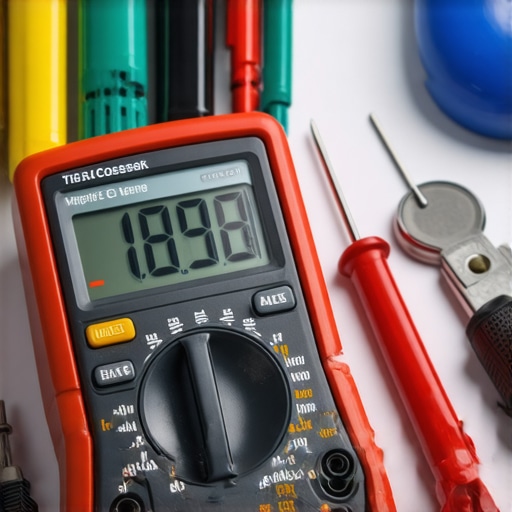
Maintaining your dishwasher’s peak performance over the years requires more than just regular cleaning; it demands the right tools and a proactive approach to troubleshooting. As an enthusiast and professional, I’ve found that using specific, high-quality equipment makes all the difference in diagnosing and resolving issues efficiently. For example, a digital multimeter is indispensable for testing electrical components such as sensors and control boards. I personally prefer a multimeter with auto-range capabilities and a non-contact voltage tester for safety and ease of use. These tools allow me to quickly identify faulty wiring or malfunctioning components without dismantling the entire unit. Additionally, a set of precision screwdrivers tailored for appliance repair helps me access tight spaces and delicate connectors without damage—saving time and preventing costly mistakes.
Beyond hand tools, I rely heavily on software diagnostics, especially for modern smart dishwashers. Manufacturer-specific apps or diagnostic modes enable me to read error codes, monitor cycle parameters, and even update firmware if necessary. This integrated approach not only streamlines repairs but also extends the lifespan of the appliance by ensuring it operates with the latest software optimizations. As technology evolves, I predict a future where AI-driven diagnostic tools could provide predictive maintenance suggestions, helping homeowners catch issues before they escalate.
How do I maintain my dishwasher over time?
Regular visual inspections complemented by these precise tools are vital. Checking for wear on door seals, corrosion on metal parts, and buildup in spray arms can prevent minor issues from becoming major repairs. Incorporate routine tests with your multimeter to ensure sensors and switches are functioning correctly and perform firmware updates via the manufacturer’s app to optimize performance. Remember to keep spare parts like filters, inlet valves, and spray arms on hand; knowing when to replace them is crucial for avoiding long-term damage. For guidance on component longevity, I recommend reviewing when to replace dishwasher parts.
Investing in quality diagnostic tools and adopting a maintenance routine tailored to your dishwasher’s needs can save you significant time and money over the lifespan of your appliance. Don’t underestimate the power of a well-equipped toolkit combined with proactive care—your dishwasher’s long-term reliability depends on it. To take your maintenance game a step further, try calibrating your sensors regularly, which can improve cycle times and energy efficiency. Use a digital multimeter to check sensor resistance and ensure accurate readings, preventing unnecessary cycle extensions and ensuring optimal cleaning results.
The Surprising Lessons from My Eco-Mode Journey
One of the most eye-opening moments in my appliance repair experience was realizing that many long-standing myths about dishwasher eco-mode are just that—myths. I once believed that all eco-cycles were inherently slow because they were designed to save energy at all costs, but I learned that the reality is more nuanced. Sometimes, simply understanding how the cycle operates and adjusting my approach can dramatically reduce cycle time without sacrificing efficiency.
For example, I discovered that running a pre-clean with hot water and ensuring the filters are spotless can enable the eco-cycle to finish in less than half the usual time. It’s those little tweaks, backed by a deep understanding of the dishwasher’s inner workings, that truly make a difference and extend your appliance’s life.
Top Tools and Resources I Swear By
Over the years, I’ve collected some essential tools and references that have been game-changers in my repair routine. A quality digital multimeter is invaluable for diagnosing sensor issues that prolong eco-cycles or cause errors—check out this guide to learn how to use it effectively. Also, I rely on the manufacturer’s service manuals, which you can often find linked through trusted repair communities, to understand specific cycle settings and troubleshooting tips. Lastly, well-reviewed parts suppliers such as these experts help me choose the right components—saving time and money in the long term.
Choose Your Repair Arsenal Wisely and Stay Curious
Keeping your dishwasher in top shape isn’t just about fixing problems—it’s about building a proactive mindset. Regularly inspecting your appliance with a qualified toolkit and staying informed through reputable sources empowers you to identify issues early. Take the time to calibrate sensors with precision tools, like a good multimeter, and keep spare parts like filters on hand, so you’re never caught off guard. Staying curious and committed to learning more about your appliance will help you troubleshoot smarter, extend its lifespan, and ultimately, enjoy better cleaning performance.
Remember, the journey to mastering your dishwasher’s performance is ongoing. As technology advances, keep an eye on innovations like smart diagnostics or firmware updates that can make maintenance even easier. The more you invest in understanding your appliance, the more satisfying and cost-effective your ownership experience becomes. So, why not start today with a quick sensor calibration or a deep clean of your spray arms? Your dishwasher—and your wallet—will thank you!
Related Posts
Why Your Energy Bill Spikes When You Use Heated Dry
I remember the moment I realized my energy bills were…

How to Read Your Unit’s Energy Guide Before You Buy
I remember the moment clearly. I was about to buy…
The Impact of Cold Water Inlets on Cycle Efficiency
I remember the moment clearly—my dishwasher was acting up, and…