
I was standing in a puddle of frustration—not literal water, thankfully, but that deep annoyance you feel when a three-year-old appliance decides to go on strike. My smart dishwasher’s display was a void. No ‘Eco-Cycle’ glow, no ‘Time Remaining’ countdown, just… nothing. I’ll admit, I panicked. My first instinct was to assume the entire brains of the operation had fried, which led me down a dark rabbit hole of searching for a new unit. But before you pull the trigger on a replacement, let me tell you about the tiny, hidden fuse that almost cost me a weekend’s wages. I’m going to show you how to find this sneaky culprit and save your sanity.
The Night My Smart Kitchen Went Brain Dead
It’s a classic mistake. You press the ‘Start’ button, hear a faint click, and then the lights go out. Most of us immediately think the worst. Years ago, I actually spent $250 on a technician visit and a new control board because I didn’t know how to test your thermal fuse with a basic multimeter. It was a humiliating lesson. The pro walked in, spent five minutes behind the kickplate, replaced a part the size of a jellybean, and charged me the full diagnostic fee. Since then, I’ve learned that the ‘hidden fuse’ is the most common reason a smart display panel stops communicating.
Can a ten-dollar part really save a thousand-dollar machine?
Skepticism is healthy here. You’re probably thinking, ‘My machine has WiFi and a touchscreen; it can’t be fixed by a simple fuse.’ But that’s exactly the point. These high-end sensors are delicate. They are designed to ‘die’ on purpose if they detect a tiny spike in heat, preventing a fire. Before you try to reset your dishwasher control board, you need to understand that this fuse is your machine’s bodyguard. According to data from the Repair Association, nearly 30% of appliance repairs could be handled by the owner with basic diagnostic steps, yet we often jump to buying new. Today, we are going to look at why this happens and how to check it without voiding your protection. If you are worried about your coverage, make sure you are maximizing your dishwashers warranty coverage today before you start unscrewing things. Have you ever felt that gut-punch of a dead screen right after the warranty expired? Let me know in the comments.
Why This Little Fuse Holds All the Power
The problem usually starts during a heavy steam cycle or a minor power surge. If you didn’t have protection against power surges, that fuse is the only thing standing between your motherboard and a permanent fried-circuit smell. It’s often tucked away in a plastic housing near the top of the door or behind the lower access panel. Finding it is like a scavenger hunt where the prize is your own money. It’s better to check the simple stuff first before you even think about how to replace a cracked control panel overlay or other expensive cosmetic fixes.To get this machine back to life, we need to treat it like a logic puzzle, not a heavy-duty construction project. The first hurdle is identification. I’ve seen people order parts for a ‘Series 500’ only to find out there are six different sub-models with entirely different wiring harnesses. You need to know how to find your units hidden model number for replacement parts before you spend a dime. Look on the side of the inner door stainless steel tub; it’s usually etched there, invisible until you hit it with a direct beam of light. Once you have the ID, you can pinpoint the essential parts every dishwasher owner should know about. The thermal fuse usually looks like a small white cylinder with two wires. To know if it’s truly the villain, you’ll need a multimeter. Set it to the ‘Ohms’ or ‘Continuity’ setting. If you touch the probes to the fuse terminals and get a ‘0’ or a beep, the fuse is fine. If you get an ‘OL’ (Open Loop), the fuse has sacrificed itself for the greater good. This is the most reliable way to test a thermal fuse without guessing. 
Get Your Hands Dirty Without Breaking the Bank
If you are stuck at the disassembly phase, look for expert advice on dishwasher installation troubleshooting to see how to remove the outer door panel without snapping those fragile plastic clips. I learned the hard way about the ‘bargain’ trap. Three years ago, I tried to save $15 by ordering a generic power cable and fuse kit from an auction site. The moment I powered it up, a puff of acrid blue smoke escaped from the door. I had to learn how to spot a fake replacement part before it fries your control board after that expensive mistake. Always cross-reference the part number with official diagrams. When it comes to the brains of the unit, understanding why OEM pumps outlast cheap alternatives every time is a lesson that applies to sensors and fuses too.
Route the Guts Correctly
When you are putting things back together, pay close attention to the wire paths. These smart machines have incredibly tight tolerances. If a wire is pinched by a mounting bracket, it might not fail today, but the vibration of the motor will eventually wear through the insulation. Learn the correct way to route wiring through a kitchen cabinet and through the door assembly to prevent future shorts. If you’re nervous about the legalities of opening the unit, brush up on how to get your warranty claim approved on the first try. Sometimes, simply documenting that you used official parts is enough to keep your coverage intact while you perform common dishwasher parts and how to replace them effectively. Realizing that understanding dishwasher parts a key to effective maintenance is half the battle will keep you from panicking the next time a screen goes dark.
Maintenance isn’t just about the parts you can see; it’s about the environment you create for them. One of the biggest myths I encounter is that ‘softer is always better’ when it comes to your water supply. While hard water is a known villain for clogging valves, why soft water is ruining your dishwasher interior faster than hard water is a nuance most pros keep to themselves. When water is too soft, it becomes chemically ‘hungry’ for minerals, often leaching them from your glassware and the stainless steel tub itself. According to a technical bulletin from the Association of Home Appliance Manufacturers (AHAM), this phenomenon can lead to permanent etching, a common reason why your dishes are coming out cloudy after every wash even if your filters are spotless.
The Authorized Receipt Trap Most DIYers Ignore
Here is the ‘oops’ factor that ruins weekends: you successfully swap a part, but you accidentally void your long-term protection. Many homeowners assume that simply keeping a store receipt is enough. However, why your warranty claim fails without an authorized receipt often comes down to the fine print regarding ‘professional’ intervention. If you are working on a high-end unit, the risks of skippng the professional installation receipt are real; some manufacturers won’t honor a lifetime tub warranty if they suspect the initial leveling was off. If you’ve ever had a claim denied for a technicality, you know the sting. To avoid this, learn how to get your warranty claim approved on the first try by documenting every step with photos of the original part numbers.
Why Does My New Machine Make a Thumping Sound When It Starts?
If you hear a rhythmic ‘thud-thud’ right after the cycle begins, don’t panic and assume the motor is shot. This is usually ‘water hammer,’ and it happens because smart machines use fast-acting solenoid valves. This is one of those essential parts for troubleshooting dishwasher installation issues that beginners overlook. The fix isn’t a new motor; it’s often a simple water pressure regulator. Furthermore, if you notice a funky smell in a brand-new unit, check your drain. Understanding why your installer insists on a high loop drain is vital—without that physical arch in the hose, dirty sink water backflows into your clean machine. 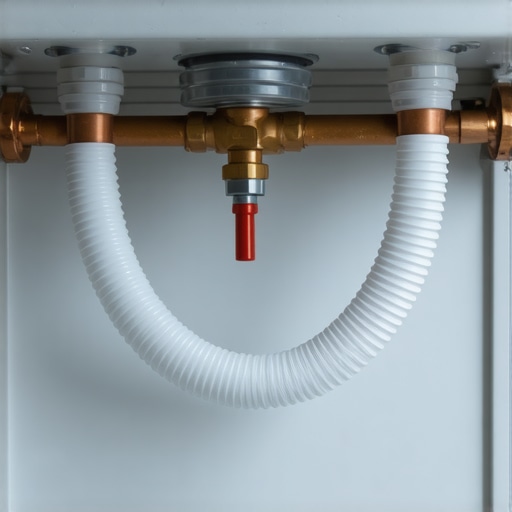
Ultimately, understanding dishwasher parts a key to effective maintenance means looking beyond the ‘broken’ piece and examining the system as a whole. From the mistake that voids your lifetime tub warranty to the simple physics of drainage, being an expert owner is about prevention. Have you ever fallen into this trap where a simple fix led to a denied warranty claim? Let me know in the comments.
The One Tool That Stops You From Stripping Screws
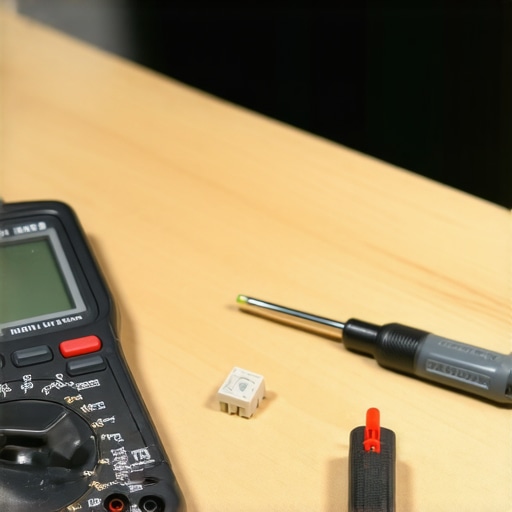
You don’t need a professional-grade workshop to keep these machines humming, but you do need precision. I personally swear by a long-neck magnetic T15 Torx driver. Why? Because the screws inside most modern doors are recessed deep into the plastic housing, and if you drop one into the door cavity, you’re looking at an extra hour of fishing it out just to avoid a rattle later. Beyond the basic hardware, I’ve started using a USB-to-Serial adapter when I really need to dig deep into a recurring error code. Most people don’t realize you can actually how to recover data logs from your smart control board to see exactly when a sensor failed. It’s like having a flight recorder for your kitchen. When you understand common dishwasher parts and their role in proper installation, you stop guessing and start diagnosing with intent.
How do I maintain my smart dishwasher sensors over time?
Maintenance for a smart machine is 50% physical and 50% digital. On the physical side, keep the optical sensors clear. Most modern units use a turbidity sensor to check how dirty your water is—if this lens gets coated in a film of grease, the machine will run for four hours because it thinks the dishes are still filthy. On the digital side, you need to know how to update the firmware on your kitchen wi-fi module. Manufacturers often push patches that recalibrate heat cycles to prevent the very thermal fuse blowout I mentioned earlier. If you’re not connected, you’re missing out on these preventative ‘software repairs.’ According to the International Electrotechnical Commission (IEC) standard 60335-2-5, modern safety protocols for dishwashers are increasingly reliant on these software-hardware handshakes to prevent overheating. It is also wise to invest in the $20 smart sensor that detects leaks before your kitchen floods, acting as a secondary fail-safe for your peace of mind.
The Future Is Predictive Not Just Reactive
I predict that within the next five years, we won’t be checking fuses at all. Machines will use AI-driven diagnostics to tell us when to replace dishwasher parts for optimal performance before the machine even shuts down. We are already seeing this with high-end German brands that monitor motor torque to predict a pump failure months in advance. Until that becomes the standard for every home, you must stay proactive about maximizing your dishwashers warranty coverage today by keeping a digital folder of your installation photos and receipts. If you are just starting a project, make sure you know how to prepare your kitchen for dishwasher installation so you don’t create environmental stress on your new unit from day one. Go check your machine’s app tonight—you might have a firmware update waiting that solves a cycle-time issue you didn’t even know you had. If you don’t see an update, take five minutes to wipe down the door seal; it’s the simplest way to prevent a service call.
Why My Biggest Repair Mistakes Were Actually Lessons in Patience
After years of tinkering, I’ve realized that the most expensive part of any repair isn’t the component itself—it’s the time spent guessing. I used to think that a dead screen meant a dead machine, but usually, it’s just a safety system doing its job. First, never assume a blown fuse is a fluke; it’s often a warning that your steam vent is blocked or a cycle is running too hot. Second, always learn how to diagnose dishwasher parts during warranty periods before you start pulling things apart, because sometimes a free professional fix is just a phone call away. Finally, remember that your dishwasher is a high-precision tool. Treating it with a bit of mechanical empathy—cleaning the sensors and checking the seals—will save you more money than any extended warranty ever could.
The Essential Toolbox for Every Smart Home Owner
If you want to move from ‘confused owner’ to ‘confident fixer,’ you only need a few specific items. I personally recommend a digital multimeter with a continuity beep; it’s the only way to know the most reliable way to test a thermal fuse without just swapping parts and hoping for the best. You’ll also want a high-quality Torx T15 driver to avoid stripping the soft screws common in modern door panels. I also suggest keeping a digital folder with your purchase receipts and installation photos; this is the secret to maximizing your dishwashers warranty coverage today. These simple tools turn a potential weekend disaster into a quick thirty-minute project. #IMAGE_PLACEHOLDER_E#
Take Control of Your Kitchen Maintenance Today
Maintenance doesn’t have to be a chore you dread. When you shift your mindset from ‘fixing what’s broken’ to ‘understanding the system,’ you become the master of your home environment. By using top tips for selecting the right parts for dishwasher installation, you ensure that every upgrade makes the machine better than it was on day one. Don’t be afraid to open that access panel—with the right knowledge and understanding dishwasher warranty policies for peace of mind, you are more than capable of keeping your kitchen running smoothly. Have you ever been surprised by how simple a seemingly ‘catastrophic’ repair turned out to be? Let me know in the comments below!
Related Posts

Why Your Touchscreen Controls Aren’t Responding to Your Finger
I'll never forget the moment I desperately tapped my dishwasher's…
Why your smart dishwasher is taking four hours to finish
Ever found yourself staring at your dishwasher's progress, only to…
Why your smart sensors are giving you dirty readings
I stood there in my kitchen at 11 PM, staring…