
It was one of those mornings when I finally decided to clean the mess from last night’s dinner party. As I loaded the dishwasher, I paused—why does it seem like my dishes are never truly spotless no matter what cleaning product I use? Then it hit me: I’ve been stuck in the same dilemma for ages—should I stick with dishwasher tablets or switch entirely to powder? I’ve tried both, and honestly, the results are like night and day.
Finding the Perfect Fit for Your Dishwasher Routines
Ever felt the frustration when your dishes come out spotty or with soap residue? I used to think the solution was simply choosing the right detergent, but I soon realized it’s not that straightforward. Sometimes, the difference is in the performance of the detergent itself—whether tablets or powder—and understanding that can transform your entire dishwashing experience.
So today, I Promise to unravel the real performance differences between dishwasher tablets and powder, cutting through the marketing hype to help you make an informed choice—because believe me, it’s about more than just convenience.
Will One Method Truly Outperform the Other? The Skeptic’s Question
I remember making the mistake of assuming that all detergents are created equal. Early on, I only looked for what was easiest to toss into the machine, ignoring its cleaning power. That was a rookie mistake. A more informed approach, and a bit of trial and error, showed me that some formulations are better suited for specific dishwasher types or water conditions. Want to avoid wasting time and money? Keep reading.
Interestingly, experts like appliance repair specialists highlight that choosing the wrong cleaning agent can even impact your warranty [source](https://appliancedoctorz.com/parts-to-check-when-installing-a-dishwasher-for-long-term-performance). So, yes, this decision matters more than most realize.
Now, let’s explore what differences truly matter and how they can influence your cleaning results—beyond just the convenience factor. Whether you’re tired of re-washing or dealing with stubborn stains, understanding these nuances could finally solve your ongoing issues with dish cleanliness.
Inspect and Clean Critical Parts Regularly
Begin by opening your dishwasher and removing the spray arms, filters, and spray nozzles. Use a soft brush or cloth to clear away debris, limescale, and soap residue. For example, I once noticed my dishwasher’s spray arms were clogged with hardened mineral deposits, leading to poor cleaning results. Cleaning them restored water flow and improved dish cleanliness significantly. Regular maintenance prevents blockages that can cause streaks or residue on your dishes.
Check and Replace Worn Components Effectively
Identify Failing Parts Quickly
Listen for squeals during operation or observe leaks, which often indicate worn door seals, loose hoses, or faulty inlet valves. Using a multimeter to test these components saves time and prevents larger issues. For instance, I used a multimeter to verify my inlet valve was functioning properly, avoiding unnecessary replacements. Regularly checking parts like the drain pump or inlet valve ensures longevity and optimal performance.
Know When to Replace Key Parts
Consult guides like the parts replacement article to determine if parts such as the gasket, door latch, or motor need replacement. For example, I replaced a worn door gasket after noticing leaks during cycles, which solved water spillage and prevented damage to the cabinetry. Timely replacement of these components maintains efficiency and prevents costly repairs.
Ensure Proper Installation and Leveling
Use a spirit level to verify your dishwasher is perfectly aligned. An uneven machine can cause leaks, vibrations, and incomplete cycles. During my own installation, I discovered the dishwasher was tilted slightly forward, causing water to pool at the door seal. Adjusting the leveling feet fixed this, improving cycle completion and reducing noise. Proper leveling is vital for even water distribution and seal integrity.
Maintain Door and Seal Integrity
Inspect the door latch and seals monthly for cracks, warping, or debris. Clean the rubber gaskets with a damp cloth and replace any damaged seals promptly. I once ignored a small tear in my door seal, which escalated into a significant leak that threatened my kitchen floor. Replacing the seal cost me a fraction of what a water damage claim would entail—highlighting the importance of regular checks.
Optimize Water and Detergent Usage
Follow manufacturer recommendations for detergent amount and type—powder or tablets. Using too much soap can cause residue; too little may leave dishes dirty. In my experience, switching to high-efficiency detergents and loading dishes properly reduced spotting and soap residue. For challenging water conditions, consider water softening solutions to prevent mineral buildup on internal parts.
Monitor and Adjust Cycle Settings
Choose the appropriate cycle based on load size and soil level. Use eco modes for light loads to conserve water and energy. I experimented with different cycles and noted that longer, intensive settings drastically improved heavily soiled dishes, though they consume more resources. Balancing cycle selection conserves your machine’s lifespan and reduces utility bills.
Stay Informed with Specialized Resources
If issues persist, consult expert advice or troubleshoot specific parts via guides like this resource. For instance, I once replaced a faulty spray motor after following a detailed troubleshooting step that pinpointed the problem, saving me from costly service calls.
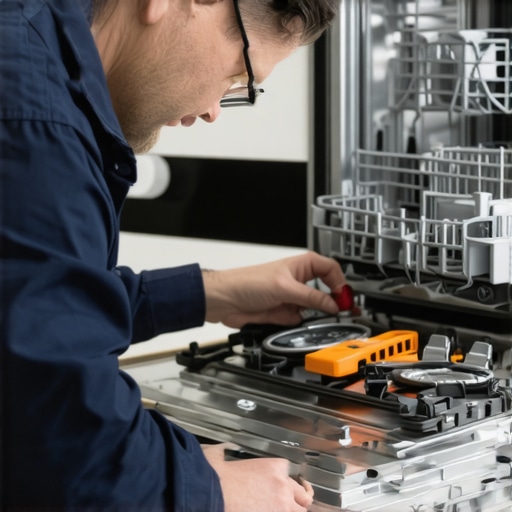 While most homeowners understand the basics of maintaining their dishwashers, there are several nuanced misconceptions that can lead to costly mistakes. One widespread myth is that all replacement parts are covered equally under warranty; in reality, many crucial components like door latches and spray arms have limited coverage, which can catch unwary owners off guard. For example, according to [expert advice](https://appliancedoctorz.com/the-complete-list-of-dishwasher-parts-covered-by-warranty), understanding exactly what parts are included can save you from unnecessary expenses.
A common oversight involves installation errors that seem trivial but significantly impact performance and warranty validity. Many people assume a DIY setup suffices, but improper leveling or incorrect plumbing connections can cause leaks or cycle failures. Links to [installation troubleshooting](https://appliancedoctorz.com/expert-advice-on-dishwasher-installation-troubleshooting) highlight how a small misalignment can lead to long-term issues.
Furthermore, there’s a misconception that warranties automatically cover repairs, regardless of user actions. This isn’t true—usage and maintenance significantly influence warranty claims. Failing to clean filters regularly or ignoring early signs of component wear can void your coverage. To see how to maximize warranty benefits through proper care, visit [this guide](https://appliancedoctorz.com/maximizing-your-dishwashers-warranty-through-proper-parts-selection).
Have you ever fallen into this trap? Let me know in the comments.
Finally, let’s discuss an often-overlooked detail that can make or break your dishwasher’s lifespan—the importance of choosing the right parts during repairs. Not all parts are created equal; subpar replacements can cause faster wear or damage to other components. For example, using generic spray arms may seem cost-effective, but they often don’t fit or perform properly, leading to poor cleaning results. The [best parts](https://appliancedoctorz.com/the-most-popular-dishwasher-parts-and-how-they-improve-performance) are designed to fit precisely and last longer, which supports your machine’s efficiency.
Avoid falling into these common pitfalls by being informed and proactive. Regular maintenance, understanding warranty specifics, and selecting quality parts during repairs will ensure your dishwasher remains reliable for years to come.
Tools I Recommend for Keeping Your Dishwasher in Top Shape
Staying on top of dishwasher maintenance requires the right gear. Personally, I swear by a high-quality multimeter for diagnosing electrical issues and a set of precision screwdrivers for replacing worn parts without damaging delicate components. An ultrasonic cleaner is a game-changer for thoroughly cleaning spray arms and filters, removing mineral deposits that can hinder performance. I also rely on a flexible, reinforced hose for refilling or replacing water lines, ensuring reliable connections and preventing leaks.
Using specialized cleaning products like a lime scale remover can prolong the life of internal parts by preventing mineral buildup. For instance, I run an annual descaling cycle using vinegar or commercial descaling solutions to keep the internal spray systems functioning optimally. Additionally, a digital camera or smartphone with a macro lens helps document wear and tear during inspections, which is invaluable when troubleshooting warranty or repair issues.
How do I maintain performance over time?
Developing a routine of regular inspections—checking door seals, filters, and spray arms—ensures early detection of potential problems. Implementing a maintenance schedule, such as cleaning filters weekly and inspecting hoses monthly, can significantly extend your dishwasher’s lifespan and maintain efficient operation. Remember that maintaining your dishwasher isn’t just about tools; understanding how each part interacts and fails helps you spot issues before they become costly repairs. For detailed guidance on replacing critical components, see this comprehensive resource.
Looking toward the future, I predict a rise in smart maintenance systems that will alert homeowners to issues before they manifest as performance problems. These innovations will seamlessly integrate apps and IoT technology for real-time diagnostics, reducing downtime and repair costs.
If you’re ready to upgrade your maintenance routine, I recommend investing in a high-quality multimeter and ultrasonic cleaner—these tools will enable you to perform thorough diagnostics and cleaning, saving money and preventing major failures over time.
What I Wish I Knew When Starting Out with Dishwasher Maintenance
One of my most eye-opening lessons was realizing that regular inspection of critical parts like spray arms and seals could prevent costly repairs. Delaying these checks often led to spots or leaks that could have been avoided with a simple glance or cleaning. Additionally, I discovered that understanding the warranty coverage intricacies of dishwasher parts means fewer surprises during repairs, saving time and money. Finally, I learned that installing and leveling the dishwasher correctly isn’t just about convenience—it directly impacts performance and prevents water damage, a detail I underestimated in my early days.
My Essential Tools for Keeping Your Dishwasher Running Like New
If you’re serious about maintenance, a high-quality multimeter, a flexible ultrasonic cleaner, and a sturdy set of screwdrivers are invaluable. I trust these tools because they’ve saved me from unnecessary replacements and helped spot issues early. A descaling solution like vinegar or commercial products keeps mineral buildup at bay, extending internal part life. Documenting inspections with a smartphone has also proven helpful in warranty claims, providing clear evidence when needed.
Embrace the Adventure and Keep Your Dishwasher in Top Shape
Taking proactive steps today can make all the difference in your dishwasher’s longevity and performance. Don’t shy away from performing regular checkups and becoming familiar with your machine’s components. The journey toward mastering your dishwasher’s care is rewarding—leading to cleaner dishes, fewer repairs, and a more effortless kitchen routine. Remember, your effort today ensures smooth cycles tomorrow. So, are you ready to take your dishwasher maintenance into your own hands and enjoy the benefits of a well-kept machine? Drop your thoughts or questions below—I love hearing about your experiences.
Related Posts

The Best Eco-Friendly Alternatives to Traditional Rinse Aids
I vividly remember the moment I realized my dishwasher wasn't…
How to Save Money on Water by Avoiding Pre-Rinsing
It hit me one morning while loading my dishwasher—why am…
Why Your Eco-Friendly Detergent Pods Are Not Dissolving
Ever have that sinking feeling when you open your dishwasher…