There was a moment last year when I was elbow-deep in my kitchen sink, frustrated beyond belief. My brand-new 2026 smart dishwasher kept tripping the circuit breaker during its first cycle, and I was starting to regret my upgrade. The worst part? I had followed all the setup instructions, or so I thought. That lightbulb moment struck me hard—what if this wasn’t just about faulty wiring or defective parts, but something simpler?
The Hidden Danger Every 2026 Dishwasher Owner Should Know
After some research, I discovered that many of these state-of-the-art dishwashers are vulnerable to power surges—especially during peak load times or minor electrical disturbances—that can damage internal components, void warranties, or worse, cause safety hazards. Shockingly, a small $28 surge suppressor can make all the difference in protecting your investment and your home’s electrical system. In fact, experts say that installing a surge protector can prolong appliance lifespan and prevent costly repairs. Find out more about why this specific surge suppressor is essential for 2026 models.
Is This Surge Suppressor Worth the Investment or Just Hype?
This was my biggest worry early on—adding another part sounds like just an extra expense, right? But I’ll tell ya, I’ve learned the hard way that overlooking this little detail can lead to more headaches than it’s worth. Early on, I made the mistake of assuming my wiring was perfect and that my appliance’s warranty would cover any surge damage. Turns out, many warranties are nullified if proper surge protection isn’t in place. That’s why understanding the importance of proper parts selection for warranties is so crucial.
If you’ve ever experienced unexpected power outages or flickering during your dishwasher’s cycle, you know how nerve-wracking that can be. Having faced similar issues early on, I realized that a small investment now can save you big stress down the line. This simple add-on can prevent you from dealing with repair calls, warranty disputes, or worse—having to buy a new dishwasher prematurely.
In the next section, we’ll explore exactly how this surge suppressor works, how to choose the right one, and what installation mistakes to avoid. Trust me, a few quick tweaks can make a world of difference in maintaining your appliance’s health and your peace of mind. So, are you ready to protect your investment and keep your kitchen running smoothly? Let’s get into it.
Disconnect Power and Prepare the Area
Before starting, unplug your dishwasher to ensure safety. Clear the surrounding space and lay down a towel to catch any stray water. Remove any decorative panels or kickplates to access the wiring compartment. Remember, safety is paramount—always disconnect the power source before handling electrical connections.
Identify Correct Installation Points
Locate the dishwasher’s power cord connection inside the unit. Use the manufacturer’s manual or a trusted diagram of dishwasher parts to confirm the wiring terminals. Ensuring you’re connecting the surge protector correctly prevents future damage and maintains warranty validity.
Choose the Appropriate Surge Suppressor
Select a surge suppressor rated specifically for kitchen appliances, preferably with a clamping voltage below 400V. For 2026 models, proper parts selection is critical. Use a device with a Joules rating above 1500 to absorb power surges effectively. This small investment guards against damaging voltage spikes that your home’s electrical system may experience.
Connect the Surge Protector
Attach the surge suppressor’s input wires to the dishwasher’s power supply terminals, matching color codes: black to black (hot), white to white (neutral), and green or copper to ground. Make sure the connections are tight and secure using the correct crimp connectors or wirenuts. A loose connection is a primary cause of electrical fires and appliance failure, so double-check your work.
Secure and Test the Setup
Once wired, secure all connections with electrical tape to prevent movement. Replace any panels or kickplates, ensuring no wires are pinched or exposed. Plug in the dishwasher and run a short cycle to verify proper operation. Observe the unit during startup for any signs of electrical issues—discontinue if abnormalities occur.
Document and Warranty Compliance
Keep receipts, installation photos, and warranty registration paperwork readily accessible. Proper documentation is essential if you need to make a warranty claim later, especially if concerns about warranty compliance arise due to installation methods. Regularly inspecting connections and maintaining records streamline future service or warranty processes.
Note on Common Mistakes
Avoid reusing old fittings or cutting corners with inexpensive parts. For instance, using non-rated connectors or skipping the grounding step can void your warranty and increase safety risks. For thorough guidance, consult this troubleshooting parts list and ensure every component is up to standard.
Remember, a well-executed installation not only shields your new dishwasher from surges but also preserves your warranty coverage. Taking these steps diligently will save you headaches and money in the long run, and give peace of mind knowing your appliance is protected against power irregularities.
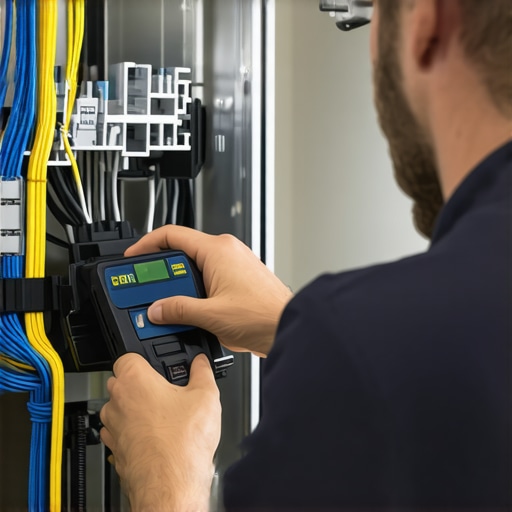 Many homeowners assume that installing a dishwasher is merely about connecting a few hoses and plugging it in, but the reality is far more nuanced. One common misconception is that the warranty covers any damage resulting from DIY installations or use of inexpensive parts. In fact, manufacturers often specify strict requirements for parts quality and installation procedures to uphold warranty validity. Overlooking these details can inadvertently void your coverage, leaving you vulnerable to costly repairs. Moreover, the myth that all dishwasher parts are interchangeable or generic is widespread; but in truth, each component—from inlet valves to control boards—has specifications that, if not followed, can lead to premature failures or safety hazards.
Another trap many fall into is underestimating the significance of proper grounding and electrical connections. Believe it or not, a small oversight here can cause electrical shorts, appliance damage, or even fires. Installing a surge protector specifically designed for high-end appliances can significantly mitigate these risks. This is especially crucial for models like the 2026 smart dishwashers, which incorporate advanced circuitry sensitive to power fluctuations.
While some assume that warranties are automatic and cover all issues, the reality involves a complex web of requirements. For instance, failing to keep detailed documentation—such as receipts, photographs of installation, or logs of calibration—can jeopardize warranty claims. Experts strongly advise proactive record-keeping and regular maintenance checks to ensure compliance. You can learn more about warranty requirements and protection tips here.
Let’s address a crucial question that more advanced users ask:
Why does incorrect part selection impact both performance and warranty validity?
The answer lies in the intricate design of modern dishwashers, which rely on specific components that meet precise standards for electrical compatibility, durability, and safety. Using generic or incompatible parts might seem cost-effective initially but can lead to increased wear, malfunctions, or warranty denial. Studies show that properly matched and rated parts lengthen appliance lifespan and protect warranty rights. For example, checking the correct parts before installation ensures smooth operation and peace of mind.
Finally, many forget that installation is an ongoing process—not a one-time event. Regular inspections, timely replacements of worn parts via knowing when to replace components, and adherence to manufacturer guidelines are key to preserving your warranty. Skipping these steps might save time initially but can cost significantly more later. Do you see yourself falling for these pitfalls? Have you ever fallen into this trap? Let me know in the comments.
Equip Yourself with Precision Tools for Reliable Maintenance
Maintaining your dishwasher’s performance over time requires more than just basic knowledge; it demands the right tools to ensure safety, accuracy, and efficiency. One of the most underrated yet vital instruments is a high-quality digital multimeter. I personally rely on a Fluke 117, because its precise readings help me diagnose electrical issues swiftly, avoiding unnecessary disassembly or false alarms. Alongside this, a set of magnetic screwdrivers simplifies access to internal components without damaging sensitive parts, especially when working on models like the 2026 series that incorporate advanced circuitry.
Another tool I recommend is a precision torque screwdriver, which guarantees that you tighten fittings and screws to manufacturer specifications. Over-tightening can deform plastic fittings, while under-tightening risks leaks or disconnections. By using a torque screwdriver calibrated per the specifications outlined in understanding dishwasher parts, you prevent damage and ensure warranty compliance.
Implementing Software and Logs for Proactive Care
Beyond physical tools, leveraging digital diagnostics is transforming dishwasher upkeep. Installing diagnostic software that interfaces with smart dishwashers—like the 2026 models—helps track error codes, cycle histories, and sensor calibrations over time. I use a dedicated app compatible with Wi-Fi-enabled devices, which allows me to review past performance logs at a glance, identify patterns, and schedule predictive maintenance. This proactive approach goes a long way in extending appliance lifespan and catching issues before they escalate.
Developing a system to regularly export and archive these logs ensures you have a comprehensive record should warranty claims arise. For example, persistent anomalies in flow sensor readings might signal upcoming failure; early detection enables prompt intervention, saving costs and downtime. Consistently monitoring data and following manufacturer recommendations from smart sensor replacement tips can dramatically improve long-term performance.
Preparation Makes Perfect: Regular Check-Ups and Part Verification
Implementing a disciplined maintenance routine involves scheduled inspections of key components like inlet valves, gaskets, and filters. Using calibrated tools to verify part integrity helps prevent leaks or blockages. I recommend maintaining a detailed checklist, referencing long-term performance parts guide, and staying ahead of wear and tear.
Installing a leak detection system linked to your smart home setup can alert you instantly to issues, giving you peace of mind. Combining physical inspections with software monitoring creates a robust maintenance ecosystem that prolongs your dishwasher’s functional life.
Prediction: The Future of Smart Maintenance
As technology advances, expect to see more AI-driven diagnostics and predictive maintenance tools becoming standard. These systems will analyze operational data in real-time, signaling necessary repairs before problems manifest physically. Staying ahead in this domain means embracing both hardware tools and software analytics, ensuring your investment continues to serve efficiently for years to come.
How do I keep my dishwasher running smoothly over time?
The secret lies in combining precise diagnostic tools, proactive software monitoring, and regular visual inspections. Foregoing these practices can lead to costly repairs and warranty issues. I challenge you to try integrating a digital log review with your next maintenance session—it’s a game changer. With the right approach, you’ll extend your dishwasher’s lifespan and safeguard your investment for the long haul.
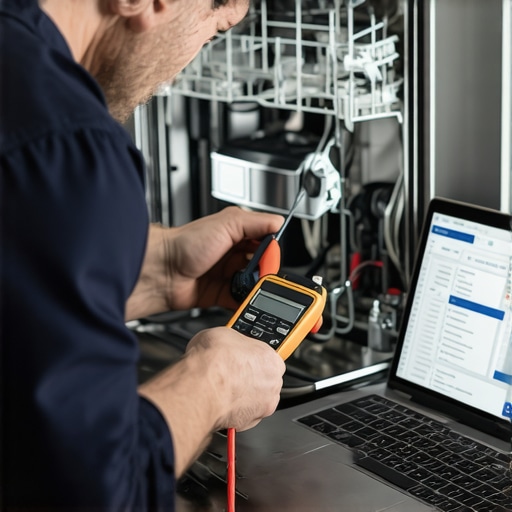
Visualizing your maintenance process with a clear diagram of internal components and diagnostic tools can make routine checks less daunting. An illustrative image showing a technician’s toolkit alongside a digital diagnostic interface underscores the importance of combining physical and digital care.
One of the most eye-opening lessons I learned about dishwasher,parts,installation,warranty was that even minor oversights can void your warranty and lead to costly repairs. For example, reusing old fittings or ignoring manufacturer specifications might seem harmless but can cause leaks or malfunctioning components that aren’t covered in warranty. This lightbulb moment pushed me to meticulously verify each part and follow detailed guidelines rather than rushing through the process.
Another revelation was understanding the critical role of proper grounding and electrical connections. I used to think that a simple plug-and-play approach was sufficient, but I realized that improper wiring might not only damage the appliance but also create safety hazards. Investing in quality tools like a digital multimeter and referring to trusted resources helped me diagnose issues early and prevent minor mistakes from escalating.
The biggest shift came when I adopted a proactive maintenance mindset, using digital diagnostics and scheduled inspections to catch potential problems before they became emergencies. Tracking error codes, sensor logs, and calibration data provided insights that saved me from unexpected breakdowns, keeping my dishwasher running efficiently and extending its lifespan. This experience taught me that a blend of technical awareness and diligent record-keeping is indispensable for preserving appliance warranties and ensuring smooth operation.
My Go-To Resources for Troubleshooting and Maintenance
- Understanding dishwasher,parts,installation,warranty details: This comprehensive guide helped me grasp the fundamentals of proper installation and parts selection, which are vital for warranty compliance.
- Parts checklist during installation: Ensures you don’t overlook critical components that can affect performance and warranty claims.
- When to replace parts: Recognizes early signs of wear and prevents costly damage.
- Common parts explained: Demystifies components so you can confidently troubleshoot issues.
Your Next Step Toward Smarter Repairs
Take action now by reviewing your current installation setup and maintenance routine. Using precise tools and digital logs isn’t just for professionals—it’s an empowering way to extend your dishwasher’s lifespan and protect your warranty. Remember, the effort you put into small details pays off in peace of mind and savings down the line. So, why not start today? Your future self will thank you.
What’s been the biggest surprise in your dishwasher maintenance journey? Share your experiences below and let’s learn together!
Related Posts
Stop Reusing Old Hoses: 4 Parts for a Safe 2026 Installation
It was a typical Saturday morning, and I was excited…

Stop the Flood: 4 Critical Parts to Inspect in 2026
Let me tell you about the time I almost faced…
5 Brass Fittings to Prevent 2026 Dishwasher Install Leaks
I'll never forget the sinking feeling I had when I…