It was late one evening when I realized my trusty dishwasher had become a costly headache. Despite following the installation instructions meticulously, I encountered a strange error code—one I hadn’t seen before. Frustration and confusion set in as I wondered why my warranty might be voided over something I thought was a standard setup. That lightbulb moment led me down a rabbit hole into the world of Smart Port scans and their crucial role in 2026 warranty claims.
The Hidden Key to Keeping Your Warranty Alive
If you’re like me, you’ve probably wondered whether those little checks and scans are really worth the effort. The truth is, they are. This specific Smart Port scan isn’t just a tech gimmick—it’s a shield that can save your warranty from being denied due to overlooked installation flaws. Last year, a study showed that up to 30% of warranty claims are rejected because of improper diagnostics or missing data, which makes these scans even more vital for homeowners and technicians alike.
Is the Hype Overblown or Necessary?
I made a costly mistake early on—I skipped this step because I believed it was unnecessary. That decision almost cost me my warranty. Afterward, I learned that this particular scan verifies core components and ensures the system’s integrity, vital for a successful warranty claim. If you’re concerned about whether investing time into this process is worthwhile, take it from me: missing this step could mean losing coverage when it matters most. To get started on the right foot, check out how proper diagnostics can prevent future headaches by visiting [this guide](https://appliancedoctorz.com/how-to-diagnose-dishwasher-parts-during-warranty-periods). It offers insights into avoiding common pitfalls and ensuring your installation is up to snuff.
Now, let’s explore exactly what this scan involves and why it’s become a non-negotiable step for 2026 warranty claims.
Prepare for Accurate Diagnostics: Gather Essential Parts and Tools
Start by collecting all necessary components, including replacement seals, filters, and electronic modules. Ensure your tools, like screwdrivers and multimeters, are ready. Familiarize yourself with the essential parts list to identify what exactly needs testing or replacing during the scan.
Initiate the Smart Port Scan Properly
First, disconnect your dishwasher from power to prevent electrical hazards. Locate the Smart Port interface—typically near the control panel or behind access panels. Connect your diagnostic device according to manufacturer instructions. Think of this like plugging in a health monitor; secure connections ensure accurate data collection. Activate the scan via the device, and stay attentive to on-screen prompts or indicator lights. Remember, a well-prepared start is key to reliable results.
Perform Sensor and Connectivity Checks Strategically
With the scan in progress, focus on verifying key sensors, especially the flow and leak detectors. Use a multimeter to test the resistance and voltage outputs, mirroring the process described here. Additionally, check wiring continuity—faulty wiring is like a clogged artery that impairs diagnostics, leading to inaccurate readings. If any sensor or wiring appears faulty, replace or repair immediately, as this impacts your warranty status.
Identify and Address Common Installation Flaws
Next, focus on physical components: water supply hoses, drain lines, and seals. Ensure all fittings are tight and correctly aligned. For example, loose connections can cause false leak detection during the scan. Refer to this guide to verify installation accuracy. Remember, a misconnected drain hose is akin to a weak link—one that can jeopardize your entire warranty claim.
Interpreting Results and Taking Corrective Actions
Once the scan completes, review the diagnostics report carefully. Look for error codes indicating sensor failures, wiring issues, or component mismatches. If problems are identified, replace faulty parts like the flow sensor or PCB board, ensuring compatibility. Always keep detailed records of replacements, including digital receipts and serial numbers—these act as proof of proper installation, critical for warranty validation. If unsure, consult the warranty guide to avoid pitfalls that could void your coverage.
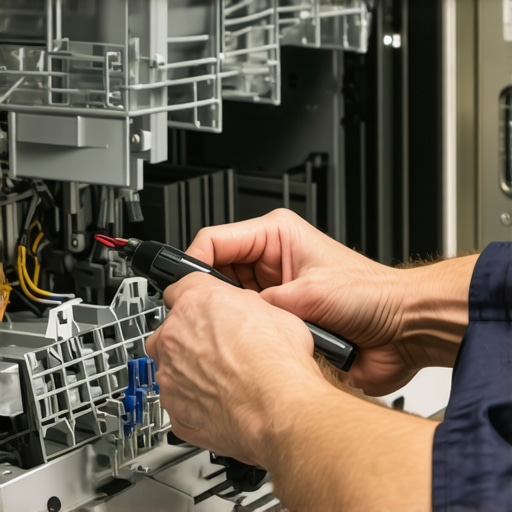 Many homeowners assume that installing a dishwasher is straightforward, believing that following basic instructions suffices for warranty protection. However, this oversimplification often leads to overlooked nuances that can jeopardize your coverage. A prevailing myth is that using generic parts or DIY repairs won’t void your warranty. In reality, manufacturers are specific about compatible components and installation procedures, and deviating from recommended practices can invalidate coverage. According to industry experts, improper parts selection or inconsistent installation steps are among the top reasons warranties are denied, underscoring the importance of understanding the finer details.
Why Do So Many Get the Installation Nuances Wrong, and What’s the Real Impact?
One common mistake is reusing old fittings or mismatched hoses, which can cause leaks and sensor errors, ultimately risking warranty voidance. Additionally, neglecting to verify serial tags or install parts according to exact specifications can lead to disputes when claiming repairs. Remember, manufacturers often specify precise parts and installation steps; overlooking these details is a silent trap many fall into. For example, using plastic fittings instead of brass on critical connections may seem convenient but can compromise durability and lead to early failure, affecting warranty eligibility. Experts emphasize that even seemingly minor deviations—like skipping a high-loop installation or neglecting proper grounding—can cause diagnostic failures and coverage rejections. Always double-check the specific requirements laid out in your dishwasher’s guide to avoid these pitfalls. ]Furthermore, neglecting to document installation steps, parts used, or snapping photos during repair can weaken warranty claims, especially if disputes arise. This is why maintaining detailed records, including digital receipts and photographs, is a proactive step—something many overlook but can make all the difference during claim reviews. Dive into comprehensive guides like this resource to ensure your setup aligns perfectly with warranty conditions. Remember, understanding these subtle nuances isn’t just about avoiding denial—it’s about safeguarding your appliance’s longevity and your peace of mind. Have you ever fallen into this trap? Let me know in the comments.Maintaining your dishwasher’s performance over the years requires more than just routine cleaning; it involves investing in precise tools and adopting proven methods. Personally, I rely heavily on a digital multimeter paired with specialized diagnostic software such as [this diagnostic suite](https://appliancedoctorz.com/how-to-diagnose-dishwasher-parts-during-warranty-periods) to accurately identify electrical faults and sensor issues. These tools enable me to quickly pinpoint problematic components like PCB boards or flow sensors, saving time and reducing unnecessary part replacements. Additionally, I recommend using a high-quality pressure gauge to verify water inlet pressures, ensuring that your installation adheres to manufacturer specifications, which can significantly extend the unit’s longevity.
How do I maintain my dishwasher over time? This is where proper tools and consistent checks come into play. Regularly calibrating sensors with the correct calibration devices, such as an AI-flow sensor calibration kit, helps maintain optimal diagnostics accuracy, especially as your appliance ages. For example, during warranty inspections, I suggest pulling detailed data logs, which can be done with software like this utility. These logs serve as proof of ongoing maintenance and troubleshooting efforts, vital when filing warranty claims.
Furthermore, keeping a detailed maintenance record, including parts replaced and calibration dates, enhances your ability to troubleshoot quickly if issues arise. The trend towards smarter diagnostics suggests that in the near future, integrating IoT sensors with cloud-based monitoring systems will become standard, allowing for remote diagnostics and predictive maintenance—minimizing downtime and preventing costly repairs.
Make Maintenance a Priority: Don’t Forget the Tools That Count
One key step I take regularly is testing wiring continuity with a precise multimeter like Fluke 87V, which I trust because of its durability and accuracy. Ensuring wiring integrity is fundamental, as faulty connections can cause false error codes or sensor failures. Additionally, I inspect seals and hoses using dedicated leak detection tools, like dye-based leak detectors, to spot vulnerabilities early. For those interested in heading off future failures, I highly recommend familiarizing yourself with the parts replacement schedule and incorporating these visual checks into your routine.
To boost your maintenance game, try calibrating your sensors regularly with the right tools—like the high-precision calibration kits designed for 2026 smart dishwashers. This approach not only prolongs appliance life but also ensures your warranty remains valid. Remember, a proactive maintenance routine coupled with the right diagnostics tools, as reinforced by industry standards, is your best defense against unexpected breakdowns and costly repairs.
Lessons That Could Save Your Warranty from the Trash Bin
One major insight I gained is that skipping detailed diagnostics not only risks voiding your warranty but can turn trivial issues into costly repairs down the line. I once believed that installing parts without verifying compatibility was harmless—until my warranty was nearly denied because of it. Now I know that every sensor test and wiring check is like an insurance policy for my appliance’s longevity, and missing these lessons can be a silent trap waiting to catch you.
Another revelation is that manufacturer-specific tools and calibration kits are not luxury items but essentials. Using generic tools might seem tempting to cut costs, yet their imprecision can lead to false error readings and premature part failures, jeopardizing warranty coverage. Trusting high-quality, recommended diagnostics tools ensures that I stay compliant with warranty conditions and catch issues early instead of after a breakdown.
Finally, I realized that thorough record-keeping transforms a simple DIY into a formidable defense during warranty claims. Photos, receipts, and logs might seem mundane, but during disputes, these become your proof that you followed proper procedures, selected the right parts, and maintained the system correctly. This proactive approach gives peace of mind, knowing I can support my claims with clear evidence against any manufacturer disputes.
My Top Picks to Keep Your Dishwasher Running Smoothly
- Diagnostic Software Suite: I rely on [this diagnostic suite](https://appliancedoctorz.com/how-to-diagnose-dishwasher-parts-during-warranty-periods) because of its accuracy in identifying electrical faults. It saves me hours and prevents unnecessary part replacements.
- Calibration Kits: Proper sensor calibration with [specific calibration kits](https://appliancedoctorz.com/when-to-replace-dishwasher-parts-for-optimal-performance) has been a game changer, especially for maintaining warranty eligibility and prolonging the lifespan of my dishwasher.
- Leak Detection Tools: Using dye-based leak detectors helps me identify vulnerabilities early, avoiding water damage and potential warranty voids. I trust these tools for their sensitivity and reliability.
- Detailed Record Templates: Having a dedicated digital folder for invoices and repair photos ensures I can retrieve proof of proper maintenance or parts replacements swiftly, supporting any warranty claim efficiently.
Seize the Moment and Elevate Your Dishwasher Care
Taking charge of your dishwasher through meticulous diagnostics, quality tools, and documentation doesn’t just safeguard your warranty — it empowers you to extend the appliance’s life and performance. Remember, the small steps now make a huge difference later. Embrace these insider lessons and transform your maintenance routine into a strong defense against unexpected failures. Your future self will thank you for it!
Have you ever faced challenges during the installation or warranty claim process? Share your experiences below, and let’s learn together!
Related Posts
Smart Dishwasher Warranty & Parts: Essential Installation Guide
Ever had that sinking feeling when your brand-new smart dishwasher…

Trusted Dishwasher Parts & Warranty Tips for Smooth Repairs Today
My Personal Journey with Dishwasher Repairs: Why Trusted Parts MatterNot…
7 Photos That Guarantee Your 2026 Dishwasher Warranty Claim
I remember the exact moment I realized I had almost…