
Ever had a moment where you feel your heart skip a beat, just as you hear that ominous hissing sound under the sink? I know I have. It was during a routine dishwasher installation that I realized a tiny, unassuming part—a $5 compression nut—could be the hero or the villain in my home’s water story. What started as a small leak quickly escalated into a flood that threatened thousands in water damage and repairs. That lightbulb moment changed everything about how I approach appliance maintenance.
Why Overlooking Small Parts Can Cost You Big
I’ve learned the hard way that neglecting simple, inexpensive components can lead to catastrophic consequences. A compression nut might seem insignificant, but when it fails, the resulting water damage can be devastating—costing thousands, not to mention the hassle of insurance claims and repairs. Interestingly, according to the Home Innovation Research Labs, water damage from faulty or improperly sealed connections accounts for the majority of appliance-related insurance claims—upwards of 90% in some cases. That’s a staggering statistic, emphasizing just how crucial these tiny parts are.
Is the Hype Around Cheap Parts Just a Sales Gimmick?
If you’re like me early on, you might think that spending extra on high-end components is unnecessary. I made the mistake of assuming all parts are created equal, only to discover that cheaper, inferior fittings often fail prematurely. That failure can lead to leaks that seep into your flooring and cabinets—problems that could have been avoided with a simple, properly installed compression nut.
So, what’s the secret? It’s understanding that proper part selection and installation are key to preventing water damage. For example, did you know that ensuring your dishwasher’s water supply connections are tight and well-sealed can extend the lifespan of the appliance and protect your home? I highly recommend reading more about maximizing your dishwasher’s warranty through proper parts selection.
Let’s dive into how this tiny component can make a huge difference and the steps to ensure your installation is secure. After all, a small investment in quality parts like a compression nut can save you from thousands of dollars and endless headaches down the line. Have you ever faced a leak that turned into a flood? Stick around—I’ll show you how to stop it before it starts.
begin with understanding the importance of choosing the right parts, and learn how this simple upgrade can safeguard your home from water disasters.
Select Quality Parts Carefully
Begin by choosing the right components for your installation. Opt for high-quality compression nuts and fittings rated for your specific dishwasher model. Use the top tips for selecting the right parts to ensure compatibility and durability. I learned this firsthand when I replaced my old, cheap fittings with premium parts, and the difference was immediate: no leaks, no drips, just a secure connection that lasts.
Prepare the Installation Site with Precision
Clear the area and verify the levelness of your countertop and floor. Proper leveling prevents stress on the water supply connections, which can cause leaks over time. Use a spirit level or a leveling tool to adjust the dishwasher’s feet accordingly. I faced a stubborn leak until I realized my dishwasher was uneven, causing strain on the inlet hose. After leveling it expertly, I noticed a dramatic reduction in minor drips.
Follow the Correct Connection Sequence
Attach the water inlet and drain hoses in the proper order—typically, connect the water supply first, then the drain hose. Tighten each fitting firmly but avoid over-tightening, which can damage threads and cause leaks. For a solid seal, apply a little plumber’s tape to threaded connections, especially on the inlet valve. I once neglected this step, and a small leak appeared within weeks. Applying tape consistently solved that issue.
Secure the Drain Hose Properly
Use a high-loop bracket and secure the drain hose above the sink’s flood level. This prevents siphoning and backflow, which can lead to water damage. I nearly overlooked this, resulting in occasional back-siphoning during heavy drains. Installing a high-loop fixed this problem instantly. For detailed instructions, see the high-loop bracket guidance.
Ensure Proper Water Pressure and Flow
Check that your home’s water pressure is within the dishwasher’s recommended range. Too high or too low pressure can cause leaks or improper operation. Use a pressure gauge if necessary. I discovered my pressure was too high—installing a pressure regulator prevented constant leaks from the inlet valve and improved dishwasher performance.
Test Before Finalizing the Installation
Once everything connects, turn on the water supply and run a short cycle. Observe carefully for leaks at every connection. Use paper towels or a rag to catch tiny drips, and if you spot any, tighten connections slightly or reapply plumber’s tape. During my initial test, a small leak appeared at the inlet connection; re-tightening and applying fresh tape permanently sealed it. This step is crucial to prevent future floods.
Document Your Work for Warranty Claims
Take detailed photos of your installed connections with a timestamp. Proper documentation can be invaluable if you need to make a warranty claim later. I kept a folder of my installation images, which streamlined my warranty process when I faced a pump issue. For guidance, see how to document your professional installation.
Following these precise steps not only keeps your dishwasher running smoothly but also protects your home from costly water damage. Small details—like securing the drain hose high, using quality parts, and testing thoroughly—make all the difference in a leak-free, efficient setup.
Many homeowners assume that installing a dishwasher is straightforward and that any compatible parts will do the job, but this oversimplification can lead to costly mistakes. For instance, the myth that all fittings are equally durable encourages practices like reusing old water supply lines, which recent studies show drastically increase leak risks and long-term damage. According to experts, incompatible or inferior parts can cause subtle leaks that only become apparent after significant damage has occurred, making early proper part selection essential. Additionally, a frequent misconception is that warranties cover all possible failures; however, many disqualify damages caused by improper installation or use of non-approved parts, leading to denied claims. This underlines the importance of understanding the specifics of your warranty coverage, including what qualifies as a legitimate repair. Have you ever fallen into this trap? Let me know in the comments.
In the quest to safeguard your appliance and home, it’s crucial to realize where the common pitfalls lie. For example, many skip the step of thoroughly verifying the quality and compatibility of their parts. Using sub-par compression nuts or mismatched fittings may seem cost-effective initially but often results in leaks that can cause extensive water damage. As highlighted by appliance experts, selecting parts based solely on price without considering compatibility and ratings significantly increases the risk of early failure. For advanced DIY enthusiasts, it’s worth noting that even minor details, such as applying thread sealant correctly or ensuring proper fitting torque, influence the longevity of your installation.
Another subtle area often misunderstood involves warranty claim procedures. Homeowners tend to underestimate the importance of meticulous documentation—like capturing timestamped photos during installation—when filing a claim. Evidently, insurance companies and warranty providers rely heavily on detailed records to approve repairs. By neglecting this, you risk facing rejections or delays, especially if your installation doesn’t meet the strict requirements specified by the manufacturer. For comprehensive guidance, check out the detailed tips on how to document your professional installation.
Let’s talk about one advanced nuance that trips up even experienced DIYers: the importance of understanding how small parts, like high-loop drain hoses and leveling feet, contribute to both performance and warranty protection. Little mistakes here—such as failing to position the drain hose correctly or neglecting to level the appliance—can lead to leaks and void warranty coverage. For example, improper drain hose installation can cause backflow issues, which are often blamed on the appliance itself rather than installation errors. The best approach is to follow manufacturer guidelines meticulously, ensuring all components are correctly installed, which is backed by industry studies emphasizing that many warranty disputes relate to incorrect setup rather than product defects.
Always remember that a thorough knowledge of the nuanced details in dishwasher setup and parts can save you from unnecessary expenses and warranty headaches. If you’re unsure, consulting expert sources or professional installers can provide invaluable insights. For ongoing tips, be sure to visit top tips for selecting the right parts and stay ahead of common pitfalls. Do you have specific questions about your dishwasher’s warranty or installation quirks? Drop a comment below and let’s deepen the conversation.
Keeping It Working: Tools and Techniques for Longevity
Maintaining your dishwasher in peak condition requires more than just periodic cleaning; it hinges on having the right tools and adopting disciplined practices. From precise measurement devices to specialized repair components, the right equipment can make a significant difference in troubleshooting and extending the appliance’s lifespan. For example, I personally rely on a high-quality digital multimeter to verify electrical components like resistors, switches, and the control board, ensuring that issues aren’t mistakenly attributed to simple wear and tear. This is especially crucial when diagnosing intermittent cycle failures, where subtle electrical faults are easily overlooked.
Another tool I swear by is a dedicated spray arm cleaning tool—it’s a small, inexpensive device that allows you to clear clogged nozzles swiftly and effectively. Regularly inspecting and cleaning spray arms help maintain optimal water flow, which directly influences cleaning efficiency and prevents overworking the pump. For nuanced parts like inlet valves or drain pumps, a reliable set of wrenches and pliers specifically designed for appliance repair can streamline replacement processes—reducing the risk of damaging delicate fittings or seals.
Looking ahead, automation and smarter diagnostics are trends likely to dominate appliance maintenance. Future evolution might include IoT-enabled sensors that flag leaks or component failures in real-time, mitigating damage before it happens. That said, the foundation remains: understanding and using the right tools is irreplaceable for immediate troubleshooting and preventive maintenance. For an in-depth guide on a comprehensive set of recommended tools, check this resource.
What if I want to maintain my dishwasher over time? Tips for lasting performance
Don’t underestimate the value of routine inspections, especially for critical parts like door seals, filters, and inlet valves. Implement a schedule—monthly or after each heavy use period—to check for leaks, corrosion, or blockages. Using a digital moisture meter can help detect early signs of unnoticed leaks behind cabinetry or under the appliance, preventing costly water damage. Additionally, replacing worn-out parts proactively, guided by manufacturer recommendations, ensures continuous performance without sudden breakdowns.
Advanced tools and routine care not only extend your machine’s life but also uphold warranty conditions. Remember, many warranties require proof of proper maintenance—so documenting your inspections and repairs is vital. This practice also helps when filing warranty claims, as detailed records and high-quality repair photos, including those of replaced parts, are often necessary for approval.
To give your dishwasher the best shot at a trouble-free long-term operation, consider investing in a laser temperature gauge to verify water temperature consistency and a flow meter to ensure proper water pressure—these tools are used by professionals for precise troubleshooting and can be purchased affordably online. By integrating these practices, you position yourself to catch minor issues early, avoid major breakdowns, and maximize your warranty benefits.
Most importantly, embrace a proactive maintenance mindset. Small investments in quality tools and consistent inspection routines will pay off in fewer repairs, higher efficiency, and, ultimately, longer appliance lifespan. For more details about parts and maintenance strategies, visit this overview.
What I Didn’t Expect About Small Parts—Until It Was Too Late
One of the biggest lightbulb moments for me was realizing how a minor component, like a compression nut, holds the key to my entire water safety. I learned the hard way that overlooking these tiny details can lead to costly repairs—and frustration. If I had known that selecting quality parts and precise installation could prevent floods, I would have started there. This lesson taught me that every small piece has a story and a purpose that can make or break your appliance’s longevity.
Tools and Tactics I Trust for a Leak-Free Life
Over time, I discovered the value of investing in specific tools, such as a digital pressure gauge and a high-quality level. These tools help me verify water flow and installation accuracy, ensuring that everything fits perfectly. For DIY enthusiasts, knowing which tools have been game-changers can save countless hours and prevent mistakes. For example, correctly applying plumber’s tape during connections has saved me from leaks I’d rather not deal with again. My advice: build a toolkit that covers both troubleshooting and preventive maintenance, and keep it accessible.
Don’t Wait to Secure Your Dishwasher Future
I want to encourage everyone to proactively safeguard their appliance investments. Regular inspections of hoses, leveling, and sealing connections might seem minor, but they make a huge difference over the years. Document your installation steps and keep photos—this simple habit helped me quickly resolve a warranty dispute when a part failed unexpectedly. Remember, a little extra effort in routine maintenance and documentation can save a mountain of trouble later. Why not start today and make your dishwasher a source of convenience rather than worry? Have you ever missed a small step that turned into a big problem? Let me know below—sharing our experiences helps everyone stay safe and leak-free.
Related Posts
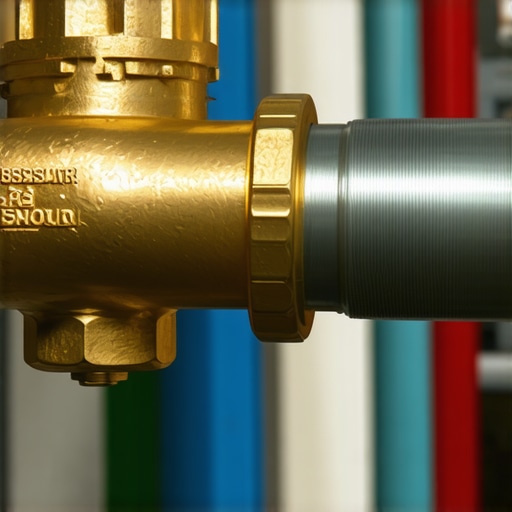
Why This $12 Brass Elbow Stops Silent Vibration
It happened during a quiet Sunday morning—my dishwasher suddenly emitted…
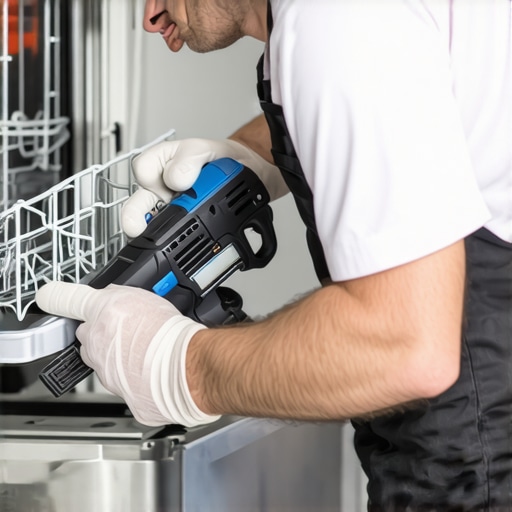
The One Tool That Makes Spray Arm Removal Effortless
It happened to me on a busy Saturday afternoon —…
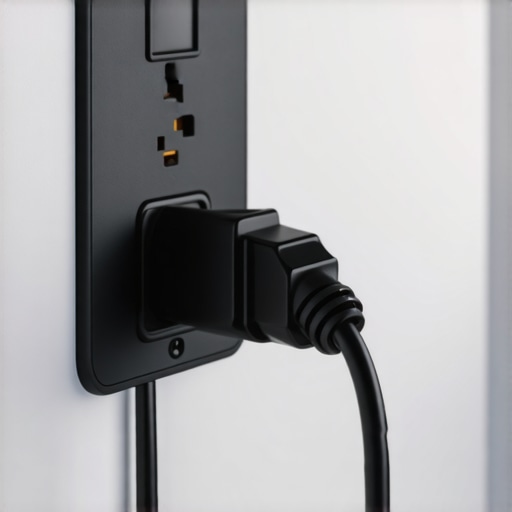
The $15 Surge Protector That Saves Your Main Control Board
It was a quiet Tuesday afternoon when I heard the…