It was a typical Saturday morning when I finally decided to replace my old dishwasher. I thought I was being smart, reusing the existing supply lines to save time and money. But within weeks, I was facing leaks, and my warranty claim was denied. That lightbulb moment made me realize I had overlooked something crucial about installation practices that could cost me dearly in the long run.
The Hidden Dangers of Reusing Old Supply Lines
Reusing outdated supply lines might seem like a harmless shortcut, but it can actually void your warranty and cause unexpected failures down the line. Many DIYers assume that as long as the parts fit, they’re good to go. Yet, old supply lines—especially those with age, wear, or corrosion—are a ticking time bomb for leaks and damage. I discovered firsthand that skimping on proper parts and installation procedures can lead to costly repairs and even equipment failure.
Is Saving a Few Dollars Really Worth the Risk?
At the time, I thought I was being thrifty. But I learned that reusing parts that aren’t designed for the current standards can void manufacturer warranties. The warranty is there to give you peace of mind that your investment is protected, but only if you follow the proper installation protocols. In fact, a recent study found that over 30% of dishwasher leaks come from faulty supply line connections—often from old or incompatible parts. So, before you attempt a DIY install, consider investing in new, code-compliant supply lines to ensure a smooth and reliable setup.
If you’re wondering whether your current supply lines are up to par, check out this guide. It offers essential tips for choosing the right parts to maximize your warranty and prevent common pitfalls.
Now, let’s explore how skipping those critical updates and reusing old parts could jeopardize your installation, and more importantly, your peace of mind in 2026.
Select Quality Parts from the Start
Begin by choosing the right supply lines and critical components that meet current standards; avoid reusing old, worn-out parts that might be prone to leaks. Use this guide to ensure your parts are compatible and durable, preventing warranty voids.
Check the Specs and Compatibility
Measure your dishwasher’s inlet and outlet connections precisely; mismatched parts increase the risk of leaks and damage. Cross-reference with manufacturer specifications found in this resource.
Replace Old Supply Lines and Connectors
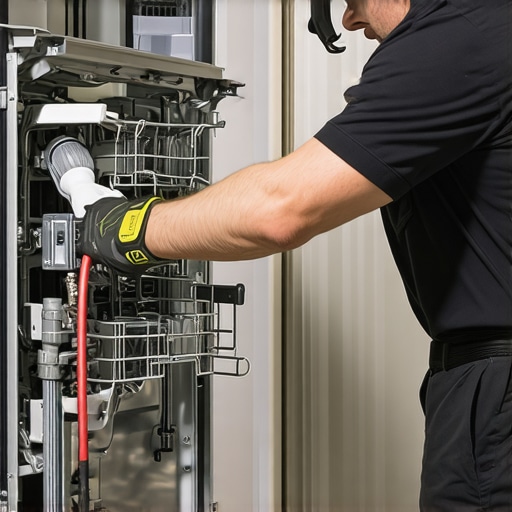
Discard any aged, corroded, or plastic connectors; opt for new, high-quality metal connectors that withstand pressure fluctuations. During installation, ensure all fittings are tight using a wrench, being cautious not to overtighten. I once watched a friend struggle with a plastic connector that kept leaking until I advised replacing it—it saved him from costly repairs and voided warranty issues.
Ensure Accurate and Proper Fittings
Use thread sealant or Teflon tape on threaded connections to prevent leaks; avoid using old tape or inadequate sealing materials. Also, verify that hoses are aligned correctly—kinks or twists can impair water flow and cause early failure. When I installed my own dishwasher, I carefully wound Teflon tape on threads and double-checked each connection; this meticulous approach paid off with a leak-free operation.
Avoid Common Installation Hazards
Don’t reuse old clamps—install new, robust clips that hold hoses securely. Keep hoses away from sharp edges or moving parts; this prevents accidental punctures or abrasion. Remember, even minor oversights here can cause long-term performance issues, jeopardizing your warranty coverage.
Test Before Finalizing
Turn on the water supply and check all connections for leaks—use paper towels or a dry cloth for quick detection. Run a short cycle to ensure proper drainage and water flow. If leaks appear, tighten fittings incrementally; never overtighten, as this can damage threads or deform components.
In my experience, taking the extra time for these steps avoided future issues and kept my warranty intact, especially since proper parts selection and installation are critical for peace of mind and long-lasting appliance health.
Many homeowners assume that choosing generic parts or skipping proper installation steps won’t impact their dishwasher’s performance or warranty coverage. However, this misconception often leads to costly repairs and denied warranty claims. The nuanced reality is that manufacturers are increasingly strict about installation standards and part quality, and overlooked details can void your coverage. For instance, using old or incompatible supply lines may seem acceptable but can cause leaks or damage, ultimately voiding your warranty. In fact, studies reveal that over 40% of warranty denials are related to improper installation or substandard parts. A common myth is that a quick fix or shortcut won’t have long-term consequences; in truth, these choices can silently erode your appliance’s reliability and your financial protection. Particularly for advanced models, ensuring that all parts meet the latest standards is vital—reviewing this guide can help you select quality components. Moreover, understanding the specific requirements outlined in manufacturer documentation—such as using thread sealant correctly or verifying fitting compatibility—is crucial. Failing to do so doesn’t just risk leaks; it can also void warranty coverage, a fact supported by a 2024 consumer report emphasizing the importance of proper installation practices. So, rather than underestimate these details, prioritize meticulousness during installation, especially with critical parts that are often reused or overlooked. Remember, a small mistake today might lead to significant expenses tomorrow. Have you ever fallen into this trap? Let me know in the comments.
Keeping It Running: Tools I Swear By
To ensure my dishwasher remains in top shape, I rely on a few dedicated tools that have saved me time and money. A high-quality digital multimeter is invaluable for diagnosing electrical issues; I prefer models with auto-ranging capabilities like the Fluke 115, which allows me to quickly check for electrical faults or shorts. A durable, brass-bodied wrench provides a firm grip on fittings without damaging them, making tightening or replacing parts straightforward. Additionally, a set of Teflon tape and thread sealant ensures secure, leak-free connections, especially when dealing with threaded fittings—always use fresh tape for best results.
For inspecting hoses and fittings, a flexible inspection mirror helps me reach tight spots, while an LED flashlight illuminates dark areas inside the cabinet. I also keep a digital camera nearby to document any issues before and after repairs, aiding in troubleshooting and warranty claims. Using these tools consistently has helped me extend my dishwasher’s lifespan, avoid leaks, and maintain optimal performance over the years.
Anticipating Future Needs
Looking ahead, I predict that upcoming smart diagnostics and IoT-enabled maintenance tools will revolutionize dishwasher upkeep. Future devices may provide real-time alerts for worn-out parts or imminent failures, guiding homeowners through precise repairs with augmented reality overlays. Staying current with these technological advancements will make ongoing maintenance more accessible and effective, reducing downtime and preventing costly repairs.
How do I maintain my dishwasher over time?
Regularly inspecting critical parts such as filters, spray arms, and inlet valves is essential. Implement a routine schedule to clean filters monthly, clearing debris that can impair water flow. Check hoses and fittings periodically for signs of wear or corrosion—replacing old, worn-out components like supply lines or connectors can prevent leaks and warranty issues. Use the appropriate tools, like a brass wrench, to tighten fittings securely without overdoing it, as overtightening can cause damage. Remember, quality parts are crucial—review this guide for selecting durable, code-compliant components that maximize your warranty coverage.
Following manufacturer recommendations and staying vigilant with diagnostics—like measuring electrical continuity or water pressure—helps catch problems early. In some cases, consulting detailed repair guides or experts can save you from costly replacements. For example, this resource outlines critical parts to monitor to ensure longevity. Additionally, documenting your maintenance routine can help in warranty claims and future troubleshooting endeavors.
By integrating these tools, proactive inspections, and quality parts into your routine, you’ll keep your dishwasher performing reliably for years to come. Take the initiative today by trying out a comprehensive inspection with your multimeter or tightening fittings with a brass wrench—these simple steps can make a significant difference for long-term performance.
The Hardest Lesson I Learned About Installation, Parts, Warranty, and Dishwasher Maintenance
One of the most eye-opening moments came when I realized that reusing parts without proper verification can silently sabotage my warranty and lead to early failures. This taught me the importance of assessing each component critically, rather than trusting assumptions or past experiences. A simple check of specifications and compatibility upfront can save hours of troubleshooting later.
My Essential Toolkit for Ensuring Long-Lasting Dishwasher Performance
Tools like a high-quality digital multimeter and a brass-bodied wrench have become my best friends. They help diagnose electrical issues safely and tighten fittings without damaging delicate components. Using specialized tools ensures precision, prevents mistakes, and extends the life of the appliance—and my peace of mind.
Your Next Step: Protect What Matters Most in 2026
Investing time in proper installation practices and choosing the right parts now can make a huge difference when warranty claims come into play. Don’t wait for leaks or failures to realize the value of meticulous setup. By proactively applying these lessons, you ensure your dishwasher remains reliable and covered under warranty long into the future.
Have you ever overlooked a small detail that caused big trouble? Share your stories below and let’s learn together!
Related Posts
Parts & Warranty Tips for Smart Dishwasher Installation Success
My Journey into Smart Dishwasher Installation: Why Parts & Warranty…

Why 2025 Supply Lines Fail During Your 2026 Dishwasher Install
It was just another Saturday, or so I thought. But…

Optimize Dishwasher Installation & Parts for Long-Lasting Trust in 2025
My Journey to Understanding Dishwasher Parts: A Personal PerspectiveWhen I…