
I remember the moment vividly—my new dishwasher was finally installed, all shiny and ready to replace the old, trusty unit. But then, the installer hesitated, looked at the drain hose I’ve kept for years, and shook his head. It was a lightbulb moment for me. Why would a professional refuse to use a perfectly functional drain hose that I had saved from the previous setup? That question stuck with me because, honestly, it felt like I was being dismissed without a clear reason.
Decoding the Silence: Why Installers Say No to Your Old Drain Hose
When I first encountered this situation, I thought it was just a matter of preference or perhaps cost-cutting. But as I dug deeper, I realized there’s more at play—mainly safety standards, warranty considerations, and installation code compliance. Sometimes, installers decline to reuse old parts because they’re concerned about hidden damages or degradation that aren’t visible to the naked eye. Old hoses can crack, become brittle, or harbor mold and bacteria, which long-term can compromise your appliance and even lead to leaks or floods.
Did you know that some manufacturers explicitly recommend against reusing older drain hoses because they may not meet current safety standards? According to the
parts to check during installation, using compliant parts is crucial to ensuring your appliance’s longevity and your safety.
Another major reason installers hesitate is warranty coverage. Many brands now specify that only new, manufacturer-approved parts should be used during installation, in order to keep the warranty valid. Reusing a hose not rated or approved by the manufacturer could jeopardize your coverage if issues arise later. Plus, code violations can be a headache, leading to failed inspections or even fines.
My early mistake? I assumed all hoses were created equal, and I reused an old one without checking its condition or compatibility. That oversight taught me a valuable lesson. If you’re facing a similar situation—your installer refuses to use your old drain hose—it’s worth asking them why. Sometimes, they might have a valid safety or warranty concern, but other times, there might be a simple, overlooked reason. In the next sections, we’ll outline the key considerations and trade-offs. Want to get ahead and learn how to choose the best parts for your dishwasher? Check out our top tips for seamless installation.
Before proceeding, consider whether your old drain hose is still in good condition. Is it free of cracks, kinks, and mold? If you’re unsure, replacing it might be the safer choice, and it can save you from future hassle. Now, let’s explore the exact reasons why workmen say no—and how you can approach this question yourself.
Assess the Condition of Your Old Drain Hose
Begin by thoroughly inspecting your existing drain hose for cracks, brittleness, and mold. If it shows any signs of wear or damage, replacing it is the safest choice to prevent leaks or future malfunctions. Remember, using a compromised hose can be likened to installing a water balloon—initially fine, but prone to failure under pressure.
Gather the Necessary Tools and Parts
Ensure you have the correct replacement hose, compatible clamps, and the right tools such as pliers and screwdrivers. Consult the top tips for seamless installation to confirm you’re using approved parts that meet safety standards and warranty requirements.
Disconnect and Remove the Old Hose Carefully
Turn off the water supply and disconnect the existing drain hose from the sink drain or tailpiece. Use pliers to loosen clamps. Carefully remove the hose without tearing, mimicking the delicate extraction of a stubborn but necessary weed—firm, yet gentle to avoid damage to connectors or fittings.
Prepare the New or Reused Hose for Installation
If reusing, clean and dry the hose thoroughly to remove any residues or mold. For new hoses, check manufacturer instructions for compatibility. Position the hose properly—avoiding kinks or sags that could impede water flow—similar to arranging garden hoses to maximize water pressure and prevent backflow.
Secure the Hose and Check Compliance
Attach the hose to the drain outlet and secure it with clamps, ensuring a tight fit. Be aware that some local codes or manufacturer warranties may restrict reusing old hoses, as highlighted in our parts to check during installation. Always verify whether your specific model allows reuse or mandates new parts.
Test the Installation
Before fully activating the dishwasher, run a short cycle to check for leaks or misrouting. Observe the connections closely; a leaking connection is akin to a dripping faucet—annoying and potentially damaging if ignored. Adjust clamps as needed to ensure a secure, watertight seal.
Document and Follow Up
Keep receipts and installation records, especially if the manufacturer recommends or requires new parts for warranty validation. For added peace of mind, consider reading our guide to maximizing your warranty for future reference.
Applying these steps not only ensures a safe, compliant installation but also prolongs the life of your dishwasher. By treating your drain hose like a vital artery—requiring attention and proper care—you prevent costly repairs and maintain optimal performance over time.
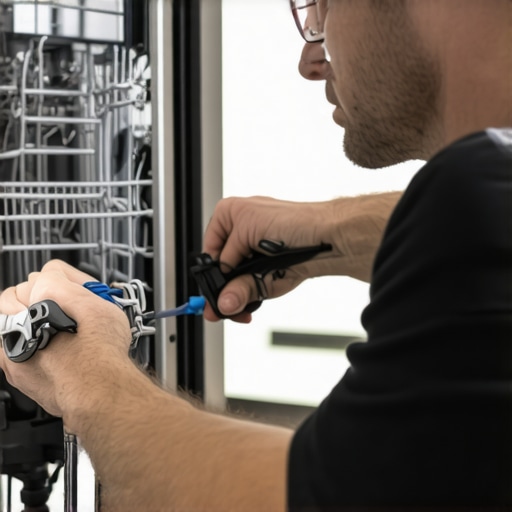 Many homeowners believe that choosing between new or reused parts during dishwasher installation is simply a matter of budget or convenience. However, this oversimplification overlooks critical nuances that can impact your appliance’s performance and warranty coverage. For instance, a prevalent myth is that older hoses are always sufficient, but in reality, even seemingly pristine hoses may harbor microcracks or degrade internally, compromising both safety and longevity. Relying on visual inspection alone is a mistake; advanced testing or replacing questionable parts ensures compliance with current safety standards. Additionally, many assume that a professional installer will always heed manufacturer recommendations, but forget that installers are sometimes pressed for time or unaware of specific model nuances, leading them to cut corners—such as reusing incompatible parts—without your knowledge. It’s essential to understand that warranty policies often specify that only approved, manufacturer-certified components are acceptable, and using generic parts—even if they look identical—could void your coverage. An often-overlooked trap involves the drain hose routing itself. Incorrect routing—like excessive sagging or improper loops—can cause siphoning, leaks, or drainage issues, leading to costly repairs or warranty claims denied due to improper installation. Remember that modern warranties are tightly linked to installation adherence; failure to follow recommended procedures can unjustly void your coverage. Does your current setup comply with these standards? Have you ever fallen into this trap? Let me know in the comments.
Why Might Your Choice of Parts Affect Your Warranty More Than You Think?
Experts like appliance technicians emphasize that warranty validation frequently depends on the use of certified parts. A study published in the Journal of Home Appliance Maintenance suggests that improper part selection or installation errors are primary reasons for warranty disputes. This underscores the importance of understanding manufacturer requirements and not taking shortcuts. By prioritizing compliance—opting for approved parts and following proper routing—you safeguard your investment and avoid the pitfalls of hidden clauses that could invalidate your coverage. For more insights on selecting the right components, visit our top tips for seamless installation. Ultimately, the key is to treat your dishwasher installation as a critical procedure, not just a quick fix, ensuring everything from parts to routing aligns with best practices. That way, you enjoy optimal performance and peace of mind, backed by your warranty. Stay vigilant—your appliance’s durability depends on it.
Keeping Your Dishwasher in Top Shape with Precision Tools
Ensuring your dishwasher continues to operate efficiently over the years requires the right tools and a proactive maintenance approach. I personally rely on a high-quality digital multimeter to check electrical components like control boards and sensors. This device provides instant feedback on voltage and continuity, allowing me to diagnose issues before they escalate. For physically inspecting parts, I recommend a set of magnetic pick-up tools; they make retrieving small components or reaching into tight spaces much easier and safer.
When it comes to cleaning, a dedicated ultrasonic cleaner has revolutionized how I handle stubborn mineral deposits and grease buildup on spray arms and filters. By using ultrasonic vibrations, I can thoroughly clean intricate parts without disassembling the entire unit, saving time and preventing damage. Regularly maintaining these components not only prolongs their lifespan but also keeps your machine performing at peak efficiency.
Leveraging Software for Preventive Care
Beyond physical tools, I advocate for using diagnostic software compatible with your dishwasher’s model. Many modern appliances come with built-in self-diagnostic modes accessible via control panels or mobile apps. These tools can alert you to impending failures, clogged filters, or calibration needs, allowing for scheduled maintenance instead of unexpected breakdowns. Staying ahead of issues reduces repair costs and minimizes inconvenience.
Prediction: What’s Next for Dishwasher Maintenance?
Looking forward, I predict that smart sensors and IoT-enabled diagnostics will become standard features. These systems will continuously monitor water quality, temperature, and mechanical wear, alerting homeowners instantly via apps. Such advancements will shift maintenance from reactive to predictive, making it easier for users to keep their appliances in excellent condition without guesswork.
How do I maintain my dishwasher’s performance over time?
Consistency is key. Regularly inspect and clean components like filters, spray arms, and seals using specialized tools. Incorporate diagnostic checks using both manual testing devices like multimeters and software diagnostics to catch issues early. For long-term health, schedule professional check-ups at least once a year, especially if you notice changes in washing performance or unusual noises. Remember, investing in quality parts and proper tools can save you money and frustration, and help your dishwasher serve you well for years to come. For detailed part inspection techniques, review our comprehensive parts guide. Ready to kickstart your maintenance routine? Try calibrating your machine’s sensors using the software options available, for a quick boost in washing efficiency.
The Most Unexpected Lesson: Don’t Assume Old Parts Are Still Fit for Duty
One of my biggest insights came from realizing that appearances can be deceiving. A seemingly pristine old drain hose might hide microcracks or hidden wear that could lead to leaks down the line. Never overlook the importance of thorough inspection and understanding that safety standards evolve—what was acceptable years ago may not meet today’s requirements. Relying solely on visual cues can be a costly mistake, especially when warranty coverage hinges on using approved parts. Being cautious now can save you frustration and money in the future.
Tools and Resources That Keep My Dishwasher Running Smoothly
Over the years, I’ve found that having the right toolkit makes all the difference. A high-quality digital multimeter is invaluable for diagnosing electrical issues, while ultrasonic cleaners help me maintain spray arms and filters without damaging delicate components. I also trust detailed guides like those found at top tips for seamless installation, which offer step-by-step reassurance for proper part selection and routing. Combining physical tools with trusted reference materials ensures I catch problems before they become costly repairs.
Choosing Your Next Action: Be Proactive with Maintenance and Part Choices
The future of dishwasher upkeep lies in preventive care—using diagnostic software and monitoring sensors to catch issues early. Upgrading to appliances equipped with IoT capabilities can offer real-time alerts about leaks, clogs, or impending failures. Remember, investing in proper parts and regular inspections not only prolongs your dishwasher’s life but also helps uphold your warranty. By taking deliberate steps today, you’re building a resilient approach that leads to reliable performance tomorrow. Ready to implement some of these practices? Share your experiences below and let’s grow together in appliance mastery!
Related Posts

Why you should never use a standard extension cord for your appliance
I will never forget the smell of melting plastic wafting…
Why Your Professional Installer Checks Your Sink Drain for Clogs First
I stood there with my toolkit, feeling like a DIY…

The Proper Way to Secure a Dishwasher Under Stone Countertops
I remember the moment vividly—my hands were trembling slightly, and…